

 プレビュー
プレビュー
 シェアする
シェアする シェアする
シェアする
 詳細を見る
詳細を見る

 ダウンロード
 似ている作品
 X線調査
X線調査 スライドショー
 統計情報
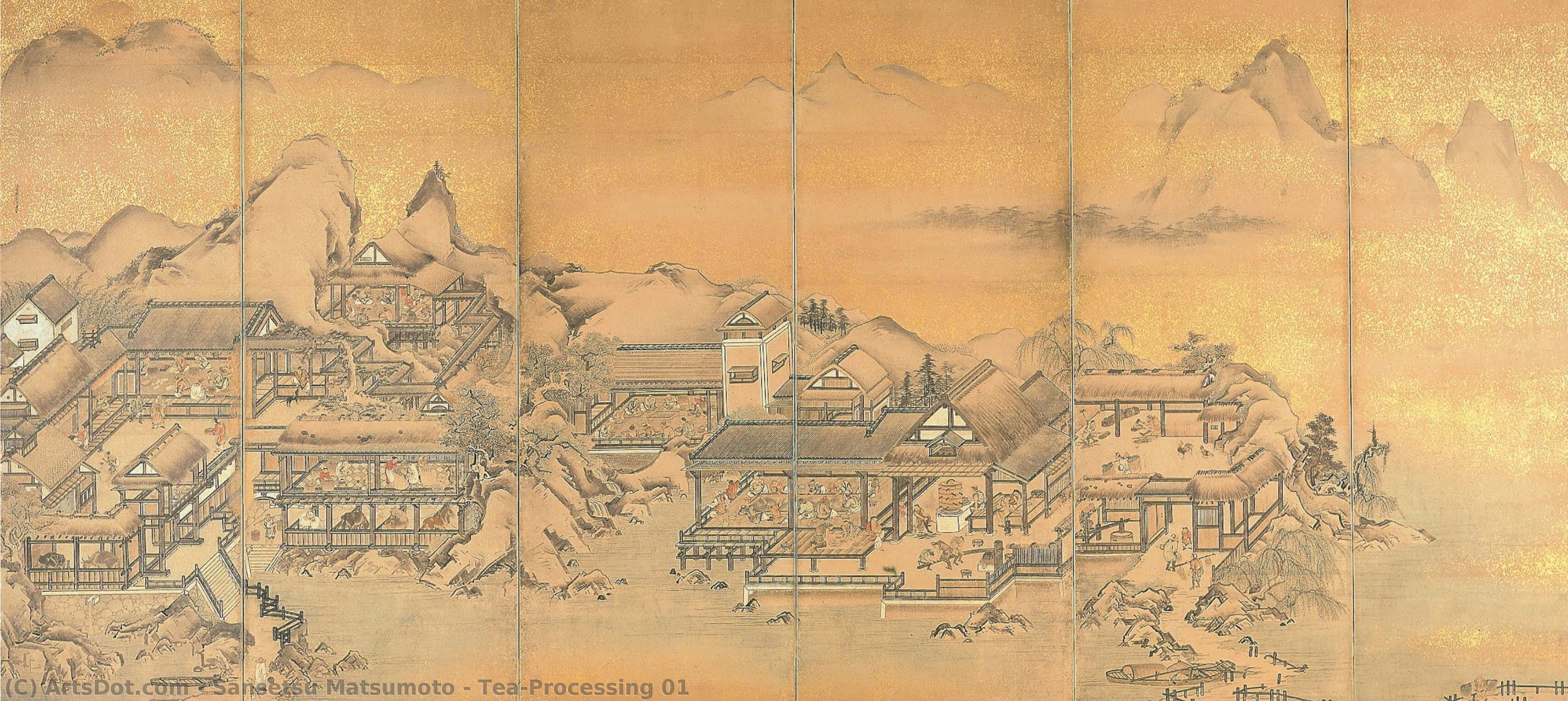
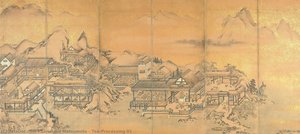
統計情報Tea-Processing 01
 161.0 x 360.0 cm
 詳細を見る
詳細を見る
オンラインプレビューをはるかに凌ぐ、高解像度で鮮明なデジタル画像をご購入いただけます。
各ファイルは、社内の専門家が高度なツールと熟練した手作業によるレタッチを用いて、細心の注意を払って準備されています。すべての画像において、卓越した鮮明度、正確な色彩再現性、そして繊細なディテールを保証いたします。
最終ファイルは、プロフェッショナルな編集・印刷環境ですぐにご利用いただけるよう最適化された状態で、72時間以内にメールにてお届けいたします。これは、一流のデザインスタジオ、出版社、ギャラリーから信頼されているものと同等の品質です。
デジタルアート
個人での鑑賞、印刷、クリエイティブなプロジェクト用に、高解像度ファイルをダウンロードできます。 ( プリント版に切り替え 手描きの絵画を購入)
デジタル画像のご注文に付随する特典
高品質なデジタル画像配信を、確かな品質で。
ArtsDot.com を選ぶことは、単に画像を手に入れることではありません。それは、プロの手によって精密に仕上げられ、満足保証が付いた高品質なデジタルアートワークを受け取ることを意味します。ご注文いただいた際に自動的に付随する内容は、以下の通りです:

メールですぐにお届け
ご注文から72時間以内に、高解像度のデジタル画像ファイルがメールでお手元に届きます。すぐにそのままご利用いただけます。

AI技術で最適化されたデジタルファイル
お客様の作品は、高度なAIツールと専門家による手作業の編集を組み合わせてプロフェッショナルに最適化されており、細部のディテール、鮮明さ、そして正確な色再現性を最大限に引き出しています。

一生涯無料の再送サービス
ファイルを誤って削除したり、紛失してしまったりしましたか?ご安心ください。いつでも無料で再送いたします。

輸入手数料は一切かかりません
関税や手数料、配送料を気にすることなく、お気に入りのアートワークをすぐにお楽しみいただけます。デジタルダウンロードは常に免税です。

色彩再現の保証
プロ仕様のツールとカラーマネジメント技術を用いることで、デジタル画像が元の色を最大限に忠実に再現することを保証いたします。

100日間満足保証
ご購入いただいたデジタル画像にご満足いただけない場合は、100日以内であれば、理由を問わず修正または100%の返金対応をさせていただきます。

100% 返金保証
ご満足いただけない場合は、デジタルファイルを受け取ってから100日以内であれば、理由を問わず全額返金いたします。

まとめ買い割引
3枚購入で10%OFF - 5枚購入で15%OFF - 10枚以上購入で20%OFF。クリエイティブなプロジェクト、ギャラリー、エージェンシーに最適です。
関連作品





作家の略歴
The Silent Resonance of Ink: The Life and Legacy of Sansetsu Matsumoto
In the quiet, contemplative atmosphere of early seventeenth-century Kyoto, a master was refining a visual language that would forever define the spirit of the Edo period. Sansetsu Matsumoto, an artist whose life spanned the transformative years from approximately 1589 to 1651, emerged as a pivotal figure in Japanese art history. While the biographical details of his early years remain partially veiled by the mists of time, his presence in the artistic landscape of Japan is unmistakable. He was a painter who did not merely observe the world but sought to capture its very essence through the disciplined medium of sumō (monochrome ink wash). His work serves as a profound bridge between the spiritual depth of Zen Buddhism and the structured social ideals of Confucianism, creating a visual dialogue between the human soul and the natural world.
The foundation of Matsumoto’s mastery was laid within the rich, sophisticated artistic milieu of Kyoto. It is believed that he honed his craft under the guidance of influential masters such as Kobori Fumio, a renowned landscape architect. This lineage of training was crucial, as it introduced Matsumoto to the aesthetic principles of wabi-sabi—the profound appreciation for imperfection, transience, and the subtle beauty found in simplicity. Through this lens, every brushstroke became an exercise in restraint. He learned to utilize the vast emptiness of the paper as a structural element, allowing the viewer's imagination to fill the spaces between the ink, much like the silence between notes in a musical composition.
A Courtly Vision: Service and Symbolism
As his reputation grew, Matsumoto’s talents were sought after by the powerful structures of feudal Japan. His tenure as a court painter for the Iyo Matsuyama han, a domain under the governance of Tokugawa Yoshimune, marked a significant chapter in his professional development. This period of service allowed him to produce a prolific body of work that functioned on multiple levels. On one hand, his landscapes served a decorative purpose, beautifying the halls of the nobility; on the other, they acted as subtle instruments of political expression. By depicting the grandeur and serenity of the domain's territories, his paintings reflected the Confucian ideal of benevolent governance, suggesting that a well-ordered landscape was a mirror to a well-governed state.
His technical achievements during this era are characterized by an extraordinary command over the monochrome palette. Matsumoto possessed a rare ability to evoke texture, light, and atmosphere using only varying shades of black ink. Whether depicting the muscular grace of horses or the delicate, rhythmic patterns of tea-processing, his work maintains a sense of organic vitality. His compositions often feature:
- Asymmetry: A deliberate departure from rigid balance to mimic the unpredictable beauty of nature.
- Atmospheric Perspective: The use of fading ink washes to create depth and a sense of infinite distance.
- Minimalist Detail: Focusing on essential forms to convey the character of a subject without unnecessary ornamentation.
Historical Significance and Enduring Influence
The historical significance of Sansetsu Matsumoto lies in his ability to synthesize the ruggedness of early ink traditions with the refined elegance required by the burgeoning Edo culture. He did not merely document landscapes; he created spiritual sanctuaries on paper. His mastery of the monochrome technique provided a template for subsequent generations of Japanese painters, influencing the way nature was perceived as both a physical reality and a metaphysical concept. Even today, his works stand as testament to a period of profound cultural flourishing, reminding us that true artistic power often resides in the most subtle of gestures.
Through his dedication to the sumō technique, Matsumoto ensured that the ephemeral beauty of the natural world—the shifting mist, the swaying leaf, the transient light—could be captured and preserved. His legacy remains a cornerstone of Japanese art, offering a timeless meditation on the harmony that exists when humanity learns to move in rhythm with the earth.
sansetsu matsumoto
1676 - , Japan
プロフィール概要
- Artistic Movement Or Style: Edo Period
- Full Name: sansetsu matsumoto
- Nationality: Japanese
- Notable Artworks: ['Tea-Processing 01']
- Place Of Birth: Japan