

 プレビュー
プレビュー
 プリントを購入
 シェアする
シェアする シェアする
シェアする
 詳細を見る
詳細を見る

 ダウンロード
 似ている作品
 X線調査
X線調査 スライドショー
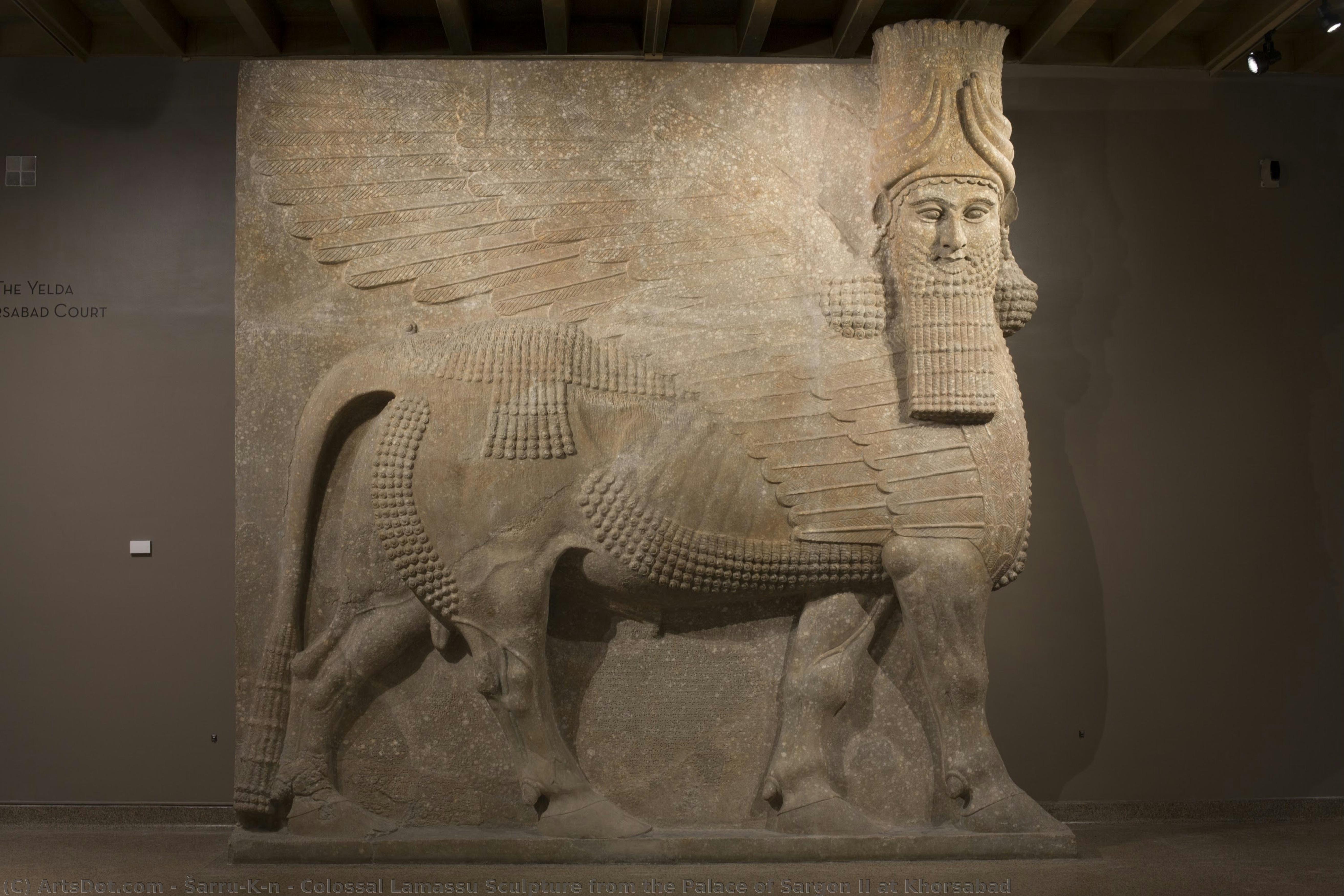
Colossal Lamassu Sculpture from the Palace of Sargon II at Khorsabad

 詳細を見る
詳細を見る
オンラインプレビューをはるかに凌ぐ、高解像度で鮮明なデジタル画像をご購入いただけます。
各ファイルは、社内の専門家が高度なツールと熟練した手作業によるレタッチを用いて、細心の注意を払って準備されています。すべての画像において、卓越した鮮明度、正確な色彩再現性、そして繊細なディテールを保証いたします。
最終ファイルは、プロフェッショナルな編集・印刷環境ですぐにご利用いただけるよう最適化された状態で、72時間以内にメールにてお届けいたします。これは、一流のデザインスタジオ、出版社、ギャラリーから信頼されているものと同等の品質です。
デジタル画像のご注文に付随する特典
高品質なデジタル画像配信を、確かな品質で。
ArtsDot.com を選ぶことは、単に画像を手に入れることではありません。それは、プロの手によって精密に仕上げられ、満足保証が付いた高品質なデジタルアートワークを受け取ることを意味します。ご注文いただいた際に自動的に付随する内容は、以下の通りです:

メールですぐにお届け
ご注文から72時間以内に、高解像度のデジタル画像ファイルがメールでお手元に届きます。すぐにそのままご利用いただけます。

AI技術で最適化されたデジタルファイル
お客様の作品は、高度なAIツールと専門家による手作業の編集を組み合わせてプロフェッショナルに最適化されており、細部のディテール、鮮明さ、そして正確な色再現性を最大限に引き出しています。

一生涯無料の再送サービス
ファイルを誤って削除したり、紛失してしまったりしましたか?ご安心ください。いつでも無料で再送いたします。

輸入手数料は一切かかりません
関税や手数料、配送料を気にすることなく、お気に入りのアートワークをすぐにお楽しみいただけます。デジタルダウンロードは常に免税です。

色彩再現の保証
プロ仕様のツールとカラーマネジメント技術を用いることで、デジタル画像が元の色を最大限に忠実に再現することを保証いたします。

100日間満足保証
ご購入いただいたデジタル画像にご満足いただけない場合は、100日以内であれば、修正または100%の返金(理由を問う必要はありません)をさせていただきます。

100% 返金保証
ご満足いただけない場合は、デジタルファイルを受け取ってから100日以内であれば、理由を問わず全額返金いたします。

まとめ買い割引
3枚購入で10%OFF - 5枚購入で15%OFF - 10枚以上購入で20%OFF。クリエイティブなプロジェクト、ギャラリー、エージェンシーに最適です。
関連作品








作家の略歴
The Rise of a King: Sargon of Akkad and the Dawn of Empire
The name Sargon, meaning “true king” in Akkadian – Šarru-kīn – echoes through the millennia as synonymous with power, conquest, and the very birth of empire. While shrouded in legend for much of his early life, Sargon’s impact on Mesopotamia, and indeed the world, is undeniable. He emerged not from a lineage of kings, but from relative obscurity around 2334 BC, a period when Sumerian city-states fiercely guarded their independence. The details of his ascent are interwoven with myth, most notably the tale of being abandoned in a reed basket on the Euphrates River – a parallel to Moses’s story that speaks to a common archetype of divinely favored beginnings. Rescued and raised by Akki, a gardener, Sargon rose through the ranks, eventually becoming cupbearer to Ur-Zababa, the ruler of Kish. This position afforded him access to power, but it was his ambition and military prowess that ultimately propelled him to greatness. He didn’t simply inherit a kingdom; he forged one, uniting Sumerian city-states under his rule through a series of brilliant campaigns. His conquest wasn't merely political; it represented a cultural shift, establishing Akkadian as the dominant language and ushering in a new era of centralized governance.Akkadian Innovations: Administration, Art, and Religious Synthesis
Sargon’s genius extended far beyond military strategy. He understood that lasting power required more than just conquest; it demanded effective administration and cultural cohesion. He implemented a sophisticated bureaucracy, appointing officials loyal to him throughout his vast empire. This centralized system allowed for efficient tax collection, resource management, and the standardization of weights and measures – crucial elements in fostering economic stability. His army was also reorganized, becoming a professional fighting force equipped with standardized weaponry. Perhaps less known but equally significant were Sargon’s contributions to art and religion. He commissioned monumental sculptures and reliefs depicting his victories and divine legitimacy. The famous Victory Stele of Naram-Sin (his grandson) builds upon the artistic foundations laid during Sargon's reign, showcasing a clear emphasis on royal power and divine favor. Religiously, Sargon skillfully integrated Akkadian deities with existing Sumerian gods, creating a syncretic system that appealed to diverse populations within his empire. He rebuilt temples dedicated to both Akkadian and Sumerian divinities, demonstrating respect for local traditions while asserting his own authority. This policy of religious tolerance helped to quell potential unrest and solidify his rule.The Sargonid Dynasty: Legacy and Expansion
Sargon’s reign wasn't just about personal glory; he established a dynasty – the Sargonids – that would continue to shape Mesopotamia for centuries. His son, Rimush, inherited a vast but restless empire, facing numerous rebellions. While Rimush proved capable of suppressing these uprisings, it was his brother, Manishtushu, who further consolidated Akkadian power through continued military campaigns and administrative reforms. However, the true culmination of the Sargonid dynasty came with Naram-Sin, Sargon’s grandson. Naram-Sin declared himself a god – an unprecedented act that reflected the immense power wielded by the Akkadian kings. He led successful campaigns against neighboring kingdoms, expanding the empire to its greatest extent and leaving behind a legacy of military prowess and artistic innovation. The Akkadian Empire under Naram-Sin saw a flourishing of literature, with royal hymns and epics celebrating his achievements. However, this very assertion of divinity may have contributed to the empire’s eventual decline, as it alienated traditional religious authorities and fostered resentment among conquered peoples.Decline and Rediscovery: The Fall of Akkad and Modern Scholarship
The Akkadian Empire ultimately succumbed to internal strife and external pressures around 2154 BC. A combination of factors contributed to its collapse, including prolonged droughts, economic instability, and the rise of Gutian invaders from the Zagros Mountains. The Gutians, though not necessarily a unified force, disrupted trade routes, weakened Akkadian defenses, and ultimately overran much of Mesopotamia. The empire fragmented into smaller city-states once again, ushering in a period of chaos and decline known as the Gutian Period. Despite its relatively short lifespan – roughly 150 years – the Akkadian Empire left an indelible mark on Mesopotamian history. The rediscovery of Sargon’s legacy began with archaeological excavations in the 19th century. Cuneiform tablets unearthed at various sites revealed details about his life, conquests, and administrative policies. Scholars pieced together fragments of information to reconstruct the story of this remarkable king and his empire. Today, Sargon of Akkad is recognized as one of the most important figures in ancient history – a visionary leader who transformed Mesopotamia from a collection of independent city-states into a unified empire, laying the foundations for future civilizations. His name continues to inspire awe and fascination, reminding us of the enduring power of ambition, innovation, and the pursuit of greatness.
プロフィール概要
- Artistic Movement Or Style: Akkadian Empire Founder
- Date Of Death: Living
- Full Name: Šarru-Kīn