

 プレビュー
プレビュー
 プリントを購入
 シェアする
シェアする シェアする
シェアする
 詳細を見る
詳細を見る

 ダウンロード
 似ている作品
 X線調査
X線調査 スライドショー
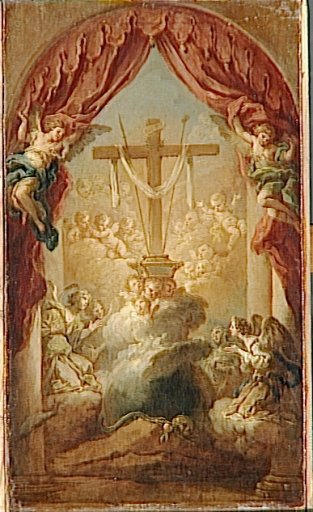
Esquisse pour les sépulchres


 詳細を見る
詳細を見る




P118B $10

P118H $10

P118W $10

P438Z $10

P508JH $12

P508YH $12

P805H $10

P805Z $10

P919BZ $10

P919G $10

P919XJ $10

P959ZH $10

P968JZ $12

W106C $8

W218G $10

W218JH $8

W218Y $10

W307PJ $10

W316G $10

W316PJ $8

W316Y $10

W398PJ $8

W4111J $10

W500HY $15

W500JH $15

W692G $12

W849H $8

W940BG $15

W953PJ $8




作品のオリジナル比率に合わせた、当店の規定サイズからお選びください。

特定のフレームやスペースに合わせて、ご希望のサイズをご入力いただけます。選択されたサイズが元の画像の比率と異なる場合、アートワークをトリミングするか、手描きで要素を追加して絵画を拡張いたします。デジタルモックアップ を制作し、制作開始前にご確認(承認)をいただきます。
画面上のプレビューは、実際のトリミングや拡張を正確に反映しているものではありません。最終的な構図は、モックアップによってのみ正確にご確認いただけます。
カスタムサイズもご利用いただけますが、元の比率を維持するためには、あらかじめ用意されたリストからサイズを選択することをお勧めいたします。
ご注文後、ArtsDot.com チームより詳細な指示をお送りするとともに、仕上がりイメージ(モックアップ)をご提供いたします。


 ガラスオプションは、110cm未満のサイズでのみご利用いただけます。

Esquisse pour les sépulchres
複製技法
複製画のサイズ
-


合計金額
$ 438
作品解説
A Sketch for Sepulchers: Conca’s Baroque Vision of Mortality
Sebastiano Conca's "Esquisse pour les sépulchres" – a preliminary study for funerary monuments – offers a captivating glimpse into the artist’s meticulous process and profound engagement with themes of death, faith, and the passage of time. Born in Gaeta in 1680, Conca emerged from the fertile artistic environment of Naples, deeply influenced by the masterful techniques of Francesco Solimena, a leading figure of Neapolitan Baroque painting. This formative period instilled within him an understanding of dramatic composition, dynamic movement, and rich color palettes – elements that would become cornerstones of his distinctive style. The sketch itself isn’t merely a preparatory drawing; it's a fully realized miniature world brimming with symbolic weight and technical brilliance, hinting at the grandeur of the final work it intended to inform.
The composition immediately draws the eye towards a central arched structure, reminiscent of a niche or doorway, within which a prominent cross dominates. This vertical axis anchors the scene, drawing the viewer’s gaze upwards toward a celestial realm suggested by the arrangement of angels flanking the archway. Below the cross, a carefully orchestrated group of figures – likely representing mourners or perhaps symbolic representations of souls – cluster around a draped form, its details obscured yet undeniably evocative of mortality. The overall effect is one of restrained drama, characteristic of Conca’s approach to depicting religious subjects. The loose, expressive lines and washes of diluted paint—likely watercolor or oil—suggest an immediacy and spontaneity that belies the sketch's status as a foundational study.
Color, Line, and Light: A Baroque Draftsmanship
Conca’s palette is deliberately muted, dominated by earthy tones – ochre, brown, and reddish-pink – creating a sense of solemnity and gravitas. The limited use of vibrant colors reinforces the sketch's preliminary nature, emphasizing its role as a study for a more fully realized painting. The artist skillfully employs washes to build depth and volume, particularly in the rendering of the angels’ wings and halos, which appear almost luminous against the darker background. Lines are loose and expressive, capturing movement and gesture with remarkable fluidity. The archway itself provides a strong vertical element, contrasting with the flowing lines of the figures below. Circular shapes—a recurring motif in Baroque art—are prominently featured in the depiction of angels’ wings and halos, adding to the composition's dynamic energy.
Symbolism and Spiritual Depth
“Esquisse pour les sépulchres” is rich with religious symbolism. The cross, of course, represents Christ’s sacrifice and offers a pathway to salvation. The angels, positioned as guides and messengers, embody divine presence and offer solace in the face of death. The draped form below the cross likely symbolizes mortality itself – a poignant reminder of human vulnerability and the inevitability of passing. The overall scene speaks to the Baroque fascination with both earthly suffering and spiritual transcendence, inviting contemplation on themes of faith, hope, and the afterlife. Conca’s ability to distill these complex ideas into a single, evocative sketch is a testament to his artistic skill and profound understanding of religious iconography.
A Window into an Artist's Process
This sketch offers a rare opportunity to witness Sebastiano Conca at work – a master craftsman meticulously planning a monumental composition. The unfinished quality of the drawing—the visible brushstrokes, the areas of diluted paint—reveals the artist’s process and invites us to imagine the final painting taking shape. The piece exemplifies the Baroque tradition of preparatory studies, which were often considered as important as the finished artwork itself. Conca's "Esquisse pour les sépulchres" is not simply a sketch; it’s a miniature masterpiece in its own right, offering a compelling glimpse into the mind and hand of one of Italy’s most celebrated Baroque painters.
関連作品
関連記事
Celestial Messengers: Angels in Painting – A Historical & Artistic Exploration
Explore the captivating history of angels in painting! Discover symbolism, iconic Renaissance & Byzantine masterpieces, and renowned artists. Expert insights for art lovers & collectors at ArtsDot.
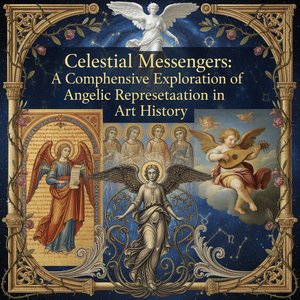
Celestial Messengers: A Comprehensive Exploration of Angelic Representation in Art History
Explore the captivating history of angels in art! Discover symbolism, iconic Renaissance masterpieces & renowned artists. Expert insights for art lovers & collectors at ArtsDot.

The Dramatic Flourish: Exploring the Baroque Movement's Enduring Legacy in Art History
Explore the dramatic world of Baroque art! Discover iconic artists like Caravaggio & Rubens, defining techniques, and its lasting impact on art history. Expert insights for collectors & enthusiasts at ArtsDot.

バロック美術を極めた至宝:時代を彩る10大名作の世界
バロック美術の華!カラヴァッジョ、ベルニーニら巨匠が創り上げた10大名作を徹底解剖。ドラマチックな色彩と豪華絢爛の世界観に触れ、至宝のアートプリントで空間を彩ろう。ArtsDot.comで美術館品質の複製と洗練されたインテリアを見つけましょう!

The Visceral Stage: Exploring Dramatic Narratives & Emotional Intensity in Baroque Art
Explore the dramatic world of Baroque art! Discover iconic masters like Caravaggio & Rembrandt, their techniques, and the movement's lasting impact. Expert insights for collectors & enthusiasts at ArtsDot.

