 プレビュー
プレビュー
 シェアする
シェアする シェアする
シェアする
 詳細を見る
詳細を見る

 ダウンロード
 似ている作品
 X線調査
X線調査 スライドショー
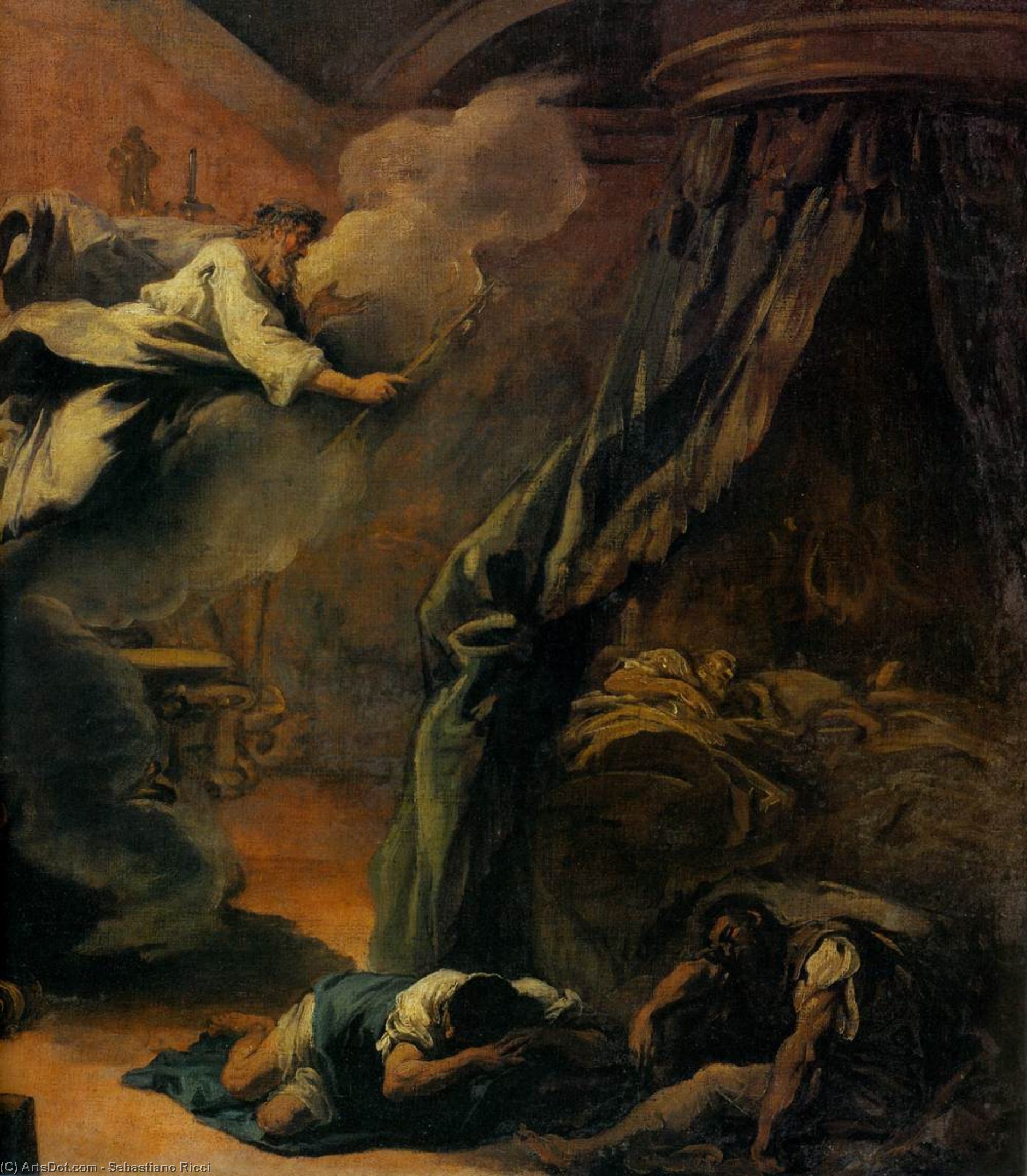
Dream of Aesculapius (detail)


 詳細を見る
詳細を見る
ジークレー/アートプリント
迅速な制作と多彩な仕上げオプションを備えた、ミュージアムクオリティのジークレーまたはキャンバスプリント。 ( 手描きの絵画を購入 画像を購入)




P118B $10

P118H $10

P118W $10

P438Z $10

P508JH $12

P508YH $12

P805H $10

P805Z $10

P919BZ $10

P919G $10

P919XJ $10

P959ZH $10

P968JZ $12

W106C $8

W218G $10

W218JH $8

W218Y $10

W307PJ $10

W316G $10

W316PJ $8

W316Y $10

W398PJ $8

W4111J $10

W500HY $15

W500JH $15

W692G $12

W849H $8

W940BG $15

W953PJ $8




作品のオリジナル比率に合わせた、当店の規定サイズからお選びください。

特定のフレームやスペースに合わせて、ご自身でサイズを指定することも可能です。選択されたサイズが元の画像の比率と一致しない場合、作品をトリミングするか、鏡面反射または単色での塗りつぶしによって画像を拡張いたします。制作を開始する前に、ご確認用のデジタルモックアップをお送りいたします。
画面上のプレビューには、実際のトリミングや拡張は反映されませんのでご注意ください。最終的な構図を正確に確認できるのは、モックアップのみとなります。
カスタムサイズも承っておりますが、元の比率を維持するためには、あらかじめ用意されたリストからサイズを選択することをお勧めいたします。


 ガラスオプションは、110cm未満のサイズでのみご利用いただけます。

Dream of Aesculapius (detail)
ジークレー/アートプリント
複製画のサイズ
-


合計金額
$ 62
作品詳細説明
Dream of Aesculapius by RICCI, Sebastiano
Sebastiano Ricci’s “Dream of Aesculapius,” a breathtaking fresco adorning the Cappella San Luca in Urbino, embodies the zenith of Venetian Baroque illusionism and offers a profound meditation on healing, divine grace, and artistic ambition. Painted between 1685 and 1687 in collaboration with Ferdinando Galli-Bibiena, this monumental artwork transcends mere decoration; it’s a carefully crafted narrative designed to inspire awe and contemplation within the chapel's sacred space.A Vision of Apotheosis
Ricci’s masterful technique—characterized by layered glazing, meticulous modeling, and an astonishing ability to create atmospheric depth—transforms the canvas into a realm of ethereal luminescence. The fresco depicts Aesculapius, the Greek god of medicine, cradling his son Asclepius in a gesture of paternal tenderness as he performs a healing ritual over a reclining figure bathed in golden light. Above them floats an angelic presence, symbolizing divine guardianship and reinforcing the overarching theme of spiritual regeneration. Ricci’s deliberate use of chiaroscuro—the dramatic interplay between light and shadow—heightens the emotional impact of the scene, guiding the viewer's gaze towards the central figures and amplifying their solemn beauty.Symbolism Rooted in Antiquity
The fresco draws heavily upon classical mythology, referencing Aesculapius’s legendary status as Apollo’s son and his mastery over healing arts. The reclining patient represents vulnerability and dependence on divine intervention—a common motif within Baroque art reflecting the anxieties of the era regarding mortality and spiritual salvation. Furthermore, the inclusion of an angelic figure underscores the belief in a benevolent God actively caring for humanity's well-being. Ricci’s artistic choices resonate with broader humanist ideals prevalent during his time, emphasizing the importance of reason and observation alongside faith and piety.Contextual Significance: Urbino’s Artistic Legacy
Commissioned by Duke Federico II Gonzaga of Urbino—a fervent patron of the arts who sought to elevate Urbino's reputation as a cultural center—the Cappella San Luca exemplifies the grandeur and sophistication of Gonzaga’s court. Ricci’s fresco stands alongside Galli-Bibiena’s equally ambitious ceiling decorations, creating a unified artistic program that celebrates Urbino’s heritage as a bastion of Renaissance humanism reborn in the Baroque idiom. The chapel itself serves as a testament to Gonzaga's unwavering commitment to fostering intellectual and aesthetic excellence—a legacy that continues to inspire admiration centuries later.Emotional Resonance: A Moment Frozen in Time
“Dream of Aesculapius” captivates viewers with its serene beauty and profound spiritual depth. Ricci’s luminous palette, combined with his masterful rendering of human anatomy and drapery, evokes a sense of tranquility and reverence—drawing the observer into a contemplative dialogue about life, death, and the transformative power of faith. The fresco's enduring appeal lies in its ability to convey timeless themes of compassion, healing, and divine grace—making it an unforgettable masterpiece that transcends stylistic conventions and speaks directly to the human soul.関連作品
アーティストの略歴
ヴェネツィア・バロックの光芒、セバスティアーノ・リッチ
1659年にイタリアのベッルーノで生まれたセバスティアーノ・リッチは、その生涯と作品を通して、後期バロック絵画における輝かしい存在として記憶されています。華麗なフレスコ画、壮大な構図、そして力強い筆致によって特徴づけられる彼の芸術は、当時のヴェネツィアの美術界に鮮烈な印象を与えました。リッチの人生は、才能と苦難が織り交ざったものであり、その作品には常に情熱とドラマが息づいています。
幼少期と修業時代
リッチの芸術への道が開かれたのは幼い頃からでした。1671年、彼はヴェネツィアの画家フェデリコ・チェルヴェッリに弟子入りを果たします。しかし、一部の研究者は彼の最初の師がセバスティアーノ・マッツォーニであったと主張しています。いずれにせよ、リッチは早くから優れた才能を発揮し、古典的な絵画技法を習得しながらも、独自の表現を追求し始めました。ボローニャ滞在中は、ジョヴァンニ・ジオーソフォ・ダル・ソーレの影響を受け、より洗練された色彩感覚と構図力を身につけました。
華麗なるキャリアと主要作品
リッチの才能が開花したのは1680年代に入ってからです。彼はヴェネツィアの貴族や教会からの依頼を次々とこなし、数々の傑作を生み出しました。特に有名なのは、ロンドンのナショナル・ギャラリーに所蔵されている「バッカスとアリアドネ」です。この作品は、バロック様式の華麗さとリッチの卓越した描写力が融合したものであり、彼の代表作の一つとして広く知られています。また、海軍提督サー・クロウディスリー・ショベルの追悼画も、その瞬間を捉えた力強い表現で高く評価されています。1685年から1687年にかけては、フェルディナンド・ガッリ=ビビーエナとの共同制作により、マドンナ・デル・セラリオ礼拝堂の装飾を手がけ、4,482リーラの報酬を受けました。
芸術的特徴と影響
リッチの絵画は、その壮大さと光彩によって特徴づけられます。彼は、鮮やかな色彩とダイナミックな構図を駆使し、見る者を圧倒するような空間を作り出しました。彼の作品には常に動きがあり、ドラマティックな展開が繰り広げられています。また、リッチは、古典的な神話や宗教的テーマを好んで扱い、それらを自身の解釈で表現することで、新たな魅力を生み出しました。彼の芸術は、後の画家たちに大きな影響を与え、特にマルコ・リッチとの共同制作を通して、ヴェネツィアの風景画にも革新をもたらしました。
晩年と歴史的意義
リッチのキャリアは、常に順風満帆だったわけではありません。彼は投獄やスキャンダルといった苦難に見舞われることもありましたが、それでも創作活動を続けました。「ヴィーナスがアドニスに別れを告げる」などの作品は、その卓越した描写力と天上の美しさによって高く評価されています。晩年には、外国からの依頼を受けるようになり、ロンドンではバロン・バーリントンの依頼を受けて重要な作品を手がけました。セバスティアーノ・リッチは、ヴェネツィア・バロック絵画の黄金時代を築き上げた巨匠の一人であり、その芸術は今日でも多くの人々を魅了し続けています。
- セバスティアーノ・リッチの作品をArtsDot.comでご覧ください。
- Wikipediaで、ヴェネツィア・バロック派とその影響について詳しく知ってください。
- ArtsDot.comで、ルイジ・ボナッツァなど、同じ時代に活躍した著名な画家を発見してください。
重要:この記事はArtsDot.comの情報を基に作成されており、今後データが更新される可能性があります。
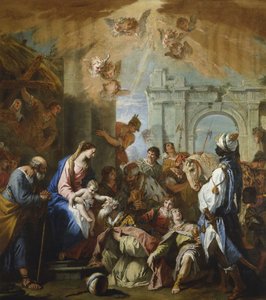
セバスティアーノ・リッチ
1659 - 1734 , イタリア
基本情報
- Artistic Movement Or Style: 後期バロック
- Artists Or Movements Influenced By This Artist: ['マルコ・リッチ']
- Artists Who Influenced This Artist: ['ジョヴァンニ・ジオーソフ・ダル・ソーレ']
- Date Of Birth: 1659年8月1日
- Date Of Death: 1734年5月15日
- Full Name: セバスティアーノ・リッチ
- Nationality: イタリア人
- Notable Artworks (List Of Titles):
- バッカスとアリアドネ
- ヴィーナスのアドニスへの別れ
- Place Of Birth (City And Country): ベッルーノ、イタリア
関連記事
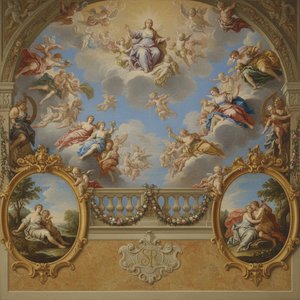
Sebastiano Ricci: Venetian Master of Baroque Illusionism & Rococo Grace
Explore the captivating world of Sebastiano Ricci, a leading Venetian Baroque painter renowned for his luminous frescoes & illusionistic masterpieces. Discover his life, techniques, and lasting influence on art history.

ジャコポ・ティンコレット:至高の25選 – ヴェネツィア巨匠のドラマと光の世界 | ArtsDot
ジャコポ・ティンコレットの至高の25選。ドラマと光の世界を彩るヴェネツィア派巨匠の名画を紐解きます。ルネサンス絵画からバロック絵画まで、ArtsDotで高品質な複製画やインテリアアートを見つけましょう。傑作コレクションをオンラインで探求してください。

バロック美術を極めた至宝:時代を彩る10大名作の世界
バロック美術の華!カラヴァッジョ、ベルニーニら巨匠が創り上げた10大名作を徹底解剖。ドラマチックな色彩と豪華絢爛の世界観に触れ、至宝のアートプリントで空間を彩ろう。ArtsDot.comで美術館品質の複製と洗練されたインテリアを見つけましょう!
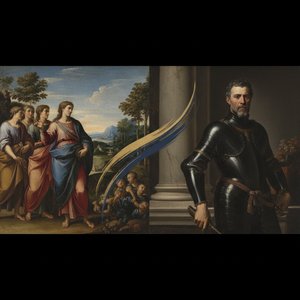
Sebastiano del Piombo: Bridging Venetian Colorism & Roman Grand Manner Portraiture
Explore the captivating art of Sebastiano del Piombo, a Renaissance master bridging Venetian colorism & Roman grandeur. Discover his iconic portraits and lasting influence on art history. Learn more at ArtsDot.
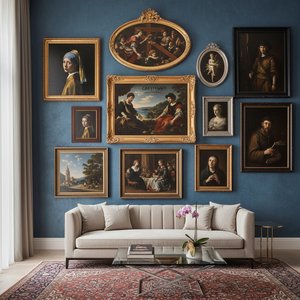
Baroque Painting's Greatest Hits: 10 Masterpieces for Your Home | ArtsDot
Journey through Baroque painting's glory! Explore 10 masterpieces by Caravaggio, Rembrandt & Vermeer. Discover dramatic lighting, rich colors & timeless stories. Find museum-quality art reproductions for your home at ArtsDot.com.