

 プレビュー
プレビュー
 プリントを購入
 シェアする
シェアする シェアする
シェアする
 詳細を見る
詳細を見る

 ダウンロード
 似ている作品
 X線調査
X線調査 スライドショー
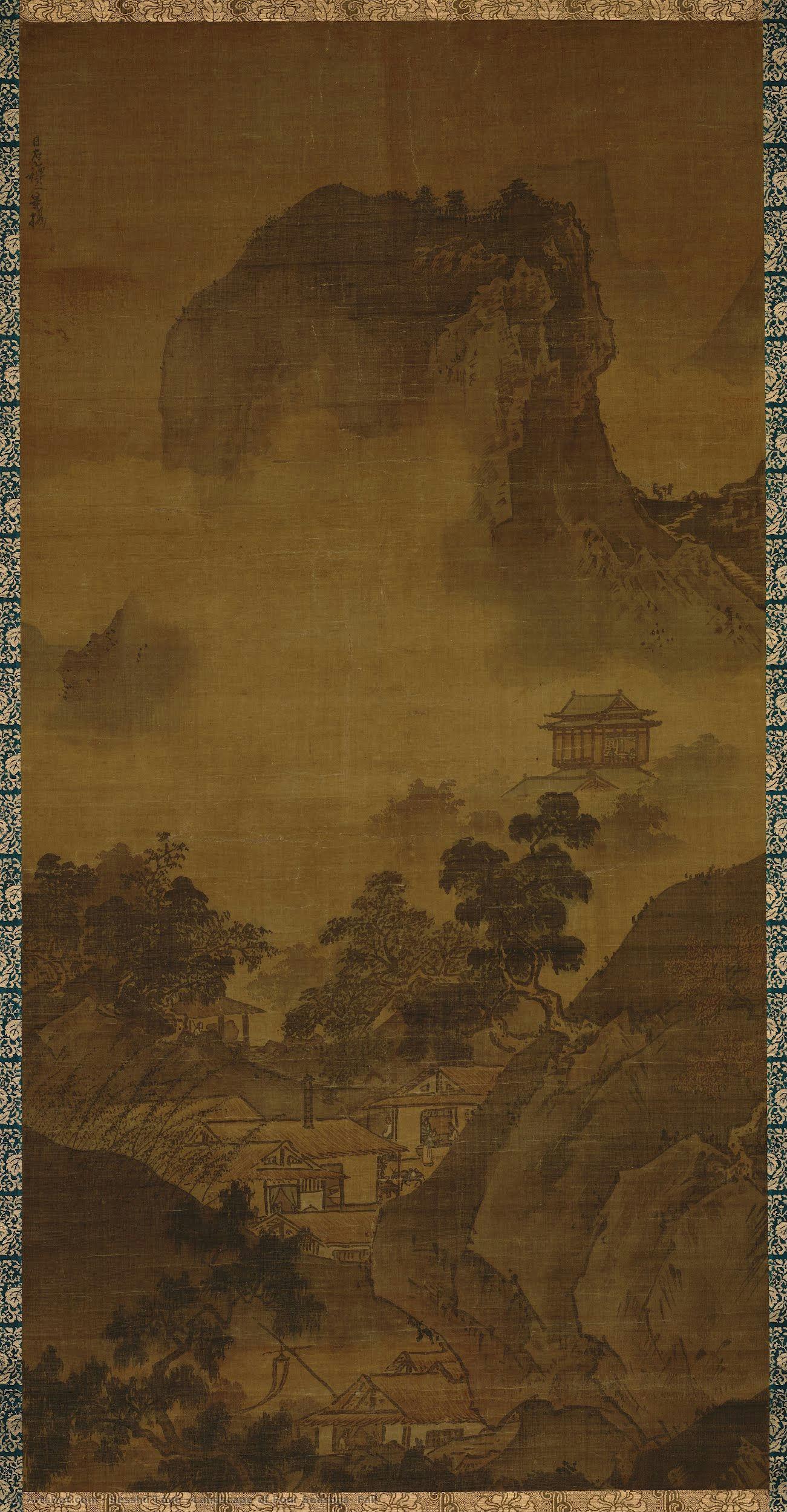
Landscape of Four Seasons: Fall
 1400
1400 75.0 x 149.0 cm
 詳細を見る
詳細を見る




































作品のオリジナル比率に合わせた、当店の規定サイズからお選びください。

特定のフレームやスペースに合わせて、ご希望のサイズをご入力いただけます。選択されたサイズが元の画像の比率と異なる場合、アートワークをトリミングするか、手描きで要素を追加して絵画を拡張いたします。デジタルモックアップ を制作し、制作開始前にご確認(承認)をいただきます。
画面上のプレビューは、実際のトリミングや拡張を正確に反映しているものではありません。最終的な構図は、モックアップによってのみ正確にご確認いただけます。
カスタムサイズもご利用いただけますが、元の比率を維持するためには、あらかじめ用意されたリストからサイズを選択することをお勧めいたします。
ご注文後、ArtsDot.com チームより詳細な指示をお送りするとともに、仕上がりイメージ(モックアップ)をご提供いたします。


 ガラスオプションは、110cm未満のサイズでのみご利用いただけます。

Landscape of Four Seasons: Fall
複製技法
複製画のサイズ
-


合計金額
$ 263
関連作品










アーティストの略歴
The Monk-Painter's Genesis
Born into the prestigious Oda samurai clan around 1420, Sesshū Tōyō’s life began not with the sword, but with the brush and the sutra. His early years in Kyoto were defined by a profound spiritual redirection; rather than following the martial path of his lineage, he sought enlightenment within the walls of Shōkoku-ji temple. This monastic upbringing was far more than a religious retreat; it was the crucible in which his artistic soul was forged. Under the guidance of the esteemed Zen scholar and painter Tenshō Shūbun, Sesshū learned to see the world through the lens of sumi-e, where every stroke of ink carried the weight of spiritual intention. This period of apprenticeship instilled in him a reverence for minimalist aesthetics, teaching him that the most profound truths often reside in the simplest of forms.A Pilgrimage of Vision and Style
The trajectory of Sesshū’s artistry underwent a transformative shift when he ventured beyond the borders of Japan to the heart of China. This pilgrimage allowed him to immerse himself in the grand traditions of Chinese landscape painting, encountering the works of masters like Xing Beng and Zhu Da. He studied their use of bold, sweeping brushstrokes and their ability to capture the ephemeral essence of nature—the mist clinging to a mountain peak or the sudden movement of a bird through the reeds. Yet, Sesshū was no mere imitator. He possessed the rare genius required to synthesize these continental influences with a uniquely Japanese sensibility. By blending the structured dynamism of Chinese compositions with the Zen-inflected tranquility and flattened perspective characteristic of his homeland, he birthed an individualistic style that felt both cosmically vast and intimately serene.The Architecture of Ink and Emptiness
To gaze upon a Sesshū landscape is to witness a dialogue between presence and absence. His mastery of monochrome ink allowed him to manipulate the concept of emptiness—a core tenet of Zen Buddhism—as a physical element within his compositions. Through the use of emphatic lines and varying densities of ink wash, he created atmospheric depth that seemed to breathe with life. Whether depicting the delicate grace of a kingfisher amidst bamboo or the rugged permanence of pine trees against a misty shore, his work captures the transience of existence. His technique often oscillated between the meticulously delineated shin style and the more spontaneous, "splashed ink" hatsuboku method, demonstrating a technical range that could convey both the structural strength of the natural world and its fleeting, ghostly beauty.A Legacy Etched in Monochrome
The historical significance of Sesshū Tōyō cannot be overstated; he remains the definitive master of the Muromachi period. His ability to translate complex theological concepts into visual poetry ensured that his influence would ripple through Japanese art for centuries. Even as styles evolved, the demand for works in his tradition remained a constant, a testament to the enduring power of his vision. Sesshū did not merely paint landscapes; he painted the very soul of the natural world, leaving behind a legacy where every drop of ink serves as a meditation on the unity of all things. His life’s work stands as a monumental achievement, bridging the gap between the earthly and the divine through the simple, profound medium of black ink on paper.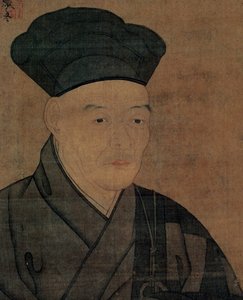
sesshū tōyō
1506 , Japan
基本情報
- Artistic Movement Or Style: Zen Art (Sumi-e)
- Artists Or Movements Influenced By This Artist: ['Chinese Art']
- Artists Who Influenced This Artist: ['Tenshō Shubun']
- Date Of Birth: Around 1420
- Date Of Death: 1506
- Full Name: Sesshū Tōyō
- Nationality: Japanese
- Notable Artworks:
- Winter Landscape
- Birds and Flowers
- Four Landscape Scrolls of the Seasons
- Place Of Birth: Kyoto, Japan

