

 プレビュー
プレビュー
 プリントを購入
 シェアする
シェアする シェアする
シェアする
 詳細を見る
詳細を見る

 ダウンロード
 似ている作品
 X線調査
X線調査 スライドショー
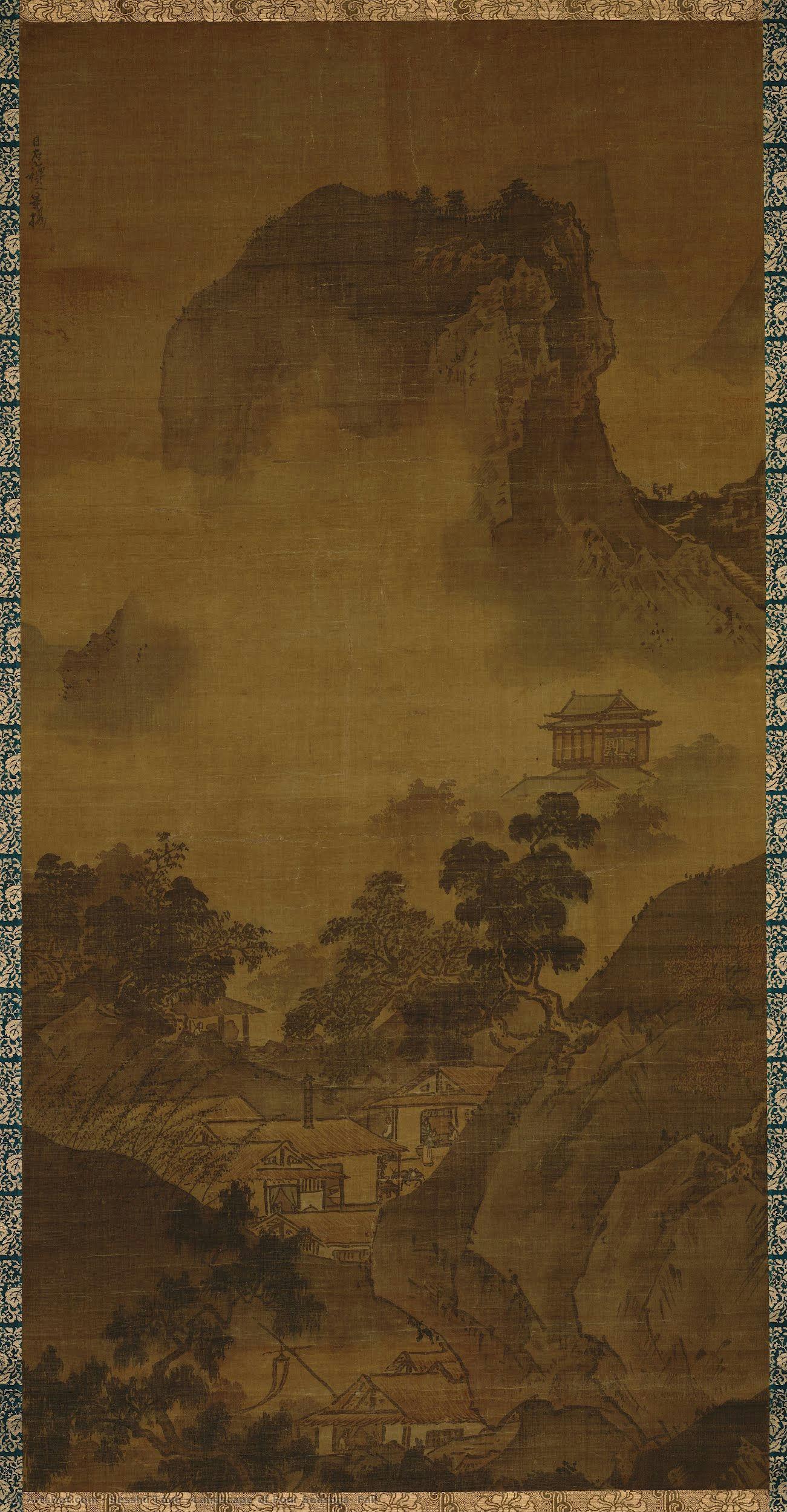
Landscape of Four Seasons: Fall
 1400
1400 75.0 x 149.0 cm
 詳細を見る
詳細を見る
オンラインプレビューをはるかに凌ぐ、高解像度で鮮明なデジタル画像をご購入いただけます。
各ファイルは、社内の専門家が高度なツールと熟練した手作業によるレタッチを用いて、細心の注意を払って準備されています。すべての画像において、卓越した鮮明度、正確な色彩再現性、そして繊細なディテールを保証いたします。
最終ファイルは、プロフェッショナルな編集・印刷環境ですぐにご利用いただけるよう最適化された状態で、72時間以内にメールにてお届けいたします。これは、一流のデザインスタジオ、出版社、ギャラリーから信頼されているものと同等の品質です。
デジタル画像のご注文に付随する特典
高品質なデジタル画像配信を、確かな品質で。
ArtsDot.com を選ぶことは、単に画像を手に入れることではありません。それは、プロの手によって精密に仕上げられ、満足保証が付いた高品質なデジタルアートワークを受け取ることを意味します。ご注文いただいた際に自動的に付随する内容は、以下の通りです:

メールですぐにお届け
ご注文から72時間以内に、高解像度のデジタル画像ファイルがメールでお手元に届きます。すぐにそのままご利用いただけます。

AI技術で最適化されたデジタルファイル
お客様の作品は、高度なAIツールと専門家による手作業の編集を組み合わせてプロフェッショナルに最適化されており、細部のディテール、鮮明さ、そして正確な色再現性を最大限に引き出しています。

一生涯無料の再送サービス
ファイルを誤って削除したり、紛失してしまったりしましたか?ご安心ください。いつでも無料で再送いたします。

輸入手数料は一切かかりません
関税や手数料、配送料を気にすることなく、お気に入りのアートワークをすぐにお楽しみいただけます。デジタルダウンロードは常に免税です。

色彩再現の保証
プロ仕様のツールとカラーマネジメント技術を用いることで、デジタル画像が元の色を最大限に忠実に再現することを保証いたします。

60日間満足保証
ご購入いただいたデジタル画像にご満足いただけない場合は、60日以内であれば、修正または100%の返金(理由を問う必要はありません)をさせていただきます。

100% 返金保証
ご満足いただけない場合は、デジタルファイルを受け取ってから60日以内であれば、理由を問わず全額返金いたします。

まとめ買い割引
3枚購入で10%OFF - 5枚購入で15%OFF - 10枚以上購入で20%OFF。クリエイティブなプロジェクト、ギャラリー、エージェンシーに最適です。
関連作品










作家の略歴
The Monk-Painter's Genesis
Born into the prestigious Oda samurai clan around 1420, Sesshū Tōyō’s life began not with the sword, but with the brush and the sutra. His early years in Kyoto were defined by a profound spiritual redirection; rather than following the martial path of his lineage, he sought enlightenment within the walls of Shōkoku-ji temple. This monastic upbringing was far more than a religious retreat; it was the crucible in which his artistic soul was forged. Under the guidance of the esteemed Zen scholar and painter Tenshō Shūbun, Sesshū learned to see the world through the lens of sumi-e, where every stroke of ink carried the weight of spiritual intention. This period of apprenticeship instilled in him a reverence for minimalist aesthetics, teaching him that the most profound truths often reside in the simplest of forms.A Pilgrimage of Vision and Style
The trajectory of Sesshū’s artistry underwent a transformative shift when he ventured beyond the borders of Japan to the heart of China. This pilgrimage allowed him to immerse himself in the grand traditions of Chinese landscape painting, encountering the works of masters like Xing Beng and Zhu Da. He studied their use of bold, sweeping brushstrokes and their ability to capture the ephemeral essence of nature—the mist clinging to a mountain peak or the sudden movement of a bird through the reeds. Yet, Sesshū was no mere imitator. He possessed the rare genius required to synthesize these continental influences with a uniquely Japanese sensibility. By blending the structured dynamism of Chinese compositions with the Zen-inflected tranquility and flattened perspective characteristic of his homeland, he birthed an individualistic style that felt both cosmically vast and intimately serene.The Architecture of Ink and Emptiness
To gaze upon a Sesshū landscape is to witness a dialogue between presence and absence. His mastery of monochrome ink allowed him to manipulate the concept of emptiness—a core tenet of Zen Buddhism—as a physical element within his compositions. Through the use of emphatic lines and varying densities of ink wash, he created atmospheric depth that seemed to breathe with life. Whether depicting the delicate grace of a kingfisher amidst bamboo or the rugged permanence of pine trees against a misty shore, his work captures the transience of existence. His technique often oscillated between the meticulously delineated shin style and the more spontaneous, "splashed ink" hatsuboku method, demonstrating a technical range that could convey both the structural strength of the natural world and its fleeting, ghostly beauty.A Legacy Etched in Monochrome
The historical significance of Sesshū Tōyō cannot be overstated; he remains the definitive master of the Muromachi period. His ability to translate complex theological concepts into visual poetry ensured that his influence would ripple through Japanese art for centuries. Even as styles evolved, the demand for works in his tradition remained a constant, a testament to the enduring power of his vision. Sesshū did not merely paint landscapes; he painted the very soul of the natural world, leaving behind a legacy where every drop of ink serves as a meditation on the unity of all things. His life’s work stands as a monumental achievement, bridging the gap between the earthly and the divine through the simple, profound medium of black ink on paper.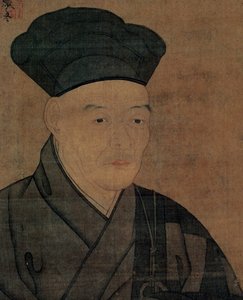
sesshū tōyō
1506 , Japan
プロフィール概要
- Artistic Movement Or Style: Zen Art (Sumi-e)
- Artists Or Movements Influenced By This Artist: ['Chinese Art']
- Artists Who Influenced This Artist: ['Tenshō Shubun']
- Date Of Birth: Around 1420
- Date Of Death: 1506
- Full Name: Sesshū Tōyō
- Nationality: Japanese
- Notable Artworks:
- Winter Landscape
- Birds and Flowers
- Four Landscape Scrolls of the Seasons
- Place Of Birth: Kyoto, Japan

