

 プレビュー
プレビュー
 プリントを購入
 シェアする
シェアする シェアする
シェアする
 詳細を見る
詳細を見る

 ダウンロード
 似ている作品
 X線調査
X線調査 スライドショー
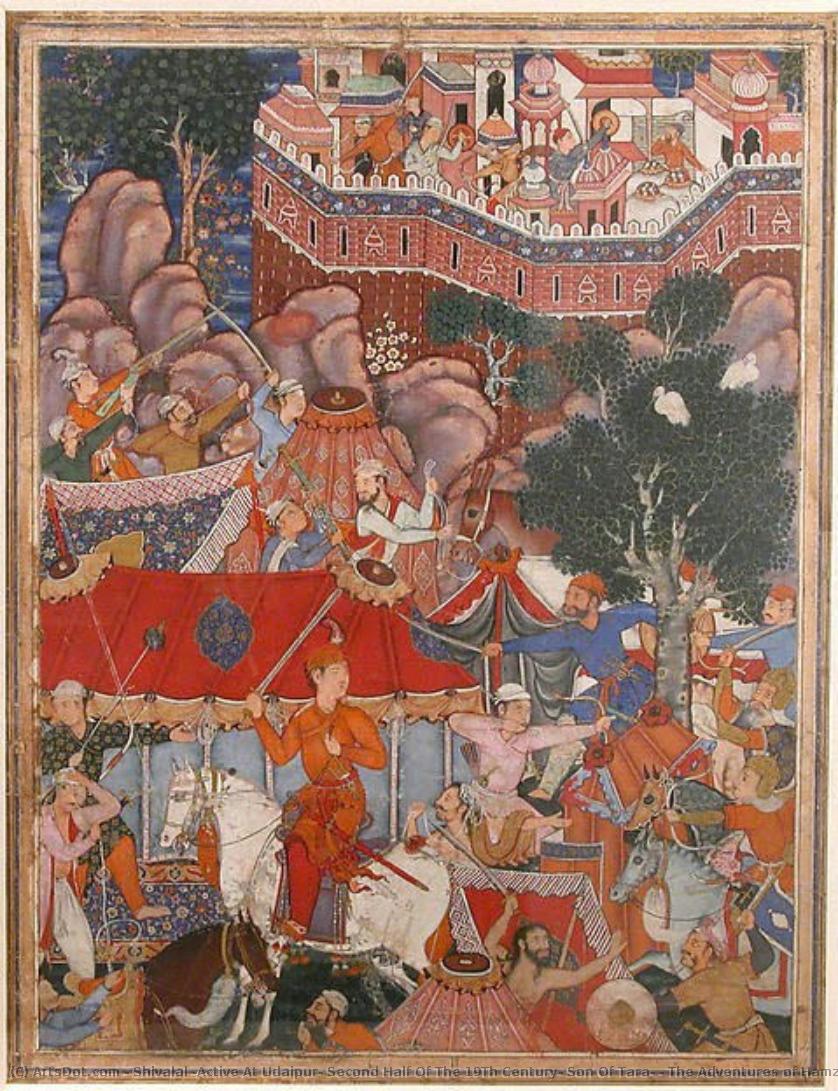
The Adventures of Hamza


 詳細を見る
詳細を見る
オンラインプレビューをはるかに凌ぐ、高解像度で鮮明なデジタル画像をご購入いただけます。
各ファイルは、社内の専門家が高度なツールと熟練した手作業によるレタッチを用いて、細心の注意を払って準備されています。すべての画像において、卓越した鮮明度、正確な色彩再現性、そして繊細なディテールを保証いたします。
最終ファイルは、プロフェッショナルな編集・印刷環境ですぐにご利用いただけるよう最適化された状態で、72時間以内にメールにてお届けいたします。これは、一流のデザインスタジオ、出版社、ギャラリーから信頼されているものと同等の品質です。
デジタル画像のご注文に付随する特典
高品質なデジタル画像配信を、確かな品質で。
ArtsDot.com を選ぶことは、単に画像を手に入れることではありません。それは、プロの手によって精密に仕上げられ、満足保証が付いた高品質なデジタルアートワークを受け取ることを意味します。ご注文いただいた際に自動的に付随する内容は、以下の通りです:

メールですぐにお届け
ご注文から72時間以内に、高解像度のデジタル画像ファイルがメールでお手元に届きます。すぐにそのままご利用いただけます。

AI技術で最適化されたデジタルファイル
お客様の作品は、高度なAIツールと専門家による手作業の編集を組み合わせてプロフェッショナルに最適化されており、細部のディテール、鮮明さ、そして正確な色再現性を最大限に引き出しています。

一生涯無料の再送サービス
ファイルを誤って削除したり、紛失してしまったりしましたか?ご安心ください。いつでも無料で再送いたします。

輸入手数料は一切かかりません
関税や手数料、配送料を気にすることなく、お気に入りのアートワークをすぐにお楽しみいただけます。デジタルダウンロードは常に免税です。

色彩再現の保証
プロ仕様のツールとカラーマネジメント技術を用いることで、デジタル画像が元の色を最大限に忠実に再現することを保証いたします。

60日間満足保証
ご購入いただいたデジタル画像にご満足いただけない場合は、60日以内であれば、修正または100%の返金(理由を問う必要はありません)をさせていただきます。

100% 返金保証
ご満足いただけない場合は、デジタルファイルを受け取ってから60日以内であれば、理由を問わず全額返金いたします。

まとめ買い割引
3枚購入で10%OFF - 5枚購入で15%OFF - 10枚以上購入で20%OFF。クリエイティブなプロジェクト、ギャラリー、エージェンシーに最適です。
作品の詳細
関連作品









作家の略歴
The Enigmatic Brush of Tara’s Son: A Life Dedicated to Miniature Painting
The late 19th century in Udaipur, Rajasthan, was a crucible of artistic tradition, and within this vibrant milieu emerged the painter known simply as the son of Tara. While biographical details remain frustratingly scarce – a common fate for artists working within established court styles – his legacy is etched vividly onto the delicate surfaces of countless miniature paintings. He wasn’t a revolutionary figure seeking to overturn convention; rather, he was a master craftsman who embodied and refined the existing aesthetic principles of the Mewar school, inheriting a lineage stretching back generations. His father, Tara, himself a respected artist, undoubtedly provided the foundational training that allowed his son to flourish. The lack of extensive personal documentation forces us to understand him through his work – a testament to the power of artistic expression to transcend the limitations of historical record. He lived and worked during a period of significant change in India, witnessing the increasing influence of British colonialism, yet his art remained steadfastly rooted in indigenous narratives and visual languages.A Legacy Forged in Tradition: Influences and Early Development
The son of Tara’s artistic development was deeply intertwined with the patronage system prevalent in Udaipur. The Mewar court, though diminished in political power compared to its zenith, continued to commission paintings for religious ceremonies, historical chronicles, and personal enjoyment. These commissions provided a crucial training ground, exposing him to a diverse range of subjects and stylistic demands. Early works reveal a strong adherence to the established conventions of Mewar painting: bold colors, flattened perspectives, intricate detailing, and an emphasis on narrative clarity.- The Bhagavata Purana: A significant portion of his early output focused on illustrating episodes from the *Bhagavata Purana*, a Hindu text recounting the life and deeds of Lord Krishna. These paintings demonstrate his skill in depicting emotive figures, lush landscapes, and dynamic compositions.
- Ragamala Paintings: He also excelled in painting *ragamalas* – visual representations of musical modes or “melodies.” Each *raga* was associated with a specific mood, time of day, and season, which the artist conveyed through symbolic imagery and color palettes.
- Courtly Life: Scenes depicting courtly life – hunting expeditions, royal processions, and intimate moments within the zenana (women’s quarters) – showcase his ability to capture the elegance and refinement of Mewar society.
Mastering the Miniature: Technique and Artistic Characteristics
The son of Tara’s technical prowess was remarkable. Miniature painting demanded an extraordinary level of precision, patience, and skill. He worked primarily on paper, using natural pigments derived from minerals, plants, and precious stones. The process involved meticulously layering colors to create depth and luminosity, often employing techniques like *kajli*, a method of outlining figures with black ink to enhance their definition.- Color Palette: His color palette was typically rich and vibrant, featuring shades of gold, crimson, indigo, emerald green, and ochre. He skillfully balanced these colors to create harmonious compositions that evoked specific moods and emotions.
- Detailed Composition: The intricate detailing in his paintings is particularly noteworthy – the delicate patterns on textiles, the elaborate jewelry adorning figures, and the lush foliage of landscapes all testify to his exceptional craftsmanship.
- Narrative Focus: Despite the small scale of his works, he managed to convey complex narratives with clarity and precision. His paintings are not merely decorative; they tell stories, evoke emotions, and offer insights into the cultural beliefs and values of Mewar society.
Historical Significance: Preserving a Tradition in a Changing World
The son of Tara’s work occupies a crucial position in the history of Mewar painting. He lived during a period when traditional art forms were facing increasing competition from Western artistic styles and mass-produced prints. His dedication to preserving the established conventions of miniature painting – while subtly refining them – helped ensure the survival of this unique artistic tradition.- Patronage Decline: The decline in royal patronage towards the end of the 19th century posed a significant challenge for artists like him. He likely relied on commissions from wealthy merchants and private collectors to sustain his livelihood.
- Cultural Preservation: His paintings serve as invaluable historical documents, providing insights into the religious beliefs, social customs, and artistic tastes of Mewar society during this period.
- Artistic Legacy: Although he did not establish a large workshop or train numerous disciples, his influence can be seen in the work of later Mewar painters who continued to uphold the traditions he embodied. His paintings are now highly sought after by collectors and museums worldwide, testament to their enduring artistic merit.
プロフィール概要
- Artistic Movement Or Style: Rajasthan School
- Artists Or Movements Influenced By This Artist: ['(Unknown)']
- Artists Who Influenced This Artist: ['Tara (Father)']
- Date Of Birth: (Unknown)
- Date Of Death: Living
- Full Name: Shivalal
- Nationality: Indian
- Notable Artworks: ['(Unknown Titles)']
- Place Of Birth: Udaipur, India

