

 プレビュー
プレビュー
 シェアする
シェアする シェアする
シェアする
 詳細を見る
詳細を見る

 ダウンロード
 似ている作品
 X線調査
X線調査 スライドショー
 Stats
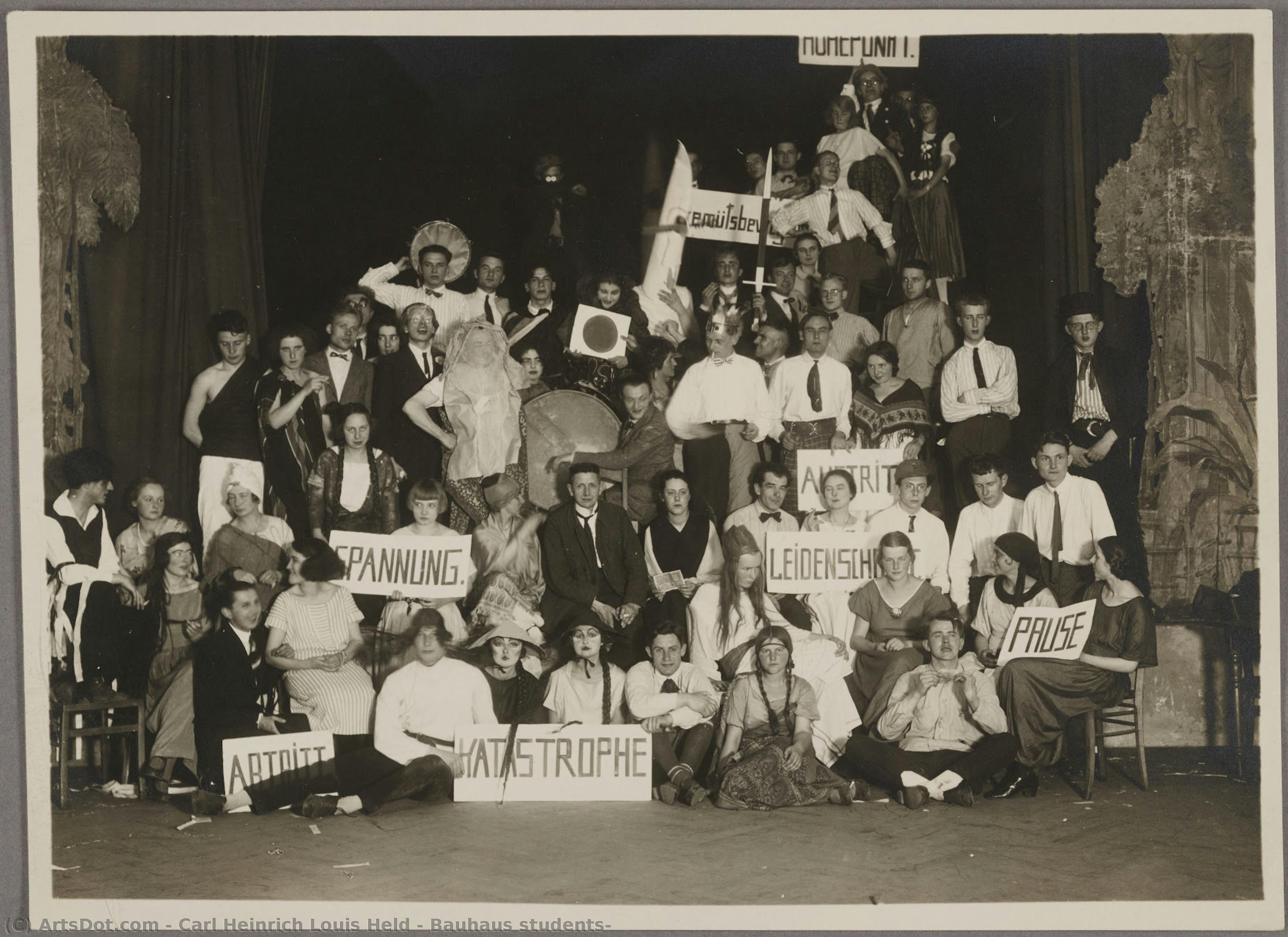
StatsBauhaus students


 詳細を見る
詳細を見る
手描き油彩複製画
当社のアーティストが、お客様のご希望のサイズと額縁に合わせて、キャンバスに手描きで制作する油彩画です。 ( Switch to Print Switch to Digital Image)




































作品のオリジナル比率に合わせた、当店の規定サイズからお選びください。

特定のフレームやスペースに合わせて、ご希望のサイズをご入力いただけます。選択されたサイズが元の画像の比率と異なる場合、アートワークをトリミングするか、手描きで要素を追加して絵画を拡張いたします。デジタルモックアップ を制作し、制作開始前にご確認(承認)をいただきます。
画面上のプレビューは、実際のトリミングや拡張を正確に反映しているものではありません。最終的な構図は、モックアップによってのみ正確にご確認いただけます。
カスタムサイズもご利用いただけますが、元の比率を維持するためには、あらかじめ用意されたリストからサイズを選択することをお勧めいたします。
ご注文後、ArtsDot.com チームより詳細な指示をお送りするとともに、仕上がりイメージ(モックアップ)をご提供いたします。


 ガラスオプションは、110cm未満のサイズでのみご利用いただけます。

Bauhaus students
複製技法
複製画のサイズ
-


合計金額
$ 263
関連作品







アーティストの略歴
Joseph Mallord William Turner: A Pioneer of Light and Emotion
Joseph Mallord William Turner, a name synonymous with Romanticism’s most evocative landscapes, was far more than just a painter; he was a revolutionary who fundamentally altered the course of Western art. Born in London in 1775, his life was one of intense creativity, profound solitude, and a relentless pursuit of capturing the ephemeral beauty of light and atmosphere. Despite initially training as an architectural draftsman – a skill that informed his early topographical studies – Turner quickly abandoned conventional artistic constraints, forging a unique style characterized by vibrant color, dynamic brushwork, and a deeply personal vision of the world. He died in 1851, leaving behind a legacy that continues to inspire awe and debate.
Turner’s formative years were marked by a keen observation of nature and an early exposure to art. His father, a beer dealer, struggled financially, but provided his son with access to London's artistic circles. He began studying at the Royal Academy of Arts in 1789, a relatively young age for entry, and quickly demonstrated prodigious talent. However, he was also a difficult student, often clashing with instructors and exhibiting a rebellious streak that would characterize much of his life. This independent spirit fueled his desire to break free from academic tradition and develop an entirely original approach to painting.
Early influences on Turner’s work were diverse. He admired the Dutch Golden Age painters, particularly Rembrandt and Jacob van Ruysdael, for their masterful use of light and shadow. He also drew inspiration from history paintings, though he quickly moved beyond their formal conventions. Crucially, his travels throughout Europe – beginning in 1802 – profoundly shaped his artistic vision. These journeys exposed him to the dramatic landscapes of Switzerland, Italy, and France, as well as the bustling ports and waterways of England. He meticulously documented these experiences through countless sketches and watercolors, which served as the foundation for many of his most celebrated paintings.
The Development of a Unique Style
Turner’s artistic style evolved dramatically over his long career. Initially, his work reflected a more traditional approach, characterized by detailed renderings of landscapes and architectural subjects. However, starting in the 1830s, he began to experiment with looser brushwork, brighter colors, and increasingly expressive compositions. This shift marked a decisive break from Romanticism’s emphasis on picturesque beauty and ushered in a new era of artistic exploration. His use of color became particularly distinctive – not simply to represent reality but to evoke mood and atmosphere. He often employed complementary colors side-by-side, creating dazzling visual effects that seemed to shimmer and vibrate.
Turner’s mastery of watercolor was unparalleled. He used the medium to capture fleeting moments of light and color with remarkable sensitivity. His watercolors are not merely copies of landscapes but rather interpretations – imbued with his own emotional response to the natural world. He also excelled in oil painting, developing a unique technique that involved layering colors directly onto the canvas, often scraping away at the surface to reveal underlying tones. This process created a sense of depth and movement that was characteristic of his most powerful works.
Major Works and Themes
Turner’s oeuvre is vast and remarkably diverse, encompassing landscapes, seascapes, cityscapes, and portraits. Some of his most celebrated paintings include *The Fighting Temeraire* (1839), a dramatic depiction of a naval warship being towed to its final resting place; *Rain, Steam and Speed – The Great Western Railway* (1844), an iconic image of industrial progress; and *Snow Storm: Hannibal Crossing the Alps* (1812-1815), a turbulent portrayal of a historical event. These works demonstrate his ability to capture not only the visual aspects of his subjects but also their emotional resonance.
Recurring themes in Turner’s work include light, atmosphere, and the sublime—the experience of awe and terror evoked by nature's power. He was fascinated by the effects of weather – particularly storms – and often depicted them with a visceral intensity. His paintings frequently convey a sense of movement and energy, as if capturing the very essence of the natural world. He also explored themes of mortality and transience, reflecting on the fleeting nature of life and the inevitability of decay.
Legacy and Influence
Despite facing criticism during his lifetime for his unconventional style and perceived lack of technical skill, Turner’s reputation steadily grew in the decades following his death. John Ruskin, a prominent art critic, championed his work, declaring him “the greatest that ever lived.” Today, Turner is widely regarded as one of the most important artists in Western history. His influence on subsequent generations of painters – including Impressionists and Abstract Expressionists – is undeniable.
Turner’s legacy extends beyond his individual paintings. He fundamentally changed the way landscape painting was conceived and executed, paving the way for a more subjective and expressive approach to art. His exploration of light, color, and atmosphere continues to inspire artists today, reminding us of the power of art to capture the beauty and mystery of the natural world.

carl heinrich louis held
1851 - 1927 , Germany
基本情報
- Artistic Movement Or Style: Romanticism, Precursor of Impressionism
- Artists Or Movements Influenced By This Artist:
- Impressionism
- Abstract Art
- Artists Who Influenced This Artist:
- Claude Lorrain
- J.M.W. Turner
- Date Of Birth: 23 April 1775
- Date Of Death: 19 December 1851
- Full Name: Joseph Mallord William Turner
- Nationality: English
- Notable Artworks:
- Rain, Steam and Speed – The Great Western Railway
- The Fighting Temeraire
- Snow Storm: Hannibal Crossing the Alps
- Place Of Birth: London, England