

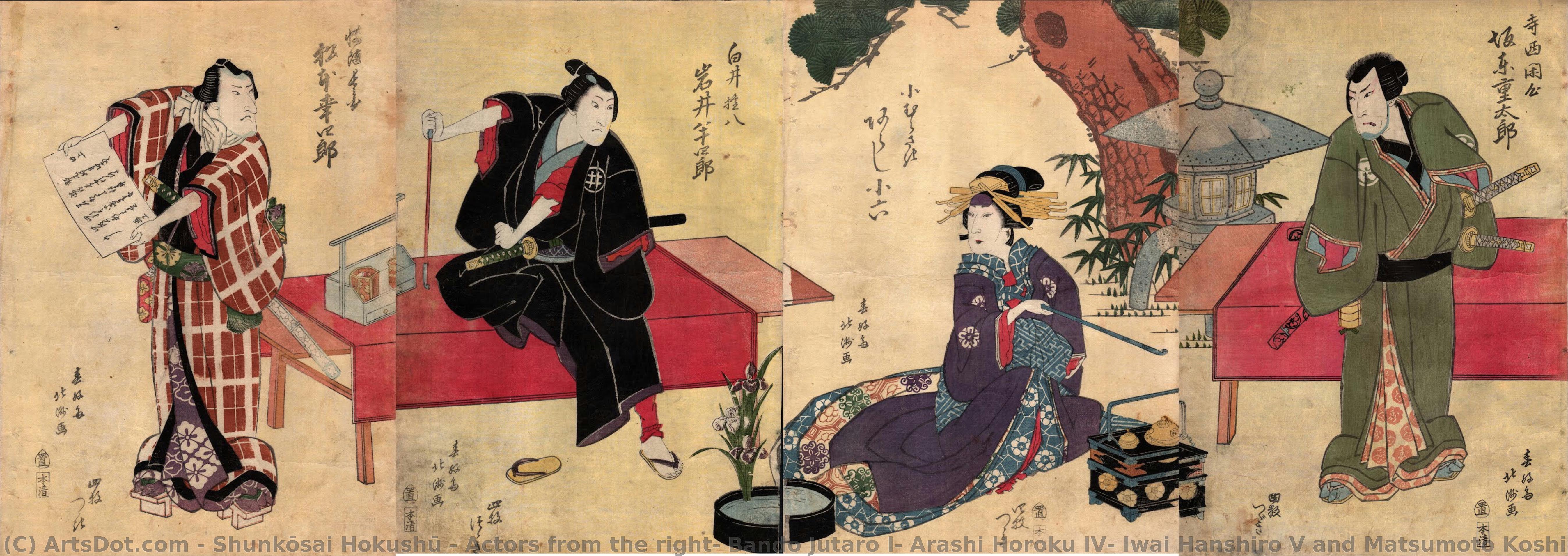
 プレビュー
プレビュー
 プリントを購入
 シェアする
シェアする シェアする
シェアする
 詳細を見る
詳細を見る

 ダウンロード
 似ている作品
 X線調査
X線調査 スライドショー
Actors from the right, Bando Jutaro I, Arashi Horoku IV, Iwai Hanshiro V and Matsumoto Koshiro V
 Woodblock Print
- Ukiyo-e
 1821
1821- 19th Century
 38.0 x 104.0 cm
 Bujalance Collection
 詳細を見る
詳細を見る
オンラインプレビューをはるかに凌ぐ、高解像度で鮮明なデジタル画像をご購入いただけます。
各ファイルは、社内の専門家が高度なツールと熟練した手作業によるレタッチを用いて、細心の注意を払って準備されています。すべての画像において、卓越した鮮明度、正確な色彩再現性、そして繊細なディテールを保証いたします。
最終ファイルは、プロフェッショナルな編集・印刷環境ですぐにご利用いただけるよう最適化された状態で、72時間以内にメールにてお届けいたします。これは、一流のデザインスタジオ、出版社、ギャラリーから信頼されているものと同等の品質です。
デジタル画像のご注文に付随する特典
高品質なデジタル画像配信を、確かな品質で。
ArtsDot.com を選ぶことは、単に画像を手に入れることではありません。それは、プロの手によって精密に仕上げられ、満足保証が付いた高品質なデジタルアートワークを受け取ることを意味します。ご注文いただいた際に自動的に付随する内容は、以下の通りです:

メールですぐにお届け
ご注文から72時間以内に、高解像度のデジタル画像ファイルがメールでお手元に届きます。すぐにそのままご利用いただけます。

AI技術で最適化されたデジタルファイル
お客様の作品は、高度なAIツールと専門家による手作業の編集を組み合わせてプロフェッショナルに最適化されており、細部のディテール、鮮明さ、そして正確な色再現性を最大限に引き出しています。

一生涯無料の再送サービス
ファイルを誤って削除したり、紛失してしまったりしましたか?ご安心ください。いつでも無料で再送いたします。

輸入手数料は一切かかりません
関税や手数料、配送料を気にすることなく、お気に入りのアートワークをすぐにお楽しみいただけます。デジタルダウンロードは常に免税です。

色彩再現の保証
プロ仕様のツールとカラーマネジメント技術を用いることで、デジタル画像が元の色を最大限に忠実に再現することを保証いたします。

60日間満足保証
ご購入いただいたデジタル画像にご満足いただけない場合は、60日以内であれば、修正または100%の返金(理由を問う必要はありません)をさせていただきます。

100% 返金保証
ご満足いただけない場合は、デジタルファイルを受け取ってから60日以内であれば、理由を問わず全額返金いたします。

まとめ買い割引
3枚購入で10%OFF - 5枚購入で15%OFF - 10枚以上購入で20%OFF。クリエイティブなプロジェクト、ギャラリー、エージェンシーに最適です。
関連作品
作家の略歴
Shunkōsai Hokushū: The Osaka Style’s Quiet Maestro
Shunkōsai Hokuchō (春曙斎 北頂), born around 1802 in Osaka, Japan, stands as a fascinating figure within the vibrant tapestry of Edo-period art history. Though overshadowed by contemporaries like Hokusai and Hiroshige—whose flamboyant landscapes captivated audiences—Hokuchō carved out a distinctive niche as a producer of *kabuki* actor prints, establishing what is now known as the Osaka style (*kamigata-e*) and leaving an indelible mark on Japanese visual culture. His legacy resides not in grand spectacle but in meticulous detail and a profound understanding of theatrical performance.- Early Life & Training: Hokuchō’s formative years were spent under the tutelage of Shunkōsai Hambei, a respected Osaka artist who instilled in him foundational skills in woodblock printing and design. While Hambei's influence is undeniable, scholarly debate persists regarding whether Hokuchō also studied with Hokusai himself—a connection that would have undoubtedly broadened his artistic horizons.
- The Osaka Style Emerges: Unlike the Edo-period’s dominant trend of producing prints in Tokyo, Hokuchō remained firmly rooted in Osaka. This geographical location fostered a unique aesthetic sensibility characterized by subdued palettes – predominantly yellows—and an unwavering focus on capturing the essence of *kabuki* actors onstage. The Osaka style prioritized conveying emotion and immediacy rather than striving for idealized representations.
- Collaborations & Patronage: Hokuchō’s artistic endeavors flourished thanks to fruitful collaborations with skilled woodblock carvers like Kasuke, one of Osaka's most celebrated artisans. These partnerships ensured the highest quality prints were produced, reflecting Hokuchō’s commitment to excellence and securing his place within Osaka’s artistic elite.
Notable Works & Artistic Technique
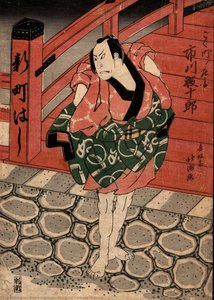
Hokuchō’s oeuvre is relatively modest compared to other prominent artists of his time—approximately 30 prints survive—yet each piece exemplifies the hallmarks of the Osaka style. His prints depict iconic *kabuki* performers, meticulously rendered with remarkable accuracy and sensitivity. Hokuchō skillfully employed a technique known as *tsukuri-e*, which involved carving the woodblock surface in multiple stages to achieve nuanced tonal variations – crucial for conveying the dramatic lighting effects prevalent in *kabuki* theaters. The deliberate use of yellow backgrounds served not merely as decorative element but as a symbolic representation of Osaka’s cultural identity.- Iconic Portraits: Among Hokuchō's most celebrated works are portraits of Ichikawa Ebijūrō I and Nakamura Utaemon II—performances that cemented his reputation for capturing the psychological depth of theatrical actors. These prints demonstrate Hokuchō’s ability to convey emotion through subtle facial expressions and posture.
- Osaka’s Artistic Landscape: Hokuchō's artistic output reflects Osaka’s position as a center of theatrical culture during the early 19th century. Unlike Tokyo-based artists who often catered to aristocratic tastes, Hokuchō focused on producing prints for amateur enthusiasts—a practice that ensured his work resonated deeply with the populace.
Legacy & Historical Significance
Shunkōsai Hokuchō’s contribution to Japanese art history extends beyond merely documenting theatrical performances. He established a distinct artistic tradition (*kamigata-e*) that continues to inspire artists today—a testament to his unwavering dedication to craftsmanship and aesthetic innovation. While Hokuchō may not command the same level of fame as Hokusai or Hiroshige, his quiet mastery of *tsukuri-e* and his profound understanding of theatrical emotion solidified his place as a pivotal figure in Osaka’s artistic heritage. His prints serve as invaluable windows into the cultural landscape of Edo Japan, offering insights into the passions and sensibilities of a bygone era.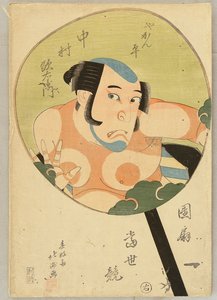
shunkōsai hokushū
1832 , Japan
プロフィール概要
- Artistic Movement Or Style: Kamigata-e
- Artists Or Movements Influenced By This Artist: ['Kabuki']
- Artists Who Influenced This Artist: ['Shōkōsai Hambei']
- Date Of Death: 1832
- Full Name: Shunkōsai Hokushū
- Nationality: Japanese
- Notable Artworks:
- Actor Ichikawa Ebijuro I
- Actor Nakamura Utemon II
- Place Of Birth: Osaka, Japan

