

 プレビュー
プレビュー
 シェアする
シェアする シェアする
シェアする
 詳細を見る
詳細を見る

 ダウンロード
 似ている作品
 X線調査
X線調査 スライドショー
 統計情報
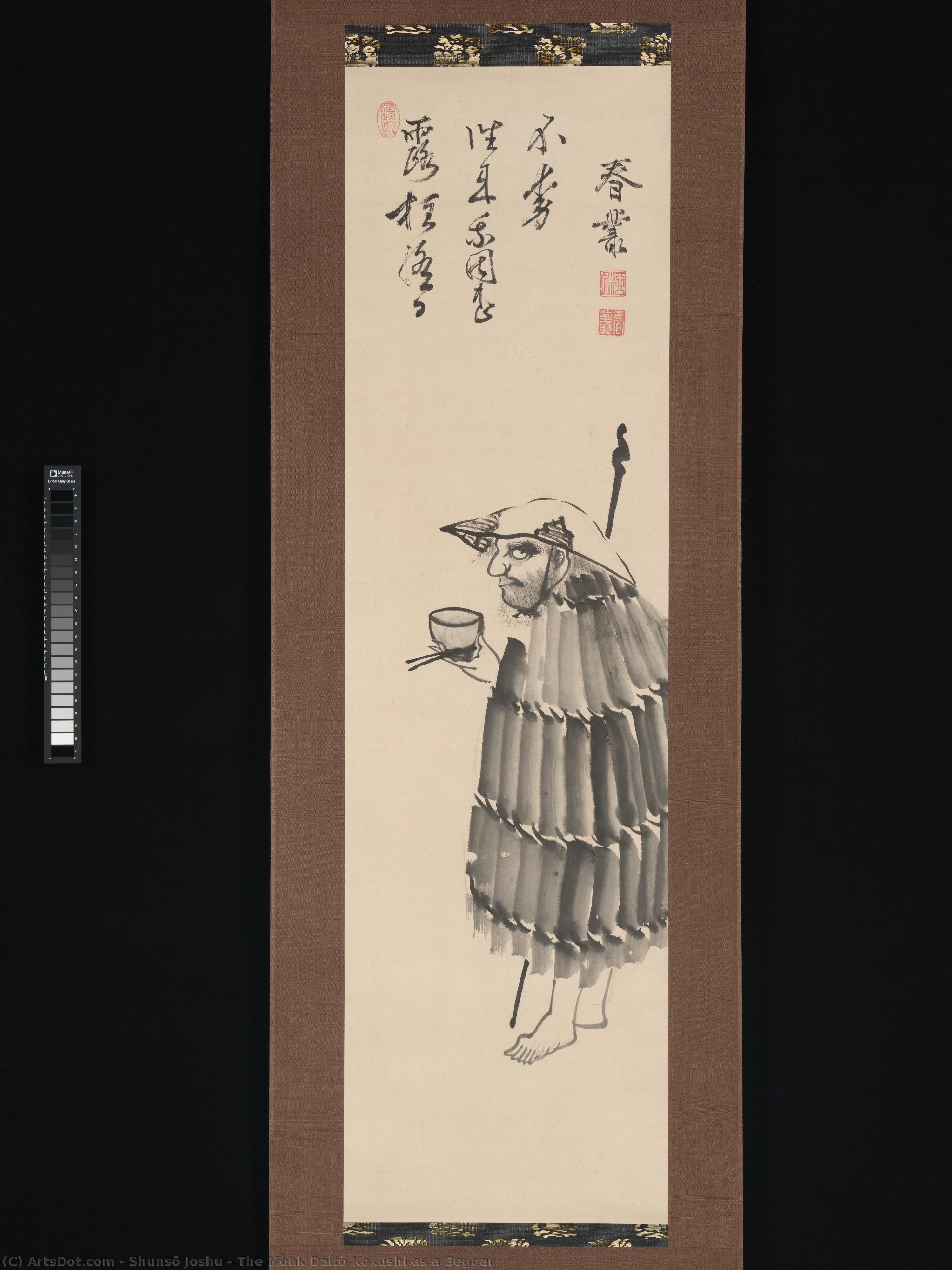
統計情報The Monk Daitō Kokushi as a Beggar
 801
801 99.0cm x 28.0cm
 詳細を見る
詳細を見る
オンラインプレビューをはるかに凌ぐ、高解像度で鮮明なデジタル画像をご購入いただけます。
各ファイルは、社内の専門家が高度なツールと熟練した手作業によるレタッチを用いて、細心の注意を払って準備されています。すべての画像において、卓越した鮮明度、正確な色彩再現性、そして繊細なディテールを保証いたします。
最終ファイルは、プロフェッショナルな編集・印刷環境ですぐにご利用いただけるよう最適化された状態で、72時間以内にメールにてお届けいたします。これは、一流のデザインスタジオ、出版社、ギャラリーから信頼されているものと同等の品質です。
デジタルアート
個人での鑑賞、印刷、クリエイティブなプロジェクト用に、高解像度ファイルをダウンロードできます。 ( プリント版に切り替え 手描きの絵画を購入)
デジタル画像のご注文に付随する特典
高品質なデジタル画像配信を、確かな品質で。
ArtsDot.com を選ぶことは、単に画像を手に入れることではありません。それは、プロの手によって精密に仕上げられ、満足保証が付いた高品質なデジタルアートワークを受け取ることを意味します。ご注文いただいた際に自動的に付随する内容は、以下の通りです:

メールですぐにお届け
ご注文から72時間以内に、高解像度のデジタル画像ファイルがメールでお手元に届きます。すぐにそのままご利用いただけます。

AI技術で最適化されたデジタルファイル
お客様の作品は、高度なAIツールと専門家による手作業の編集を組み合わせてプロフェッショナルに最適化されており、細部のディテール、鮮明さ、そして正確な色再現性を最大限に引き出しています。

一生涯無料の再送サービス
ファイルを誤って削除したり、紛失してしまったりしましたか?ご安心ください。いつでも無料で再送いたします。

輸入手数料は一切かかりません
関税や手数料、配送料を気にすることなく、お気に入りのアートワークをすぐにお楽しみいただけます。デジタルダウンロードは常に免税です。

色彩再現の保証
プロ仕様のツールとカラーマネジメント技術を用いることで、デジタル画像が元の色を最大限に忠実に再現することを保証いたします。

100日間満足保証
ご購入いただいたデジタル画像にご満足いただけない場合は、100日以内であれば、理由を問わず修正または100%の返金対応をさせていただきます。

100% 返金保証
ご満足いただけない場合は、デジタルファイルを受け取ってから100日以内であれば、理由を問わず全額返金いたします。

まとめ買い割引
3枚購入で10%OFF - 5枚購入で15%OFF - 10枚以上購入で20%OFF。クリエイティブなプロジェクト、ギャラリー、エージェンシーに最適です。
関連作品








作家の略歴
The Enigmatic Brush of Shunsō Joshu
Shunsō Joshu remains a figure shrouded in the mists of Japanese art history, an artist whose life details are sparsely documented yet whose work speaks volumes about the transition between traditional and modern aesthetics. Born in Japan (the exact year is currently unknown), Joshu emerged during a period of rapid societal change, as the nation grappled with Westernization while simultaneously striving to preserve its cultural heritage. Unlike many artists who embraced new techniques wholesale, Joshu forged a unique path—one deeply rooted in classical Japanese painting styles, particularly those of the Rinpa school, yet subtly infused with an atmosphere that anticipates the psychological depth of 20th-century art. His surviving works suggest a deliberate and introspective approach, favoring intimate compositions over grand narratives.Early Influences and Artistic Development
The precise details of Joshu’s early training remain elusive. However, scholars believe he received instruction in traditional *sumi-e* (ink wash painting) techniques, mastering the delicate balance between brushstroke, ink density, and empty space—hallmarks of Zen Buddhist aesthetics. The influence of the Rinpa school is undeniable; his use of bold colors, stylized forms, and decorative patterns echoes the work of artists like Ogata Kōrin and Tawaraya Sōtatsu. Yet, Joshu’s palette often leans towards a more subdued tonality, creating an air of melancholy and refinement that distinguishes him from his predecessors. He wasn't merely replicating established styles; he was internalizing them, filtering them through a distinctly personal sensibility. This early period likely involved meticulous study of classical literature and poetry, as evidenced by the frequent inclusion of calligraphic elements in his paintings—often verses that subtly enhance the emotional resonance of the visual imagery.Themes and Techniques: A World of Symbolic Resonance
Joshu’s oeuvre is characterized by a recurring set of motifs: birds and flowers, landscapes imbued with atmospheric perspective, and depictions of everyday objects rendered with exquisite detail. However, these are not simply representational images. They function as vehicles for conveying deeper philosophical ideas—the transience of life (*mono no aware*), the beauty of imperfection (*wabi-sabi*), and the interconnectedness of all things. His technique is marked by a remarkable control of ink wash painting; he could achieve an astonishing range of tonal values with minimal brushwork, creating images that are both ethereal and intensely focused. He frequently employed *tarashikomi*, a technique involving layering washes of ink to create subtle gradations and textures. The use of gold leaf, inherited from the Rinpa tradition, is also prominent in many of his works, adding a touch of opulence and symbolic weight. His landscapes are particularly noteworthy, often depicting misty mountains or secluded gardens—spaces that invite contemplation and evoke a sense of spiritual solitude.Historical Significance and Legacy
While Shunsō Joshu did not achieve widespread recognition during his lifetime, his work has garnered increasing attention in recent decades as scholars reassess the artistic landscape of late 19th-century Japan. He occupies a unique position—bridging the gap between traditional Japanese painting and the burgeoning modern art movements that would emerge in the early 20th century. His subtle yet profound exploration of psychological themes, coupled with his mastery of classical techniques, anticipates the work of artists like Kayahara Yoshio and Uemura Shōen. Though biographical details remain scarce, Joshu’s paintings offer a compelling glimpse into the mind of an artist deeply attuned to the beauty and fragility of existence. His legacy lies not in revolutionary innovation but in a quiet refinement—a testament to the enduring power of tradition and the transformative potential of individual vision.- His work is held in several private collections, primarily within Japan.
- Scholarly research continues to uncover more about his life and artistic connections.
- He represents a crucial link between the Rinpa school and early modern Japanese painting.
プロフィール概要
- Artistic Movement Or Style: Ukiyo-e
- Date Of Death: Living
- Full Name: Shunsō Joshu
- Nationality: Japanese
- Notable Artworks: ['None listed']