

 プレビュー
プレビュー
 プリントを購入
 シェアする
シェアする シェアする
シェアする
 詳細を見る
詳細を見る

 ダウンロード
 似ている作品
 X線調査
X線調査 スライドショー
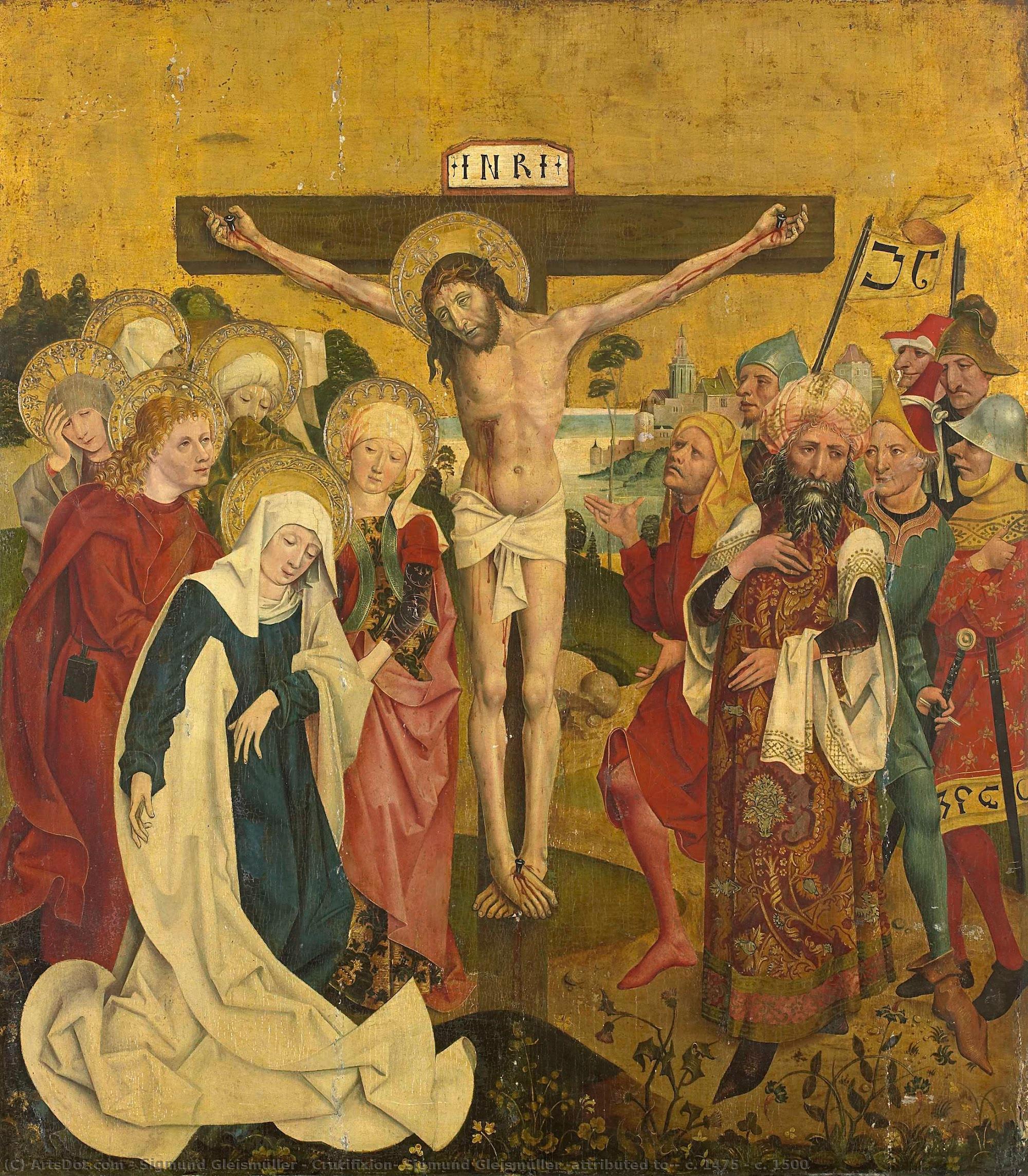
Crucifixion, Sigmund Gleismüller (attributed to), c. 1475 - c. 1500
 Early Renaissance
 1500
1500 124.0 x 108.0 cm
 詳細を見る
詳細を見る
オンラインプレビューをはるかに凌ぐ、高解像度で鮮明なデジタル画像をご購入いただけます。
各ファイルは、社内の専門家が高度なツールと熟練した手作業によるレタッチを用いて、細心の注意を払って準備されています。すべての画像において、卓越した鮮明度、正確な色彩再現性、そして繊細なディテールを保証いたします。
最終ファイルは、プロフェッショナルな編集・印刷環境ですぐにご利用いただけるよう最適化された状態で、72時間以内にメールにてお届けいたします。これは、一流のデザインスタジオ、出版社、ギャラリーから信頼されているものと同等の品質です。
デジタル画像のご注文に付随する特典
高品質なデジタル画像配信を、確かな品質で。
ArtsDot.com を選ぶことは、単に画像を手に入れることではありません。それは、プロの手によって精密に仕上げられ、満足保証が付いた高品質なデジタルアートワークを受け取ることを意味します。ご注文いただいた際に自動的に付随する内容は、以下の通りです:

メールですぐにお届け
ご注文から72時間以内に、高解像度のデジタル画像ファイルがメールでお手元に届きます。すぐにそのままご利用いただけます。

AI技術で最適化されたデジタルファイル
お客様の作品は、高度なAIツールと専門家による手作業の編集を組み合わせてプロフェッショナルに最適化されており、細部のディテール、鮮明さ、そして正確な色再現性を最大限に引き出しています。

一生涯無料の再送サービス
ファイルを誤って削除したり、紛失してしまったりしましたか?ご安心ください。いつでも無料で再送いたします。

輸入手数料は一切かかりません
関税や手数料、配送料を気にすることなく、お気に入りのアートワークをすぐにお楽しみいただけます。デジタルダウンロードは常に免税です。

色彩再現の保証
プロ仕様のツールとカラーマネジメント技術を用いることで、デジタル画像が元の色を最大限に忠実に再現することを保証いたします。

100日間満足保証
ご購入いただいたデジタル画像にご満足いただけない場合は、100日以内であれば、理由を問わず修正または100%の返金対応をさせていただきます。

100% 返金保証
ご満足いただけない場合は、デジタルファイルを受け取ってから100日以内であれば、理由を問わず全額返金いたします。

まとめ買い割引
3枚購入で10%OFF - 5枚購入で15%OFF - 10枚以上購入で20%OFF。クリエイティブなプロジェクト、ギャラリー、エージェンシーに最適です。
関連作品
作家の略歴
The Enigmatic Vision of Sigmund Gleismüller
Sigmund Gleismüller remains a somewhat shadowy figure in the landscape of late 15th-century German art, yet his surviving works—particularly the compelling ‘Crucifixion’ attributed to him—offer a poignant glimpse into the devotional sensibilities and artistic currents of the period. Born sometime around the mid-15th century, Gleismüller's life details are frustratingly sparse; historical records offer little beyond the existence of this talented painter who flourished during a time of significant transition in religious art. He is believed to have been active primarily in Southern Germany, though pinpointing his exact geographical center remains elusive. This lack of biographical certainty only adds to the mystique surrounding his oeuvre, inviting speculation and deeper contemplation of the emotional power embedded within his paintings.A Master of Late Gothic Devotion
Gleismüller’s artistic style is firmly rooted in the late Gothic tradition, characterized by its emphasis on detailed realism, vibrant color palettes, and a profound sense of religious fervor. However, he wasn't merely a replicator of established forms; within this framework, Gleismüller demonstrated a unique ability to convey raw emotion and psychological depth. His figures are not simply representations of biblical characters but rather intensely human portrayals grappling with faith, suffering, and redemption. The ‘Crucifixion,’ his most well-known work, exemplifies this perfectly. The composition is dynamic, the scene filled with a palpable sense of grief and anguish. Christ’s body, rendered with meticulous anatomical accuracy, hangs heavy on the cross, while surrounding figures—Mary Magdalene, John the Evangelist, and other mourners—express their sorrow through expressive gestures and deeply etched facial features.Influences and Artistic Development
Tracing Gleismüller’s influences is a complex undertaking given the limited scope of his known works. Scholars suggest connections to the broader artistic milieu of Upper Rhine painting, particularly the influence of artists like Hans Holbein the Elder and Martin Schongauer. The meticulous detail in his work echoes the Northern Renaissance masters' preoccupation with realism, while the emotional intensity aligns with the devotional fervor prevalent in Southern German art of the period. It’s likely that Gleismüller benefited from a workshop environment, absorbing techniques and stylistic elements from various sources before forging his own distinctive voice. His development appears to have focused on refining his ability to depict human anatomy and emotion, moving beyond purely decorative or symbolic representations towards a more psychologically nuanced approach.The ‘Crucifixion’ and Lasting Significance
The attributed ‘Crucifixion,’ dating from approximately 1475-1500, stands as Gleismüller's most significant surviving achievement. This altarpiece is not merely a depiction of a biblical event; it’s an immersive experience designed to evoke empathy and spiritual contemplation in the viewer. The painting’s power lies in its ability to convey both the physical suffering of Christ and the profound emotional impact of his sacrifice on those who witnessed it. The use of color is particularly striking, with rich reds, blues, and golds creating a visually arresting composition that draws the eye and amplifies the scene's dramatic intensity. The work’s historical significance lies in its representation of a pivotal moment in religious art—the transition from the stylized forms of the Gothic period to the more naturalistic depictions of the Renaissance. While Gleismüller may not be as widely recognized as some of his contemporaries, his ‘Crucifixion’ serves as a testament to his skill and artistic vision, offering a compelling glimpse into the devotional world of late medieval Germany. It is a work that continues to resonate with viewers today, reminding us of the enduring power of faith, suffering, and redemption.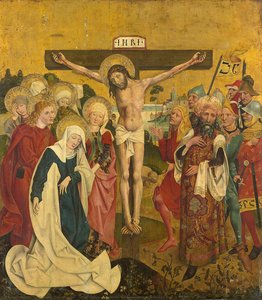
プロフィール概要
- Artistic Movement Or Style: Renaissance
- Date Of Death: Living
- Full Name: Sigmund Gleismüller
- Notable Artworks: ['Crucifixion (attributed)']