

 プレビュー
プレビュー
 プリントを購入
 シェアする
シェアする シェアする
シェアする
 詳細を見る
詳細を見る

 ダウンロード
 似ている作品
 X線調査
X線調査 スライドショー
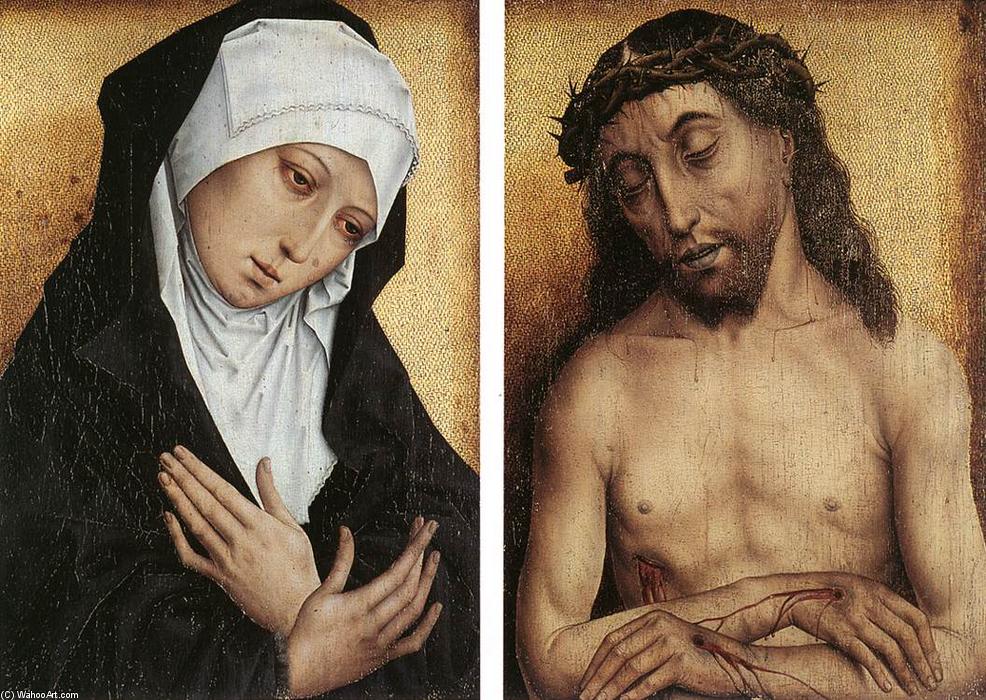
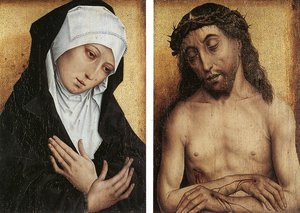
Virgin and the Man of Sorrow
 Oil On Panel
- Early Netherlandish Painting
 1480
1480 44.0 x 30.0 cm
 Groeninge Museum
 詳細を見る
詳細を見る
オンラインプレビューをはるかに凌ぐ、高解像度で鮮明なデジタル画像をご購入いただけます。
各ファイルは、社内の専門家が高度なツールと熟練した手作業によるレタッチを用いて、細心の注意を払って準備されています。すべての画像において、卓越した鮮明度、正確な色彩再現性、そして繊細なディテールを保証いたします。
最終ファイルは、プロフェッショナルな編集・印刷環境ですぐにご利用いただけるよう最適化された状態で、72時間以内にメールにてお届けいたします。これは、一流のデザインスタジオ、出版社、ギャラリーから信頼されているものと同等の品質です。
デジタル画像のご注文に付随する特典
高品質なデジタル画像配信を、確かな品質で。
ArtsDot.com を選ぶことは、単に画像を手に入れることではありません。それは、プロの手によって精密に仕上げられ、満足保証が付いた高品質なデジタルアートワークを受け取ることを意味します。ご注文いただいた際に自動的に付随する内容は、以下の通りです:

メールですぐにお届け
ご注文から72時間以内に、高解像度のデジタル画像ファイルがメールでお手元に届きます。すぐにそのままご利用いただけます。

AI技術で最適化されたデジタルファイル
お客様の作品は、高度なAIツールと専門家による手作業の編集を組み合わせてプロフェッショナルに最適化されており、細部のディテール、鮮明さ、そして正確な色再現性を最大限に引き出しています。

一生涯無料の再送サービス
ファイルを誤って削除したり、紛失してしまったりしましたか?ご安心ください。いつでも無料で再送いたします。

輸入手数料は一切かかりません
関税や手数料、配送料を気にすることなく、お気に入りのアートワークをすぐにお楽しみいただけます。デジタルダウンロードは常に免税です。

色彩再現の保証
プロ仕様のツールとカラーマネジメント技術を用いることで、デジタル画像が元の色を最大限に忠実に再現することを保証いたします。

60日間満足保証
ご購入いただいたデジタル画像にご満足いただけない場合は、60日以内であれば、修正または100%の返金(理由を問う必要はありません)をさせていただきます。

100% 返金保証
ご満足いただけない場合は、デジタルファイルを受け取ってから60日以内であれば、理由を問わず全額返金いたします。

まとめ買い割引
3枚購入で10%OFF - 5枚購入で15%OFF - 10枚以上購入で20%OFF。クリエイティブなプロジェクト、ギャラリー、エージェンシーに最適です。
作品の詳細
A Glimpse into Sorrowful Grace: Simon Marmion’s “Virgin and the Man of Sorrow”
Simon Marmion's "Virgin and the Man of Sorrow," painted around 1480, is more than just a depiction of biblical figures; it’s a profound meditation on suffering, faith, and the intimate connection between Mary and her son. Housed within the Groeninge Museum in Bruges, Belgium, this diptych offers a poignant window into the artistic sensibilities of late medieval Northern Europe – a period marked by both fervent religious devotion and burgeoning humanist thought. The painting immediately draws the eye with its somber palette dominated by deep blues, browns, and golds, creating an atmosphere of solemn reverence that mirrors the gravity of the subject matter.
The composition itself is carefully orchestrated to evoke a sense of shared grief. On the left panel, Mary is presented as a figure of serene sorrow, her dark robe and white headscarf emphasizing her role as the Mother of God. Her hands rest gently on her chest, a gesture of quiet contemplation and acceptance. Juxtaposed against this image is Jesus Christ, depicted with the unmistakable iconography of his Passion – a crown of thorns piercing his brow, blood staining his wrists, and a gaze directed downwards, suggesting both vulnerability and profound suffering. The golden background, subtly applied, serves not as a symbol of divine glory but rather as an accentuating element, highlighting the figures’ anguish and drawing attention to their shared sorrow.
The Techniques of a Master: Marmion's Northern Renaissance Style
Marmion’s skill lies in his masterful blending of French and Flemish artistic traditions. He was influenced by both the meticulous detail favored by Flemish artists and the expressive dynamism characteristic of French painting. The use of oil on panel allows for rich, luminous colors and subtle gradations of tone – a departure from the more restrained techniques of earlier Gothic art. Notice the delicate rendering of Mary’s drapery, the intricate details of the thorns in Christ's crown, and the realistic portrayal of his wounds. Marmion demonstrates an exceptional understanding of perspective and anatomy, creating figures that possess both emotional depth and physical presence.
Furthermore, the painting showcases a remarkable attention to detail in its background – a stylized landscape rendered with a restrained palette, yet imbued with a sense of quiet dignity. This careful attention to detail reflects Marmion’s commitment to realism, while simultaneously conveying a deeper spiritual message. The overall effect is one of both beauty and sorrow, inviting viewers to contemplate the profound mysteries of faith and suffering.
Symbolism and Spiritual Resonance: Echoes of the Devotio Moderna
“Virgin and the Man of Sorrow” resonates deeply within the context of the late medieval religious movement known as the *Devotio Moderna* (Modern Devotion). This movement, which emerged in the 15th century, emphasized personal piety, emotional engagement with scripture, and a focus on the suffering of Christ. The image directly reflects this devotional trend, portraying Mary not merely as a passive witness to her son’s death but as an active participant in his sorrow – sharing his pain and offering him solace. The very title, “Man of Sorrows,” underscores this central theme.
The inclusion of the instruments of Christ—the crown of thorns, the nails, the spear—further reinforces the painting’s symbolic weight. These objects are not merely decorative elements; they represent the tangible reality of Jesus's suffering and serve as a reminder of his sacrifice for humanity. The image also subtly alludes to the concept of *Dolorosa*, or “Mother of Sorrows,” a title that has been associated with Mary since the Middle Ages, recognizing her unique role as the witness to Christ’s Passion.
A Legacy of Grief and Grace: Marmion's Enduring Influence
Simon Marmion’s "Virgin and the Man of Sorrow" stands as a testament to the power of art to evoke profound emotions and convey complex theological ideas. Its enduring appeal lies in its ability to capture the essence of human suffering while simultaneously offering a glimpse of divine grace. Reproductions of this masterpiece continue to inspire contemplation and reverence, reminding us of the timeless themes of faith, sorrow, and redemption. The painting’s meticulous detail, combined with its emotional depth, makes it a truly exceptional work of art – a poignant reminder of the enduring legacy of Simon Marmion and his contribution to the artistic landscape of Northern Europe.
関連作品

作家の略歴
The Prince of Illuminators: The Radiant Legacy of Simon Marmion
In the golden twilight of the Middle Ages, a period where the flickering candlelight of monastic scriptoriums met the burgeoning splendor of the Burgundian court, there emerged an artist of unparalleled delicacy and prestige. Simon Marmion, a master whose brush breathed life into the parchment of history, earned the reverent title of "the prince of illuminators." Born in Amiens around 1425, Marmion was a product of a rich artistic lineage, raised in an environment where the craft of painting was woven into the very fabric of family life. With his father, Jean, and his brother, Mille, also practicing the arts, Marmion’s early development was steeped in the technical rigors of the French and Netherlandish traditions.
His career was inextricably linked to the heights of political power and the opulent tastes of the Duchy of Burgundy. As the Burgundian territories expanded in influence, so too did Marmion's reputation. His presence at the legendary Feast of the Pheasant in Lille, under the patronage of Philip the Good, signaled his ascent into the inner circles of European nobility. This was an era of profound cultural synthesis, and Marmion stood at the crossroads of two worlds. While his roots lay in the French tradition, his work increasingly embraced the innovative Flemish spirit, characterized by a burgeoning interest in atmospheric landscapes and complex compositions that would define the Early Netherlandish style.
A Master of Light and Miniature
Marmion’s true genius resided in the intimate scale of the illuminated manuscript. To look upon his miniatures is to witness a world captured in jewel-like precision. He possessed an extraordinary ability to manipulate color and light, creating scenes that felt both spiritually transcendent and tangibly real. His work on the Grandes Chroniques de France remains a pinnacle of his achievement; within its pages, one finds a breathtaking array of miniatures ranging from vibrant, sweeping battle scenes to experimental works executed in a subtle, near-grisaille technique. This versatility allowed him to navigate between the grandiosity required for royal chronicles and the quiet, contemplative stillness needed for devotional texts.
Beyond the borders of manuscripts, Marmion’s hand extended to larger altarpieces and portraits, showcasing a stylistic evolution that bridged the gap between medieval symbolism and Renaissance naturalism. While some critics have noted a certain stiffness in his figures or occasional awkwardness in proportion, these elements often contribute to the unique, rhythmic grace of his compositions. His technical command of perspective was remarkably sound for his era, providing a structural depth that allowed his landscapes to breathe, even within the confines of a small panel. This mastery of space and atmosphere helped pave the way for the more robust realism seen in later Netherlandish masters.
Enduring Influence and Historical Significance
The historical footprint of Simon Marmion is visible across the great museums of the world, from the Gemäldegalerie in Berlin to the Metropolitan Museum of Art in New York. His ability to serve the most powerful patrons of his time—including Charles the Bold and Margaret of York—ensured that his aesthetic would influence the visual language of the Burgundian court for generations. Even after his death in 1489, his legacy continued through his pupils, such as Jan Provoost, who carried forward the traditions Marmion had refined.
Marmion’s significance lies not merely in the beauty of his creations, but in his role as a cultural bridge. He captured a moment of profound transition in European art:
- The Synthesis of Styles: He successfully merged the decorative elegance of French illumination with the observational realism of the Flemish school.
- Patronage and Prestige: His work served as the visual propaganda for the most influential ducal houses in Europe, elevating the status of the artist from craftsman to courtly essentialist.
- Technical Innovation: Through his use of varied media—from brilliant pigments to delicate grisaille—he expanded the expressive potential of the miniature format.
simon marmion
1425 - 1489 , France
プロフィール概要
- Artistic Movement Or Style: Early Netherlandish
- Date Of Birth: 1425
- Date Of Death: 1489
- Full Name: Simon Marmion
- Nationality: French/Burgundian
- Notable Artworks:
- Grandes Chroniques de France
- Altarpiece of St Bertin
- Mass of Saint Gregory
- Lamentation of Christ
- Place Of Birth: Amiens, France

