

 プレビュー
プレビュー
 シェアする
シェアする シェアする
シェアする
 詳細を見る
詳細を見る

 ダウンロード
 似ている作品
 X線調査
X線調査 スライドショー
 Stats
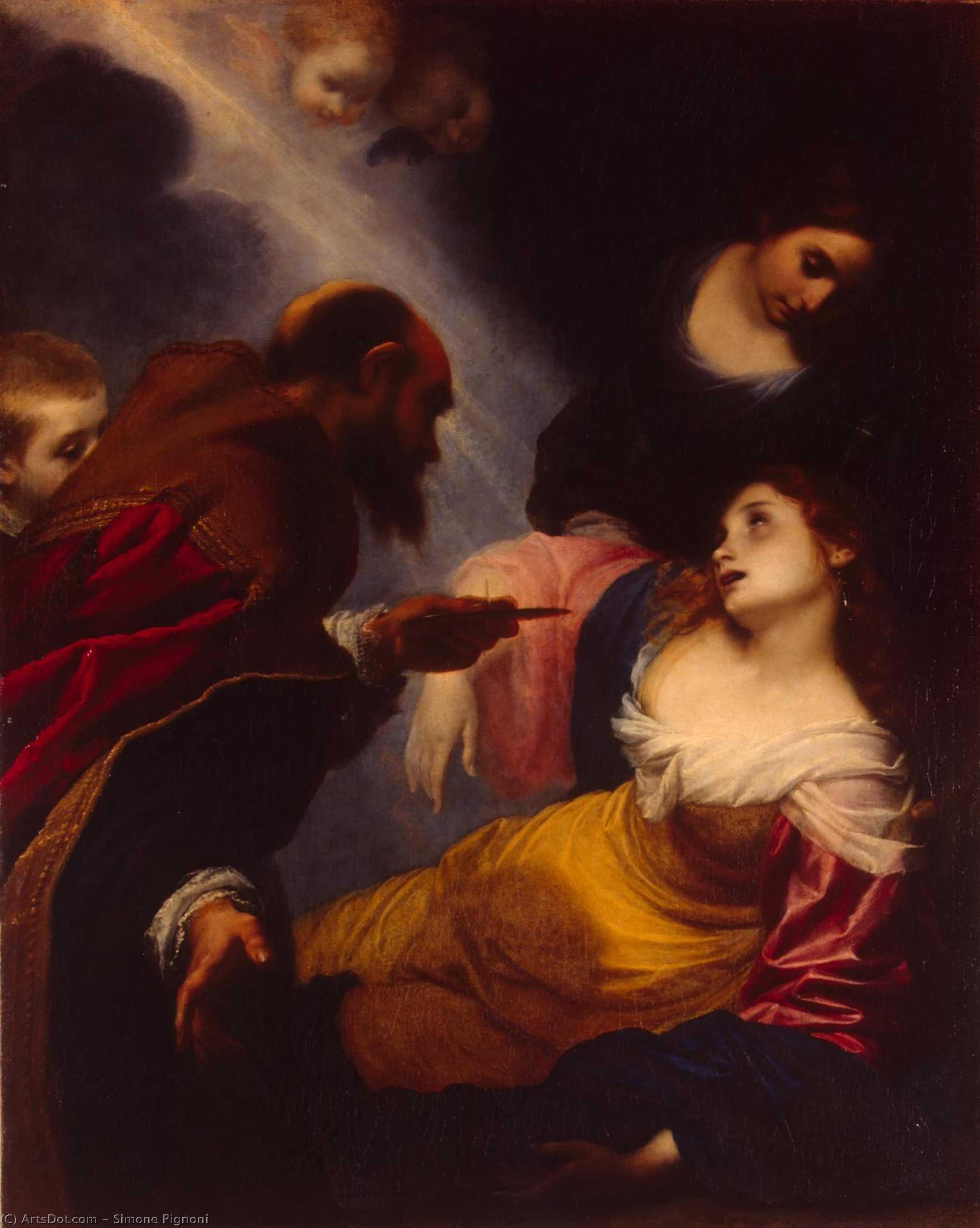
StatsDeath of St Petronilla
 Acrylic On Canvas
- WallArt
- Baroque
 141.0 x 114.0 cm
 エルミタージュ美術館
 詳細を見る
詳細を見る
オンラインプレビューをはるかに凌ぐ、高解像度で鮮明なデジタル画像をご購入いただけます。
各ファイルは、社内の専門家が高度なツールと熟練した手作業によるレタッチを用いて、細心の注意を払って準備されています。すべての画像において、卓越した鮮明度、正確な色彩再現性、そして繊細なディテールを保証いたします。
最終ファイルは、プロフェッショナルな編集・印刷環境ですぐにご利用いただけるよう最適化された状態で、72時間以内にメールにてお届けいたします。これは、一流のデザインスタジオ、出版社、ギャラリーから信頼されているものと同等の品質です。
デジタルアート
個人での鑑賞、印刷、クリエイティブなプロジェクト用に、高解像度ファイルをダウンロードできます。 ( Switch to Print 手描きの絵画を購入)
デジタル画像のご注文に付随する特典
高品質なデジタル画像配信を、確かな品質で。
ArtsDot.com を選ぶことは、単に画像を手に入れることではありません。それは、プロの手によって精密に仕上げられ、満足保証が付いた高品質なデジタルアートワークを受け取ることを意味します。ご注文いただいた際に自動的に付随する内容は、以下の通りです:

メールですぐにお届け
ご注文から72時間以内に、高解像度のデジタル画像ファイルがメールでお手元に届きます。すぐにそのままご利用いただけます。

AI技術で最適化されたデジタルファイル
お客様の作品は、高度なAIツールと専門家による手作業の編集を組み合わせてプロフェッショナルに最適化されており、細部のディテール、鮮明さ、そして正確な色再現性を最大限に引き出しています。

一生涯無料の再送サービス
ファイルを誤って削除したり、紛失してしまったりしましたか?ご安心ください。いつでも無料で再送いたします。

輸入手数料は一切かかりません
関税や手数料、配送料を気にすることなく、お気に入りのアートワークをすぐにお楽しみいただけます。デジタルダウンロードは常に免税です。

色彩再現の保証
プロ仕様のツールとカラーマネジメント技術を用いることで、デジタル画像が元の色を最大限に忠実に再現することを保証いたします。

100日間満足保証
ご購入いただいたデジタル画像にご満足いただけない場合は、100日以内であれば、理由を問わず修正または100%の返金対応をさせていただきます。

100% 返金保証
ご満足いただけない場合は、デジタルファイルを受け取ってから100日以内であれば、理由を問わず全額返金いたします。

まとめ買い割引
3枚購入で10%OFF - 5枚購入で15%OFF - 10枚以上購入で20%OFF。クリエイティブなプロジェクト、ギャラリー、エージェンシーに最適です。
A Descent into Morbidity: Unveiling Simone Pignoni’s “Death of St. Petronilla”
Simone Pignoni's "Death of St. Petronilla" isn’t merely a painting; it’s an immersion into the shadowed heart of the Florentine Baroque, a visceral exploration of mortality and the unsettling beauty found within decay. Completed around 1623, this altarpiece, now meticulously reproduced by ArtsDot.com, transcends its religious subject matter to become a profound meditation on human vulnerability and the inevitability of loss. The scene unfolds with arresting immediacy – a woman, identified as St. Petronilla, lies prone, her body rendered with an anatomical precision that borders on unsettling realism, while a man gestures towards the heavens, seemingly offering solace or perhaps judgment. Angels hover above, their presence both comforting and profoundly mournful, creating a tableau of exquisite sorrow.
Pignoni’s genius lies not in idealized beauty but in his ability to capture the raw, unvarnished truth of death. The composition is deliberately unbalanced, drawing the eye relentlessly towards the central figure – St. Petronilla herself. Her face, though partially obscured, conveys a sense of profound resignation, while her limbs are arranged with a deliberate disregard for conventional grace. This isn’t a heroic martyrdom; it's an intimate portrait of suffering, imbued with a palpable sense of vulnerability. The muted palette—dominated by earthy browns, deep reds, and somber blues—further reinforces the painting’s melancholic mood, evoking the stillness of a tomb.
The Shadowy World of Furini and Pignoni
To understand Pignoni's distinctive style, one must delve into his artistic lineage. He apprenticed under Domenico Passignano, a master of academic painting, but ultimately found himself drawn to the more sensual and emotionally charged work of Francesco Furini. Furini’s fascination with female nudes, often depicted with an almost obsessive intensity, profoundly influenced Pignoni's approach. This obsession isn’t simply aesthetic; it reflects a broader preoccupation with mortality and decay – themes that permeate much of his oeuvre. The self-portrait Pignoni created around 1650—a haunting depiction of the artist constructing a female figure from skeletal remains—is a testament to this morbid sensibility, offering a chilling glimpse into the artist’s own creative process.
Pignoni's work stands apart due to his willingness to explore darker psychological depths. Unlike many of his contemporaries who adhered to strict academic conventions, he embraced a style characterized by anatomical precision and unsettling psychological depth. This is particularly evident in "Death of St. Petronilla," where the painting’s emotional impact stems not just from its subject matter but also from Pignoni's masterful manipulation of light, shadow, and form. The figures are rendered with an almost sculptural quality, their bodies imbued with a sense of weight and presence.
Symbolism and Historical Context
The painting’s symbolism is layered and complex. St. Petronilla herself represents the ultimate sacrifice – her death a testament to her unwavering faith. The angels hovering above offer both comfort and judgment, suggesting that salvation comes through devotion but also demands accountability. The child standing beside the man pointing towards heaven adds another layer of meaning, representing innocence and the promise of eternal life. The painting was originally commissioned for a chapel in St. Peter’s Basilica in Rome, underscoring its religious significance. However, it's important to note that the historical context surrounding St. Petronilla is shrouded in some mystery; her story has evolved over centuries, blending elements of legend and fact.
Research into the painting reveals a fascinating connection to Guercino’s “The Burial of St. Petronilla,” another significant work depicting the saint's death. While differing in style and execution, both paintings share a similar focus on the emotional intensity of the scene and the depiction of St. Petronilla’s final moments. The WGA link provides valuable insight into Guercino’s interpretation of the same subject matter, highlighting the enduring appeal of this poignant narrative.
Bringing Pignoni's Vision to Life: Reproductions by ArtsDot
ArtsDot.com is proud to offer meticulously crafted reproductions of Simone Pignoni’s “Death of St. Petronilla,” ensuring that this powerful and evocative artwork can be enjoyed in homes and galleries worldwide. Utilizing state-of-the-art digital printing technology, these reproductions capture the painting's rich colors, intricate details, and atmospheric depth with remarkable accuracy. Whether you are an art enthusiast, a collector seeking to expand your collection, or simply someone drawn to the beauty of Baroque art, a ArtsDot reproduction offers a stunning way to experience the enduring legacy of Simone Pignoni.
関連作品

作家の略歴
Simone Pignoni: A Morbid Sensuality Embodied in Baroque Florence
Simone Pignoni (1611-1698) stands as a singular figure within the Florentine Baroque, an artist whose oeuvre possesses a distinctive blend of anatomical precision and unsettling psychological depth. Unlike many of his contemporaries who adhered to stricter academic conventions championed by Domenico Passignano, Pignoni cultivated a style profoundly influenced by Francesco Furini—a fascination with the female nude that bordered on obsession and imbued his canvases with a palpable sense of morbid sensuality. This stylistic choice wasn’t merely aesthetic preference; it reflected a broader preoccupation with mortality and decay, themes central to Furini's artistic vision and powerfully conveyed in Pignoni’s own self-portrait circa 1650—a haunting depiction of the artist constructing a female figure from skeletal remains.- Early Life & Training: Born in Florence during the turbulent years following the Sack of Rome, Simone Pignoni received his formative artistic education under Fabrizio Boschi and Domenico Passignano. However, it was Francesco Furini who truly shaped his aesthetic sensibilities, fostering a preoccupation with idealized female forms that would dominate his subsequent output.
- Furini’s Influence & Anatomical Precision: The stylistic kinship between Pignoni and Furini is undeniable. Like Furini, Pignoni meticulously studied human anatomy—a skill honed through rigorous dissection—resulting in remarkably accurate representations of the nude figure. This dedication to anatomical realism distinguishes him from many other artists of his time, elevating his work beyond mere decorative embellishment.
- Notable Works: Pignoni’s artistic legacy rests upon a select group of paintings that exemplify his unique style and thematic concerns. Among these are *St. Agatha Cured by St. Peter*, attributed to him in Trieste; *St. Louis Providing a Banquet for the Poor* housed in Santa Felicita Cathedral, Florence; and *Madonna and Child in Glory with Archangels Saints Michael and Raphael in Battle Armor* adorning Santissima Annunziata Chapel. His allegorical masterpiece, *Peace*, commissioned by Palazzo Vecchio, continues to captivate viewers with its symbolic grandeur.
- Later Life & Conversion: Giovanni Camillo Sagrestani’s biography recounts a pivotal moment in Pignoni's life—a profound spiritual awakening triggered by illness and prompted by the encouragement of his confessor. This conversion marked a dramatic shift from Furini’s sensual explorations to more pious depictions, evidenced by *The Penitent Magdalen*, now residing in Palazzo Pitti.
Symbolism & Psychological Depth: Exploring Themes of Mortality and Beauty
Pignoni's artistic vision wasn't simply about replicating the human form; it was about confronting existential anxieties—the inevitability of death and the paradoxical allure of beauty amidst decay. This preoccupation is vividly articulated in his self-portrait, where the artist symbolically dismantles a female nude from a skeleton—a gesture that speaks to the fragility of existence and the transformative power of artistic contemplation. The artist’s meticulous anatomical studies served not merely as technical skill but as a conduit for grappling with profound philosophical questions about human nature and spirituality.Legacy & Historical Significance
Simone Pignoni's contribution to Florentine Baroque art is significant, representing a departure from prevailing academic trends toward a more psychologically nuanced approach. His influence extended beyond his immediate contemporaries, shaping the artistic sensibilities of subsequent generations. He stands as a testament to the enduring power of observation and imagination—qualities that enabled him to capture not only the physical beauty of the human form but also its underlying vulnerability and spiritual yearning. As Filippo Baldinucci noted, Pignoni’s work embodies “the scandalous imitation of (Furini's) licentious inventions,” cementing his place as a pivotal figure in Florentine art history—a painter who dared to confront mortality with unsettling grace and artistic brilliance.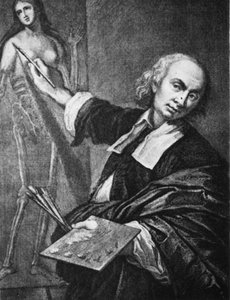
Simone Pignoni
1611 - 1698 , Italy
プロフィール概要
- Artistic Movement Or Style: Baroque
- Artists Or Movements Influenced By This Artist: ['Domenico Passignano']
- Artists Who Influenced This Artist: ['Francesco Furini']
- Date Of Birth: April 17, 1611
- Date Of Death: December 16, 1698
- Full Name: Simone Pignoni
- Nationality: Italian
- Notable Artworks:
- Death of St Petronilla
- St Louis Providing a Banquet for the Poor
- Madonna and Child in Glory
- Place Of Birth: Florence, Italy