 プレビュー
プレビュー
 シェアする
シェアする シェアする
シェアする
 詳細を見る
詳細を見る

 ダウンロード
 似ている作品
 X線調査
X線調査 スライドショー
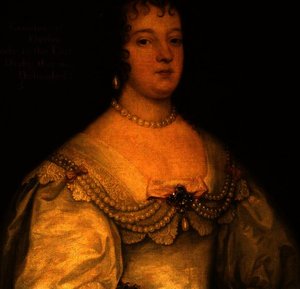
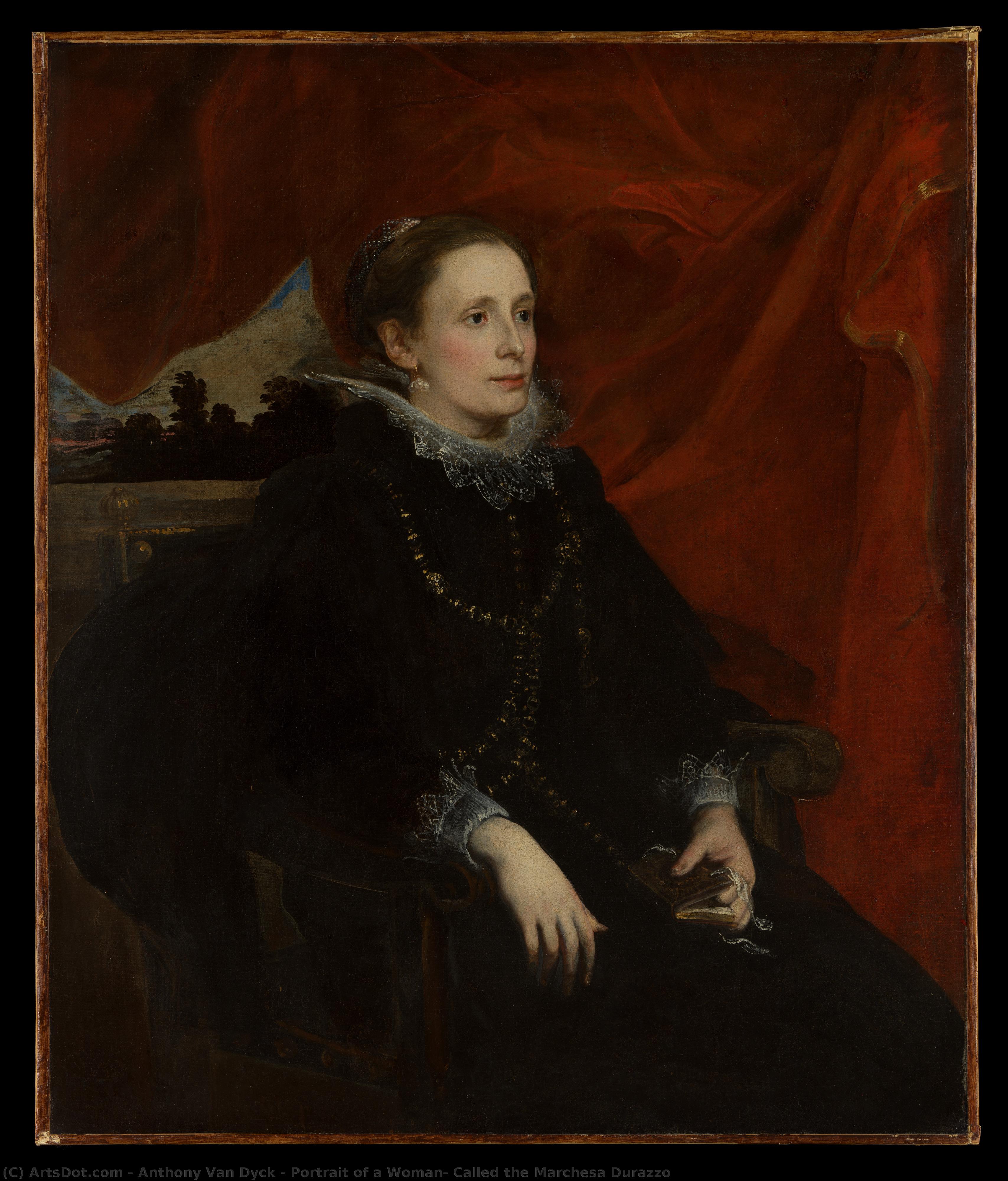
Portrait of a Woman, Called the Marchesa Durazzo
 Oil On Canvas
- WallArt
- Baroque Portraiture
 1622
1622 113.0 x 96.0 cm
 詳細を見る
詳細を見る
ジークレー/アートプリント
迅速な制作と多彩な仕上げオプションを備えた、ミュージアムクオリティのジークレーまたはキャンバスプリント。 ( 手描きの絵画を購入 画像を購入)




P118B $10

P118H $10

P118W $10

P438Z $10

P508JH $12

P508YH $12

P805H $10

P805Z $10

P919BZ $10

P919G $10

P919XJ $10

P959ZH $10

P968JZ $12

W106C $8

W218G $10

W218JH $8

W218Y $10

W307PJ $10

W316G $10

W316PJ $8

W316Y $10

W398PJ $8

W4111J $10

W500HY $15

W500JH $15

W692G $12

W849H $8

W940BG $15

W953PJ $8




作品のオリジナル比率に合わせた、当店の規定サイズからお選びください。

特定のフレームやスペースに合わせて、ご自身でサイズを指定することも可能です。選択されたサイズが元の画像の比率と一致しない場合、作品をトリミングするか、鏡面反射または単色での塗りつぶしによって画像を拡張いたします。制作を開始する前に、ご確認用のデジタルモックアップをお送りいたします。
画面上のプレビューには、実際のトリミングや拡張は反映されませんのでご注意ください。最終的な構図を正確に確認できるのは、モックアップのみとなります。
カスタムサイズも承っておりますが、元の比率を維持するためには、あらかじめ用意されたリストからサイズを選択することをお勧めいたします。


 ガラスオプションは、110cm未満のサイズでのみご利用いただけます。

Portrait of a Woman, Called the Marchesa Durazzo
ジークレー/アートプリント
複製画のサイズ
-


合計金額
$ 62
A Portrait of Venetian Influence: The Marchesa Durazzo by Van Dyck
Sir Anthony van Dyck’s “Portrait of a Woman, Called the Marchesa Durazzo,” painted in 1622, offers a captivating glimpse into the opulent world of Genoa during the early 17th century. This remarkable portrait, measuring 113 x 96 cm, is more than just a likeness; it’s a testament to Van Dyck's artistic journey and his profound admiration for the masters of Venetian painting, particularly Titian.
- Subject & Identity: The sitter, traditionally identified as a member of the influential Durazzo family – one of Genoa’s leading patrician dynasties – embodies the wealth and status associated with this prominent Genoese lineage. Her direct gaze engages the viewer, creating an immediate connection across centuries.
- Titian's Legacy: Van Dyck’s time in Italy (1621-1627) was pivotal to his development. The theatrical red drapery and the loose, painterly facture of this portrait are clear echoes of Titian’s influence, a master he diligently studied and copied during his travels. This stylistic choice speaks volumes about Van Dyck's commitment to absorbing and adapting the most successful artistic trends of the era.
Technique & Style: Baroque Elegance
Executed in oil on panel, the portrait exemplifies Van Dyck’s signature style – a harmonious blend of elegance, refinement, and dynamic composition. The brushwork is loose yet controlled, creating a sense of movement and capturing the sitter's personality with remarkable sensitivity. Note the subtle modeling of the flesh tones, achieved through careful layering of glazes, a hallmark of Baroque painting. The use of light and shadow – *chiaroscuro* – adds depth and drama to the scene, further enhancing the portrait’s visual impact.
- Color Palette: The dominant red of the drapery is not merely decorative; it symbolizes wealth, power, and nobility—fitting for a member of the Durazzo family.
- Composition: Van Dyck skillfully employs a pyramidal composition, drawing the eye to the sitter while maintaining a balanced and harmonious arrangement.
Historical Context & Symbolism
Painted in Genoa during a period of intense political and cultural activity, this portrait reflects the city’s status as a major trading center and a hub for artistic patronage. The presence of two secondary figures – one on the left and another in the upper right corner – adds to the sense of occasion, suggesting a formal gathering or courtly scene. The chair positioned near the bottom left corner subtly reinforces the sitter's position of authority and importance.
Symbolism: The red drapery, referencing Titian’s work, symbolizes wealth, power, and nobility – key attributes associated with the Durazzo family and their prominent role in Genoese society. The woman’s direct gaze conveys confidence and dignity, reflecting the status of a high-ranking member of the aristocracy.Emotional Impact & Collectible Value
"Portrait of a Woman, Called the Marchesa Durazzo" is more than just a beautiful painting; it's a window into a bygone era. Van Dyck’s ability to capture not only physical likeness but also personality and status makes this portrait a timeless masterpiece. This meticulously crafted hand-painted reproduction offers an exceptional opportunity to own a piece of art history, bringing the elegance and sophistication of the Baroque period into your home or office.
関連作品
アーティストの略歴
アントニ・ヴァン・ダイク:ヨーロッパ宮廷を彩るフランドルの巨匠
アントニ・ヴァン・ダイクは、1599年にアントワープで生まれ、夭折の天才としてバロック美術史にその名を刻んだフランドル出身の画家です。彼の短い生涯は、故郷であるフラマン地方からイタリア、そしてイングランド宮廷へと続く芸術探求と華麗な依頼の連続でした。幼い頃から並外れた才能を発揮し、ヘンドリック・ヴァン・バーレンの工房に入門して主流の様式を吸収すると同時に、すぐにピーター・パウル・ルーベンスとの共同作業を通して、その芸術的基盤を築き上げました。ルーベンスからダイナミックな構図、豊かな色彩、光と影の巧みな扱い方を学びましたが、ヴァン・ダイクは独自の道を切り開き、優雅さと洗練さを特徴とする独自のスタイルを確立しました。イタリアでの研鑽と様式の誕生
1621年頃から始まるイタリアへの滞在は、ヴァン・ダイクの芸術的成長にとって決定的な時期となりました。特にジェノヴァに長く滞在し、その地の貴族たちの庇護を受けながら、彼を特徴づける洗練されたスタイルを磨き上げました。優美なポーズ、豪華な衣装、そして高貴な気品が漂う彼のイタリア絵画は、単なる肖像画を超え、被写体の内面的な性格や社会的地位までも捉えています。ルーベンスの作品に見られるような力強いエネルギーとは対照的に、ヴァン・ダイクの肖像画からは抑制された落ち着きと優雅さがにじみ出ています。この時期には、著名な芸術家、学者、君主たちをモデルにした精緻な肖像版画群『Iconography』にも取り組み、その卓越した技術力を世界に示すとともに、版画家としての地位も確立しました。これらの版画は単なる記録ではなく、被写体の名声と知性を伝えるために細心の注意を払って制作された芸術作品でした。イングランド宮廷の画家:チャールズ1世の肖像
1632年、ヴァン・ダイクはチャールズ1世からの招聘を受け、イングランド宮廷の画家となります。この任命は、彼自身のキャリアだけでなく、イギリスの肖像画にも大きな変革をもたらしました。すでに名声が高まっていた彼は、王室に不可欠な存在となり、権力、威厳、そして神授による正統性を投影するイメージを制作するという重要な任務を担いました。特にチャールズ1世の肖像は特筆すべきものであり、それまでの硬直した形式的な表現から脱却し、ダイナミックでカリスマ的な指導者としての王の姿を描き出しました。ドラマチックな光の使い方、流れるようなジェスチャー、そして慎重に選び抜かれた背景を用いることで、視覚的に魅力的であると同時に政治的にも力強いイメージを作り上げました。彼の影響は王室にとどまらず、イギリス貴族の美的感覚を何世代にもわたって形作りました。ヴァン・ダイクは肖像画を描くだけでなく、王位のイメージを構築し、その後の1世紀以上にわたり王室に対する人々の認識に影響を与えました。遺産と不朽の影響
1641年の若き日の死によって、芸術界は才能あふれる巨匠を失いましたが、彼の遺産は今日に至るまで生き続けています。イギリスの肖像画への影響は計り知れず、後進の画家たちが模倣しようとした優雅さと洗練さの基準を確立しました。- 技術革新: 油絵と版画の両方に精通し、常に新しい技法を実験していました。
- 様式の洗練: 彼の肖像画は、優美なポーズ、豪華な衣装、そして微妙な心理描写によって特徴づけられています。
- 宮廷への影響: イギリスの王室のイメージを変革し、権力と威厳の視覚的言語を創造しました。
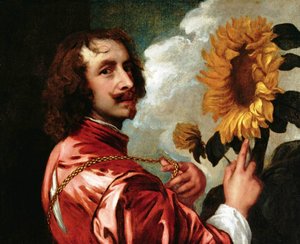
アントニ・ヴァン・ダイク
1599 - 1641 , ベルギー
基本情報
- フルネーム: アンソニー・ヴァン・ダイク
- 主な作品:
- バルビ家の子供たち
- チャールズ1世の肖像
- ジョン・ウォートン卿
- 慈善
- 三位一体
- リナルドとアルミダ
- 出生地: アントワープ(ベルギー)
- 国籍: フランドル人
- 影響を与えたアーティストまたは運動: ['イギリスの肖像画']
- 影響を受けたアーティスト: ['ピーター・パウル・ルーベンス']
- 死亡年月日: 1641年12月9日
- 生年月日: 1599年3月22日
- 芸術運動またはスタイル: バロック美術
関連記事

レンブラント傑作25選:光と影の巨匠、魂を揺さぶる名画の世界 | ArtsDot
レンブラントの傑作25選。光と影の魔術師が描いた魂を揺さぶる名画の世界へ。美術史に残る自画像、夜警、宗教画…ArtsDotで高品質なアートプリントやインテリアアートをお楽しみください。コレクションはこちら→
Sir Anthony van Dyck: Courtly Portraiture & the Shaping of Baroque Identity
Explore the life & legacy of Sir Anthony van Dyck, the leading court painter of his era. Discover his innovative portraiture, Baroque masterpieces, and investment potential for discerning collectors. Learn more at ArtsDot.

Crimson Threads of Narrative: Exploring Symbolism & Representation in Artworks Featuring the Red Dress
Explore the rich symbolism of the red dress in art history! From ancient power displays to iconic portraits like Cézanne’s 'Madame Cezanne', discover the cultural and artistic significance behind this captivating color. Expert analysis & insights.

Early Netherlandish Masters: 10 Paintings That Revolutionized Art & Decor
Journey into the world of Early Netherlandish painting! Explore 10 masterpieces by Jan van Eyck, Rogier van der Weyden & more. Discover stunning detail, symbolism & Renaissance art for your home decor. Find museum-quality reproductions on ArtsDot.com
The Grandeur of Baroque Portraiture: Power, Emotion & Artistic Innovation
Explore the grandeur of Baroque portraiture! Discover Rubens, Van Dyck & the masters of 17th-century art. Uncover symbolism, techniques & lasting influence. Expert insights for collectors and enthusiasts.