

 プレビュー
プレビュー
 シェアする
シェアする シェアする
シェアする
 詳細を見る
詳細を見る

 ダウンロード
 似ている作品
 X線調査
X線調査 スライドショー
 統計情報
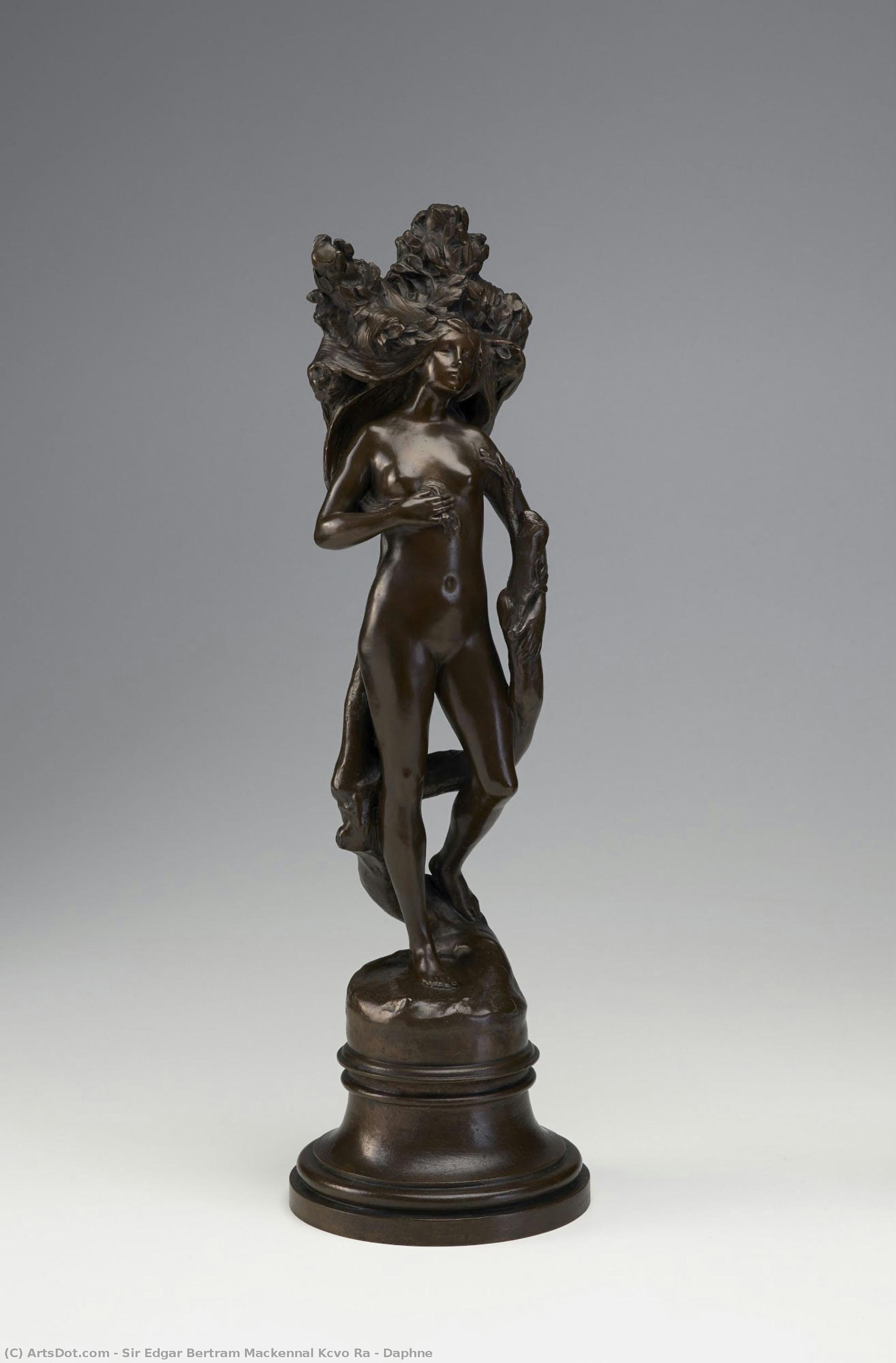
統計情報Daphne
 Art Nouveau
 1897
1897 50.0 x 15.0 cm
 アートギャラリーオブニューサウスウェルス
 詳細を見る
詳細を見る
オンラインプレビューをはるかに凌ぐ、高解像度で鮮明なデジタル画像をご購入いただけます。
各ファイルは、社内の専門家が高度なツールと熟練した手作業によるレタッチを用いて、細心の注意を払って準備されています。すべての画像において、卓越した鮮明度、正確な色彩再現性、そして繊細なディテールを保証いたします。
最終ファイルは、プロフェッショナルな編集・印刷環境ですぐにご利用いただけるよう最適化された状態で、72時間以内にメールにてお届けいたします。これは、一流のデザインスタジオ、出版社、ギャラリーから信頼されているものと同等の品質です。
デジタルアート
個人での鑑賞、印刷、クリエイティブなプロジェクト用に、高解像度ファイルをダウンロードできます。 ( プリント版に切り替え 手描きの絵画を購入)
デジタル画像のご注文に付随する特典
高品質なデジタル画像配信を、確かな品質で。
ArtsDot.com を選ぶことは、単に画像を手に入れることではありません。それは、プロの手によって精密に仕上げられ、満足保証が付いた高品質なデジタルアートワークを受け取ることを意味します。ご注文いただいた際に自動的に付随する内容は、以下の通りです:

メールですぐにお届け
ご注文から72時間以内に、高解像度のデジタル画像ファイルがメールでお手元に届きます。すぐにそのままご利用いただけます。

AI技術で最適化されたデジタルファイル
お客様の作品は、高度なAIツールと専門家による手作業の編集を組み合わせてプロフェッショナルに最適化されており、細部のディテール、鮮明さ、そして正確な色再現性を最大限に引き出しています。

一生涯無料の再送サービス
ファイルを誤って削除したり、紛失してしまったりしましたか?ご安心ください。いつでも無料で再送いたします。

輸入手数料は一切かかりません
関税や手数料、配送料を気にすることなく、お気に入りのアートワークをすぐにお楽しみいただけます。デジタルダウンロードは常に免税です。

色彩再現の保証
プロ仕様のツールとカラーマネジメント技術を用いることで、デジタル画像が元の色を最大限に忠実に再現することを保証いたします。

100日間満足保証
ご購入いただいたデジタル画像にご満足いただけない場合は、100日以内であれば、理由を問わず修正または100%の返金対応をさせていただきます。

100% 返金保証
ご満足いただけない場合は、デジタルファイルを受け取ってから100日以内であれば、理由を問わず全額返金いたします。

まとめ買い割引
3枚購入で10%OFF - 5枚購入で15%OFF - 10枚以上購入で20%OFF。クリエイティブなプロジェクト、ギャラリー、エージェンシーに最適です。
A Moment of Transformation: Exploring Bertram Mackennal’s “Daphne”
Bertram Mackennal's 1897 bronze sculpture, "Daphne," is more than a depiction of a classical myth; it’s a profound meditation on metamorphosis, desire, and the delicate balance between earthly beauty and ethereal grace. Born in Melbourne, Australia, during a period of intense artistic exchange between Europe and its colonies, Mackennal skillfully blended the influences of Symbolism, Neo-Classicism, and the burgeoning New Sculpture movement to create a work that continues to resonate with viewers today. The sculpture’s enduring appeal lies not just in its technical mastery but also in its ability to evoke a powerful emotional response – a sense of both vulnerability and defiant beauty.
The subject matter itself—the myth of Daphne fleeing Apollo's pursuit—is rich with symbolism. Daphne, transformed into a laurel tree to escape the god’s ardent affections, represents a rejection of forced intimacy and an assertion of self-preservation. Apollo, in turn, embodies relentless desire, forever chasing an unattainable ideal. Mackennal doesn’t simply illustrate this narrative; he captures the *feeling* of Daphne's flight – the urgency, the terror, yet also a strange sense of liberation. The artist masterfully translates the abstract concept of transformation into a tangible form, inviting us to contemplate the nature of change and the choices we make in response to overwhelming forces.
Crafting Bronze: Technique and Materiality
Mackennal’s technical skill is immediately apparent in the sculpture's exquisite detail. Executed using the traditional lost-wax casting technique, a process demanding immense patience and precision, “Daphne” showcases a remarkable understanding of bronze as a material. The artist skillfully manipulated the surface to create a dynamic interplay of light and shadow, emphasizing the figure’s sinuous curves and the flowing drapery. Note the subtle variations in texture – the polished smoothness of her skin contrasting with the rougher, more textured areas of the tree-like branches that emerge from her form. This textural richness not only adds realism but also contributes to the sculpture's overall sense of movement and vitality.
The choice of bronze itself is significant. Bronze possesses a timeless quality, lending the sculpture an air of permanence and gravitas. It’s a material that has been used for centuries to depict figures of power and beauty, and Mackennal clearly understands its expressive potential. The warm, earthy tones of the bronze further enhance the sculpture's emotional impact, evoking feelings of both strength and vulnerability.
A Fusion of Styles: Symbolism and Artistic Influences
“Daphne” exemplifies Mackennal’s engagement with multiple artistic currents. Drawing inspiration from the Neo-Classical tradition—evident in the sculpture's balanced composition, idealized forms, and classical references—he simultaneously incorporates elements of Art Nouveau, characterized by its flowing lines, organic motifs, and emphasis on decorative detail. The arabesque curves that define Daphne’s body and drapery are a clear homage to this influential style. Furthermore, Mackennal was influenced by the New Sculpture movement, which sought to break away from the rigid conventions of academic sculpture and embrace more expressive forms.
The sculpture's emotional depth is further enhanced by its connection to Symbolist philosophy, which explored themes of psychology, spirituality, and the subconscious. Mackennal’s depiction of Daphne’s transformation isn’t simply a literal representation of myth; it’s an exploration of inner states – fear, desire, liberation. The sculpture invites us to contemplate the complexities of human emotion and the transformative power of the imagination.
A Legacy of Beauty: “Daphne” in Context
Created during a period of rapid artistic innovation, “Daphne” stands as a testament to Bertram Mackennal’s exceptional talent and his ability to synthesize diverse influences. The sculpture's success reflected the growing appreciation for figurative sculpture within Australia and its increasing recognition on the international stage. Today, "Daphne" remains a captivating work of art, offering viewers a glimpse into a world of myth, emotion, and artistic brilliance. Its enduring appeal lies in its ability to transcend time and connect us with the timeless themes that have captivated artists and audiences for centuries.
関連作品
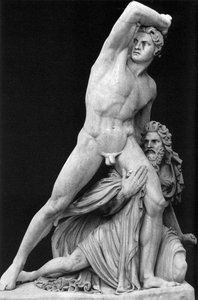
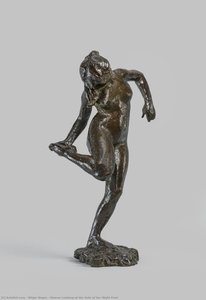
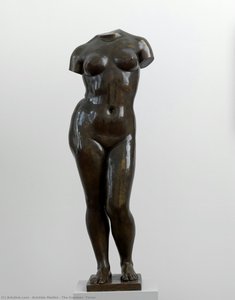
作家の略歴
Early Life and Training
Sir Edgar Bertram Mackennal (1863-1931) was born in Melbourne, Australia, the second son of John Simpson Mackennal (1832-1901), a Scottish immigrant and architectural sculptor, and Annabella Hyde. His father instilled in him an early passion for sculpture, recognizing his innate talent and providing him with invaluable training from a young age. Bertram’s formative years were spent studying under his father's guidance, absorbing the principles of craftsmanship and artistic vision that would define his future career. He continued his education at Melbourne School of Art, honing his skills in modeling and design before embarking on a transformative journey to London in 1882. There, he enrolled at the National Gallery Schools, immersing himself in the burgeoning British sculptural tradition and encountering influential mentors who shaped his artistic sensibilities.London Years and Artistic Development
Upon arriving in London, Mackennal joined forces with fellow students Charles Douglas Richardson and Tom Roberts, establishing a studio that fostered intellectual exchange and collaborative experimentation. This formative period exposed him to the avant-garde currents of Impressionism and Symbolism, profoundly impacting his artistic style. He actively participated in exhibitions at the Royal Academy, showcasing his evolving repertoire of works—from monumental sculptures like St George’s Chapel, Windsor – a joint commission with Sir Edwin Lutyens – to smaller, more intimate pieces exploring themes of mythology and human emotion. His dedication to mastering technique and capturing nuanced expressions solidified his reputation as one of Britain's leading sculptors.Notable Sculptures and Commissions
Mackennal’s prolific output spanned a remarkable range of projects—memorial tombs, monumental sculptures celebrating royal figures (including George V), decorative reliefs for public buildings, and numerous portraits capturing the likenesses of prominent individuals. His most celebrated achievements include the design of the coinage featuring George V – a testament to his meticulous craftsmanship and artistic vision – and the creation of ‘Circe,’ a striking depiction of mythological figure inspired by Gustave Moreau’s paintings, which garnered honorable mention at the Paris Salon. These commissions underscored Mackennal's ability to translate conceptual ideas into tangible forms, leaving an indelible mark on the landscape of British sculpture.Recognition and Legacy
Mackennal was awarded an Associate Membership of the Royal Academy in 1909 and a Knight Commander Order of the Victorian Crown (KCVO) in 1921, recognizing his distinguished contributions to art and scholarship. He remained active until his death in London in 1931, continuing to pursue artistic endeavors and mentor younger sculptors. His influence extended beyond his own lifetime, shaping the aesthetic sensibilities of subsequent generations and establishing him as a pivotal figure in the British Sculpture Movement—a movement characterized by its embrace of expressive realism and exploration of psychological depth.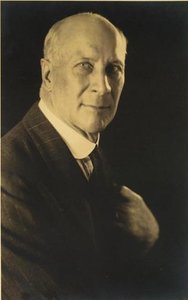
sir edgar bertram mackennal kcvo ra
1863 - 1931 , Australia
プロフィール概要
- Artistic Movement Or Style: Early Sculpture Movement
- Artists Or Movements Influenced By This Artist: ['Rodin']
- Artists Who Influenced This Artist:
- Charles Douglas Richardson
- Tom Roberts
- Date Of Birth: June 12, 1863
- Date Of Death: October 10, 1931
- Full Name: Sir Edgar Bertram Mackennal KCVO RA
- Nationality: Australian
- Notable Artworks:
- The Dancer
- Daphne
- Circe
- Place Of Birth: Melbourne, Australia