

 プレビュー
プレビュー
 シェアする
シェアする シェアする
シェアする
 詳細を見る
詳細を見る

 ダウンロード
 似ている作品
 X線調査
X線調査 スライドショー
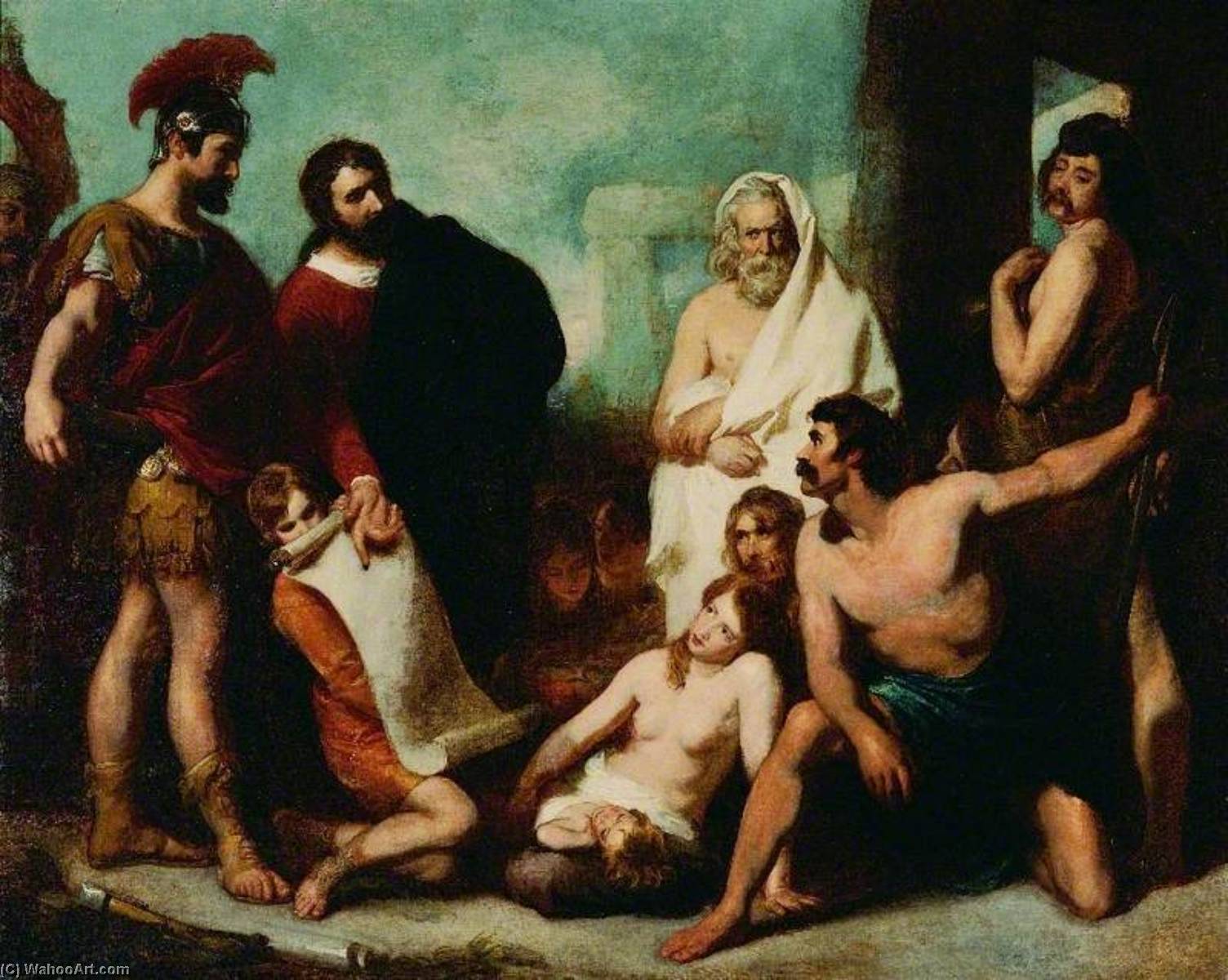
The Progress of Civilisation (The Ancient Britons Instructed by the Romans in the Mechanical Arts)
 Oil
Oil- WallArt
- Victorian Realism
 1831
1831- 19th Century
 243.0 x 305.0 cm
 Ferens Art Gallery
 詳細を見る
詳細を見る
ジークレー/アートプリント
迅速な制作と多彩な仕上げオプションを備えた、ミュージアムクオリティのジークレーまたはキャンバスプリント。 ( 手描きの絵画を購入 画像を購入)




P118B $10

P118H $10

P118W $10

P438Z $10

P508JH $12

P508YH $12

P805H $10

P805Z $10

P919BZ $10

P919G $10

P919XJ $10

P959ZH $10

P968JZ $12

W106C $8

W218G $10

W218JH $8

W218Y $10

W307PJ $10

W316G $10

W316PJ $8

W316Y $10

W398PJ $8

W4111J $10

W500HY $15

W500JH $15

W692G $12

W849H $8

W940BG $15

W953PJ $8




作品のオリジナル比率に合わせた、当店の規定サイズからお選びください。

特定のフレームやスペースに合わせて、ご自身でサイズを指定することも可能です。選択されたサイズが元の画像の比率と一致しない場合、作品をトリミングするか、鏡面反射または単色での塗りつぶしによって画像を拡張いたします。制作を開始する前に、ご確認用のデジタルモックアップをお送りいたします。
画面上のプレビューには、実際のトリミングや拡張は反映されませんのでご注意ください。最終的な構図を正確に確認できるのは、モックアップのみとなります。
カスタムサイズも承っておりますが、元の比率を維持するためには、あらかじめ用意されたリストからサイズを選択することをお勧めいたします。


 ガラスオプションは、110cm未満のサイズでのみご利用いただけます。

The Progress of Civilisation (The Ancient Britons Instructed by the Romans in the Mechanical Arts)
ジークレー/アートプリント
複製画のサイズ
-


合計金額
$ 62
A Grand Encounter of Eras
In the sweeping expanse of Sir Thomas Francis Dicksee’s 1831 masterpiece, The Progress of Civilisation, we are transported to a pivotal moment in the tapestry of human history. This monumental canvas, measuring an impressive 243 x 305 cm, serves as more than just a historical tableau; it is a profound visual narrative regarding the transmission of knowledge and the dawn of technological advancement. The scene captures the delicate, transformative encounter between the ancient Britons and the Roman occupiers, focusing not on the clash of swords, but on the quiet, revolutionary exchange of mechanical wisdom. Dicksee masterfully directs our gaze to a central group where the rugged, uninitiated Britons gather around a figure engaged in the intricate study of a new tool or machine. It is a moment frozen in time, capturing the very heartbeat of human ingenuity as one culture introduces the seeds of industry to another.
The composition is alive with a sense of communal discovery. As we wander through the painting, we encounter various figures—some observing with wide-eyed curiosity, others engaged in hushed, contemplative dialogue. The presence of an animal, perhaps a beast of burden, grounds the scene in the reality of ancient labor, reminding the viewer that progress is often built upon the foundations of physical toil and companionship with nature. Through this layered arrangement, Dicksee creates a sense of depth that pulls the spectator into the very center of the workshop, making us feel like silent witnesses to the birth of an era.
The Mastery of Victorian Realism
Technically, the work is a triumph of the Victorian tradition, showcasing Dicksee’s ability to blend meticulous realism with a romanticized, epic sensibility. The artist employs a sophisticated palette to distinguish between the earthy, raw textures of the British landscape and the more structured, refined elements introduced by Roman influence. Every fold in the heavy fabrics, every glint of light on a metallic tool, and the weathered skin of the laborers are rendered with such precision that the painting possesses a tactile quality. This level of detail is what makes a high-quality reproduction of this piece so breathtaking for collectors; it allows the subtle interplay of light and shadow to breathe within a modern interior.
The brushwork, while controlled and smooth to maintain the illusion of historical accuracy, carries an emotional weight that transcends mere documentation. Dicksee utilizes light not just to illuminate the subjects, but to symbolize the "enlightenment" occurring within the scene. The way the light falls upon the central mechanical apparatus acts as a metaphor for the light of knowledge piercing through the shadows of antiquity. For the interior designer, this painting offers a commanding presence, acting as a sophisticated focal point that invites long periods of contemplation and serves as a conversation piece regarding the enduring human spirit of learning.
A Timeless Symbol of Human Evolution
Beyond its historical subject matter, The Progress of Civilisation resonates on a deeply symbolic level. It explores the concept of cultural synthesis—the idea that progress is rarely a solitary achievement but rather a collaborative evolution. The painting celebrates the transition from primitive existence to a structured, mechanical society, suggesting that even in moments of conquest, there is an opportunity for the enrichment of the human experience through shared intellect. This theme of growth and transformation provides a powerful emotional resonance, making the artwork particularly appealing to those who value themes of resilience, education, and the continuous march of time.
For the discerning art lover or collector, owning a reproduction of this scale is an opportunity to bring a sense of historical gravity and intellectual depth into a living space. Whether placed in a grand library, a formal study, or a curated gallery wall, Dicksee’s work commands respect. It does not merely decorate a room; it enriches the atmosphere with a sense of legacy and the profound beauty of human achievement. This piece stands as a testament to the idea that while civilizations may rise and fall, the pursuit of knowledge remains an eternal and noble endeavor.
関連作品
アーティストの略歴
サー・トーマス・フランシス・ディッキー:シェイクスピア劇を彩ったヴィクトリア朝の巨匠
サー・トーマス・フランシス・ディッキー(1819-1895)は、19世紀英国美術において極めて重要でありながら、しばしば見過ごされてきた存在です。彼は単なる肖像画家にとどまらず、シェイクスピアの物語を彷彿とさせる情緒豊かな情景や、細部まで緻密に描き込まれたヴィクトリア朝の風俗画を通じて、独自の地位を築き上げました。彼のキャンバスにはロマン主義的な感性が息づいており、単なる外見の写実にとどまらず、文学的登場人物たちの感情の深淵や劇的な緊張感、そして日常の営みに潜むドラマを見事に捉えています。ロンドンに生まれたディッキーの芸術への道は、画家であった父による初期の指導によって形作られ、それが視覚的な物語を紡ぐという彼の生涯の礎となりました。
ディッキーの芸術的発展は、1841年から始まったロイヤル・アカデミーでの初期の展覧会を通じて辿ることができます。当初、彼は肖像画に注力し、被写体の個性を驚くべき正確さと繊細さで描き出すことで、瞬く間にその名声を確立しました。しかし、彼の真の芸術的本質を決定づけたのは、シェイクスピアへの深い傾倒でした。彼は単に戯曲の一場面を描いたのではありません。オフィーリアの悲劇的な美しさ、ベアトリスの燃えるような機知、ミランダの空想的な優雅さ、そしてアリエルのいたずらっぽい魅力といった、登場人物たちの「魂」そのものを具現化しようと試みたのです。それらは戯曲の挿絵ではなく、ディッキー自身の芸術的ヴィジョンが注ぎ込まれた、独立した芸術作品でした。
ロマン主義の影響とヴィクトリア朝の感性
ディッキーの作品は、感情、想像力、そして崇高さを重視するロマン主義運動に深く根ざしています。しかし、彼はその原理をヴィクトリア朝イングランドという特定の時代背景へと巧みに適応させました。この時代は道徳、社会秩序、そして家庭的な価値観への強い関心が特徴であり、それらのテーマはディッキーの風俗画の中に頻繁に現れます。読書や裁縫、あるいは来客への対応といった静かな日常の場面に女性を描くことが多いのですが、そこには常に、どこか憂いを含んだ哀愁や憧憬が漂っています。このロマン主義的な理想主義と、ヴィエクトリア朝特有の抑制された美学との対比こそが、彼の絵画に唯一無二の品格を与えているのです。
さらに、ロイヤル・アカデミー・スクールにおいてH.P.ブリッグスに師事したことで、彼は強固な技術的基盤を手にしました。油彩画の技法、特に布地の質感や光の表現においては熟練の域に達しています。ドレスのひだ、宝石の輝き、そして表情の細かな変化に至るまで、その緻密なディテールへのこだわりは、作品に圧倒的なリアリズムと感情的なインパクトをもたらしています。また、トーマス・ローレンスのような、優雅さと社交界の気品を強調した画家からも影響を受けていますが、ディッキーはそこに、より強烈な劇的緊張感を吹き込んだのです。
主要作品と重要な依頼画
ディッキーの最も名高い作品は、間違いなくシェイクスピアの登場人物を描いたものです。1876年に「イラストレイテッド・ロンドン・ニュース」で展示された『愛の労苦(A Labour of Love)』は、今なお彼の代表作として語り継がれています。この場面では、オフィーリアがハムレットに告げる痛切な別れが、精緻な描写と肌に伝わるような悲しみとともに描き出されています。他にも、キャラクターの情熱的な精神を見事に体現した『ベアチス』や、プロスペローの島の境界の中で純真さと美しさを放つ『ミランダ』など、特筆すべき傑作が数多く存在します。
シェイクスピアを題材とした作品以外にも、ディッキーは膨大な数の肖像画を残しています。リチャード・ジェンキンスやトーマス・ヤング(ローレンスの模写)、さらにはサー・フランシス・グラント自身など、英国貴族層の著名人を数多く描きました。これらの肖像画は単なる似顔絵ではありません。被写体の個性や社会的地位を、驚くべき洞察力で浮き彫りにしています。外見的な特徴と内面的な精神性の両方を捉える彼の能力は、富裕層や有力者たちの間で彼を極めて需要の高い肖像画家たらしめました。
遺産と歴史的意義
ディッキーは多大な才能と成功を収めたにもかかわらず、その功績はしばしば他のヴィクトリア朝の画家たちの影に隠れてきました。しかし、近年の研究によって、英国美術史における彼の独自の貢献が再評価され始めています。特に彼のシェイクスピア劇の情景は、文学や演劇に対するヴィクトリア朝の人々の熱狂を覗き見るための貴重な窓となっています。ディッキーの絵画は単なる装飾品ではなく、深い人間感情と心理的な奥行きに満ち溢れているのです。
さらに、ディッキーのキャリアは、19世紀英国で進行していた広範な社会的・文化的変容を反映しています。彼の作品は、ジェンダー・ロール(性役割)や階級差、そして芸術と社会の関係に対するヴィクトリア朝の態度を知る手がかりを与えてくれます。彼の遺産は、視覚的な物語が持つ不朽の力と、過ぎ去った時代の芸術的遺産を保存することの重要性を、現代の私たちに静かに語りかけ続けています。
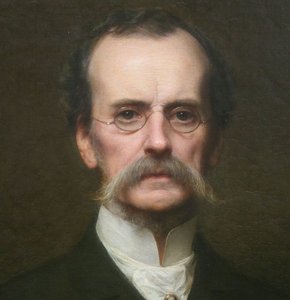
サー・トーマス・フランシス・ディッキー
1819 - 1895 , イギリス
基本情報
- Artistic Movement Or Style: ヴィクトリア朝絵画
- Artists Or Movements Influenced By This Artist:
- ロマン主義
- シェイクスピアの場面
- Artists Who Influenced This Artist:
- トーマス・ローレンス
- フランシス・グラント
- Date Of Birth: 1819年
- Date Of Death: 1895年
- Full Name: サー・トーマス・フランシス・ディッキー
- Nationality: イギリス
- Notable Artworks:
- A Labour of Love (愛の労苦)
- オフィーリア
- ベアトリス
- ミランダ
- リチャード・ジェンキンス
- Place Of Birth: イングランド、ロンドン
関連記事
The Enduring Legacy of Classicism: Principles, Evolution & Influence in Western Art
Explore the enduring legacy of Classicism in Western art! Discover its historical context, key principles, iconic masterpieces & lasting influence. Learn about Renaissance and Neoclassical movements with ArtsDot.
Timeless Resonance: Exploring Classic Vibe in Art – A Historical & Aesthetic Analysis
Explore the rich history & enduring aesthetic of Classicism art! Discover key movements, iconic artists like Raphael & David, and its lasting influence on Western art. Deepen your appreciation today.
The Enduring Legacy of Classical Style: Form, Narrative & Influence in Art
Explore the enduring legacy of classical art – from ancient Greece & Rome to Neoclassicism. Discover key artists, philosophical roots & build a timeless collection with ArtsDot's expert guidance.
Neo-Classicism's Greatest Hits: 10 Masterpieces for Your Home |
Journey through Neo-Classicism's finest! Explore 10 iconic masterpieces by David, Ingres & Canova. Discover art history, techniques & timeless beauty – perfect for inspiring your home decor. Find museum-quality reproductions at
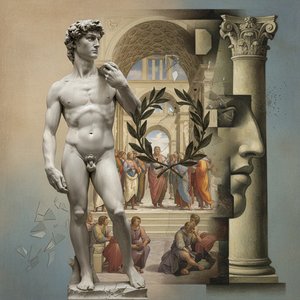
The Enduring Echo of Antiquity: Classical Ideals in Art from Renaissance to Modernism
Explore the lasting impact of classical ideals on art from the Renaissance to Modernism. Discover key movements, iconic artists & find museum-quality reproductions at ArtsDot.