

 プレビュー
プレビュー
 プリントを購入
 シェアする
シェアする シェアする
シェアする
 詳細を見る
詳細を見る

 ダウンロード
 似ている作品
 X線調査
X線調査 スライドショー
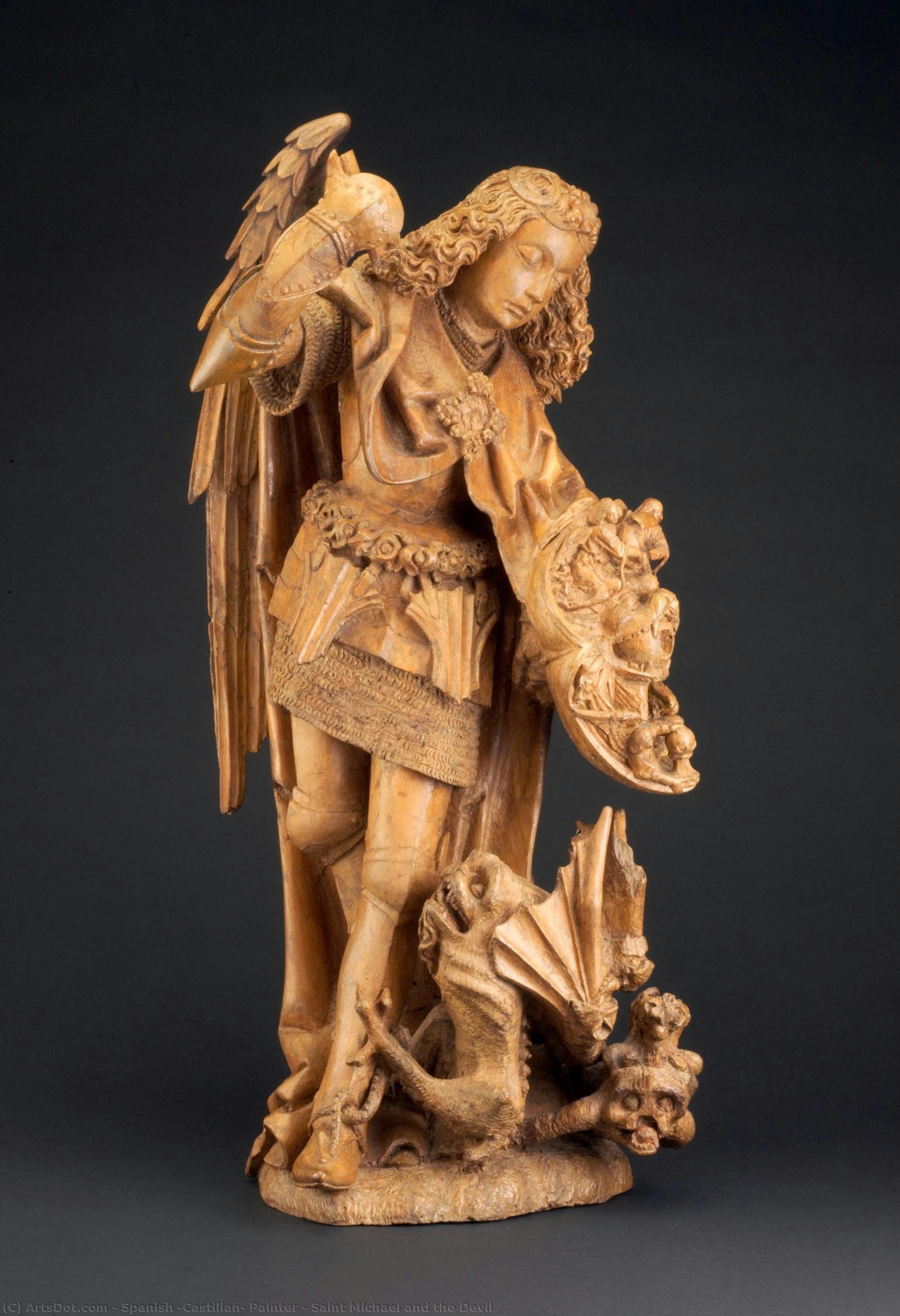
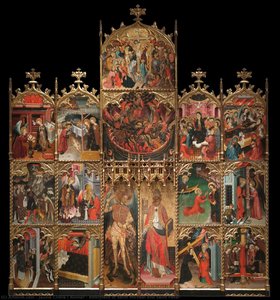
Saint Michael and the Devil
 Late Medieval / Early Renaissance
 1500
1500 52.0 x 22.0 cm
 詳細を見る
詳細を見る
オンラインプレビューをはるかに凌ぐ、高解像度で鮮明なデジタル画像をご購入いただけます。
各ファイルは、社内の専門家が高度なツールと熟練した手作業によるレタッチを用いて、細心の注意を払って準備されています。すべての画像において、卓越した鮮明度、正確な色彩再現性、そして繊細なディテールを保証いたします。
最終ファイルは、プロフェッショナルな編集・印刷環境ですぐにご利用いただけるよう最適化された状態で、72時間以内にメールにてお届けいたします。これは、一流のデザインスタジオ、出版社、ギャラリーから信頼されているものと同等の品質です。
デジタル画像のご注文に付随する特典
高品質なデジタル画像配信を、確かな品質で。
ArtsDot.com を選ぶことは、単に画像を手に入れることではありません。それは、プロの手によって精密に仕上げられ、満足保証が付いた高品質なデジタルアートワークを受け取ることを意味します。ご注文いただいた際に自動的に付随する内容は、以下の通りです:

メールですぐにお届け
ご注文から72時間以内に、高解像度のデジタル画像ファイルがメールでお手元に届きます。すぐにそのままご利用いただけます。

AI技術で最適化されたデジタルファイル
お客様の作品は、高度なAIツールと専門家による手作業の編集を組み合わせてプロフェッショナルに最適化されており、細部のディテール、鮮明さ、そして正確な色再現性を最大限に引き出しています。

一生涯無料の再送サービス
ファイルを誤って削除したり、紛失してしまったりしましたか?ご安心ください。いつでも無料で再送いたします。

輸入手数料は一切かかりません
関税や手数料、配送料を気にすることなく、お気に入りのアートワークをすぐにお楽しみいただけます。デジタルダウンロードは常に免税です。

色彩再現の保証
プロ仕様のツールとカラーマネジメント技術を用いることで、デジタル画像が元の色を最大限に忠実に再現することを保証いたします。

100日間満足保証
ご購入いただいたデジタル画像にご満足いただけない場合は、100日以内であれば、理由を問わず修正または100%の返金対応をさせていただきます。

100% 返金保証
ご満足いただけない場合は、デジタルファイルを受け取ってから100日以内であれば、理由を問わず全額返金いたします。

まとめ買い割引
3枚購入で10%OFF - 5枚購入で15%OFF - 10枚以上購入で20%OFF。クリエイティブなプロジェクト、ギャラリー、エージェンシーに最適です。
関連作品
作家の略歴
A Fragmented Portrait: Exploring the Enigma of Spanish Painting
The Metropolitan Museum of Art holds a captivating painting attributed to a Spanish (Castilian) artist—a piece that embodies the spirit of late fifteenth-century art, specifically ‘Head of a Man.’ While definitive attribution remains elusive, its presence within the Havemeyer Collection speaks volumes about artistic taste and scholarly debate. Initial praise from luminaries like Degas and Cassatt suggested a connection to Diego Velázquez, marking it as an exemplar of his early style—characterized by broad brushstrokes and a frank engagement with observation. However, doubts soon surfaced regarding this attribution, prompting ongoing research into its origins and placing it firmly within the broader context of José Leonardo’s workshop or perhaps even a larger canvas repurposed for a singular portrait.- Provenance: Purchased by Louisine Havemeyer in 1929, the painting traveled through several hands before finding its current home at The Met.
- Material: Executed in oil on canvas, ‘Head of a Man’ demonstrates a masterful command of technique—a hallmark of Renaissance Spain.
- Dimensions: Measuring 14 x 10 3/4 inches (35.6 x 27.3 cm), the painting's scale contributes to its contemplative mood.
Early Influences and Artistic Style
The stylistic characteristics of ‘Head of a Man’ align closely with the artistic currents prevalent during Velázquez’s formative years. Like many artists of his time, Velázquez drew inspiration from Flemish Mannerism—a movement that prioritized psychological realism and subtle tonal gradations over idealized beauty. This influence is evident in the artist's deliberate use of chiaroscuro—the dramatic interplay between light and shadow—creating a sense of depth and capturing the nuances of human expression. The painting’s composition, featuring a frontal depiction of the subject’s head, reflects a tradition rooted in religious iconography and portraiture, demonstrating an understanding of established artistic conventions.The Debate Over Attribution
Despite initial acclaim, scholarly scrutiny questioned the attribution to Velázquez. Researchers investigated stylistic similarities with other works attributed to José Leonardo—a prominent battle painter who collaborated closely with Velázquez—suggesting a possible alternative origin. Furthermore, evidence indicates that the painting was originally part of a larger canvas, hinting at a deliberate decision to isolate it as an independent portrait—a strategy aimed at maximizing its visual impact and preserving its artistic integrity.Symbolism and Representation
The depiction itself is notable for its simplicity yet profound psychological insight. The artist’s focus on the head—considered the seat of intellect and emotion—underscores the humanist values that characterized Renaissance Spain. The careful rendering of facial features—particularly the eyes—captures a gaze that conveys both solemnity and contemplation, inviting viewers to engage in an unspoken dialogue with the subject. Such meticulous attention to detail speaks to the artist’s commitment to portraying not merely physical likeness but also inner character—a hallmark of portraiture during this period.Historical Significance
‘Head of a Man,’ though its authorship remains debated, stands as a testament to the artistic achievements of late fifteenth-century Spain. It exemplifies the stylistic innovations of Velázquez’s circle and contributes to ongoing discussions about attribution and artistic provenance. Its presence within The Met’s collection ensures that this enigmatic portrait continues to inspire scholarly inquiry and captivate audiences with its enduring beauty and psychological complexity—a window into a pivotal moment in European art history.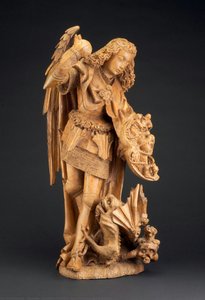
プロフィール概要
- Artistic Movement Or Style: Renaissance Spain
- Artists Or Movements Influenced By This Artist: ['Diego Velázquez']
- Date Of Birth: Not Enough Information
- Date Of Death: Living
- Full Name: Spanish Painter
- Nationality: Spanish
- Notable Artworks:
- Head of a Man
- Saint Michael and the Devil
- Place Of Birth: Spain