

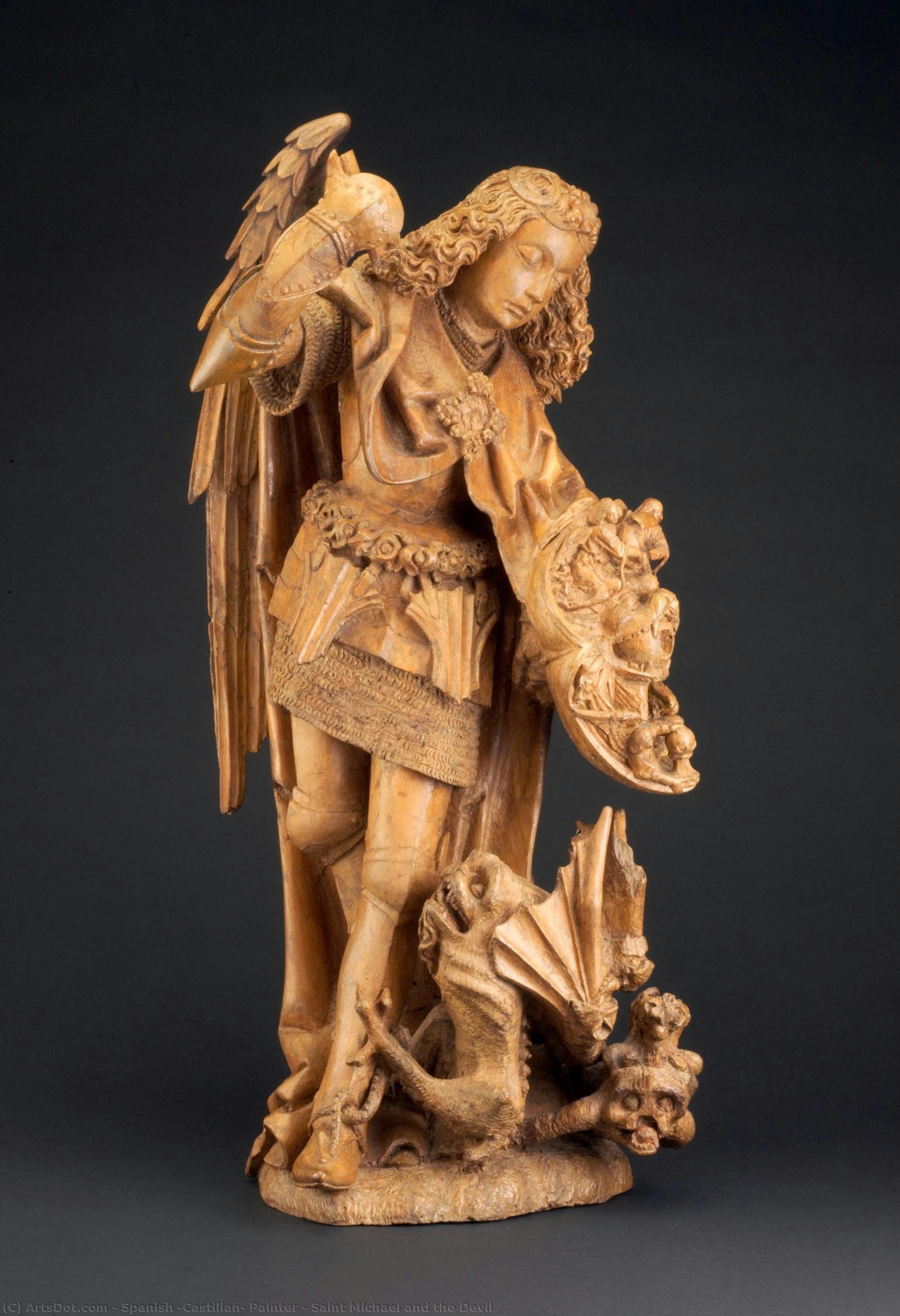
 プレビュー
プレビュー
 シェアする
シェアする シェアする
シェアする
 詳細を見る
詳細を見る

 ダウンロード
 似ている作品
 X線調査
X線調査 スライドショー
Saint Michael and the Devil
 Late Medieval / Early Renaissance
 1500
1500 52.0 x 22.0 cm
 詳細を見る
詳細を見る
ジークレー/アートプリント
迅速な制作と多彩な仕上げオプションを備えた、ミュージアムクオリティのジークレーまたはキャンバスプリント。 ( 手描きの絵画を購入 画像を購入)




































作品のオリジナル比率に合わせた、当店の規定サイズからお選びください。

特定のフレームやスペースに合わせて、ご自身でサイズを指定することも可能です。選択されたサイズが元の画像の比率と一致しない場合、作品をトリミングするか、鏡面反射または単色での塗りつぶしによって画像を拡張いたします。制作を開始する前に、ご確認用のデジタルモックアップをお送りいたします。
画面上のプレビューには、実際のトリミングや拡張は反映されませんのでご注意ください。最終的な構図を正確に確認できるのは、モックアップのみとなります。
カスタムサイズも承っておりますが、元の比率を維持するためには、あらかじめ用意されたリストからサイズを選択することをお勧めいたします。


 ガラスオプションは、110cm未満のサイズでのみご利用いただけます。

Saint Michael and the Devil
ジークレー/アートプリント
複製画のサイズ
-


合計金額
$ 62
関連作品
アーティストの略歴
A Fragmented Portrait: Exploring the Enigma of Spanish Painting
The Metropolitan Museum of Art holds a captivating painting attributed to a Spanish (Castilian) artist—a piece that embodies the spirit of late fifteenth-century art, specifically ‘Head of a Man.’ While definitive attribution remains elusive, its presence within the Havemeyer Collection speaks volumes about artistic taste and scholarly debate. Initial praise from luminaries like Degas and Cassatt suggested a connection to Diego Velázquez, marking it as an exemplar of his early style—characterized by broad brushstrokes and a frank engagement with observation. However, doubts soon surfaced regarding this attribution, prompting ongoing research into its origins and placing it firmly within the broader context of José Leonardo’s workshop or perhaps even a larger canvas repurposed for a singular portrait.- Provenance: Purchased by Louisine Havemeyer in 1929, the painting traveled through several hands before finding its current home at The Met.
- Material: Executed in oil on canvas, ‘Head of a Man’ demonstrates a masterful command of technique—a hallmark of Renaissance Spain.
- Dimensions: Measuring 14 x 10 3/4 inches (35.6 x 27.3 cm), the painting's scale contributes to its contemplative mood.
Early Influences and Artistic Style
The stylistic characteristics of ‘Head of a Man’ align closely with the artistic currents prevalent during Velázquez’s formative years. Like many artists of his time, Velázquez drew inspiration from Flemish Mannerism—a movement that prioritized psychological realism and subtle tonal gradations over idealized beauty. This influence is evident in the artist's deliberate use of chiaroscuro—the dramatic interplay between light and shadow—creating a sense of depth and capturing the nuances of human expression. The painting’s composition, featuring a frontal depiction of the subject’s head, reflects a tradition rooted in religious iconography and portraiture, demonstrating an understanding of established artistic conventions.The Debate Over Attribution
Despite initial acclaim, scholarly scrutiny questioned the attribution to Velázquez. Researchers investigated stylistic similarities with other works attributed to José Leonardo—a prominent battle painter who collaborated closely with Velázquez—suggesting a possible alternative origin. Furthermore, evidence indicates that the painting was originally part of a larger canvas, hinting at a deliberate decision to isolate it as an independent portrait—a strategy aimed at maximizing its visual impact and preserving its artistic integrity.Symbolism and Representation
The depiction itself is notable for its simplicity yet profound psychological insight. The artist’s focus on the head—considered the seat of intellect and emotion—underscores the humanist values that characterized Renaissance Spain. The careful rendering of facial features—particularly the eyes—captures a gaze that conveys both solemnity and contemplation, inviting viewers to engage in an unspoken dialogue with the subject. Such meticulous attention to detail speaks to the artist’s commitment to portraying not merely physical likeness but also inner character—a hallmark of portraiture during this period.Historical Significance
‘Head of a Man,’ though its authorship remains debated, stands as a testament to the artistic achievements of late fifteenth-century Spain. It exemplifies the stylistic innovations of Velázquez’s circle and contributes to ongoing discussions about attribution and artistic provenance. Its presence within The Met’s collection ensures that this enigmatic portrait continues to inspire scholarly inquiry and captivate audiences with its enduring beauty and psychological complexity—a window into a pivotal moment in European art history.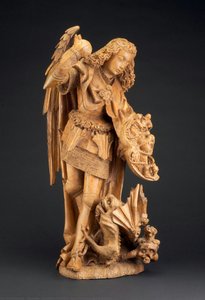
基本情報
- Artistic Movement Or Style: Renaissance Spain
- Artists Or Movements Influenced By This Artist: ['Diego Velázquez']
- Date Of Birth: Not Enough Information
- Date Of Death: Living
- Full Name: Spanish Painter
- Nationality: Spanish
- Notable Artworks:
- Head of a Man
- Saint Michael and the Devil
- Place Of Birth: Spain
関連記事

Bronze Sculptures That Defined Art History | ArtsDot
Journey through art history with our Top 10 bronze sculptures! Explore masterpieces by Rodin, Michelangelo & more. Discover stories behind iconic statues and find museum-quality reproductions for your home decor at ArtsDot.com.

The Enduring Form: Exploring Themes & Techniques in Sculpture Across Historical Periods
Explore the rich history of sculpture from ancient masterpieces to contemporary innovations. Discover key techniques, influential artists & investment potential for discerning art collectors.

The Enduring Form: Sculpture Across History, Technique & Emotional Resonance
Explore the rich history of sculpture with ArtsDot. Discover key techniques, influential artists & investment potential for discerning collectors. Expert insights into valuing and collecting timeless masterpieces.

Bronze Age to Modern Masters: 10 Sculptures That Redefined Art | ArtsDot
Journey through art history with 10 legendary bronze sculptures – from Michelangelo's David to Rodin’s Thinker. Explore the stories, techniques & timeless beauty of these masterpieces. Find museum-quality reproductions & elevate your home decor on ArtsDot.com.
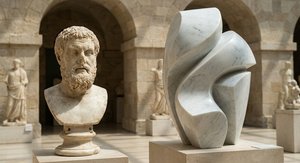
The Enduring Allure of Marble in Art History: From Classical Sculpture to Modern Abstraction
Explore the captivating history of marble sculpture from ancient Greece to modern art. Discover renowned artists like Canova & Michelangelo, carving techniques, and investment insights at ArtsDot.