

 プレビュー
プレビュー
 プリントを購入
 シェアする
シェアする シェアする
シェアする
 詳細を見る
詳細を見る

 ダウンロード
 似ている作品
 X線調査
X線調査 スライドショー
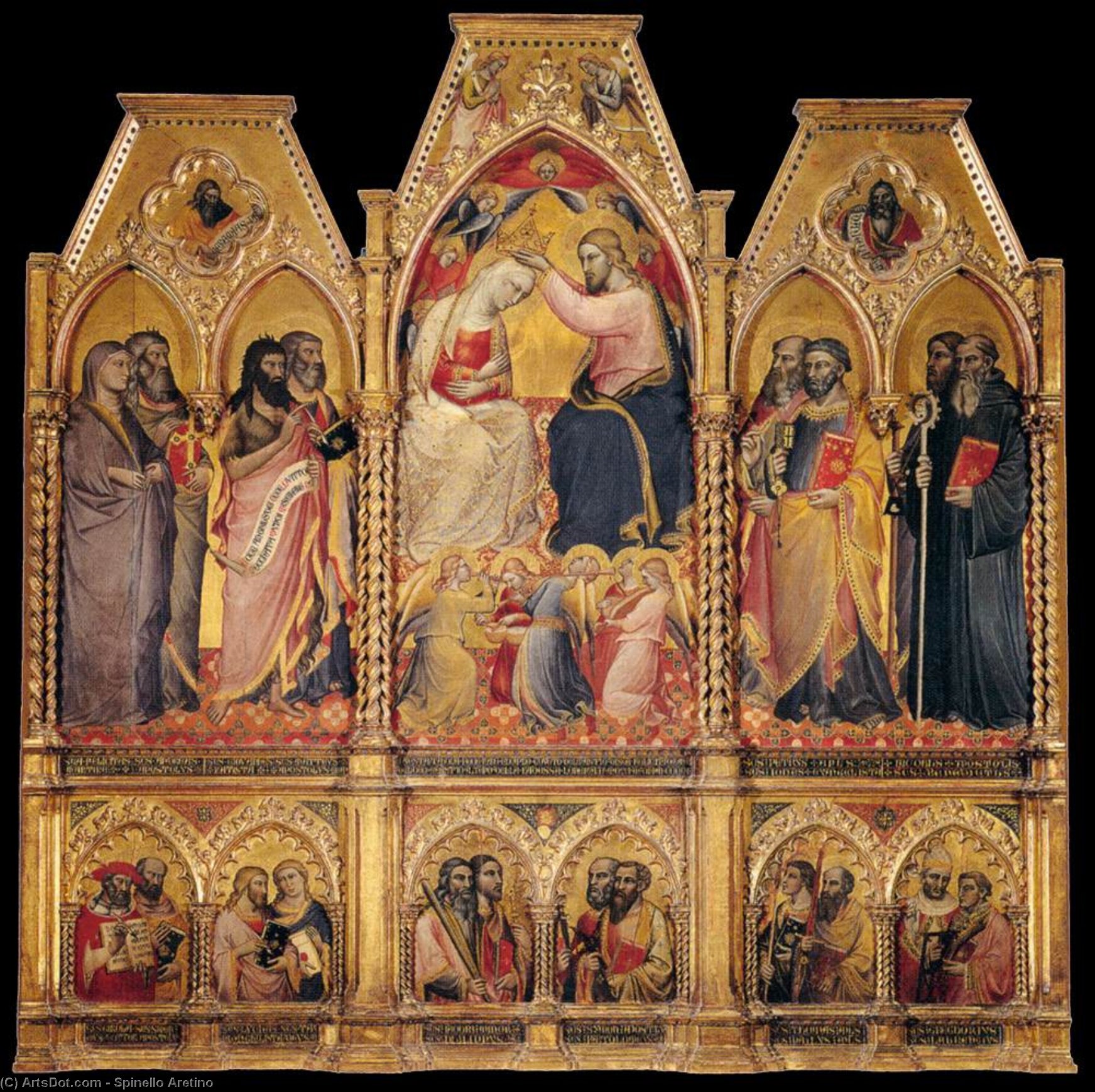
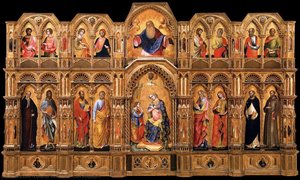
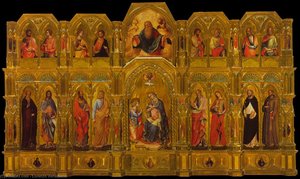
Coronation of the Virgin
 Oil On Panel
- Baroque
 1401
1401 275.0 x 278.0 cm
 アカデミア美術館
 詳細を見る
詳細を見る
オンラインプレビューをはるかに凌ぐ、高解像度で鮮明なデジタル画像をご購入いただけます。
各ファイルは、社内の専門家が高度なツールと熟練した手作業によるレタッチを用いて、細心の注意を払って準備されています。すべての画像において、卓越した鮮明度、正確な色彩再現性、そして繊細なディテールを保証いたします。
最終ファイルは、プロフェッショナルな編集・印刷環境ですぐにご利用いただけるよう最適化された状態で、72時間以内にメールにてお届けいたします。これは、一流のデザインスタジオ、出版社、ギャラリーから信頼されているものと同等の品質です。
デジタル画像のご注文に付随する特典
高品質なデジタル画像配信を、確かな品質で。
ArtsDot.com を選ぶことは、単に画像を手に入れることではありません。それは、プロの手によって精密に仕上げられ、満足保証が付いた高品質なデジタルアートワークを受け取ることを意味します。ご注文いただいた際に自動的に付随する内容は、以下の通りです:

メールですぐにお届け
ご注文から72時間以内に、高解像度のデジタル画像ファイルがメールでお手元に届きます。すぐにそのままご利用いただけます。

AI技術で最適化されたデジタルファイル
お客様の作品は、高度なAIツールと専門家による手作業の編集を組み合わせてプロフェッショナルに最適化されており、細部のディテール、鮮明さ、そして正確な色再現性を最大限に引き出しています。

一生涯無料の再送サービス
ファイルを誤って削除したり、紛失してしまったりしましたか?ご安心ください。いつでも無料で再送いたします。

輸入手数料は一切かかりません
関税や手数料、配送料を気にすることなく、お気に入りのアートワークをすぐにお楽しみいただけます。デジタルダウンロードは常に免税です。

色彩再現の保証
プロ仕様のツールとカラーマネジメント技術を用いることで、デジタル画像が元の色を最大限に忠実に再現することを保証いたします。

60日間満足保証
ご購入いただいたデジタル画像にご満足いただけない場合は、60日以内であれば、修正または100%の返金(理由を問う必要はありません)をさせていただきます。

100% 返金保証
ご満足いただけない場合は、デジタルファイルを受け取ってから60日以内であれば、理由を問わず全額返金いたします。

まとめ買い割引
3枚購入で10%OFF - 5枚購入で15%OFF - 10枚以上購入で20%OFF。クリエイティブなプロジェクト、ギャラリー、エージェンシーに最適です。
作品の詳細
The Coronation of the Virgin: A Florentine Masterpiece
Spinello Aretino’s “Coronation of the Virgin,” painted in Florence around 1401, is more than just a religious depiction; it's a window into the burgeoning artistic and social landscape of early Renaissance Italy. This captivating altarpiece, now housed within the Galleria dell’Accademia in Florence, reveals a sophisticated understanding of color, composition, and the evolving relationship between art and faith. The painting immediately draws the eye with its rich palette dominated by deep blues and violets – a departure from the brighter hues favored in earlier Gothic works – and the lavish use of gold leaf that imbues the scene with an aura of divine majesty. It’s a testament to Aretino's skill, bridging the gap between the formality of the past and the burgeoning naturalism of the new era.
Aretino’s technique is characterized by a remarkable balance between meticulous detail and a sense of serene composure. The figures are rendered with a subtle realism, their faces conveying a range of emotions – reverence, joy, and contemplation – that resonate deeply with the viewer. Note particularly the Virgin Mary herself; her posture exudes both humility and regal dignity, while her gaze is directed towards God the Father, signifying her acceptance of this sacred role. The composition follows a classic pyramidal structure, lending stability and harmony to the scene. The artist skillfully employs atmospheric perspective, creating a sense of depth that draws the eye into the heart of the narrative.
A Renaissance Court in Heaven
The setting for this coronation is not a traditional heavenly realm but rather an imagined earthly court – a deliberate choice reflecting the humanist ideals gaining traction during the early 15th century. This departure from purely symbolic representations aligns with the growing interest in classical antiquity and the desire to depict religious subjects within a more relatable context. The figures surrounding Mary are not simply angels; they’re rendered as a diverse group of saints, nobles, and attendants, creating a bustling scene reminiscent of a Florentine court. This inclusion subtly elevates the status of Florence itself, suggesting that its artistic and cultural achievements were worthy of divine recognition.
The presence of Lorenzo di Niccolò, a prominent Florentine painter of the time, as a collaborator on this project further underscores the painting’s connection to the city's vibrant artistic community. His contribution is evident in the refined details and the masterful execution of certain elements, particularly the drapery and the rendering of individual faces. The work was commissioned for the church of Santa Felicità in Florence, highlighting its importance within the local religious landscape.
Symbolism and Spiritual Resonance
Beyond its aesthetic beauty, “The Coronation of the Virgin” is rich in symbolic meaning. The act of crowning Mary as Queen of Heaven represents her exaltation to a position of supreme honor and authority within the Christian faith. The dove, symbolizing the Holy Spirit, descends from above, signifying God’s divine grace. The triangular composition itself – with Mary at its apex – reinforces this hierarchical structure, emphasizing her central role in salvation history.
Furthermore, the painting's emphasis on humility and devotion reflects the prevailing spiritual values of the time. Mary’s lowered gaze and modest posture suggest a deep sense of reverence for God, while the inclusion of earthly elements – such as the richly adorned clothing and the bustling court scene – serves to remind viewers of the tangible reality of faith.
A Timeless Masterpiece
Spinello Aretino’s “Coronation of the Virgin” stands as a remarkable achievement in Florentine art, embodying the artistic innovations and spiritual sensibilities of the early Renaissance. Its masterful technique, evocative symbolism, and captivating composition continue to resonate with viewers today, offering a glimpse into a pivotal moment in Western art history. Reproductions of this extraordinary work capture not only its visual splendor but also the profound emotional depth that makes it a timeless masterpiece.
関連作品

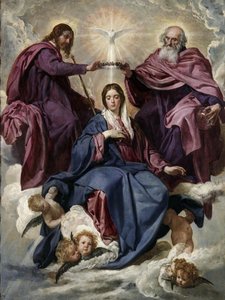
作家の略歴
ロレンツォ・ディ・ビッチ:14世紀後半を彩ったフィレンツェの巨匠
14世紀半ばのフィレンツェは、芸術的革新が花開いた時代でした。この活気あふれる情景の中から、ロレンツォ・ディ・ビッチ(c. 1350 – 1427)という一人の画家が現れ、その影響力は数十年にわたりフィレンツェ絵画の歩みを静かに形作っていきました。華々しい才能を見せつけた同時代の画家たちの影に隠れがちではありますが、ロレンツエの真の貢献は、単なる技巧の誇示にあるのではなく、洗練された優雅さと、色彩と構図に対する卓越した理解にあります。それこそが、彼を当時の最も重要な画家の一人として確立させたのです。彼の作品は、社会・経済が劇的な変貌を遂げていた時期における、進化し続けるフィレンツェの芸術的景観を私たちに垣間見せてくれます。
ロレンツォの初期の生涯は、ある種の謎に包まれています。その大きな理由は、彼の最初の師であったと思われる父ジャコポ(ジャコポ・ディ・キオーネとしても知られる)に関する記録が極めて少ないことにあります。ロレンツォはこの未知なる師のもとで修行を積み、絵画の基礎技術を吸収しながら、独自のスタイルを築き上げたと信じられています。その特徴は、過度な複雑さを避けつつも、驚くべき細部へのこだわりと精密さを維持するという、極めて均衡の取れたアプローチにありました。また、富裕なパトロンのみを相手としていた当時の多くの画家とは異なり、ロレンツォの依頼主は主に地方の聖職者やフィレンツェの中産階級のギルド(同職組合)でした。これは、この時期におけるパトロネージュ(芸術支援)の動態が変化していたことを反映しており、より幅広い社会層に奉仕しようとした彼の姿勢は、名声あるライバルたちとは一線を画すものでした。
ロレンツォの芸術的発展には、いくつかの重要な人物が深い影響を与えています。優雅で洗練されたスタイルで知られる同時代の画家アンドレア・ディ・キオーネの作品は、明らかにロレンツォの美意識と共鳴していました。また、ジャコポ・ディ・キオーネの影響も、1380年頃にワイン商ギルド(アルテ・デイ・ヴィナッティエーリ)から依頼されたパネル画「玉座の聖マルティヌス」などの初期作品に顕著に表れています。現在フィレンツェの近代美術館収蔵庫(Depositi Galleria d’Arte Moderna)に保管されているこの傑作は、ロレンツォの芽生えつつあった才能を如実に示しています。鮮やかな色彩と均衡のとれた構図を用い、聖マルティヌスが物乞いに自らのマントを分かち合うという聖書の場面を見事に描き出しているのです。主パネルに添えられたプレデッラ(下部装飾)には、緻密に構成された人物や身振りが並び、ロレンツォの物語画としての卓越した技量を感じさせます。
ジョットとフィレンツェ派の影響
ロレンツォ・ディ・ビッチの芸術的軌跡は、13世紀後半にイタリア絵画の流れを劇的に変えた革命児、ジョット・ディ・ボンドーネの遺産と分かちがたく結びついています。ジョットが追求した自然主義、感情表現、そして三次元的な空間感覚は、その後のフィレンツな世代の画家たちに多大な影響を与えました。ロレンツォもまた、同時代のジャコポ・ディ・キオーネやニコロ・ディ・ピエトロ・ジェリーニと同様に、ジョットの革新性を吸収し、それを自分自身の独自のスタイルへと昇華させました。しかし、しばしばダイナミックで感情に満ちたジョットの構図とは対照的に、ロレンツォはより抑制された均衡あるアプローチを好み、形態の明快さと調和のとれた色彩の関係を優先させたのです。
この時代のフィレンツェ派は、驚くほど多様な様式と影響に彩られていました。画家たちは古典古代の遺産とヨーロッパ絵画の最新の展開の両方からインスピレーションを得て、常に新しい技法や手法を模索していました。ロレンツォの作品はこのダイナミックな環境を反映しており、ゴシック様式の優雅さを取り入れながら、同時に自然主義的なスタイルをも受け入れています。細部への細やかなこだわり――特に衣襞(ドレーパリー)や顔立ちの描写における技術――は、当時のフィレンツェ絵画において普及しつつあったリアリズムへの強い献身を物語っています。
主要作品と芸術的特性
ロレンツォの芸術的成果は、同時代の他の画家たちと比較すると規模こそ控えめですが、一貫した様式的アプローチが見て取れます。彼の絵画は、赤、青、黄色といった鮮やかな色彩の使用が際立っており、それが作品に活力と輝きをもたらしています。彼は過度に複雑な構図を避け、代わりに明快さと読み取りやすさを重視したバランスの良い配置を選びました。描かれた人物たちはしばしば丸みを帯びた顔立ちをし、感情を露わにしない落ち着いた表情を浮かべていますが、これは激しい感情よりも、むしろ静謐さと尊厳を伝えようとする意図的な試みの反映なのです。
ロレンツォの最も重要な作品群には、初期の様式を象徴する「玉座の聖マルティヌス」(1380年)をはじめ、周辺地域の教会から依頼された数々の祭壇画、そして聖母マリアの生涯を描いた一連の信心具としてのパネル画があります。修行時代に磨き上げられた緻密な素描技術は、衣のひだから表情の微細なニュアンスに至るまで、これらの絵画のあらゆる細部に宿っています。ロレンツォの仕事は、彼の並外れた技術的能力と、芸術的卓越性に対する揺るぎない情熱の証しといえるでしょう。
遺産と歴史的意義
ロレンツォ・ディ・ビッチの影響は、彼自身の生涯を超え、1427年の死後も数十年にわたってフィレンツェ絵画の発展を形作り続けました。彼の後継者であるビッチ・ディ・ロレンツォやネリ・ディ・ビッチもまた、地方の聖職者や中産階級のギルドという同じ顧客層に仕え続け、フィレンツェ派の重要人物としての彼の遺産をさらに強固なものにしました。同時代の画家たちのような広範な名声を得ることはなかったかもしれませんが、ロレンツォの洗練された様式と職人技への揺るぎない献身は、その作品が優雅さ、均衡、そして技術的習熟において高く評価されることを確かなものとしたのです。
ロレンツォ・ディ・ビッチは、ジョットに代表される後期ゴシックの伝統と、初期ルネサンスを繋ぐ極めて重要な架け橋です。彼の絵画は、社会・文化が劇的に変化する時期におけるフィレンツェの芸術的ダイナミズムへの貴重な洞察を与えてくれます。それは、画家たちが新しい思想や技法に挑みながらも、同時に伝統と職人精神の価値を守り抜こうとしていた時代でした。彼の静かながらも永続的な影響は、今なおフィレンツェ美術史という豊かな織物の中に響き渡っています。
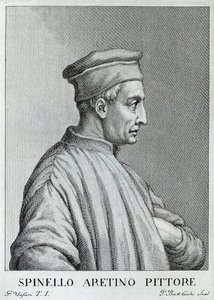
スピネッロ・アレティーノ
1350 - 1410 , イタリア
プロフィール概要
- Artistic Movement Or Style: フィレンツェ派
- Artists Or Movements Influenced By This Artist:
- ビッチ・ディ・ロレンツォ
- ネリ・ディ・ビッチ
- Artists Who Influenced This Artist: ['アンドレア・ディ・キオーネ']
- Date Of Birth: 1350年頃
- Date Of Death: 1427年
- Full Name: ロレンツォ・ディ・ビッチ
- Nationality: イタリア
- Notable Artworks: ['玉座の聖マルティヌス']
- Place Of Birth: イタリア、フィレンツェ

