 プレビュー
プレビュー
 プリントを購入
 シェアする
シェアする シェアする
シェアする
 詳細を見る
詳細を見る

 ダウンロード
 似ている作品
 X線調査
X線調査 スライドショー
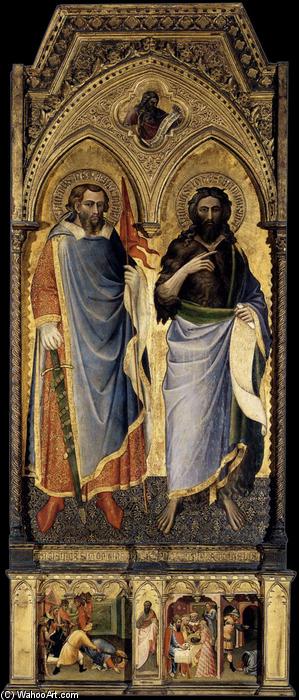
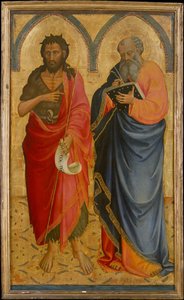
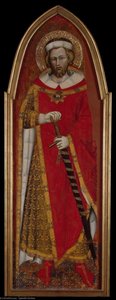
St Nemesius and St John the Baptist
 Oil On Panel
- Early Italian Renaissance
 1385
1385 194.0 x 95.0 cm
 Szépművészeti Múzeum
 詳細を見る
詳細を見る




P118B $10

P118H $10

P118W $10

P438Z $10

P508JH $12

P508YH $12

P805H $10

P805Z $10

P919BZ $10

P919G $10

P919XJ $10

P959ZH $10

P968JZ $12

W106C $8

W218G $10

W218JH $8

W218Y $10

W307PJ $10

W316G $10

W316PJ $8

W316Y $10

W398PJ $8

W4111J $10

W500HY $15

W500JH $15

W692G $12

W849H $8

W940BG $15

W953PJ $8




作品のオリジナル比率に合わせた、当店の規定サイズからお選びください。

特定のフレームやスペースに合わせて、ご希望のサイズをご入力いただけます。選択されたサイズが元の画像の比率と異なる場合、アートワークをトリミングするか、手描きで要素を追加して絵画を拡張いたします。デジタルモックアップ を制作し、制作開始前にご確認(承認)をいただきます。
画面上のプレビューは、実際のトリミングや拡張を正確に反映しているものではありません。最終的な構図は、モックアップによってのみ正確にご確認いただけます。
カスタムサイズもご利用いただけますが、元の比率を維持するためには、あらかじめ用意されたリストからサイズを選択することをお勧めいたします。
ご注文後、ArtsDot.com チームより詳細な指示をお送りするとともに、仕上がりイメージ(モックアップ)をご提供いたします。


 ガラスオプションは、110cm未満のサイズでのみご利用いただけます。

St Nemesius and St John the Baptist
複製技法
複製画のサイズ
-


合計金額
$ 288
作品解説
A Glimpse into Florentine Grace: Spinello Aretino’s “St Nemesius and St John the Baptist”
The world of 14th-century Tuscany pulsed with artistic fervor, a crucible where established traditions met burgeoning innovation. Within this vibrant landscape emerged Spinello Aretino (c. 1350 – c. 1410), an artist whose legacy lies not in grand, sweeping gestures but in the quiet elegance and meticulous detail of his work. “St Nemesius and St John the Baptist,” a tempera panel painting created around 1385, offers a captivating window into this period, revealing Aretino’s mastery of color, composition, and the subtle nuances of early Renaissance style.
The painting immediately draws the eye with its rich palette – deep blues and greens intertwine with shimmering golds and earthy browns. These aren't merely decorative choices; they are carefully considered to evoke a sense of solemnity and reverence appropriate for depicting two revered saints. The figures themselves, St Nemesius and St John the Baptist, are rendered with remarkable realism, their drapery cascading in folds that suggest both weight and movement. Aretino’s skill lies not just in capturing physical likeness but also in conveying an underlying sense of dignity and spiritual presence. Notice how the light catches on the bishop's mitre and staff, highlighting his authority, while the monk’s simple robes speak to a life devoted to piety.
A Gothic Framework: Architectural Detail and Spatial Depth
Beyond the figures themselves, the painting is anchored by an intricately designed architectural setting. The scene unfolds within a gothic-inspired space – arches, columns, and decorative moldings all contribute to a sense of depth and grandeur. This isn’t simply background; it's integral to the narrative, suggesting the saints’ connection to a sacred realm. Aretino masterfully employs perspective, creating an illusion of three-dimensionality that draws the viewer into the scene. The layering of architectural elements – receding arches, shadowed corners – subtly guides our eye and establishes a clear hierarchy within the composition, placing St Nemesius prominently on the left and St John to his right.
The lower portion of the panel presents a smaller, multi-paneled scene depicting a biblical narrative. This detail adds another layer of complexity to the work, hinting at a broader theological context. The integration of these distinct elements – the saints’ portraiture and the miniature story – demonstrates Aretino's ability to synthesize diverse artistic influences, blending the formality of Byzantine iconography with the emerging naturalism of the Italian Renaissance.
The Hand of the Master: Technique and Historical Context
“St Nemesius and St John the Baptist” was executed in tempera on panel, a technique favored by artists during this period. Tempera’s slow-drying properties allowed for meticulous layering and blending of colors, resulting in a surface that is both luminous and remarkably durable. The artist's attention to detail is evident in every brushstroke – from the intricate folds of the drapery to the subtle shading of the faces. The painting reflects the artistic trends of Florence during the late 14th century, a time when artists were increasingly influenced by Giotto’s innovations in naturalism and emotional expression.
It's important to note that this work was created within the context of a turbulent era – the Sack of Siena in 1387 and the subsequent political instability in Tuscany. The painting, likely commissioned for a religious institution, served as a visual reminder of faith and stability amidst uncertainty. The Szépmûvészeti Múzeum in Budapest houses this remarkable piece, offering visitors a rare opportunity to experience the artistry of Spinello Aretino firsthand.
A Legacy Endures: Reproduction and Artistic Inspiration
Spinello Aretino’s “St Nemesius and St John the Baptist” stands as a testament to his artistic genius and his significant contribution to the development of Italian painting. Today, high-quality reproductions capture the essence of this masterpiece, allowing art lovers around the world to appreciate its beauty and complexity. Whether adorning a study or gracing a grand salon, a reproduction offers a tangible connection to a pivotal moment in art history – a glimpse into the grace and spirituality of 14th-century Tuscany.
For those seeking an authentic experience, explore the works of Spinello Aretino further at ArtsDot.com, where you can discover a curated collection of handmade oil painting reproductions inspired by this extraordinary artist and many others.
関連作品
アーティストの略歴
ロレンツォ・ディ・ビッチ:14世紀後半を彩ったフィレンツェの巨匠
14世紀半ばのフィレンツェは、芸術的革新が花開いた時代でした。この活気あふれる情景の中から、ロレンツォ・ディ・ビッチ(c. 1350 – 1427)という一人の画家が現れ、その影響力は数十年にわたりフィレンツェ絵画の歩みを静かに形作っていきました。華々しい才能を見せつけた同時代の画家たちの影に隠れがちではありますが、ロレンツエの真の貢献は、単なる技巧の誇示にあるのではなく、洗練された優雅さと、色彩と構図に対する卓越した理解にあります。それこそが、彼を当時の最も重要な画家の一人として確立させたのです。彼の作品は、社会・経済が劇的な変貌を遂げていた時期における、進化し続けるフィレンツェの芸術的景観を私たちに垣間見せてくれます。
ロレンツォの初期の生涯は、ある種の謎に包まれています。その大きな理由は、彼の最初の師であったと思われる父ジャコポ(ジャコポ・ディ・キオーネとしても知られる)に関する記録が極めて少ないことにあります。ロレンツォはこの未知なる師のもとで修行を積み、絵画の基礎技術を吸収しながら、独自のスタイルを築き上げたと信じられています。その特徴は、過度な複雑さを避けつつも、驚くべき細部へのこだわりと精密さを維持するという、極めて均衡の取れたアプローチにありました。また、富裕なパトロンのみを相手としていた当時の多くの画家とは異なり、ロレンツォの依頼主は主に地方の聖職者やフィレンツェの中産階級のギルド(同職組合)でした。これは、この時期におけるパトロネージュ(芸術支援)の動態が変化していたことを反映しており、より幅広い社会層に奉仕しようとした彼の姿勢は、名声あるライバルたちとは一線を画すものでした。
ロレンツォの芸術的発展には、いくつかの重要な人物が深い影響を与えています。優雅で洗練されたスタイルで知られる同時代の画家アンドレア・ディ・キオーネの作品は、明らかにロレンツォの美意識と共鳴していました。また、ジャコポ・ディ・キオーネの影響も、1380年頃にワイン商ギルド(アルテ・デイ・ヴィナッティエーリ)から依頼されたパネル画「玉座の聖マルティヌス」などの初期作品に顕著に表れています。現在フィレンツェの近代美術館収蔵庫(Depositi Galleria d’Arte Moderna)に保管されているこの傑作は、ロレンツォの芽生えつつあった才能を如実に示しています。鮮やかな色彩と均衡のとれた構図を用い、聖マルティヌスが物乞いに自らのマントを分かち合うという聖書の場面を見事に描き出しているのです。主パネルに添えられたプレデッラ(下部装飾)には、緻密に構成された人物や身振りが並び、ロレンツォの物語画としての卓越した技量を感じさせます。
ジョットとフィレンツェ派の影響
ロレンツォ・ディ・ビッチの芸術的軌跡は、13世紀後半にイタリア絵画の流れを劇的に変えた革命児、ジョット・ディ・ボンドーネの遺産と分かちがたく結びついています。ジョットが追求した自然主義、感情表現、そして三次元的な空間感覚は、その後のフィレンツな世代の画家たちに多大な影響を与えました。ロレンツォもまた、同時代のジャコポ・ディ・キオーネやニコロ・ディ・ピエトロ・ジェリーニと同様に、ジョットの革新性を吸収し、それを自分自身の独自のスタイルへと昇華させました。しかし、しばしばダイナミックで感情に満ちたジョットの構図とは対照的に、ロレンツォはより抑制された均衡あるアプローチを好み、形態の明快さと調和のとれた色彩の関係を優先させたのです。
この時代のフィレンツェ派は、驚くほど多様な様式と影響に彩られていました。画家たちは古典古代の遺産とヨーロッパ絵画の最新の展開の両方からインスピレーションを得て、常に新しい技法や手法を模索していました。ロレンツォの作品はこのダイナミックな環境を反映しており、ゴシック様式の優雅さを取り入れながら、同時に自然主義的なスタイルをも受け入れています。細部への細やかなこだわり――特に衣襞(ドレーパリー)や顔立ちの描写における技術――は、当時のフィレンツェ絵画において普及しつつあったリアリズムへの強い献身を物語っています。
主要作品と芸術的特性
ロレンツォの芸術的成果は、同時代の他の画家たちと比較すると規模こそ控えめですが、一貫した様式的アプローチが見て取れます。彼の絵画は、赤、青、黄色といった鮮やかな色彩の使用が際立っており、それが作品に活力と輝きをもたらしています。彼は過度に複雑な構図を避け、代わりに明快さと読み取りやすさを重視したバランスの良い配置を選びました。描かれた人物たちはしばしば丸みを帯びた顔立ちをし、感情を露わにしない落ち着いた表情を浮かべていますが、これは激しい感情よりも、むしろ静謐さと尊厳を伝えようとする意図的な試みの反映なのです。
ロレンツォの最も重要な作品群には、初期の様式を象徴する「玉座の聖マルティヌス」(1380年)をはじめ、周辺地域の教会から依頼された数々の祭壇画、そして聖母マリアの生涯を描いた一連の信心具としてのパネル画があります。修行時代に磨き上げられた緻密な素描技術は、衣のひだから表情の微細なニュアンスに至るまで、これらの絵画のあらゆる細部に宿っています。ロレンツォの仕事は、彼の並外れた技術的能力と、芸術的卓越性に対する揺るぎない情熱の証しといえるでしょう。
遺産と歴史的意義
ロレンツォ・ディ・ビッチの影響は、彼自身の生涯を超え、1427年の死後も数十年にわたってフィレンツェ絵画の発展を形作り続けました。彼の後継者であるビッチ・ディ・ロレンツォやネリ・ディ・ビッチもまた、地方の聖職者や中産階級のギルドという同じ顧客層に仕え続け、フィレンツェ派の重要人物としての彼の遺産をさらに強固なものにしました。同時代の画家たちのような広範な名声を得ることはなかったかもしれませんが、ロレンツォの洗練された様式と職人技への揺るぎない献身は、その作品が優雅さ、均衡、そして技術的習熟において高く評価されることを確かなものとしたのです。
ロレンツォ・ディ・ビッチは、ジョットに代表される後期ゴシックの伝統と、初期ルネサンスを繋ぐ極めて重要な架け橋です。彼の絵画は、社会・文化が劇的に変化する時期におけるフィレンツェの芸術的ダイナミズムへの貴重な洞察を与えてくれます。それは、画家たちが新しい思想や技法に挑みながらも、同時に伝統と職人精神の価値を守り抜こうとしていた時代でした。彼の静かながらも永続的な影響は、今なおフィレンツェ美術史という豊かな織物の中に響き渡っています。
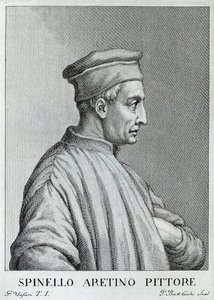
スピネッロ・アレティーノ
1350 - 1410 , イタリア
基本情報
- Artistic Movement Or Style: フィレンツェ派
- Artists Or Movements Influenced By This Artist:
- ビッチ・ディ・ロレンツォ
- ネリ・ディ・ビッチ
- Artists Who Influenced This Artist: ['アンドレア・ディ・キオーネ']
- Date Of Birth: 1350年頃
- Date Of Death: 1427年
- Full Name: ロレンツォ・ディ・ビッチ
- Nationality: イタリア
- Notable Artworks: ['玉座の聖マルティヌス']
- Place Of Birth: イタリア、フィレンツェ
関連記事

ジョン・コンスタブルの傑作25選:英国風景画の巨匠が描く自然と光の詩 | ArtsDot
ジョン・コンスタブルの傑作25選。英国風景画の巨匠が描く自然と光の詩の世界へ。ロマン主義を代表する絵画、デダム・ヴェールやヘイ・ウェインなど、ArtsDotで高品質なアートプリントをお楽しみください。インテリアに深みと感動を。コレクションはこちら。

ジョン・シンガー・サージェント:至高の25選 - 美と光の肖像画の世界 | ArtsDot
ジョン・シンガー・サージェントの至高の25選。肖像画、写実主義、光と影の表現が美しい作品群を紐解きます。マダムXや少女の肖像など、時代を超えて愛される名作をArtsDotで鑑賞。高品質なアート複製で、お部屋に美術館のような空間を。今すぐコレクションをご覧ください。

エル・グレコの傑作25選:魂を揺さぶる宗教画と芸術の深淵 | ArtsDot
エル・グレコの傑作25選:魂を揺さぶる宗教画の世界へ。スペイン絵画の巨匠、マニエリスム様式と Toledo の光彩を紐解きます。ArtsDot.com で名画のアートプリントや複製画をお楽しみください。コレクションはこちら →

ジョット・ディ・ボンドーネ:至高の25選 - ルネサンスの夜明けを彩る傑作たち | ArtsDot
ジョット・ディ・ボンドーネの至高の25選。ルネサンス美術を牽引した巨匠の傑作と、その感動的な物語を紐解きます。高品質な絵画複製やインテリアアートで、名画の世界をあなたの空間に。ArtsDot.com でコレクションをご覧ください。

Gwen John: Intimacy, Modernity & the Quiet Power of Welsh Portraiture
Explore the captivating world of Gwen John, a pioneering Welsh artist renowned for her intimate portraits & subtle style. Discover her life, legacy, and how to bring her timeless beauty into your home with ArtsDot.