- ホーム

- デジタル画像一覧
- Stanisław Józef Wiśniowski, Stanisław Wiśniowski (1897–1940), Stanisław Wiśniowski (1897–1914)
 プレビュー
プレビュー
 シェアする
シェアする シェアする
シェアする
 詳細を見る
詳細を見る

 ダウンロード
 似ている作品
 X線調査
X線調査 スライドショー
 統計情報
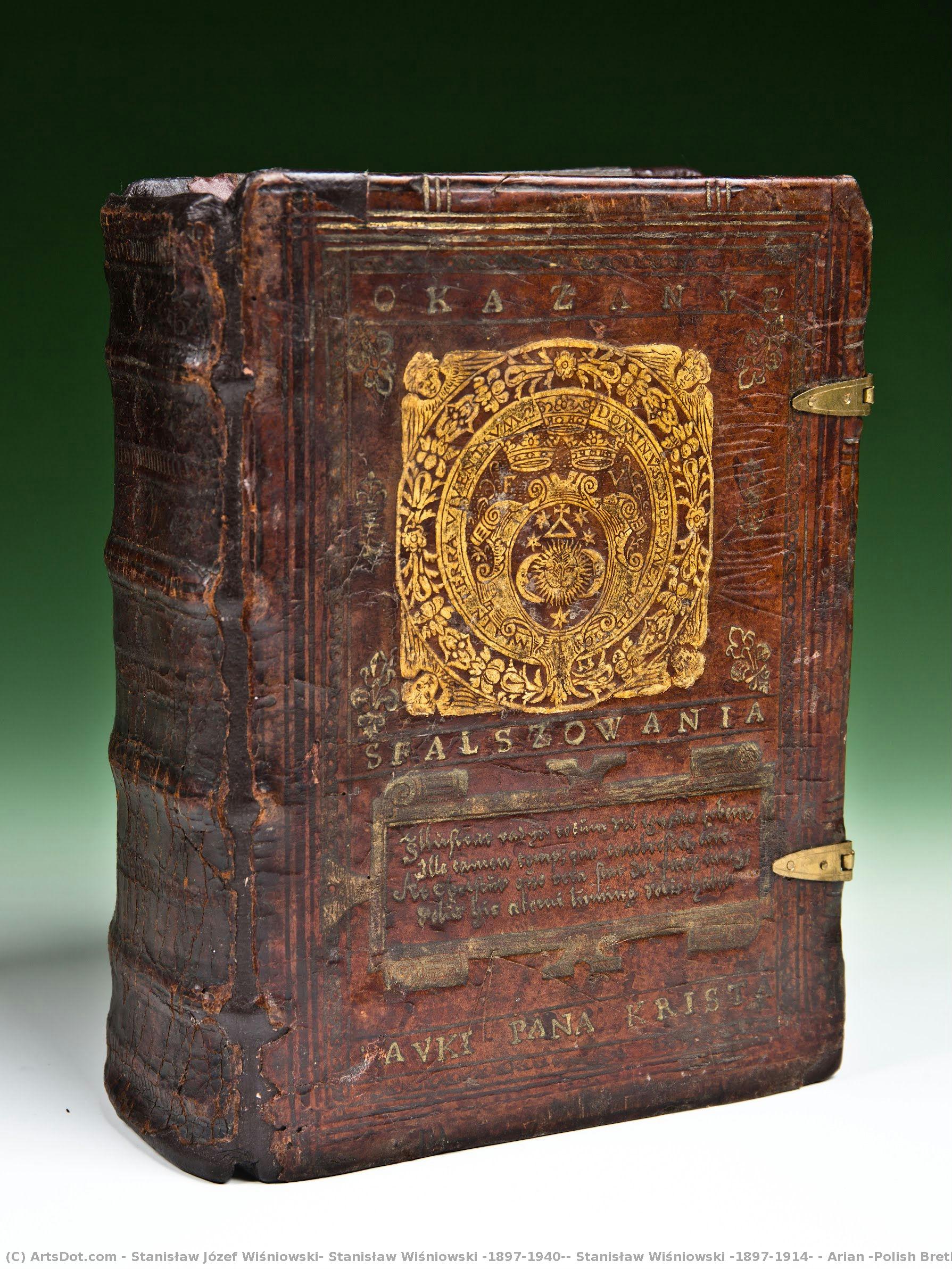
統計情報Arian (Polish Brethren) Explanation of Jesus Christ


 詳細を見る
詳細を見る
オンラインプレビューをはるかに凌ぐ、高解像度で鮮明なデジタル画像をご購入いただけます。
各ファイルは、社内の専門家が高度なツールと熟練した手作業によるレタッチを用いて、細心の注意を払って準備されています。すべての画像において、卓越した鮮明度、正確な色彩再現性、そして繊細なディテールを保証いたします。
最終ファイルは、プロフェッショナルな編集・印刷環境ですぐにご利用いただけるよう最適化された状態で、72時間以内にメールにてお届けいたします。これは、一流のデザインスタジオ、出版社、ギャラリーから信頼されているものと同等の品質です。
デジタルアート
個人での鑑賞、印刷、クリエイティブなプロジェクト用に、高解像度ファイルをダウンロードできます。 ( プリント版に切り替え 手描きの絵画を購入)
デジタル画像のご注文に付随する特典
高品質なデジタル画像配信を、確かな品質で。
ArtsDot.com を選ぶことは、単に画像を手に入れることではありません。それは、プロの手によって精密に仕上げられ、満足保証が付いた高品質なデジタルアートワークを受け取ることを意味します。ご注文いただいた際に自動的に付随する内容は、以下の通りです:

メールですぐにお届け
ご注文から72時間以内に、高解像度のデジタル画像ファイルがメールでお手元に届きます。すぐにそのままご利用いただけます。

AI技術で最適化されたデジタルファイル
お客様の作品は、高度なAIツールと専門家による手作業の編集を組み合わせてプロフェッショナルに最適化されており、細部のディテール、鮮明さ、そして正確な色再現性を最大限に引き出しています。

一生涯無料の再送サービス
ファイルを誤って削除したり、紛失してしまったりしましたか?ご安心ください。いつでも無料で再送いたします。

輸入手数料は一切かかりません
関税や手数料、配送料を気にすることなく、お気に入りのアートワークをすぐにお楽しみいただけます。デジタルダウンロードは常に免税です。

色彩再現の保証
プロ仕様のツールとカラーマネジメント技術を用いることで、デジタル画像が元の色を最大限に忠実に再現することを保証いたします。

100日間満足保証
ご購入いただいたデジタル画像にご満足いただけない場合は、100日以内であれば、理由を問わず修正または100%の返金対応をさせていただきます。

100% 返金保証
ご満足いただけない場合は、デジタルファイルを受け取ってから100日以内であれば、理由を問わず全額返金いたします。

まとめ買い割引
3枚購入で10%OFF - 5枚購入で15%OFF - 10枚以上購入で20%OFF。クリエイティブなプロジェクト、ギャラリー、エージェンシーに最適です。
関連作品










作家の略歴
The Enigmatic World of Stanisław Wiśniowski
Stanisław Wiśniowski, a name resonating with quiet intensity in the annals of Polish art, presents a fascinating study in artistic evolution and resilience. Born in 1897, his life unfolded against a backdrop of immense political and social upheaval – from the waning days of the Austro-Hungarian Empire through both World Wars and into the nascent years of Communist Poland. While biographical details remain somewhat fragmented, obscured by the turbulence of the times, what *does* emerge is a portrait of an artist deeply connected to his homeland, profoundly influenced by its folklore and landscapes, yet striving for a distinctly modern visual language. His early life was steeped in the traditions of rural Poland; this formative period would become a recurring motif throughout his oeuvre, not as simple pastoral depictions but as symbolic explorations of national identity and collective memory. The Wiśniowski family possessed modest means, fostering an environment where resourcefulness and observation were valued – qualities that undoubtedly shaped Stanisław’s artistic approach. He received formal training at the Kraków Academy of Fine Arts, a prestigious institution known for its emphasis on realism and historical painting, but quickly gravitated towards more experimental forms, absorbing influences from Symbolism and early Expressionism.From Folklore to Modernity: Artistic Development
Wiśniowski's initial works demonstrate a clear fascination with Polish folk art – particularly the vibrant colors and stylized figures of traditional woodcuts and painted furniture. However, he wasn’t interested in mere replication; instead, he sought to distill the *essence* of this aesthetic, stripping it down to its core elements and reassembling them within a contemporary framework. This period saw him experimenting with flattened perspectives, bold outlines, and a deliberately naive quality that belied a sophisticated understanding of composition and color theory.- Early Influences: Polish folk art, Symbolism, Expressionism.
- Key Characteristics (early period): Flattened perspectives, bold outlines, naive style, vibrant colors.
- Recurring Themes: Rural life, peasant figures, national identity, folklore motifs.
Major Achievements and Artistic Style
While Wiśniowski never achieved widespread international recognition during his lifetime, he became a respected figure within Polish artistic circles. His most significant achievement lies in the creation of a uniquely personal style that managed to reconcile seemingly disparate influences. He developed a distinctive visual vocabulary characterized by:- Stylistic Features: Fragmented forms, dynamic compositions, symbolic use of color, psychological intensity.
- Dominant Palette: Earth tones juxtaposed with vibrant blues and reds; often employing a limited but impactful range of colors.
- Key Subjects: Landscapes imbued with emotional resonance, portraits reflecting the inner lives of his subjects, allegorical scenes exploring themes of loss and resilience.