- ホーム

- キャンバスプリント用
- Stanisław Józef Wiśniowski, Stanisław Wiśniowski (1897–1940), Stanisław Wiśniowski (1897–1914)
 プレビュー
プレビュー
 シェアする
シェアする シェアする
シェアする
 詳細を見る
詳細を見る

 ダウンロード
 似ている作品
 X線調査
X線調査 スライドショー
 統計情報
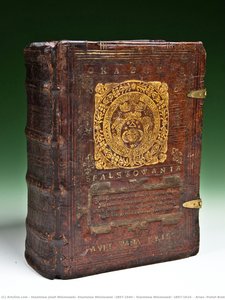
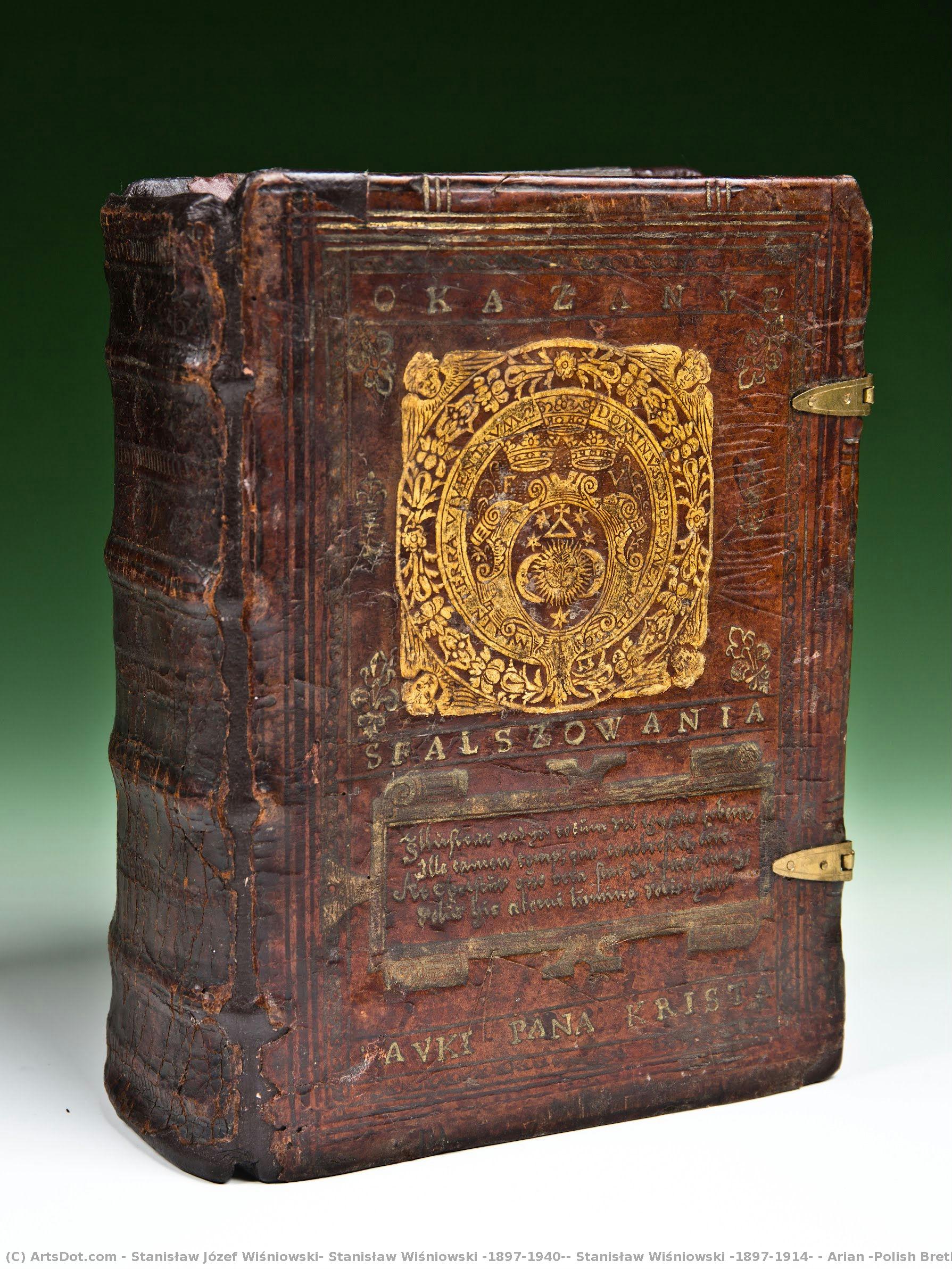
統計情報Arian (Polish Brethren) Explanation of Jesus Christ


Explore the captivating world of Stanisław Wiśniowski, a Polish artist known for his portraits and landscapes reflecting early 20th-century realism; discover his compelling works and artistic legacy today.
 詳細を見る
詳細を見る
ジークレー/アートプリント
迅速な制作と多彩な仕上げオプションを備えた、ミュージアムクオリティのジークレーまたはキャンバスプリント。 ( 手描きの絵画を購入 デジタル画像販売へ切り替え)




































標準サイズ
オーダーメイド
CM
INCH
作品のオリジナル比率に合わせた、当店の規定サイズからお選びください。
Loading sizes...

幅
高さ
特定のフレームやスペースに合わせて、ご自身でサイズを指定することも可能です。選択されたサイズが元の画像の比率と一致しない場合、作品をトリミングするか、鏡面反射または単色での塗りつぶしによって画像を拡張いたします。制作を開始する前に、ご確認用のデジタルモックアップをお送りいたします。
画面上のプレビューには、実際のトリミングや拡張は反映されませんのでご注意ください。最終的な構図を正確に確認できるのは、モックアップのみとなります。
カスタムサイズも承っておりますが、元の比率を維持するためには、あらかじめ用意されたリストからサイズを選択することをお勧めいたします。


 ガラスオプションは、110cm未満のサイズでのみご利用いただけます。

Arian (Polish Brethren) Explanation of Jesus Christ
ジークレー/アートプリント
複製画のサイズ
-


合計金額
$ 62
関連作品









アーティストの略歴
The Enigmatic World of Stanisław Wiśniowski
Stanisław Wiśniowski, a name resonating with quiet intensity in the annals of Polish art, presents a fascinating study in artistic evolution and resilience. Born in 1897, his life unfolded against a backdrop of immense political and social upheaval – from the waning days of the Austro-Hungarian Empire through both World Wars and into the nascent years of Communist Poland. While biographical details remain somewhat fragmented, obscured by the turbulence of the times, what *does* emerge is a portrait of an artist deeply connected to his homeland, profoundly influenced by its folklore and landscapes, yet striving for a distinctly modern visual language. His early life was steeped in the traditions of rural Poland; this formative period would become a recurring motif throughout his oeuvre, not as simple pastoral depictions but as symbolic explorations of national identity and collective memory. The Wiśniowski family possessed modest means, fostering an environment where resourcefulness and observation were valued – qualities that undoubtedly shaped Stanisław’s artistic approach. He received formal training at the Kraków Academy of Fine Arts, a prestigious institution known for its emphasis on realism and historical painting, but quickly gravitated towards more experimental forms, absorbing influences from Symbolism and early Expressionism.From Folklore to Modernity: Artistic Development
Wiśniowski's initial works demonstrate a clear fascination with Polish folk art – particularly the vibrant colors and stylized figures of traditional woodcuts and painted furniture. However, he wasn’t interested in mere replication; instead, he sought to distill the *essence* of this aesthetic, stripping it down to its core elements and reassembling them within a contemporary framework. This period saw him experimenting with flattened perspectives, bold outlines, and a deliberately naive quality that belied a sophisticated understanding of composition and color theory.- Early Influences: Polish folk art, Symbolism, Expressionism.
- Key Characteristics (early period): Flattened perspectives, bold outlines, naive style, vibrant colors.
- Recurring Themes: Rural life, peasant figures, national identity, folklore motifs.
Major Achievements and Artistic Style
While Wiśniowski never achieved widespread international recognition during his lifetime, he became a respected figure within Polish artistic circles. His most significant achievement lies in the creation of a uniquely personal style that managed to reconcile seemingly disparate influences. He developed a distinctive visual vocabulary characterized by:- Stylistic Features: Fragmented forms, dynamic compositions, symbolic use of color, psychological intensity.
- Dominant Palette: Earth tones juxtaposed with vibrant blues and reds; often employing a limited but impactful range of colors.
- Key Subjects: Landscapes imbued with emotional resonance, portraits reflecting the inner lives of his subjects, allegorical scenes exploring themes of loss and resilience.