

 プレビュー
プレビュー
 シェアする
シェアする シェアする
シェアする
 詳細を見る
詳細を見る

 ダウンロード
 似ている作品
 X線調査
X線調査 スライドショー
 統計情報
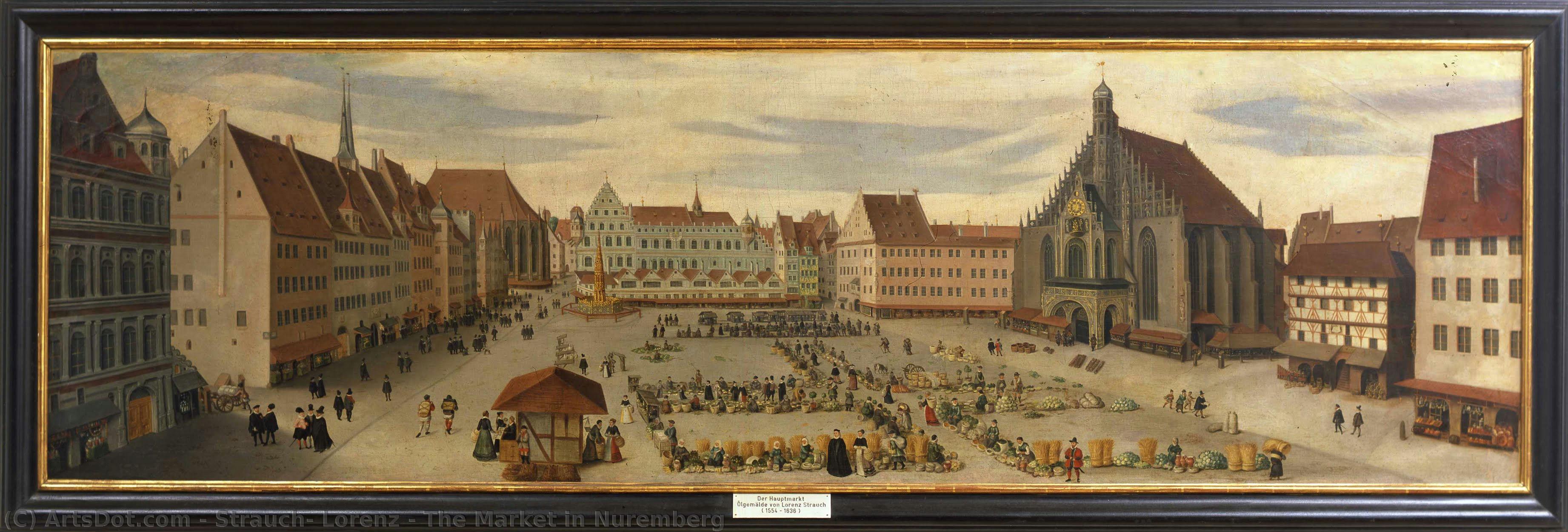
統計情報The Market in Nuremberg


 詳細を見る
詳細を見る
手描き油彩複製画
当社のアーティストが、お客様のご希望のサイズと額縁に合わせて、キャンバスに手描きで制作する油彩画です。 ( プリント版に切り替え デジタル画像販売へ切り替え)




































作品のオリジナル比率に合わせた、当店の規定サイズからお選びください。

特定のフレームやスペースに合わせて、ご希望のサイズをご入力いただけます。選択されたサイズが元の画像の比率と異なる場合、アートワークをトリミングするか、手描きで要素を追加して絵画を拡張いたします。デジタルモックアップ を制作し、制作開始前にご確認(承認)をいただきます。
画面上のプレビューは、実際のトリミングや拡張を正確に反映しているものではありません。最終的な構図は、モックアップによってのみ正確にご確認いただけます。
カスタムサイズもご利用いただけますが、元の比率を維持するためには、あらかじめ用意されたリストからサイズを選択することをお勧めいたします。
ご注文後、ArtsDot.com チームより詳細な指示をお送りするとともに、仕上がりイメージ(モックアップ)をご提供いたします。


 ガラスオプションは、110cm未満のサイズでのみご利用いただけます。

The Market in Nuremberg
複製技法
複製画のサイズ
-


合計金額
$ 263
関連作品










アーティストの略歴
Michelangelo Anselmi: A Parma Master of Renaissance and Mannerist Grace
Michelangelo Anselmi, a name perhaps less familiar than those of his contemporaries, nevertheless stands as a significant figure in the artistic landscape of 16th-century Italy. Born around 1492, likely in Tuscany or Lucca, Anselmi’s journey led him to Parma, where he spent much of his career and left behind a legacy of elegant frescoes, devotional panels, and meticulously rendered portraits. His work represents a fascinating confluence of Renaissance ideals with the emerging stylistic complexities of Mannerism, offering a glimpse into the evolving artistic sensibilities of the period.
Anselmi’s early life remains somewhat shrouded in mystery, though his family background—a Parmesan lineage tracing back to Langobard origins—provided him with a foundation for artistic pursuits. He received training primarily from Il Sodoma and Domenico Beccafumi in Siena, absorbing the principles of both Renaissance classicism and the burgeoning Mannerist tendencies that were beginning to challenge established norms. These influences shaped his approach to composition, color, and figure treatment, resulting in works characterized by a refined elegance and an awareness of spatial ambiguity – hallmarks of the Mannerist style.
Anselmi’s time in Parma proved to be exceptionally productive. He quickly gained commissions from prominent patrons, including the Duomo and San Giovanni Evangelista, where he executed elaborate frescoes that showcased his technical skill and artistic vision. Notable among these are the depictions within San Giovanni Evangelista, demonstrating a mastery of perspective and a delicate handling of drapery. His altarpiece for the Duomo, *Madonna with Saint Sebastian and Saint Roch*, exemplifies his ability to imbue religious subjects with a sense of intimate grace and emotional depth. Furthermore, he contributed significantly to the Oratorio della Concezione, creating a series of narrative frescoes depicting the life of the Virgin Mary – a testament to his capacity for complex storytelling through visual imagery.
Beyond these large-scale projects, Anselmi produced numerous individual works, including portraits and devotional panels. His *Baptism of Christ* for the Church of San Prospero in Reggio Emilia is particularly noteworthy, revealing a sophisticated understanding of light and shadow and a subtle attention to detail. His paintings often feature a refined elegance and a sense of quiet contemplation, reflecting the prevailing mood of the late Renaissance. The *Adoration of the Magi*, completed after his death with the assistance of Bernardino Gatti, stands as a poignant example of his artistic skill and enduring influence – a grand composition that beautifully blends elements of both Mannerist and High Renaissance styles.
The Influence of Titian and Venetian Painting
Anselmi’s work demonstrates a clear debt to the art of Venice, particularly the paintings of Titian. The vibrant colors, loose brushwork, and emphasis on atmospheric effects in his compositions echo the innovations that were transforming the Venetian school of painting during this period. Titian's influence is evident in Anselmi’s use of color—a rich palette of reds, blues, and golds—and his willingness to experiment with light and shadow to create a sense of depth and luminosity. The subtle modeling of forms, reminiscent of Titian’s approach, contributes to the overall elegance and refinement of his paintings.
However, Anselmi's style is not simply a mimicry of Venetian techniques. He retains a distinctly Italian sensibility, incorporating elements of Renaissance classicism and Mannerist abstraction into his work. His compositions are often characterized by a sense of spatial ambiguity—figures seem to float within shallow spaces, creating an illusionistic effect that draws the viewer into the scene. This departure from traditional perspective reflects the growing interest in exploring the possibilities of visual representation during the Mannerist period.
Sofonisba Anguissola: A Sister Artist and Shared Context
Michelangelo Anselmi’s career unfolded within a broader artistic milieu shaped by the remarkable achievements of his sister, Sofonisba Anguissola. As one of six artist sisters—Lucia, Europa, Elena, Minerva, and Anna-Maria—the Anguissolas represented an extraordinary phenomenon in Renaissance art: women actively engaged in the pursuit of artistic excellence. Their father, Amilcare Anguissola, a member of the Genoese minor nobility, recognized their potential and provided them with a humanist education that included painting, music, and literature.
Sofonisba’s pioneering status as the first woman artist to achieve international renown profoundly influenced her brother. Her self-portraits, in particular, served as models for Anselmi's own depictions of himself, demonstrating a shared interest in exploring themes of identity, beauty, and artistic skill. The Anguissolas’ privileged background—a rarity among female artists of the time—allowed them to receive training from leading masters such as Bernardino Campi, contributing to their success and shaping their artistic development.
Key Works and Legacy
Michelangelo Anselmi's oeuvre comprises a diverse range of works that reflect his versatility and artistic skill. Among his most celebrated paintings are the frescoes in San Giovanni Evangelista, the altarpiece *Madonna with Saint Sebastian and Saint Roch*, the *Baptism of Christ* for San Prospero, and the *Adoration of the Magi*. These works demonstrate his mastery of fresco technique, his ability to create compelling narratives, and his sensitivity to the emotional nuances of religious subjects. His self-portraits, particularly those depicting himself with a sketchbook, offer insights into his artistic process and his intellectual curiosity.
Despite not achieving the same level of fame as some of his contemporaries, Michelangelo Anselmi’s contribution to the art of the 16th century is undeniable. His paintings represent a synthesis of Renaissance ideals and Mannerist innovations, reflecting the evolving artistic sensibilities of the period. His legacy endures through his exquisite works, which continue to be admired for their elegance, grace, and technical skill. He remains a testament to the creativity and talent that flourished within the vibrant artistic landscape of Parma.
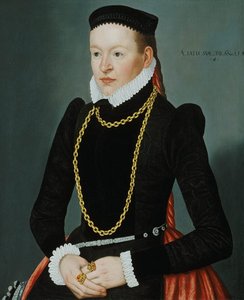
strauch, lorenz
1554 - 1630 , Germany
基本情報
- Artistic Movement Or Style: Renaissance painting
- Artists Or Movements Influenced By This Artist: ['Giorgione']
- Artists Who Influenced This Artist: ['Michelangelo Anselmi']
- Date Of Birth: c. 1488/90
- Date Of Death: 27 August 1576
- Full Name: Tiziano Vecellio (Titian)
- Nationality: Venetian
- Notable Artworks:
- Bacchus and Ariadne
- Venus of Urbino
- Assumption of the Virgin
- Place Of Birth: Pieve di Cadore, Italy