

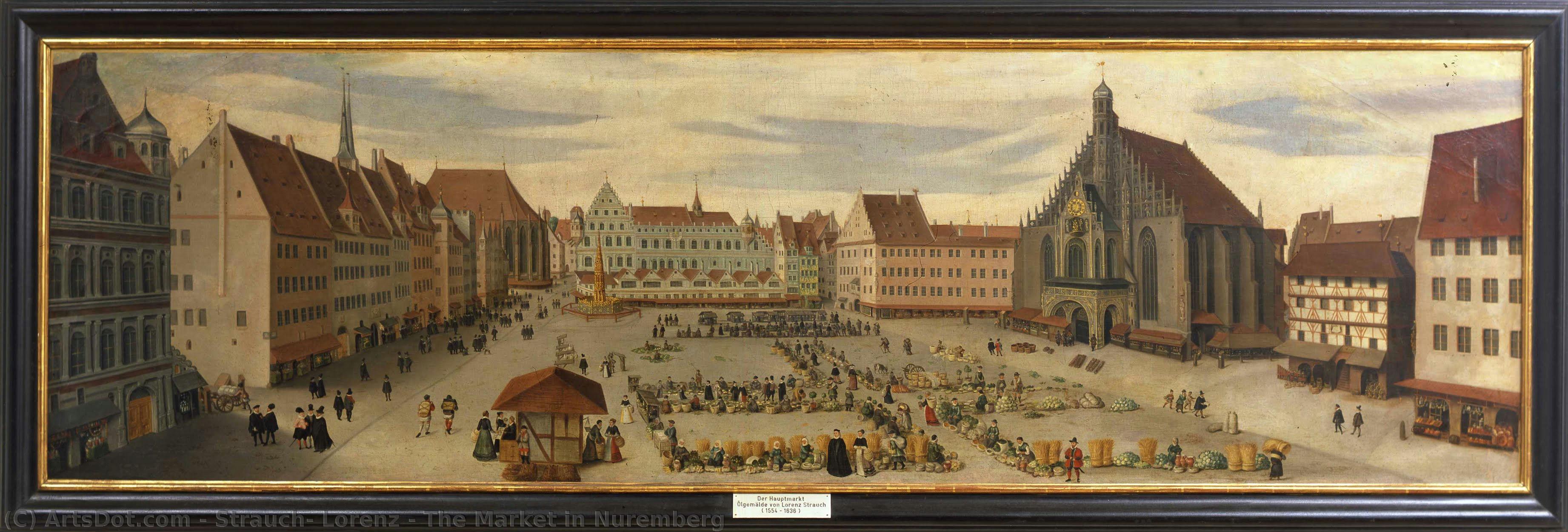
 プレビュー
プレビュー
 シェアする
シェアする シェアする
シェアする
 詳細を見る
詳細を見る

 ダウンロード
 似ている作品
 X線調査
X線調査 スライドショー
 統計情報
統計情報The Market in Nuremberg


 詳細を見る
詳細を見る
オンラインプレビューをはるかに凌ぐ、高解像度で鮮明なデジタル画像をご購入いただけます。
各ファイルは、社内の専門家が高度なツールと熟練した手作業によるレタッチを用いて、細心の注意を払って準備されています。すべての画像において、卓越した鮮明度、正確な色彩再現性、そして繊細なディテールを保証いたします。
最終ファイルは、プロフェッショナルな編集・印刷環境ですぐにご利用いただけるよう最適化された状態で、72時間以内にメールにてお届けいたします。これは、一流のデザインスタジオ、出版社、ギャラリーから信頼されているものと同等の品質です。
デジタルアート
個人での鑑賞、印刷、クリエイティブなプロジェクト用に、高解像度ファイルをダウンロードできます。 ( プリント版に切り替え 手描きの絵画を購入)
デジタル画像のご注文に付随する特典
高品質なデジタル画像配信を、確かな品質で。
ArtsDot.com を選ぶことは、単に画像を手に入れることではありません。それは、プロの手によって精密に仕上げられ、満足保証が付いた高品質なデジタルアートワークを受け取ることを意味します。ご注文いただいた際に自動的に付随する内容は、以下の通りです:

メールですぐにお届け
ご注文から72時間以内に、高解像度のデジタル画像ファイルがメールでお手元に届きます。すぐにそのままご利用いただけます。

AI技術で最適化されたデジタルファイル
お客様の作品は、高度なAIツールと専門家による手作業の編集を組み合わせてプロフェッショナルに最適化されており、細部のディテール、鮮明さ、そして正確な色再現性を最大限に引き出しています。

一生涯無料の再送サービス
ファイルを誤って削除したり、紛失してしまったりしましたか?ご安心ください。いつでも無料で再送いたします。

輸入手数料は一切かかりません
関税や手数料、配送料を気にすることなく、お気に入りのアートワークをすぐにお楽しみいただけます。デジタルダウンロードは常に免税です。

色彩再現の保証
プロ仕様のツールとカラーマネジメント技術を用いることで、デジタル画像が元の色を最大限に忠実に再現することを保証いたします。

100日間満足保証
ご購入いただいたデジタル画像にご満足いただけない場合は、100日以内であれば、理由を問わず修正または100%の返金対応をさせていただきます。

100% 返金保証
ご満足いただけない場合は、デジタルファイルを受け取ってから100日以内であれば、理由を問わず全額返金いたします。

まとめ買い割引
3枚購入で10%OFF - 5枚購入で15%OFF - 10枚以上購入で20%OFF。クリエイティブなプロジェクト、ギャラリー、エージェンシーに最適です。
関連作品










作家の略歴
Michelangelo Anselmi: A Parma Master of Renaissance and Mannerist Grace
Michelangelo Anselmi, a name perhaps less familiar than those of his contemporaries, nevertheless stands as a significant figure in the artistic landscape of 16th-century Italy. Born around 1492, likely in Tuscany or Lucca, Anselmi’s journey led him to Parma, where he spent much of his career and left behind a legacy of elegant frescoes, devotional panels, and meticulously rendered portraits. His work represents a fascinating confluence of Renaissance ideals with the emerging stylistic complexities of Mannerism, offering a glimpse into the evolving artistic sensibilities of the period.
Anselmi’s early life remains somewhat shrouded in mystery, though his family background—a Parmesan lineage tracing back to Langobard origins—provided him with a foundation for artistic pursuits. He received training primarily from Il Sodoma and Domenico Beccafumi in Siena, absorbing the principles of both Renaissance classicism and the burgeoning Mannerist tendencies that were beginning to challenge established norms. These influences shaped his approach to composition, color, and figure treatment, resulting in works characterized by a refined elegance and an awareness of spatial ambiguity – hallmarks of the Mannerist style.
Anselmi’s time in Parma proved to be exceptionally productive. He quickly gained commissions from prominent patrons, including the Duomo and San Giovanni Evangelista, where he executed elaborate frescoes that showcased his technical skill and artistic vision. Notable among these are the depictions within San Giovanni Evangelista, demonstrating a mastery of perspective and a delicate handling of drapery. His altarpiece for the Duomo, *Madonna with Saint Sebastian and Saint Roch*, exemplifies his ability to imbue religious subjects with a sense of intimate grace and emotional depth. Furthermore, he contributed significantly to the Oratorio della Concezione, creating a series of narrative frescoes depicting the life of the Virgin Mary – a testament to his capacity for complex storytelling through visual imagery.
Beyond these large-scale projects, Anselmi produced numerous individual works, including portraits and devotional panels. His *Baptism of Christ* for the Church of San Prospero in Reggio Emilia is particularly noteworthy, revealing a sophisticated understanding of light and shadow and a subtle attention to detail. His paintings often feature a refined elegance and a sense of quiet contemplation, reflecting the prevailing mood of the late Renaissance. The *Adoration of the Magi*, completed after his death with the assistance of Bernardino Gatti, stands as a poignant example of his artistic skill and enduring influence – a grand composition that beautifully blends elements of both Mannerist and High Renaissance styles.
The Influence of Titian and Venetian Painting
Anselmi’s work demonstrates a clear debt to the art of Venice, particularly the paintings of Titian. The vibrant colors, loose brushwork, and emphasis on atmospheric effects in his compositions echo the innovations that were transforming the Venetian school of painting during this period. Titian's influence is evident in Anselmi’s use of color—a rich palette of reds, blues, and golds—and his willingness to experiment with light and shadow to create a sense of depth and luminosity. The subtle modeling of forms, reminiscent of Titian’s approach, contributes to the overall elegance and refinement of his paintings.
However, Anselmi's style is not simply a mimicry of Venetian techniques. He retains a distinctly Italian sensibility, incorporating elements of Renaissance classicism and Mannerist abstraction into his work. His compositions are often characterized by a sense of spatial ambiguity—figures seem to float within shallow spaces, creating an illusionistic effect that draws the viewer into the scene. This departure from traditional perspective reflects the growing interest in exploring the possibilities of visual representation during the Mannerist period.
Sofonisba Anguissola: A Sister Artist and Shared Context
Michelangelo Anselmi’s career unfolded within a broader artistic milieu shaped by the remarkable achievements of his sister, Sofonisba Anguissola. As one of six artist sisters—Lucia, Europa, Elena, Minerva, and Anna-Maria—the Anguissolas represented an extraordinary phenomenon in Renaissance art: women actively engaged in the pursuit of artistic excellence. Their father, Amilcare Anguissola, a member of the Genoese minor nobility, recognized their potential and provided them with a humanist education that included painting, music, and literature.
Sofonisba’s pioneering status as the first woman artist to achieve international renown profoundly influenced her brother. Her self-portraits, in particular, served as models for Anselmi's own depictions of himself, demonstrating a shared interest in exploring themes of identity, beauty, and artistic skill. The Anguissolas’ privileged background—a rarity among female artists of the time—allowed them to receive training from leading masters such as Bernardino Campi, contributing to their success and shaping their artistic development.
Key Works and Legacy
Michelangelo Anselmi's oeuvre comprises a diverse range of works that reflect his versatility and artistic skill. Among his most celebrated paintings are the frescoes in San Giovanni Evangelista, the altarpiece *Madonna with Saint Sebastian and Saint Roch*, the *Baptism of Christ* for San Prospero, and the *Adoration of the Magi*. These works demonstrate his mastery of fresco technique, his ability to create compelling narratives, and his sensitivity to the emotional nuances of religious subjects. His self-portraits, particularly those depicting himself with a sketchbook, offer insights into his artistic process and his intellectual curiosity.
Despite not achieving the same level of fame as some of his contemporaries, Michelangelo Anselmi’s contribution to the art of the 16th century is undeniable. His paintings represent a synthesis of Renaissance ideals and Mannerist innovations, reflecting the evolving artistic sensibilities of the period. His legacy endures through his exquisite works, which continue to be admired for their elegance, grace, and technical skill. He remains a testament to the creativity and talent that flourished within the vibrant artistic landscape of Parma.
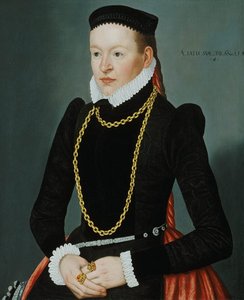
strauch, lorenz
1554 - 1630 , Germany
プロフィール概要
- Artistic Movement Or Style: Renaissance painting
- Artists Or Movements Influenced By This Artist: ['Giorgione']
- Artists Who Influenced This Artist: ['Michelangelo Anselmi']
- Date Of Birth: c. 1488/90
- Date Of Death: 27 August 1576
- Full Name: Tiziano Vecellio (Titian)
- Nationality: Venetian
- Notable Artworks:
- Bacchus and Ariadne
- Venus of Urbino
- Assumption of the Virgin
- Place Of Birth: Pieve di Cadore, Italy