

 プレビュー
プレビュー
 プリントを購入
 シェアする
シェアする シェアする
シェアする
 詳細を見る
詳細を見る

 ダウンロード
 似ている作品
 X線調査
X線調査 スライドショー
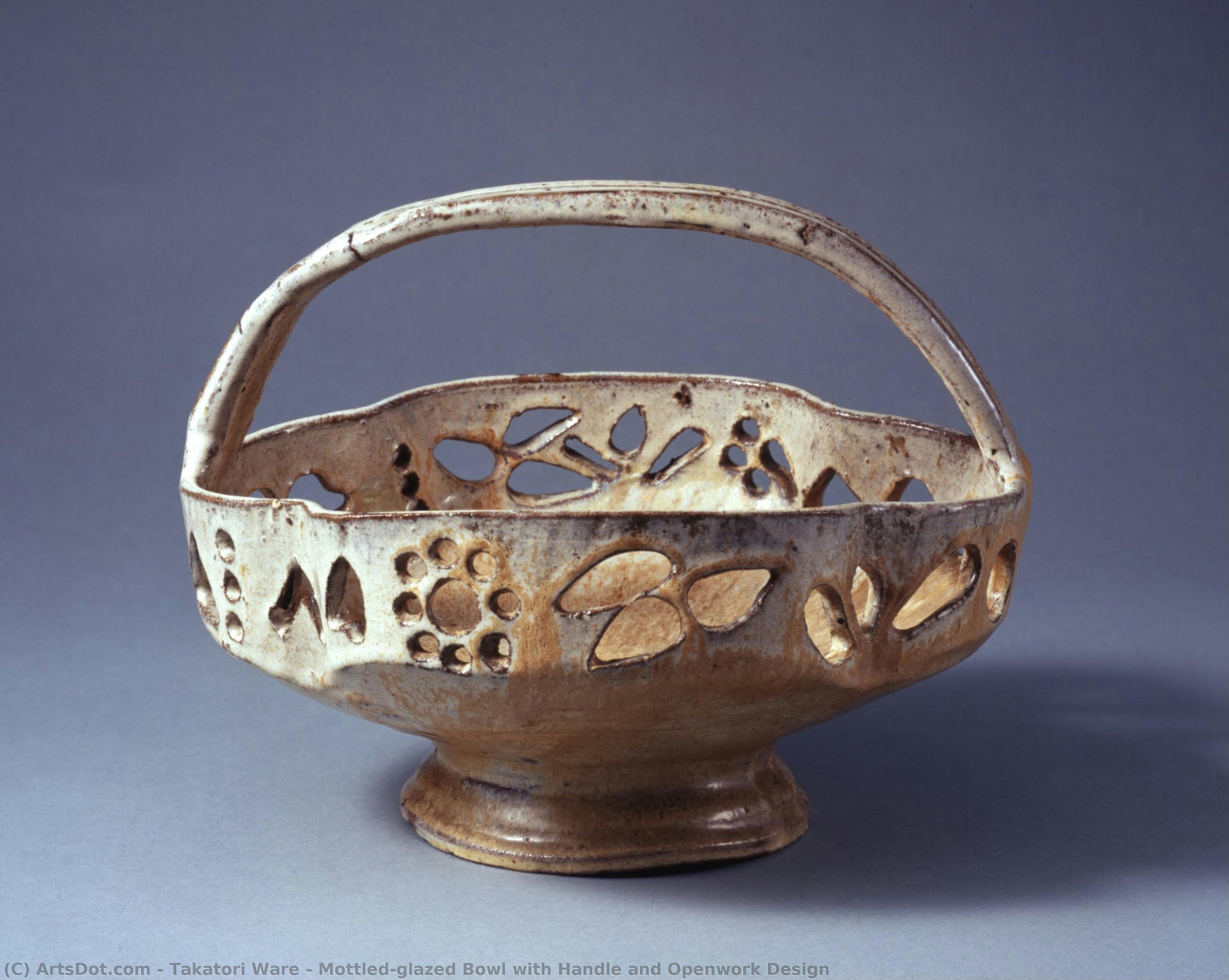
Mottled-glazed Bowl with Handle and Openwork Design

 詳細を見る
詳細を見る
オンラインプレビューをはるかに凌ぐ、高解像度で鮮明なデジタル画像をご購入いただけます。
各ファイルは、社内の専門家が高度なツールと熟練した手作業によるレタッチを用いて、細心の注意を払って準備されています。すべての画像において、卓越した鮮明度、正確な色彩再現性、そして繊細なディテールを保証いたします。
最終ファイルは、プロフェッショナルな編集・印刷環境ですぐにご利用いただけるよう最適化された状態で、72時間以内にメールにてお届けいたします。これは、一流のデザインスタジオ、出版社、ギャラリーから信頼されているものと同等の品質です。
デジタル画像のご注文に付随する特典
高品質なデジタル画像配信を、確かな品質で。
ArtsDot.com を選ぶことは、単に画像を手に入れることではありません。それは、プロの手によって精密に仕上げられ、満足保証が付いた高品質なデジタルアートワークを受け取ることを意味します。ご注文いただいた際に自動的に付随する内容は、以下の通りです:

メールですぐにお届け
ご注文から72時間以内に、高解像度のデジタル画像ファイルがメールでお手元に届きます。すぐにそのままご利用いただけます。

AI技術で最適化されたデジタルファイル
お客様の作品は、高度なAIツールと専門家による手作業の編集を組み合わせてプロフェッショナルに最適化されており、細部のディテール、鮮明さ、そして正確な色再現性を最大限に引き出しています。

一生涯無料の再送サービス
ファイルを誤って削除したり、紛失してしまったりしましたか?ご安心ください。いつでも無料で再送いたします。

輸入手数料は一切かかりません
関税や手数料、配送料を気にすることなく、お気に入りのアートワークをすぐにお楽しみいただけます。デジタルダウンロードは常に免税です。

色彩再現の保証
プロ仕様のツールとカラーマネジメント技術を用いることで、デジタル画像が元の色を最大限に忠実に再現することを保証いたします。

100日間満足保証
ご購入いただいたデジタル画像にご満足いただけない場合は、100日以内であれば、修正または100%の返金(理由を問う必要はありません)をさせていただきます。

100% 返金保証
ご満足いただけない場合は、デジタルファイルを受け取ってから100日以内であれば、理由を問わず全額返金いたします。

まとめ買い割引
3枚購入で10%OFF - 5枚購入で15%OFF - 10枚以上購入で20%OFF。クリエイティブなプロジェクト、ギャラリー、エージェンシーに最適です。
関連作品










作家の略歴
The Soul of the Kiln: The Legacy of Takatori Ware
Takatori ware stands as a singular testament to Japan’s artistic heritage—a ceramic tradition born from Korean craftsmanship, nurtured by feudal patronage, and refined into an emblem of elegance and understated beauty. Its story unfolds across centuries, interwoven with tales of migration, innovation, and the enduring pursuit of kirei-sabi, or rustic simplicity, a philosophy championed by tea master Kobori Enshū that continues to inspire artisans today. The essence of this stoneware lies in its ability to bridge the gap between the rugged utility of early Korean techniques and the sophisticated aesthetic demands of the Japanese tea ceremony.
The tale begins in 1609 when Kuroda Nagamasa, victor of Sekigahara and ruler of Chikuzen Province, invited Hachizan, a Korean potter renowned for his mastery of stoneware techniques, to establish a kiln at Mt. Takatori—the very site that would bear the potter’s name. This influx of Korean expertise marked a pivotal moment, introducing new firing methods and aesthetic sensibilities into Japan’s ceramic landscape. The initial kilns produced utilitarian wares—bowls and plates—primarily utilizing dark clay and simple ash glazes reflecting the pragmatic spirit of the era.
A Synthesis of Tradition and Innovation
Recognizing the potential for greater productivity, Hachizan relocated his workshop to Uchigaso in 1614. This move coincided with Kuroda Nagamasa’s decision to appoint Enshū as his advisor—a partnership that profoundly shaped Takatori ware's artistic trajectory. Under Enshū’s guidance, the craft moved beyond mere utility toward a deliberate artistic expression. The potter perfected styles characterized by intentionally irregular shapes and textures, a bold departure from earlier forms, embracing techniques that emphasized subtle variations in glaze color and surface sheen.
This stylistic hallmark embodies the spirit of kirei-sabi, prioritizing natural beauty over meticulous ornamentation. One can observe this mastery in pieces such as mottled-glazed bowls, where a straw-colored glaze covers the form, revealing subtle changes that highlight a light yellowish-brown color distinctive to straw ash glaze. These works often feature complex decorative elements like openwork motifs representing the seven stars of the Big Dipper, bamboo leaves, or gourds, all rendered with a sense of balanced asymmetry that honors the organic nature of the clay.
Evolution and Historical Significance
Following the death of Hachizan, his son Hachirōemon continued the Takatori tradition, establishing a second kiln at Tsuzumi. This period witnessed a flourishing of the craft as it expanded its horizons. Over the course of the seventeenth century, the site of Takatori production moved several times, eventually settling in the Nishijin area west of the Kuroda castle in Fukuoka. By the nineteenth century, the Takatori style had earned its place among the Seven Famous Kilns of Enshū, a prestigious designation that solidified its reputation for creating wares specifically tailored to the refined preferences of tea ceremony masters.
The historical significance of Takatori ware extends beyond its physical beauty; it represents a cultural fusion. The lineage of the craft is also deeply connected to the development of Koishiwara ware (formerly known as Nakano ware). In 1682, the relocation of the Korean-founded Takatori workshop to nearby Tsuzumi led to the birth of pottery in Koishiwara, demonstrating how the movement of artisans and the patronage of the Kuroda lords acted as a catalyst for regional ceramic evolution. Today, Takatori ware remains a vital part of Japan’s ceramic heritage, embodying a timeless dialogue between earth, fire, and the human spirit.
takatori ware
Japan
プロフィール概要
- Artistic Movement Or Style: Traditional Japanese kiln
- Artists Or Movements Influenced By This Artist: ['Kobori Enshū']
- Artists Who Influenced This Artist: ['Korean potters']
- Full Name: Takatori ware
- Nationality: Japanese
- Notable Artworks: ['Mottled-glazed Bowl with Handle and Openwork Design']
- Place Of Birth: Japan