

 プレビュー
プレビュー
 シェアする
シェアする シェアする
シェアする
 詳細を見る
詳細を見る

 ダウンロード
 似ている作品
 X線調査
X線調査 スライドショー
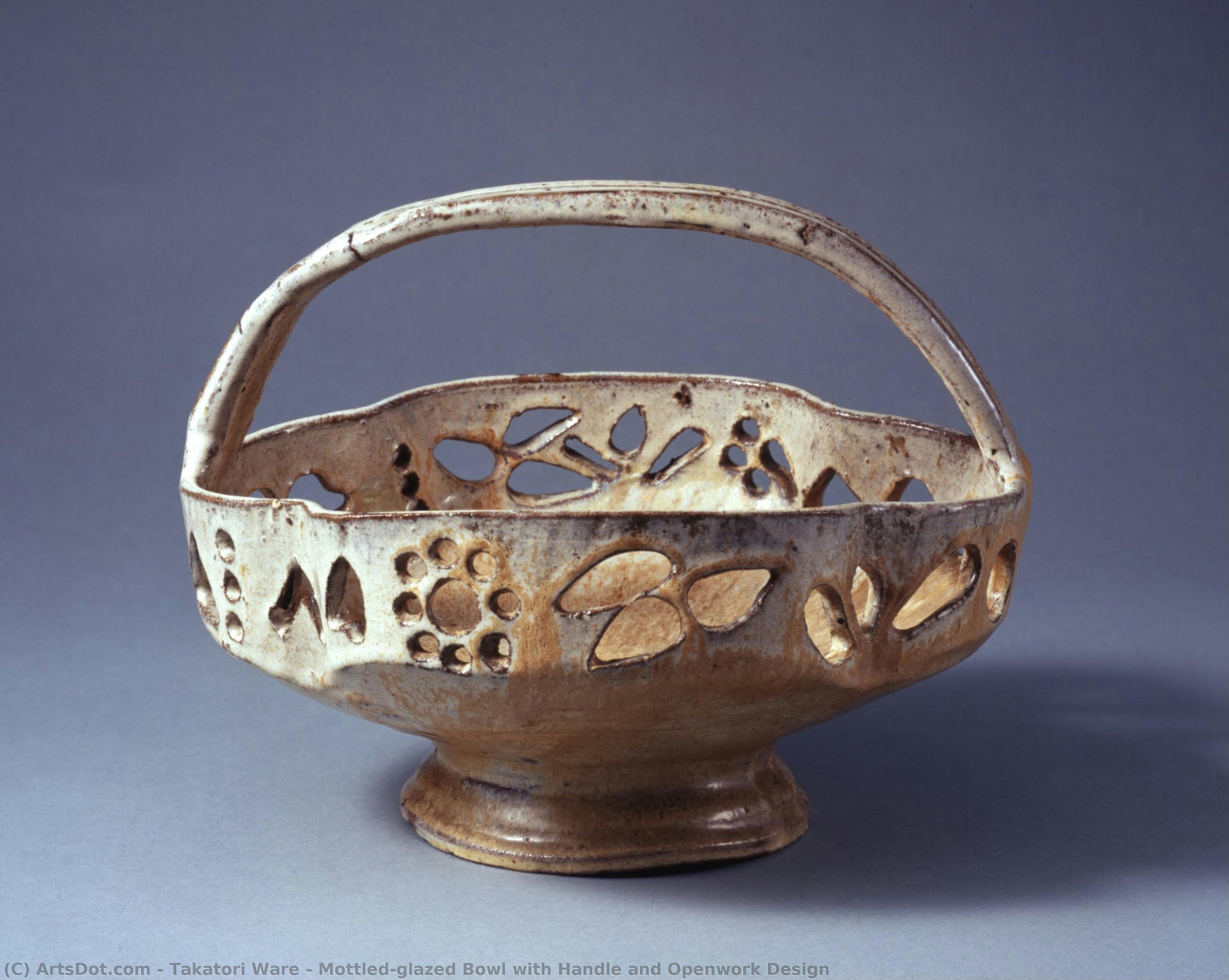
Mottled-glazed Bowl with Handle and Openwork Design

 詳細を見る
詳細を見る
ジークレー/アートプリント
迅速な制作と多彩な仕上げオプションを備えた、ミュージアムクオリティのジークレーまたはキャンバスプリント。 ( 手描きの絵画を購入 画像を購入)




































作品のオリジナル比率に合わせた、当店の規定サイズからお選びください。

特定のフレームやスペースに合わせて、ご自身でサイズを指定することも可能です。選択されたサイズが元の画像の比率と一致しない場合、作品をトリミングするか、鏡面反射または単色での塗りつぶしによって画像を拡張いたします。制作を開始する前に、ご確認用のデジタルモックアップをお送りいたします。
画面上のプレビューには、実際のトリミングや拡張は反映されませんのでご注意ください。最終的な構図を正確に確認できるのは、モックアップのみとなります。
カスタムサイズも承っておりますが、元の比率を維持するためには、あらかじめ用意されたリストからサイズを選択することをお勧めいたします。


 ガラスオプションは、110cm未満のサイズでのみご利用いただけます。

Mottled-glazed Bowl with Handle and Openwork Design
ジークレー/アートプリント
複製画のサイズ
-


合計金額
$ 62
関連作品










アーティストの略歴
The Soul of the Kiln: The Legacy of Takatori Ware
Takatori ware stands as a singular testament to Japan’s artistic heritage—a ceramic tradition born from Korean craftsmanship, nurtured by feudal patronage, and refined into an emblem of elegance and understated beauty. Its story unfolds across centuries, interwoven with tales of migration, innovation, and the enduring pursuit of kirei-sabi, or rustic simplicity, a philosophy championed by tea master Kobori Enshū that continues to inspire artisans today. The essence of this stoneware lies in its ability to bridge the gap between the rugged utility of early Korean techniques and the sophisticated aesthetic demands of the Japanese tea ceremony.
The tale begins in 1609 when Kuroda Nagamasa, victor of Sekigahara and ruler of Chikuzen Province, invited Hachizan, a Korean potter renowned for his mastery of stoneware techniques, to establish a kiln at Mt. Takatori—the very site that would bear the potter’s name. This influx of Korean expertise marked a pivotal moment, introducing new firing methods and aesthetic sensibilities into Japan’s ceramic landscape. The initial kilns produced utilitarian wares—bowls and plates—primarily utilizing dark clay and simple ash glazes reflecting the pragmatic spirit of the era.
A Synthesis of Tradition and Innovation
Recognizing the potential for greater productivity, Hachizan relocated his workshop to Uchigaso in 1614. This move coincided with Kuroda Nagamasa’s decision to appoint Enshū as his advisor—a partnership that profoundly shaped Takatori ware's artistic trajectory. Under Enshū’s guidance, the craft moved beyond mere utility toward a deliberate artistic expression. The potter perfected styles characterized by intentionally irregular shapes and textures, a bold departure from earlier forms, embracing techniques that emphasized subtle variations in glaze color and surface sheen.
This stylistic hallmark embodies the spirit of kirei-sabi, prioritizing natural beauty over meticulous ornamentation. One can observe this mastery in pieces such as mottled-glazed bowls, where a straw-colored glaze covers the form, revealing subtle changes that highlight a light yellowish-brown color distinctive to straw ash glaze. These works often feature complex decorative elements like openwork motifs representing the seven stars of the Big Dipper, bamboo leaves, or gourds, all rendered with a sense of balanced asymmetry that honors the organic nature of the clay.
Evolution and Historical Significance
Following the death of Hachizan, his son Hachirōemon continued the Takatori tradition, establishing a second kiln at Tsuzumi. This period witnessed a flourishing of the craft as it expanded its horizons. Over the course of the seventeenth century, the site of Takatori production moved several times, eventually settling in the Nishijin area west of the Kuroda castle in Fukuoka. By the nineteenth century, the Takatori style had earned its place among the Seven Famous Kilns of Enshū, a prestigious designation that solidified its reputation for creating wares specifically tailored to the refined preferences of tea ceremony masters.
The historical significance of Takatori ware extends beyond its physical beauty; it represents a cultural fusion. The lineage of the craft is also deeply connected to the development of Koishiwara ware (formerly known as Nakano ware). In 1682, the relocation of the Korean-founded Takatori workshop to nearby Tsuzumi led to the birth of pottery in Koishiwara, demonstrating how the movement of artisans and the patronage of the Kuroda lords acted as a catalyst for regional ceramic evolution. Today, Takatori ware remains a vital part of Japan’s ceramic heritage, embodying a timeless dialogue between earth, fire, and the human spirit.
takatori ware
Japan
基本情報
- Artistic Movement Or Style: Traditional Japanese kiln
- Artists Or Movements Influenced By This Artist: ['Kobori Enshū']
- Artists Who Influenced This Artist: ['Korean potters']
- Full Name: Takatori ware
- Nationality: Japanese
- Notable Artworks: ['Mottled-glazed Bowl with Handle and Openwork Design']
- Place Of Birth: Japan