

 プレビュー
プレビュー
 シェアする
シェアする シェアする
シェアする
 詳細を見る
詳細を見る

 ダウンロード
 似ている作品
 X線調査
X線調査 スライドショー
 統計情報
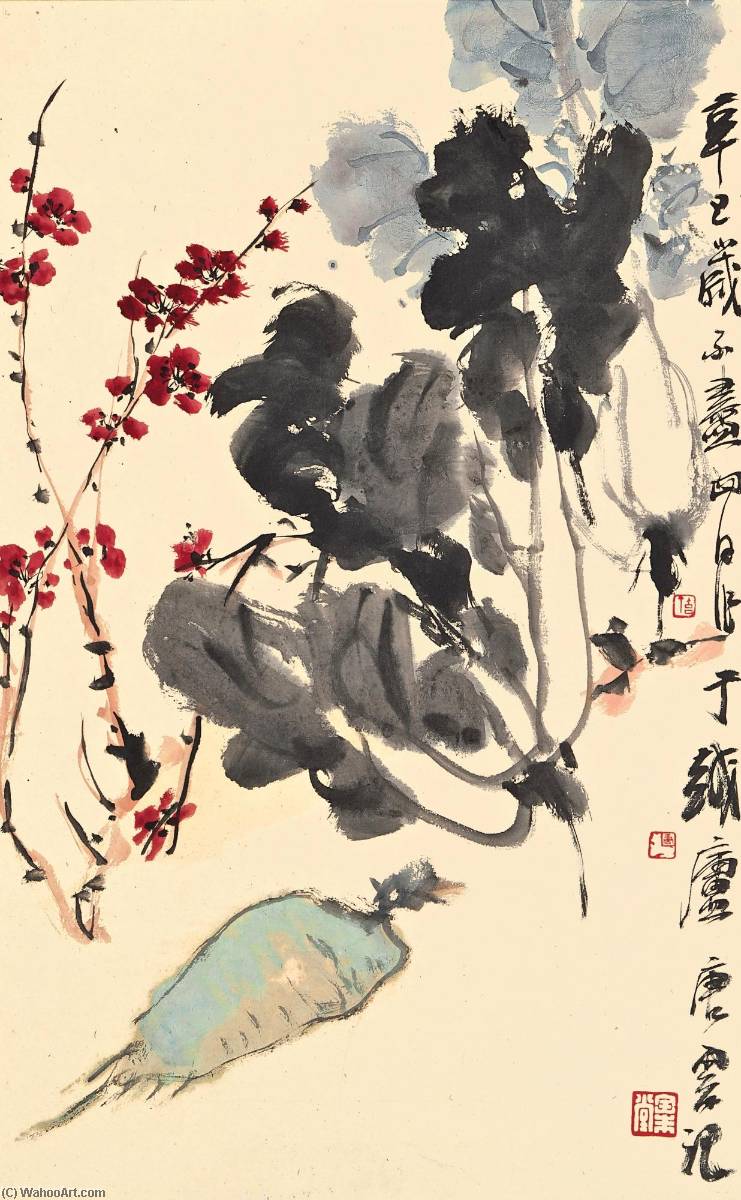
統計情報Plum Blossoms and Vegetables
 66.0 x 41.0 cm
Explore the evocative paintings of Tang Yun, a contemporary Chinese artist known for landscapes, historical narratives & floral motifs. Discover his unique style!
 詳細を見る
詳細を見る
手描き油彩複製画
当社のアーティストが、お客様のご希望のサイズと額縁に合わせて、キャンバスに手描きで制作する油彩画です。 ( プリント版に切り替え デジタル画像販売へ切り替え)




































標準サイズ
オーダーメイド
CM
INCH
作品のオリジナル比率に合わせた、当店の規定サイズからお選びください。
Loading sizes...

幅
高さ
特定のフレームやスペースに合わせて、ご希望のサイズをご入力いただけます。選択されたサイズが元の画像の比率と異なる場合、アートワークをトリミングするか、手描きで要素を追加して絵画を拡張いたします。デジタルモックアップ を制作し、制作開始前にご確認(承認)をいただきます。
画面上のプレビューは、実際のトリミングや拡張を正確に反映しているものではありません。最終的な構図は、モックアップによってのみ正確にご確認いただけます。
カスタムサイズもご利用いただけますが、元の比率を維持するためには、あらかじめ用意されたリストからサイズを選択することをお勧めいたします。
カスタマイズの例:顔をお客様の写真に置き換える、ペットを追加する(例:猫を犬に変更)、背景に隠れたメッセージを入れる、背景の風景や要素を変更するなど。
ご注文後、ArtsDot.com チームより詳細な指示をお送りするとともに、仕上がりイメージ(モックアップ)をご提供いたします。
ご注文後、ArtsDot.com チームより詳細な指示をお送りするとともに、仕上がりイメージ(モックアップ)をご提供いたします。


 ガラスオプションは、110cm未満のサイズでのみご利用いただけます。

Plum Blossoms and Vegetables
複製技法
複製画のサイズ
-


合計金額
$ 263
関連作品









アーティストの略歴
Tang Yun (1910 – 1993): A Legacy of Landscape and Symbol
Tang Yun, born in Hangzhou, Zhejiang Province in 1910, was a pivotal figure in twentieth-century Chinese painting. From his early apprenticeship with traditional artists to his distinguished career as Vice Chairman of the Shanghai Branch of the China Artists Association and Honorary President of the Shanghai Chinese Painting Academy, Tang Yun’s artistic journey reflected the evolving cultural landscape of modern China. His profound understanding of classical aesthetics combined with a masterful command of ink wash technique cemented his place among China's most celebrated painters.- Early Life & Artistic Beginnings: Tang Yun’s fascination with drawing and painting began in childhood, nurtured by exposure to the artistic traditions of Hangzhou. He honed his skills through intensive study under renowned masters, establishing a foundation for his future creative endeavors.
- Academic Career & Shanghai Influence: Following graduation from Peking University in 1934, Tang Yun joined the Shanghai Xinhua Art Training School and subsequently lectured at the Shanghai Fine Art Training School, shaping generations of aspiring artists. His role as Vice Chairman of the Shanghai Branch of the China Artists Association underscored his commitment to fostering artistic excellence within Shanghai’s vibrant cultural scene.
- The Pursuit of Landscape Painting: Tang Yun's artistic focus centered on landscape painting—a genre deeply rooted in Chinese philosophical and aesthetic ideals. He drew inspiration from poets like Wang Wei, whose verses explored the sublime beauty of nature and conveyed profound spiritual insights. His paintings captured serene vistas and meticulously rendered details, embodying a harmonious blend of observation and imagination.
- Notable Works & Artistic Style: Tang Yun’s oeuvre encompasses numerous acclaimed pieces—including “Returning Fishermen” and “Duke Wen of Jin Recovering His State”—each demonstrating his exceptional brushwork and masterful execution. His distinctive style characterized by subtle tonal variations and expressive compositional arrangements distinguished him from contemporaries, securing his reputation as a visionary artist.
- Legacy & Recognition: Tang Yun’s contributions to Chinese art were recognized throughout his lifetime—receiving numerous awards and accolades for his artistic achievements. Furthermore, he established the K. S. Lo Teaware Museum in Hong Kong, showcasing his passion for collecting Yixing teapots and promoting cultural heritage. His enduring influence continues to inspire artists today, ensuring that Tang Yun’s legacy persists as a cornerstone of Chinese art history.
Influences & Artistic Philosophy
Tang Yun's artistic vision was profoundly shaped by Confucianism and Daoism—philosophical traditions that emphasized harmony with nature and the pursuit of moral virtue. These beliefs permeated his creative process, informing his selection of subjects and guiding his stylistic choices. He sought to capture not merely visual representations of landscapes but also their underlying spiritual essence—reflecting a deep appreciation for the interconnectedness between humanity and the natural world.- Wang Wei’s Poetry: Tang Yun consistently cited Wang Wei's poetry as a primary source of inspiration, recognizing its ability to evoke profound emotions and convey transcendent beauty.
- Classical Aesthetics: He adhered rigorously to classical aesthetic principles—emphasizing balance, simplicity, and restraint—resulting in paintings that possessed an understated elegance and timeless appeal.
- Daoist Harmony: Tang Yun’s artistic philosophy embraced Daoist ideals of harmony and spontaneity—believing that true beauty resided in embracing the natural rhythms of existence without imposing artificial constraints.
Major Achievements & Artistic Recognition
Throughout his illustrious career, Tang Yun garnered widespread acclaim for his artistic prowess—receiving numerous awards and honors from prestigious institutions across China. His paintings were exhibited internationally, establishing him as a globally recognized figure in contemporary art. Furthermore, he served as Honorary President of the Shanghai Chinese Painting Academy, nurturing talent and promoting artistic excellence within Shanghai’s cultural community.- Shanghai Branch of China Artists Association: Tang Yun's leadership role at the Shanghai Branch solidified his position as a prominent voice in advocating for artistic freedom and fostering dialogue between art and society.
- K. S. Lo Teaware Museum: His establishment of the K. S. Lo Teaware Museum underscored his dedication to preserving cultural heritage and sharing his passion for Yixing teapots with audiences worldwide.
Historical Significance & Artistic Legacy
Tang Yun’s artistic legacy extends far beyond his individual achievements—representing a pivotal moment in China's artistic revival following the Second Sino-Japanese War. His paintings embody the spirit of resilience and renewal—affirming the enduring power of classical aesthetics to inspire creativity and convey profound spiritual insights. Tang Yun’s influence continues to resonate within Chinese art history—serving as an exemplar of artistic integrity and unwavering devotion to his craft.- Post-War Artistic Renaissance: Tang Yun's work contributed significantly to the resurgence of landscape painting in China during the postwar era, reinvigorating artistic traditions and shaping aesthetic sensibilities.
基本情報
- Artistic Movement Or Style: Traditional Chinese Painting
- Artists Who Influenced This Artist:
- Wang Wei
- Lin Ximing
- Date Of Birth: 1910
- Date Of Death: 1993
- Full Name: Tang Yun
- Nationality: Chinese
- Notable Artworks:
- Landscape after a poem by Wang Wei
- Duke Wen of Jin Recovering His State
- Returning Fishermen
- Place Of Birth: Hangzhou, Zhejiang Province