

 プレビュー
プレビュー
 シェアする
シェアする シェアする
シェアする
 詳細を見る
詳細を見る

 ダウンロード
 似ている作品
 X線調査
X線調査 スライドショー
 統計情報
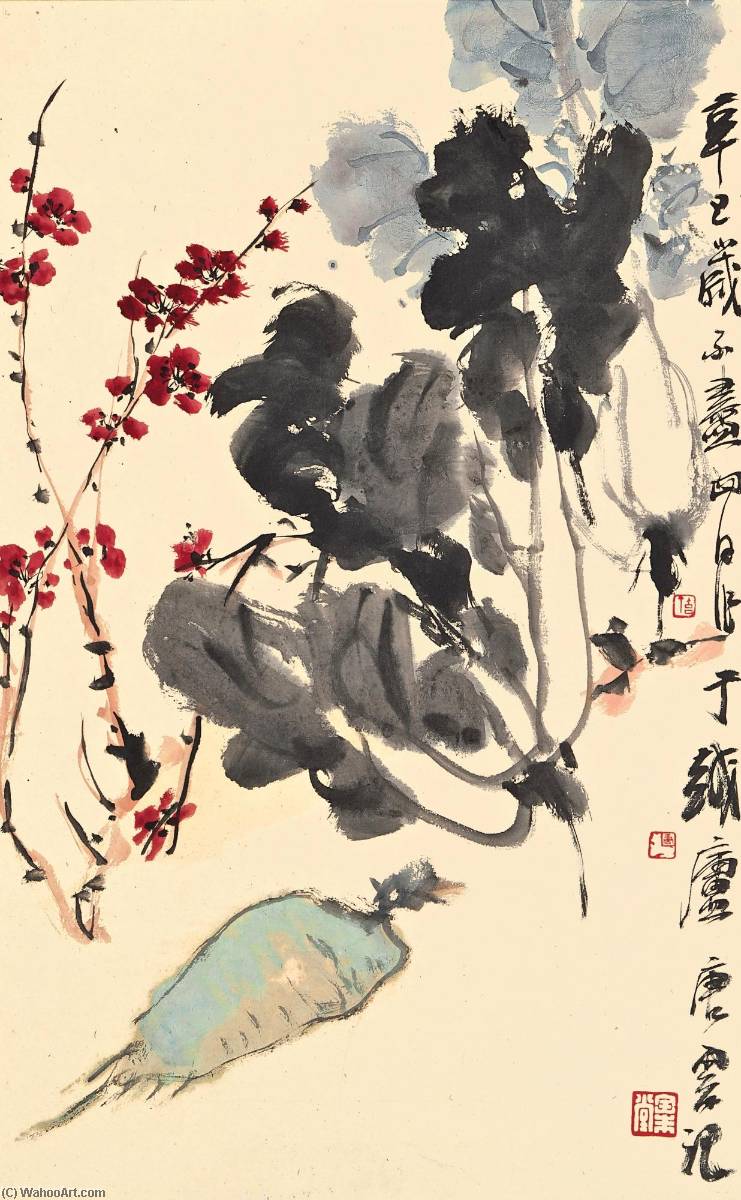
統計情報Plum Blossoms and Vegetables
 66.0 x 41.0 cm
 詳細を見る
詳細を見る
オンラインプレビューをはるかに凌ぐ、高解像度で鮮明なデジタル画像をご購入いただけます。
各ファイルは、社内の専門家が高度なツールと熟練した手作業によるレタッチを用いて、細心の注意を払って準備されています。すべての画像において、卓越した鮮明度、正確な色彩再現性、そして繊細なディテールを保証いたします。
最終ファイルは、プロフェッショナルな編集・印刷環境ですぐにご利用いただけるよう最適化された状態で、72時間以内にメールにてお届けいたします。これは、一流のデザインスタジオ、出版社、ギャラリーから信頼されているものと同等の品質です。
デジタルアート
個人での鑑賞、印刷、クリエイティブなプロジェクト用に、高解像度ファイルをダウンロードできます。 ( プリント版に切り替え 手描きの絵画を購入)
デジタル画像のご注文に付随する特典
高品質なデジタル画像配信を、確かな品質で。
ArtsDot.com を選ぶことは、単に画像を手に入れることではありません。それは、プロの手によって精密に仕上げられ、満足保証が付いた高品質なデジタルアートワークを受け取ることを意味します。ご注文いただいた際に自動的に付随する内容は、以下の通りです:

メールですぐにお届け
ご注文から72時間以内に、高解像度のデジタル画像ファイルがメールでお手元に届きます。すぐにそのままご利用いただけます。

AI技術で最適化されたデジタルファイル
お客様の作品は、高度なAIツールと専門家による手作業の編集を組み合わせてプロフェッショナルに最適化されており、細部のディテール、鮮明さ、そして正確な色再現性を最大限に引き出しています。

一生涯無料の再送サービス
ファイルを誤って削除したり、紛失してしまったりしましたか?ご安心ください。いつでも無料で再送いたします。

輸入手数料は一切かかりません
関税や手数料、配送料を気にすることなく、お気に入りのアートワークをすぐにお楽しみいただけます。デジタルダウンロードは常に免税です。

色彩再現の保証
プロ仕様のツールとカラーマネジメント技術を用いることで、デジタル画像が元の色を最大限に忠実に再現することを保証いたします。

100日間満足保証
ご購入いただいたデジタル画像にご満足いただけない場合は、100日以内であれば、理由を問わず修正または100%の返金対応をさせていただきます。

100% 返金保証
ご満足いただけない場合は、デジタルファイルを受け取ってから100日以内であれば、理由を問わず全額返金いたします。

まとめ買い割引
3枚購入で10%OFF - 5枚購入で15%OFF - 10枚以上購入で20%OFF。クリエイティブなプロジェクト、ギャラリー、エージェンシーに最適です。
関連作品









作家の略歴
Tang Yun (1910 – 1993): A Legacy of Landscape and Symbol
Tang Yun, born in Hangzhou, Zhejiang Province in 1910, was a pivotal figure in twentieth-century Chinese painting. From his early apprenticeship with traditional artists to his distinguished career as Vice Chairman of the Shanghai Branch of the China Artists Association and Honorary President of the Shanghai Chinese Painting Academy, Tang Yun’s artistic journey reflected the evolving cultural landscape of modern China. His profound understanding of classical aesthetics combined with a masterful command of ink wash technique cemented his place among China's most celebrated painters.- Early Life & Artistic Beginnings: Tang Yun’s fascination with drawing and painting began in childhood, nurtured by exposure to the artistic traditions of Hangzhou. He honed his skills through intensive study under renowned masters, establishing a foundation for his future creative endeavors.
- Academic Career & Shanghai Influence: Following graduation from Peking University in 1934, Tang Yun joined the Shanghai Xinhua Art Training School and subsequently lectured at the Shanghai Fine Art Training School, shaping generations of aspiring artists. His role as Vice Chairman of the Shanghai Branch of the China Artists Association underscored his commitment to fostering artistic excellence within Shanghai’s vibrant cultural scene.
- The Pursuit of Landscape Painting: Tang Yun's artistic focus centered on landscape painting—a genre deeply rooted in Chinese philosophical and aesthetic ideals. He drew inspiration from poets like Wang Wei, whose verses explored the sublime beauty of nature and conveyed profound spiritual insights. His paintings captured serene vistas and meticulously rendered details, embodying a harmonious blend of observation and imagination.
- Notable Works & Artistic Style: Tang Yun’s oeuvre encompasses numerous acclaimed pieces—including “Returning Fishermen” and “Duke Wen of Jin Recovering His State”—each demonstrating his exceptional brushwork and masterful execution. His distinctive style characterized by subtle tonal variations and expressive compositional arrangements distinguished him from contemporaries, securing his reputation as a visionary artist.
- Legacy & Recognition: Tang Yun’s contributions to Chinese art were recognized throughout his lifetime—receiving numerous awards and accolades for his artistic achievements. Furthermore, he established the K. S. Lo Teaware Museum in Hong Kong, showcasing his passion for collecting Yixing teapots and promoting cultural heritage. His enduring influence continues to inspire artists today, ensuring that Tang Yun’s legacy persists as a cornerstone of Chinese art history.
Influences & Artistic Philosophy
Tang Yun's artistic vision was profoundly shaped by Confucianism and Daoism—philosophical traditions that emphasized harmony with nature and the pursuit of moral virtue. These beliefs permeated his creative process, informing his selection of subjects and guiding his stylistic choices. He sought to capture not merely visual representations of landscapes but also their underlying spiritual essence—reflecting a deep appreciation for the interconnectedness between humanity and the natural world.- Wang Wei’s Poetry: Tang Yun consistently cited Wang Wei's poetry as a primary source of inspiration, recognizing its ability to evoke profound emotions and convey transcendent beauty.
- Classical Aesthetics: He adhered rigorously to classical aesthetic principles—emphasizing balance, simplicity, and restraint—resulting in paintings that possessed an understated elegance and timeless appeal.
- Daoist Harmony: Tang Yun’s artistic philosophy embraced Daoist ideals of harmony and spontaneity—believing that true beauty resided in embracing the natural rhythms of existence without imposing artificial constraints.
Major Achievements & Artistic Recognition
Throughout his illustrious career, Tang Yun garnered widespread acclaim for his artistic prowess—receiving numerous awards and honors from prestigious institutions across China. His paintings were exhibited internationally, establishing him as a globally recognized figure in contemporary art. Furthermore, he served as Honorary President of the Shanghai Chinese Painting Academy, nurturing talent and promoting artistic excellence within Shanghai’s cultural community.- Shanghai Branch of China Artists Association: Tang Yun's leadership role at the Shanghai Branch solidified his position as a prominent voice in advocating for artistic freedom and fostering dialogue between art and society.
- K. S. Lo Teaware Museum: His establishment of the K. S. Lo Teaware Museum underscored his dedication to preserving cultural heritage and sharing his passion for Yixing teapots with audiences worldwide.
Historical Significance & Artistic Legacy
Tang Yun’s artistic legacy extends far beyond his individual achievements—representing a pivotal moment in China's artistic revival following the Second Sino-Japanese War. His paintings embody the spirit of resilience and renewal—affirming the enduring power of classical aesthetics to inspire creativity and convey profound spiritual insights. Tang Yun’s influence continues to resonate within Chinese art history—serving as an exemplar of artistic integrity and unwavering devotion to his craft.- Post-War Artistic Renaissance: Tang Yun's work contributed significantly to the resurgence of landscape painting in China during the postwar era, reinvigorating artistic traditions and shaping aesthetic sensibilities.
プロフィール概要
- Artistic Movement Or Style: Traditional Chinese Painting
- Artists Who Influenced This Artist:
- Wang Wei
- Lin Ximing
- Date Of Birth: 1910
- Date Of Death: 1993
- Full Name: Tang Yun
- Nationality: Chinese
- Notable Artworks:
- Landscape after a poem by Wang Wei
- Duke Wen of Jin Recovering His State
- Returning Fishermen
- Place Of Birth: Hangzhou, Zhejiang Province