

 プレビュー
プレビュー
 プリントを購入
 シェアする
シェアする シェアする
シェアする
 詳細を見る
詳細を見る

 ダウンロード
 似ている作品
 X線調査
X線調査 スライドショー
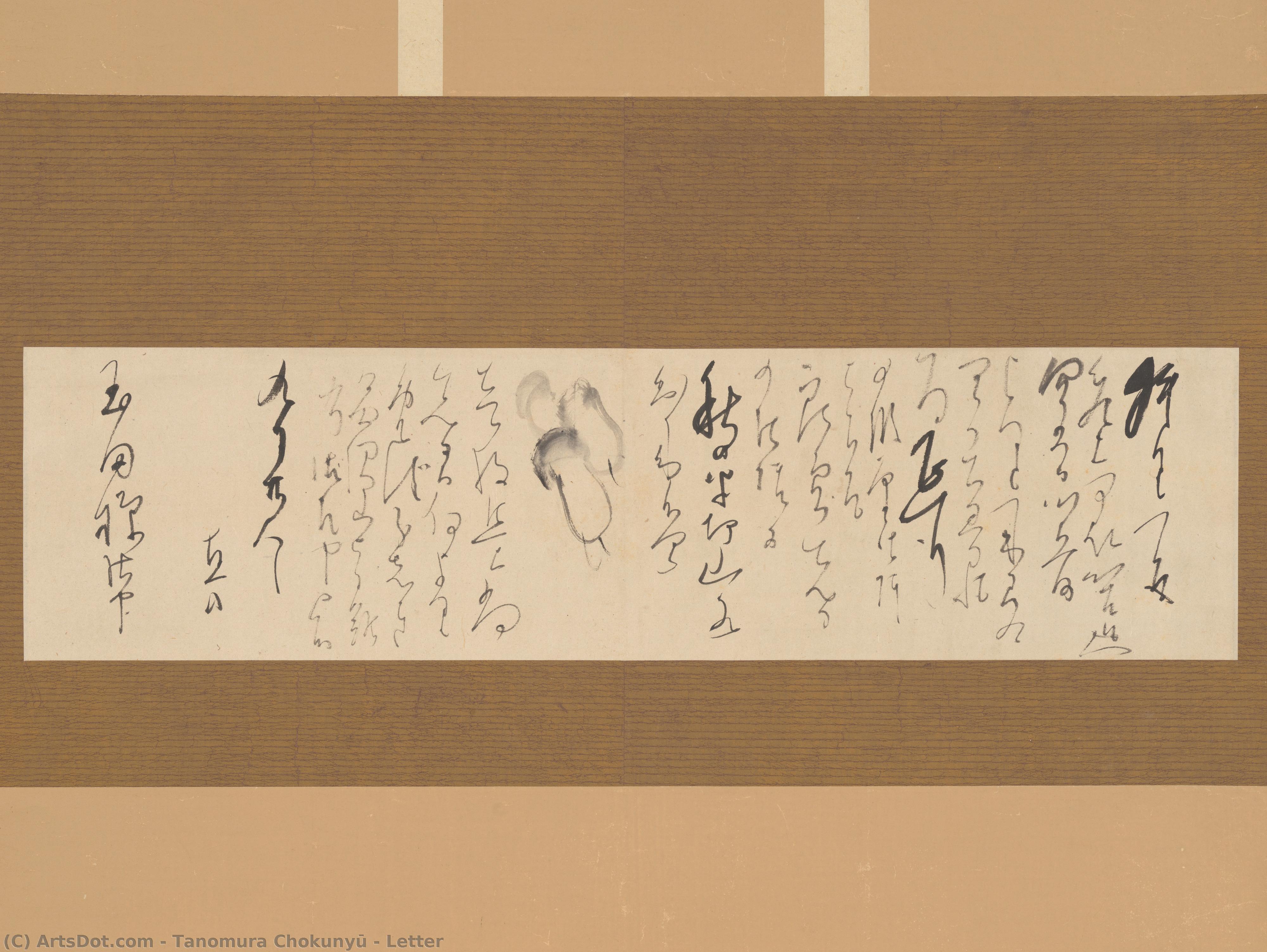
Letter
 Ink On Paper
- Nihonga
 801
801- 19th Century
 14.0cm x 56.0cm
 詳細を見る
詳細を見る
オンラインプレビューをはるかに凌ぐ、高解像度で鮮明なデジタル画像をご購入いただけます。
各ファイルは、社内の専門家が高度なツールと熟練した手作業によるレタッチを用いて、細心の注意を払って準備されています。すべての画像において、卓越した鮮明度、正確な色彩再現性、そして繊細なディテールを保証いたします。
最終ファイルは、プロフェッショナルな編集・印刷環境ですぐにご利用いただけるよう最適化された状態で、72時間以内にメールにてお届けいたします。これは、一流のデザインスタジオ、出版社、ギャラリーから信頼されているものと同等の品質です。
デジタル画像のご注文に付随する特典
高品質なデジタル画像配信を、確かな品質で。
ArtsDot.com を選ぶことは、単に画像を手に入れることではありません。それは、プロの手によって精密に仕上げられ、満足保証が付いた高品質なデジタルアートワークを受け取ることを意味します。ご注文いただいた際に自動的に付随する内容は、以下の通りです:

メールですぐにお届け
ご注文から72時間以内に、高解像度のデジタル画像ファイルがメールでお手元に届きます。すぐにそのままご利用いただけます。

AI技術で最適化されたデジタルファイル
お客様の作品は、高度なAIツールと専門家による手作業の編集を組み合わせてプロフェッショナルに最適化されており、細部のディテール、鮮明さ、そして正確な色再現性を最大限に引き出しています。

一生涯無料の再送サービス
ファイルを誤って削除したり、紛失してしまったりしましたか?ご安心ください。いつでも無料で再送いたします。

輸入手数料は一切かかりません
関税や手数料、配送料を気にすることなく、お気に入りのアートワークをすぐにお楽しみいただけます。デジタルダウンロードは常に免税です。

色彩再現の保証
プロ仕様のツールとカラーマネジメント技術を用いることで、デジタル画像が元の色を最大限に忠実に再現することを保証いたします。

60日間満足保証
ご購入いただいたデジタル画像にご満足いただけない場合は、60日以内であれば、修正または100%の返金(理由を問う必要はありません)をさせていただきます。

100% 返金保証
ご満足いただけない場合は、デジタルファイルを受け取ってから60日以内であれば、理由を問わず全額返金いたします。

まとめ買い割引
3枚購入で10%OFF - 5枚購入で15%OFF - 10枚以上購入で20%OFF。クリエイティブなプロジェクト、ギャラリー、エージェンシーに最適です。
作品の詳細
Introduction to the Artist: Tanomura Chokunyū
Tanomura Chokunyū (1814-1907) was a prominent Japanese artist who flourished during the Meiji period. He was an adopted stepchild of Tanomura Chokuryō, a famous kyōka poet, and studied under various masters such as Tanomura Chokuryō, Sumiyoshi Keiemon, and Kawakami Tōgai. Chokunyū was also a member of the Meiji Bijutsukai, the first domestic art association in Japan.Historical Context: The Nihonga Art Movement
The painting 'Letter' by Tanomura Chokunyū is an excellent example of the Nihonga art movement, which emerged during the Meiji period (1868-1912) as a response to the rise of Western-style painting known as Yōga. The term ''Nihonga'' literally translates to ''pictures of Japan,'' emphasizing its connection to traditional Japanese art forms. Nihonga artists used mineral pigments and organic materials on silk or paper, blending earlier schools and incorporating Western painting techniques such as perspective and shading.The Painting 'Letter' by Tanomura Chokunyū
The painting 'Letter' by Tanomura Chokunyū is a masterpiece of Nihonga art, measuring 14.5cm x 56.4cm and painted on paper. This letter was brushed by Chokunyū, a pupil and adopted son of Tanomura Chikuden (1777–1835), arguably the most important Nanga painter of the early nineteenth century. Chokunyū carried on his father’s legacy by helping establish Kyoto’s first art school, now known as the Kyoto City University of Arts (Kyoto Shiritsu Geijutsu Daigaku). He himself was a highly skilled painter in the Nanga tradition, specializing in landscapes executed in styles associated with great Chinese painters.Conclusion
The painting 'Letter' by Tanomura Chokunyū is an exceptional example of the Nihonga art movement and a testament to Chokunyū's mastery of traditional Japanese painting techniques. At ArtsDot.com, we offer high-quality hand-made oil paintings reproductions of this masterpiece, allowing art enthusiasts to appreciate the beauty and elegance of Nihonga art in their homes or offices. Tanomura Chokunyū: Letter (14.5cm x 56.4cm,Paper)関連作品
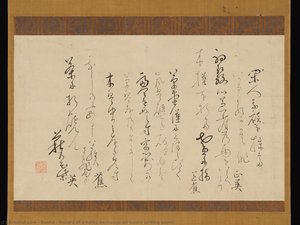
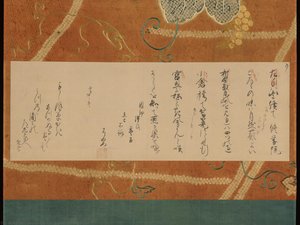
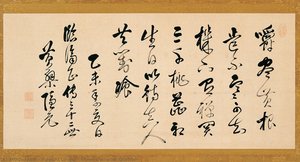
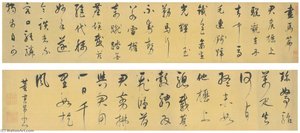
作家の略歴
Tanomura Chokunyū: Bridging Tradition and Modernity in Meiji Japan
Tanomura Chokunyū (1814-1907), a pivotal figure in late 19th-century Japanese art, stands as a testament to the dynamic interplay between tradition and innovation during the Meiji period. Born in Tokyo – though his family roots lay deeper in Bungo Province – Chokunyū’s life was inextricably linked to the legacy of his uncle, Watanabe Hoto, a prominent artist serving the influential Oka clan. This lineage provided him with an early foundation in artistic principles, ultimately shaping his distinctive style and contributing to his role as a key figure in bridging the gap between Nanga (literati painting) and burgeoning Western influences. His adopted father, Tanomura Chikuden, a master of the Nanga school, further solidified this connection, providing Chokunyū with invaluable instruction and setting him on a path that would ultimately define his artistic career.Early Life and Artistic Training
Chokunyū’s early years were marked by rigorous training under both Chikuden and Sumiyoshi Keiemon, absorbing the core tenets of Nanga painting – an aesthetic deeply rooted in Chinese literati traditions. This involved meticulous brushwork, a focus on capturing atmospheric perspective, and a preference for landscapes imbued with philosophical and poetic resonance. However, Chokunyū’s artistic journey took an unexpected turn when he encountered Kawakami Tōgai, a pioneering yōga (Western-style painting) artist. This exposure proved transformative, introducing him to Western techniques of observation, composition, and color theory. He diligently studied under Tōgai, skillfully integrating these new approaches into his existing skillset, demonstrating an exceptional ability to synthesize seemingly disparate artistic worlds. This dual training – steeped in the traditions of Nanga while embracing the innovations of yōga – is central to understanding Chokunyū’s unique and compelling style.Artistic Style and Techniques
Chokunyū's artistic voice was characterized by a remarkable synthesis of traditional Japanese techniques with Western influences. He primarily worked in oil on silk or wood, mediums that allowed him to achieve both the luminous effects favored in Nanga and the richer colors associated with Western painting. His landscapes, often depicting serene mountain vistas and evocative scenes of rural life, are immediately recognizable for their atmospheric depth and subtle color palettes. He skillfully employed techniques borrowed from Chinese literati painters like Mi Wanzhong, particularly in his use of layered washes and loose brushstrokes to convey a sense of distance and atmosphere. Yet, unlike many of his contemporaries, Chokunyū didn’t simply mimic these styles; he adapted them to his own sensibility, imbuing them with a distinctly Japanese aesthetic. His compositions often feature a carefully considered balance between the monumental scale of Chinese landscape painting and the more intimate perspective favored in Western art.Membership in the Meiji Bijutsukai and Contributions to Nanga
A significant milestone in Chokunyū’s career was his membership in the Meiji Bijutsukai (the Imperial Art Association), established in 1871 as Japan's first domestic art association dedicated to promoting Western-style painting. This association, a key driver of modernization and cultural exchange during the Meiji era, provided Chokunyū with a platform to showcase his work alongside other leading artists experimenting with yōga techniques. Despite embracing Western influences, he remained firmly committed to Nanga traditions, contributing significantly to its evolution. He played a crucial role in preserving and revitalizing this venerable style, ensuring its continued relevance within the broader Japanese art landscape. His work on the kanō school style art movement page highlights his mastery of traditional japanese painting techniques.Legacy and Historical Significance
Tanomura Chokunyū’s legacy extends far beyond his individual artistic achievements. He embodies the spirit of adaptation and innovation that defined Japan's transformation during the Meiji period. His ability to seamlessly blend traditional Nanga aesthetics with Western techniques represents a pivotal moment in Japanese art history, demonstrating a willingness to embrace change while remaining deeply rooted in cultural heritage. His contributions to the Meiji Bijutsukai helped shape the trajectory of modern Japanese painting, and his work continues to be studied and admired for its beauty, technical skill, and profound reflection of a nation undergoing rapid modernization. His influence can also be seen in the rise of Nihonga (Japanese-style painting) as a distinct movement responding to the increasing prominence of yōga. Chokunyū’s life and work serve as a powerful reminder of the dynamic interplay between tradition and innovation, and his place within Japanese art history is secure as a bridge between two worlds.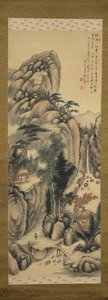
tanomura chokunyū 田能村直入
1814 - 1907 , Japan
プロフィール概要
- Artistic Movement Or Style: Nanga & Nihonga blend
- Artists Or Movements Influenced By This Artist:
- Kanō School
- Nihonga movement
- Artists Who Influenced This Artist:
- Tanomura Chokuryō
- Sumiyoshi Keiemon
- Kawakami Tōgai
- Date Of Birth: March 31, 1814
- Date Of Death: 1907
- Full Name: Tanomura Chokunyū 田能村直入
- Nationality: Japanese
- Notable Artworks:
- White Clouds and Crimson Trees
- Mountain View and Blue Water
- Place Of Birth: Tokyo, Japan

