

 プレビュー
プレビュー
 プリントを購入
 シェアする
シェアする シェアする
シェアする
 詳細を見る
詳細を見る

 ダウンロード
 似ている作品
 X線調査
X線調査 スライドショー
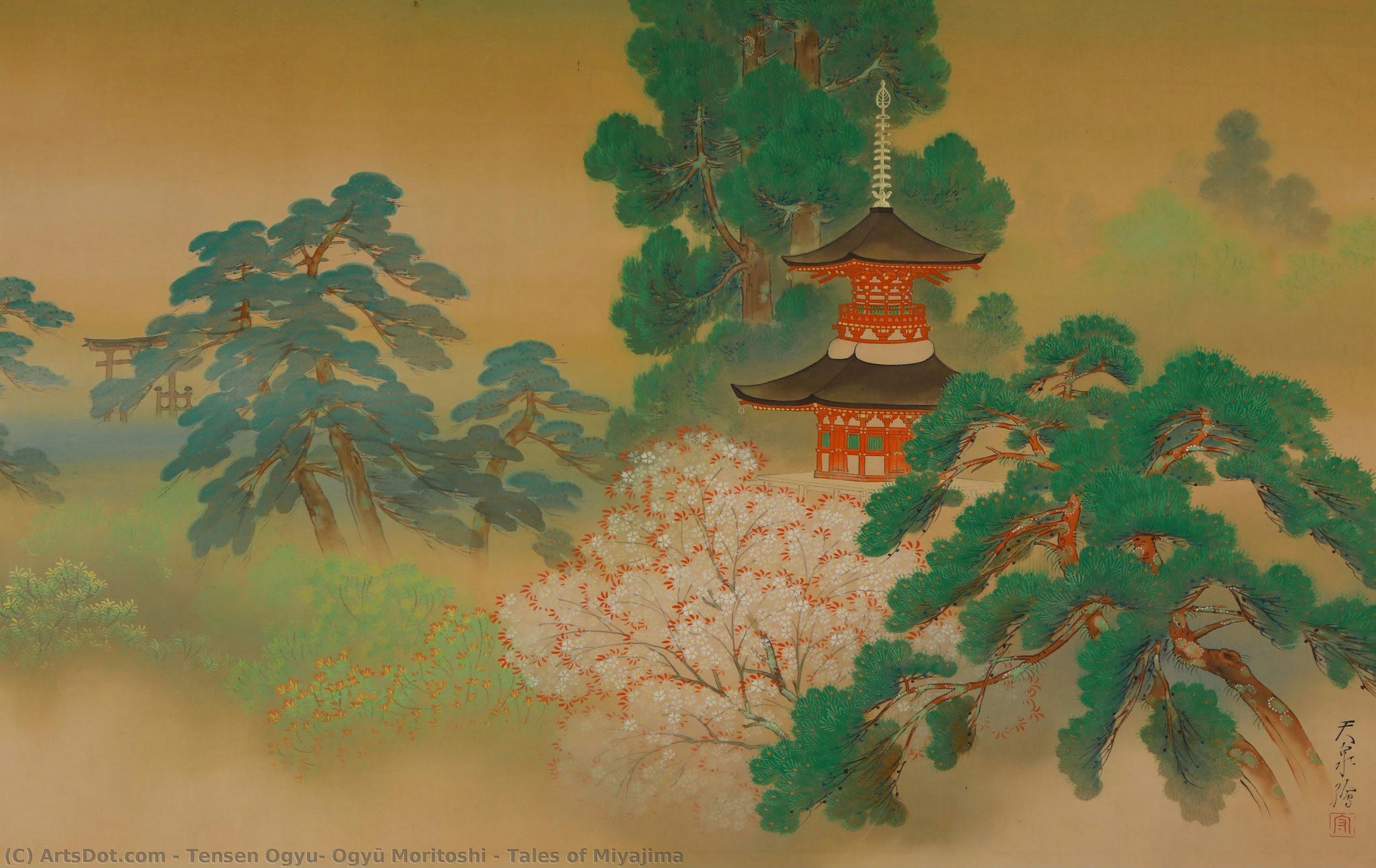
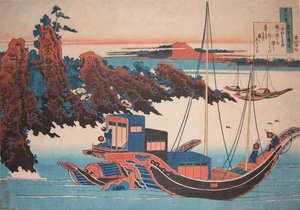
Tales of Miyajima
 54.0 x 85.0 cm
 詳細を見る
詳細を見る
オンラインプレビューをはるかに凌ぐ、高解像度で鮮明なデジタル画像をご購入いただけます。
各ファイルは、社内の専門家が高度なツールと熟練した手作業によるレタッチを用いて、細心の注意を払って準備されています。すべての画像において、卓越した鮮明度、正確な色彩再現性、そして繊細なディテールを保証いたします。
最終ファイルは、プロフェッショナルな編集・印刷環境ですぐにご利用いただけるよう最適化された状態で、72時間以内にメールにてお届けいたします。これは、一流のデザインスタジオ、出版社、ギャラリーから信頼されているものと同等の品質です。
デジタル画像のご注文に付随する特典
高品質なデジタル画像配信を、確かな品質で。
ArtsDot.com を選ぶことは、単に画像を手に入れることではありません。それは、プロの手によって精密に仕上げられ、満足保証が付いた高品質なデジタルアートワークを受け取ることを意味します。ご注文いただいた際に自動的に付随する内容は、以下の通りです:

メールですぐにお届け
ご注文から72時間以内に、高解像度のデジタル画像ファイルがメールでお手元に届きます。すぐにそのままご利用いただけます。

AI技術で最適化されたデジタルファイル
お客様の作品は、高度なAIツールと専門家による手作業の編集を組み合わせてプロフェッショナルに最適化されており、細部のディテール、鮮明さ、そして正確な色再現性を最大限に引き出しています。

一生涯無料の再送サービス
ファイルを誤って削除したり、紛失してしまったりしましたか?ご安心ください。いつでも無料で再送いたします。

輸入手数料は一切かかりません
関税や手数料、配送料を気にすることなく、お気に入りのアートワークをすぐにお楽しみいただけます。デジタルダウンロードは常に免税です。

色彩再現の保証
プロ仕様のツールとカラーマネジメント技術を用いることで、デジタル画像が元の色を最大限に忠実に再現することを保証いたします。

60日間満足保証
ご購入いただいたデジタル画像にご満足いただけない場合は、60日以内であれば、修正または100%の返金(理由を問う必要はありません)をさせていただきます。

100% 返金保証
ご満足いただけない場合は、デジタルファイルを受け取ってから60日以内であれば、理由を問わず全額返金いたします。

まとめ買い割引
3枚購入で10%OFF - 5枚購入で15%OFF - 10枚以上購入で20%OFF。クリエイティブなプロジェクト、ギャラリー、エージェンシーに最適です。
関連作品

作家の略歴
Early Life and Artistic Beginnings
Tensen Ogyu, born Ōgyū Moritoshi on April 28, 1882, in the tranquil city of Nihonmatsu, Fukushima Prefecture, Japan, embarked on a path that would see him become a pivotal figure in early 20th-century Japanese painting. His origins lay within a family deeply rooted in Shinto priesthood—a heritage that instilled in him an early reverence for nature and tradition, qualities that would profoundly shape his artistic vision. Though not initially destined for the world of art, Ogyu’s innate talent soon became undeniable, leading him to pursue formal training after completing his local schooling. This decision marked a turning point, setting him on a course toward mastering the delicate nuances of *nihonga*, or Japanese-style painting. He entered the prestigious Tokyo School of Fine Arts and quickly distinguished himself as a dedicated student under the tutelage of Hashimoto Gahō, one of the last great masters of the Kanō school—a lineage steeped in centuries of artistic excellence.The Influence of Hashimoto Gahō and the Kanō Tradition
Hashimoto Gahō’s influence on Ogyu was transformative. The Kanō school, renowned for its dynamic compositions, refined brushwork, and symbolic use of color, provided a solid foundation for Ogyu's developing style. Gahō emphasized not merely technical proficiency but also the importance of capturing the essence of the subject matter—a spiritual resonance that transcended mere representation. This emphasis resonated deeply with Ogyu’s own sensibilities, nurtured by his upbringing within the Shinto faith. He absorbed the Kanō school's techniques, particularly its use of color washes to evoke atmosphere and mood, but he wasn’t content simply to replicate past styles. Ogyu sought to infuse traditional methods with a contemporary sensibility, creating works that were both deeply rooted in Japanese heritage and uniquely his own. His early paintings already hinted at the lyrical landscapes and serene compositions that would become hallmarks of his mature work.Miyajima and the Development of a Signature Style
Ogyu’s artistic journey truly blossomed with his repeated depictions of Miyajima Island, located in Hiroshima Bay. The iconic floating torii gate of Itsukushima Shrine became a recurring motif—a symbol of spiritual power, natural beauty, and the harmonious relationship between humanity and the divine. He didn't simply paint *pictures* of Miyajima; he captured its very soul. His canvases shimmered with atmospheric effects, utilizing delicate color washes to convey the changing light and moods of the island throughout the seasons. The pagoda structures, often nestled amongst lush foliage, added a sense of tranquility and timelessness. These paintings weren’t merely landscapes but meditations on Japanese identity, spirituality, and the enduring power of nature. He became particularly known for his series “Tales of Miyajima”, showcasing his mastery of color and composition.Recognition and International Acclaim
Ogyu's talent did not go unnoticed within Japan’s burgeoning art world. He gained recognition through participation in prestigious exhibitions like the inaugural Bunten in 1907, where he received first prize—a testament to his exceptional skill and artistic vision. Subsequent shows, including the Teiten and Nitten, further solidified his reputation, earning him numerous awards throughout his career. His works were often commissioned by the Imperial Court, a significant honor that underscored his standing as a leading artist of his time. Beyond Japan’s borders, Ogyu's art found international recognition when he represented his country in the art competitions at both the 1932 and 1936 Summer Olympics—a rare opportunity for Japanese artists to showcase their talents on a global stage. He also served as the first secretary-general of the Fukuyō Art Society, actively mentoring younger artists and contributing to the growth of Japan’s artistic community.Legacy and Historical Significance
Tensen Ogyu passed away on October 9, 1947, leaving behind a rich legacy that continues to inspire. He bridged the gap between traditional Japanese painting techniques and modern sensibilities, creating works that were both deeply rooted in heritage and uniquely expressive of his own artistic vision. His iconic depictions of Miyajima remain powerful symbols of Japan’s cultural identity and spiritual landscape. Ogyu's influence can be seen in the work of subsequent generations of *nihonga* painters who sought to balance tradition with innovation. Today, his paintings are held in esteemed collections around the world, including the Rijksmuseum, ensuring that his artistic vision continues to captivate and inspire audiences for years to come. He stands as a testament to the enduring power of art to capture not just what we see, but what we *feel*—a profound connection to nature, spirituality, and the beauty of the Japanese aesthetic tradition.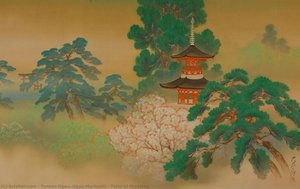
tensen ogyu, ogyū moritoshi
1882 - 1947 , Japan
プロフィール概要
- Artistic Movement Or Style: Nihonga, Kanō school
- Artists Who Influenced This Artist: ['Hashimoto Gahō']
- Date Of Birth: April 28, 1882
- Date Of Death: October 9, 1947
- Full Name: Tensen Ogyu
- Nationality: Japanese
- Notable Artworks: ['Tales of Miyajima']
- Place Of Birth: Nihonmatsu, Japan

