

 プレビュー
プレビュー
 シェアする
シェアする シェアする
シェアする
 詳細を見る
詳細を見る

 ダウンロード
 似ている作品
 X線調査
X線調査 スライドショー
 統計情報
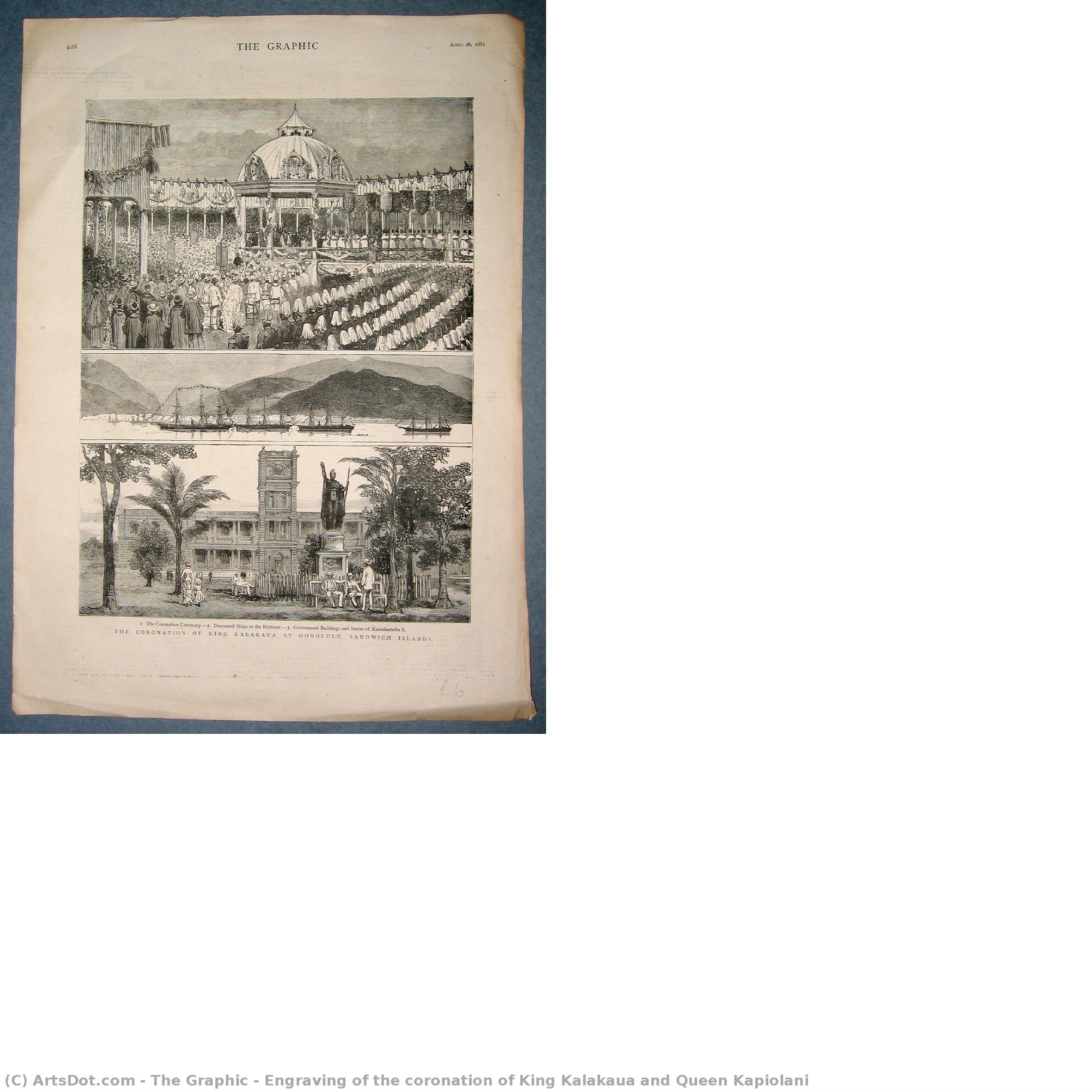
統計情報Engraving of the coronation of King Kalakaua and Queen Kapiolani


 詳細を見る
詳細を見る
The Graphic was a British weekly illustrated newspaper founded in 1869 by William Luson Thomas as a rival to *Illustrated London News*. Known for its high artistic standards and social commentary, it covered news, arts, literature, and influential illustrations that captivated audiences across the British Empire. It significantly impacted Victorian art and journalism.
手描き油彩複製画
当社のアーティストが、お客様のご希望のサイズと額縁に合わせて、キャンバスに手描きで制作する油彩画です。 ( プリント版に切り替え デジタル画像販売へ切り替え)




































標準サイズ
オーダーメイド
CM
INCH
作品のオリジナル比率に合わせた、当店の規定サイズからお選びください。
Loading sizes...

幅
高さ
特定のフレームやスペースに合わせて、ご希望のサイズをご入力いただけます。選択されたサイズが元の画像の比率と異なる場合、アートワークをトリミングするか、手描きで要素を追加して絵画を拡張いたします。デジタルモックアップ を制作し、制作開始前にご確認(承認)をいただきます。
画面上のプレビューは、実際のトリミングや拡張を正確に反映しているものではありません。最終的な構図は、モックアップによってのみ正確にご確認いただけます。
カスタムサイズもご利用いただけますが、元の比率を維持するためには、あらかじめ用意されたリストからサイズを選択することをお勧めいたします。
カスタマイズの例:顔をお客様の写真に置き換える、ペットを追加する(例:猫を犬に変更)、背景に隠れたメッセージを入れる、背景の風景や要素を変更するなど。
ご注文後、ArtsDot.com チームより詳細な指示をお送りするとともに、仕上がりイメージ(モックアップ)をご提供いたします。
ご注文後、ArtsDot.com チームより詳細な指示をお送りするとともに、仕上がりイメージ(モックアップ)をご提供いたします。


 ガラスオプションは、110cm未満のサイズでのみご利用いただけます。

Engraving of the coronation of King Kalakaua and Queen Kapiolani
複製技法
複製画のサイズ
-


合計金額
$ 263
Page 428 of the April 28, 1883 issue of the English newspaper,
関連作品

アーティストの略歴
The Pioneering Vision of *The Graphic*
Founded in December 1869 by the artist and engraver William Luson Thomas, *The Graphic* emerged as a bold challenge to the established dominance of the *Illustrated London News*. More than just another illustrated newspaper, it was conceived as a platform prioritizing visual storytelling and artistic merit. Thomas, frustrated with what he perceived as the exploitative treatment of artists by his former employer, envisioned a publication where draughtsmen and engravers were valued contributors, not merely factory hands churning out images. This commitment to quality and creative freedom quickly distinguished *The Graphic* in a rapidly evolving media landscape. The paper wasn’t simply reporting news; it was interpreting it through the lens of skilled artistry, aiming for an authenticity that resonated with a growing readership across the British Empire and North America. From its inception, *The Graphic* sought to illuminate prevailing social issues—poverty, homelessness, public health—alongside coverage of royal occasions, national celebrations, and literary pursuits.A Commitment to Artistic Excellence
William Luson Thomas’s background profoundly shaped the character of *The Graphic*. A successful artist and wood-engraver himself, he understood the intricacies of the creative process and the importance of providing artists with autonomy. He reserved shares in the newspaper specifically for contributing artists, a radical move that fostered a sense of ownership and collaboration. Unlike the *Illustrated London News*, where subjects were often dictated from above, Thomas encouraged his artists to pursue their own interests, believing this would result in more compelling and insightful work. This approach attracted a remarkable roster of talent, including Hubert von Herkomer, who credited Thomas with “making him as an artist” by allowing him the freedom to choose his own subjects. The newspaper became known for its high-quality illustrations, capturing authentic scenes throughout London and beyond. It wasn’t merely about reproducing reality; it was about interpreting it with skill, sensitivity, and a keen eye for detail. The influence of *The Graphic* extended even to artists like Vincent van Gogh, who found inspiration in the socially conscious art featured within its pages during his time living in London.Reporting on an Empire and Beyond
Throughout its long run, *The Graphic* served as a visual chronicle of the Victorian and Edwardian eras. The newspaper’s coverage extended far beyond the borders of Britain, documenting major events across the vast British Empire—from conflicts like the Serbo-Turkish War (1876-78) and the Zulu War (1879-96) to scenes of everyday life in distant colonies. In an age before widespread photography, illustrators played a crucial role in bringing these stories to life, providing vivid depictions of landscapes, cultures, and conflicts that would otherwise have remained largely unknown to the British public. *The Graphic* didn’t shy away from difficult subjects; it tackled issues of poverty, social injustice, and political unrest with a degree of frankness that was unusual for its time. Royal occasions and national celebrations were also given prominent coverage, reinforcing a sense of imperial pride and collective identity. The paper aimed to be comprehensive in its scope, covering not only news but also literature, arts, sciences, fashion, sport, and music—a reflection of the diverse interests of its readership.From Weekly Rival to Sister Publication
The initial ambition of *The Graphic* was to directly compete with the *Illustrated London News*. However, over time, the relationship between the two publications evolved. In 1890, Thomas’s company, H. R. Baines & Co., began publishing *The Daily Graphic*, a separate newspaper that would later be revived by Kemsley Newspapers in 1946. Ultimately, *The Graphic* became one of the *Illustrated London News*'s sister publications, operating under the same ownership. Despite this shift in structure, it retained its distinctive character and continued to uphold its commitment to artistic excellence. The newspaper’s influence on the art world remained strong throughout its long run, inspiring generations of illustrators and artists. The legacy of *The Graphic* lies not only in its stunning visual imagery but also in its pioneering approach to journalism—an approach that valued creativity, authenticity, and a deep engagement with the social and political issues of the day.A Lasting Legacy
Though publication ceased in 1932, *The Graphic*’s impact continues to be felt today. Its extensive archive provides a valuable window into Victorian and Edwardian society, offering insights into everything from major historical events to everyday life. Art historians continue to study its pages, recognizing the mutual influences between *The Graphic* and the fine arts in Britain. The newspaper's emphasis on artists and artistry has made it a particularly fascinating subject of research, revealing the crucial role that illustration played in shaping public opinion and cultural perceptions. The Graphic*’s commitment to social conscience—its willingness to tackle difficult issues and give voice to marginalized communities—also remains relevant in contemporary society. The paper's vivid depictions of poverty, homelessness, and political unrest serve as a reminder of the enduring challenges facing humanity. Ultimately, *The Graphic* was more than just an illustrated newspaper; it was a cultural force that helped shape the visual landscape of its time—and continues to inspire artists and journalists today.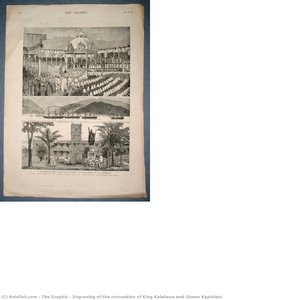
基本情報
- Artistic Movement Or Style: Illustrated journalism
- Artists Or Movements Influenced By This Artist:
- Vincent van Gogh
- Hubert von Herkomer
- Artists Who Influenced This Artist:
- William Luson Thomas
- Lewis Samuel Thomas
- Date Of Death: Living
- Full Name: The Graphic
- Nationality: British