

 プレビュー
プレビュー
 シェアする
シェアする シェアする
シェアする
 詳細を見る
詳細を見る

 ダウンロード
 似ている作品
 X線調査
X線調査 スライドショー
 統計情報
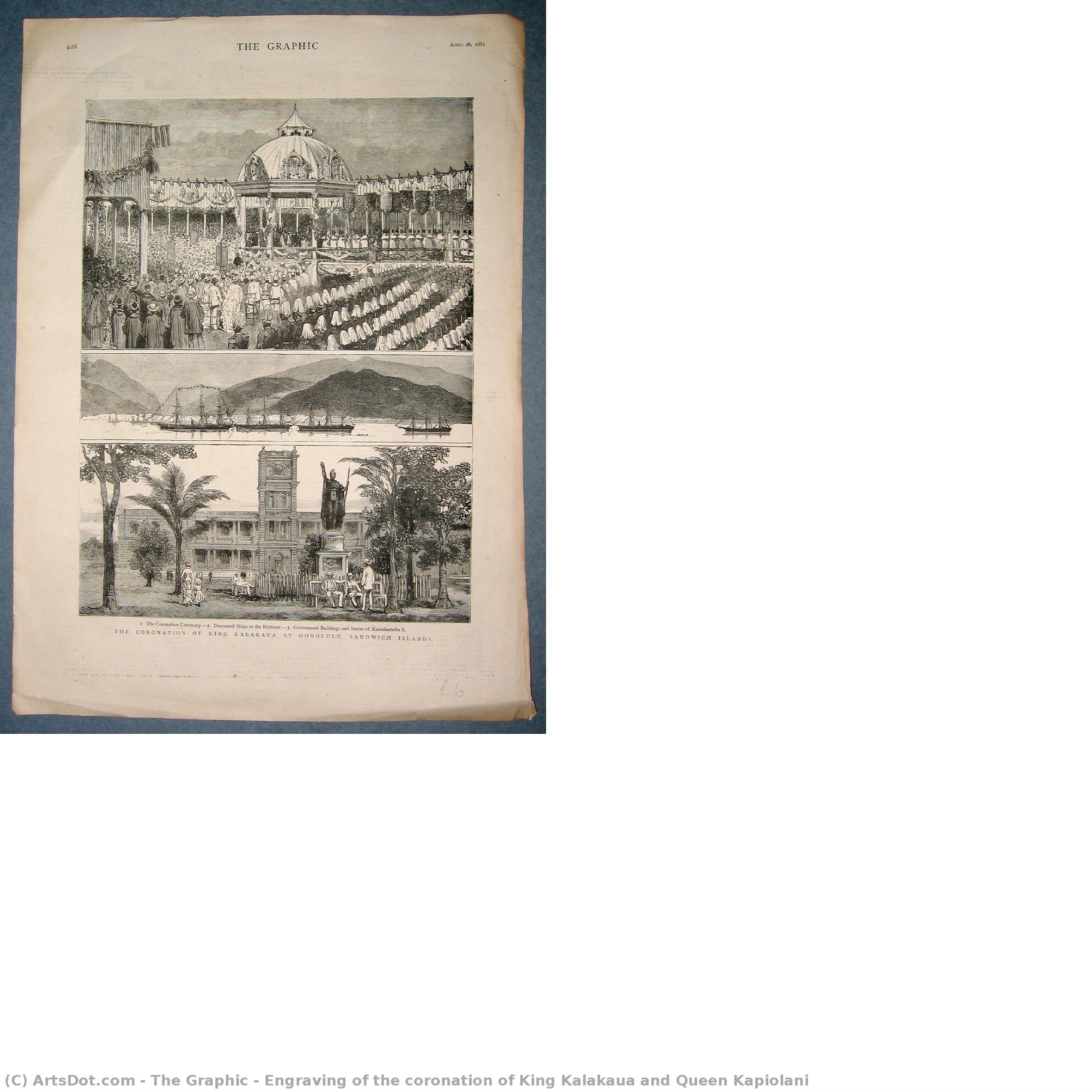
統計情報Engraving of the coronation of King Kalakaua and Queen Kapiolani


 詳細を見る
詳細を見る
オンラインプレビューをはるかに凌ぐ、高解像度で鮮明なデジタル画像をご購入いただけます。
各ファイルは、社内の専門家が高度なツールと熟練した手作業によるレタッチを用いて、細心の注意を払って準備されています。すべての画像において、卓越した鮮明度、正確な色彩再現性、そして繊細なディテールを保証いたします。
最終ファイルは、プロフェッショナルな編集・印刷環境ですぐにご利用いただけるよう最適化された状態で、72時間以内にメールにてお届けいたします。これは、一流のデザインスタジオ、出版社、ギャラリーから信頼されているものと同等の品質です。
デジタルアート
個人での鑑賞、印刷、クリエイティブなプロジェクト用に、高解像度ファイルをダウンロードできます。 ( プリント版に切り替え 手描きの絵画を購入)
デジタル画像のご注文に付随する特典
高品質なデジタル画像配信を、確かな品質で。
ArtsDot.com を選ぶことは、単に画像を手に入れることではありません。それは、プロの手によって精密に仕上げられ、満足保証が付いた高品質なデジタルアートワークを受け取ることを意味します。ご注文いただいた際に自動的に付随する内容は、以下の通りです:

メールですぐにお届け
ご注文から72時間以内に、高解像度のデジタル画像ファイルがメールでお手元に届きます。すぐにそのままご利用いただけます。

AI技術で最適化されたデジタルファイル
お客様の作品は、高度なAIツールと専門家による手作業の編集を組み合わせてプロフェッショナルに最適化されており、細部のディテール、鮮明さ、そして正確な色再現性を最大限に引き出しています。

一生涯無料の再送サービス
ファイルを誤って削除したり、紛失してしまったりしましたか?ご安心ください。いつでも無料で再送いたします。

輸入手数料は一切かかりません
関税や手数料、配送料を気にすることなく、お気に入りのアートワークをすぐにお楽しみいただけます。デジタルダウンロードは常に免税です。

色彩再現の保証
プロ仕様のツールとカラーマネジメント技術を用いることで、デジタル画像が元の色を最大限に忠実に再現することを保証いたします。

100日間満足保証
ご購入いただいたデジタル画像にご満足いただけない場合は、100日以内であれば、理由を問わず修正または100%の返金対応をさせていただきます。

100% 返金保証
ご満足いただけない場合は、デジタルファイルを受け取ってから100日以内であれば、理由を問わず全額返金いたします。

まとめ買い割引
3枚購入で10%OFF - 5枚購入で15%OFF - 10枚以上購入で20%OFF。クリエイティブなプロジェクト、ギャラリー、エージェンシーに最適です。
関連作品

作家の略歴
The Pioneering Vision of *The Graphic*
Founded in December 1869 by the artist and engraver William Luson Thomas, *The Graphic* emerged as a bold challenge to the established dominance of the *Illustrated London News*. More than just another illustrated newspaper, it was conceived as a platform prioritizing visual storytelling and artistic merit. Thomas, frustrated with what he perceived as the exploitative treatment of artists by his former employer, envisioned a publication where draughtsmen and engravers were valued contributors, not merely factory hands churning out images. This commitment to quality and creative freedom quickly distinguished *The Graphic* in a rapidly evolving media landscape. The paper wasn’t simply reporting news; it was interpreting it through the lens of skilled artistry, aiming for an authenticity that resonated with a growing readership across the British Empire and North America. From its inception, *The Graphic* sought to illuminate prevailing social issues—poverty, homelessness, public health—alongside coverage of royal occasions, national celebrations, and literary pursuits.A Commitment to Artistic Excellence
William Luson Thomas’s background profoundly shaped the character of *The Graphic*. A successful artist and wood-engraver himself, he understood the intricacies of the creative process and the importance of providing artists with autonomy. He reserved shares in the newspaper specifically for contributing artists, a radical move that fostered a sense of ownership and collaboration. Unlike the *Illustrated London News*, where subjects were often dictated from above, Thomas encouraged his artists to pursue their own interests, believing this would result in more compelling and insightful work. This approach attracted a remarkable roster of talent, including Hubert von Herkomer, who credited Thomas with “making him as an artist” by allowing him the freedom to choose his own subjects. The newspaper became known for its high-quality illustrations, capturing authentic scenes throughout London and beyond. It wasn’t merely about reproducing reality; it was about interpreting it with skill, sensitivity, and a keen eye for detail. The influence of *The Graphic* extended even to artists like Vincent van Gogh, who found inspiration in the socially conscious art featured within its pages during his time living in London.Reporting on an Empire and Beyond
Throughout its long run, *The Graphic* served as a visual chronicle of the Victorian and Edwardian eras. The newspaper’s coverage extended far beyond the borders of Britain, documenting major events across the vast British Empire—from conflicts like the Serbo-Turkish War (1876-78) and the Zulu War (1879-96) to scenes of everyday life in distant colonies. In an age before widespread photography, illustrators played a crucial role in bringing these stories to life, providing vivid depictions of landscapes, cultures, and conflicts that would otherwise have remained largely unknown to the British public. *The Graphic* didn’t shy away from difficult subjects; it tackled issues of poverty, social injustice, and political unrest with a degree of frankness that was unusual for its time. Royal occasions and national celebrations were also given prominent coverage, reinforcing a sense of imperial pride and collective identity. The paper aimed to be comprehensive in its scope, covering not only news but also literature, arts, sciences, fashion, sport, and music—a reflection of the diverse interests of its readership.From Weekly Rival to Sister Publication
The initial ambition of *The Graphic* was to directly compete with the *Illustrated London News*. However, over time, the relationship between the two publications evolved. In 1890, Thomas’s company, H. R. Baines & Co., began publishing *The Daily Graphic*, a separate newspaper that would later be revived by Kemsley Newspapers in 1946. Ultimately, *The Graphic* became one of the *Illustrated London News*'s sister publications, operating under the same ownership. Despite this shift in structure, it retained its distinctive character and continued to uphold its commitment to artistic excellence. The newspaper’s influence on the art world remained strong throughout its long run, inspiring generations of illustrators and artists. The legacy of *The Graphic* lies not only in its stunning visual imagery but also in its pioneering approach to journalism—an approach that valued creativity, authenticity, and a deep engagement with the social and political issues of the day.A Lasting Legacy
Though publication ceased in 1932, *The Graphic*’s impact continues to be felt today. Its extensive archive provides a valuable window into Victorian and Edwardian society, offering insights into everything from major historical events to everyday life. Art historians continue to study its pages, recognizing the mutual influences between *The Graphic* and the fine arts in Britain. The newspaper's emphasis on artists and artistry has made it a particularly fascinating subject of research, revealing the crucial role that illustration played in shaping public opinion and cultural perceptions. The Graphic*’s commitment to social conscience—its willingness to tackle difficult issues and give voice to marginalized communities—also remains relevant in contemporary society. The paper's vivid depictions of poverty, homelessness, and political unrest serve as a reminder of the enduring challenges facing humanity. Ultimately, *The Graphic* was more than just an illustrated newspaper; it was a cultural force that helped shape the visual landscape of its time—and continues to inspire artists and journalists today.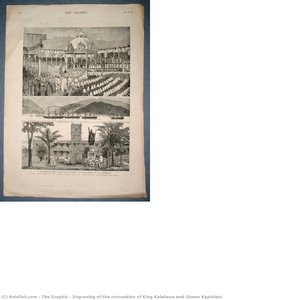
プロフィール概要
- Artistic Movement Or Style: Illustrated journalism
- Artists Or Movements Influenced By This Artist:
- Vincent van Gogh
- Hubert von Herkomer
- Artists Who Influenced This Artist:
- William Luson Thomas
- Lewis Samuel Thomas
- Date Of Death: Living
- Full Name: The Graphic
- Nationality: British