

 プレビュー
プレビュー
 プリントを購入
 シェアする
シェアする シェアする
シェアする
 詳細を見る
詳細を見る

 ダウンロード
 似ている作品
 X線調査
X線調査 スライドショー
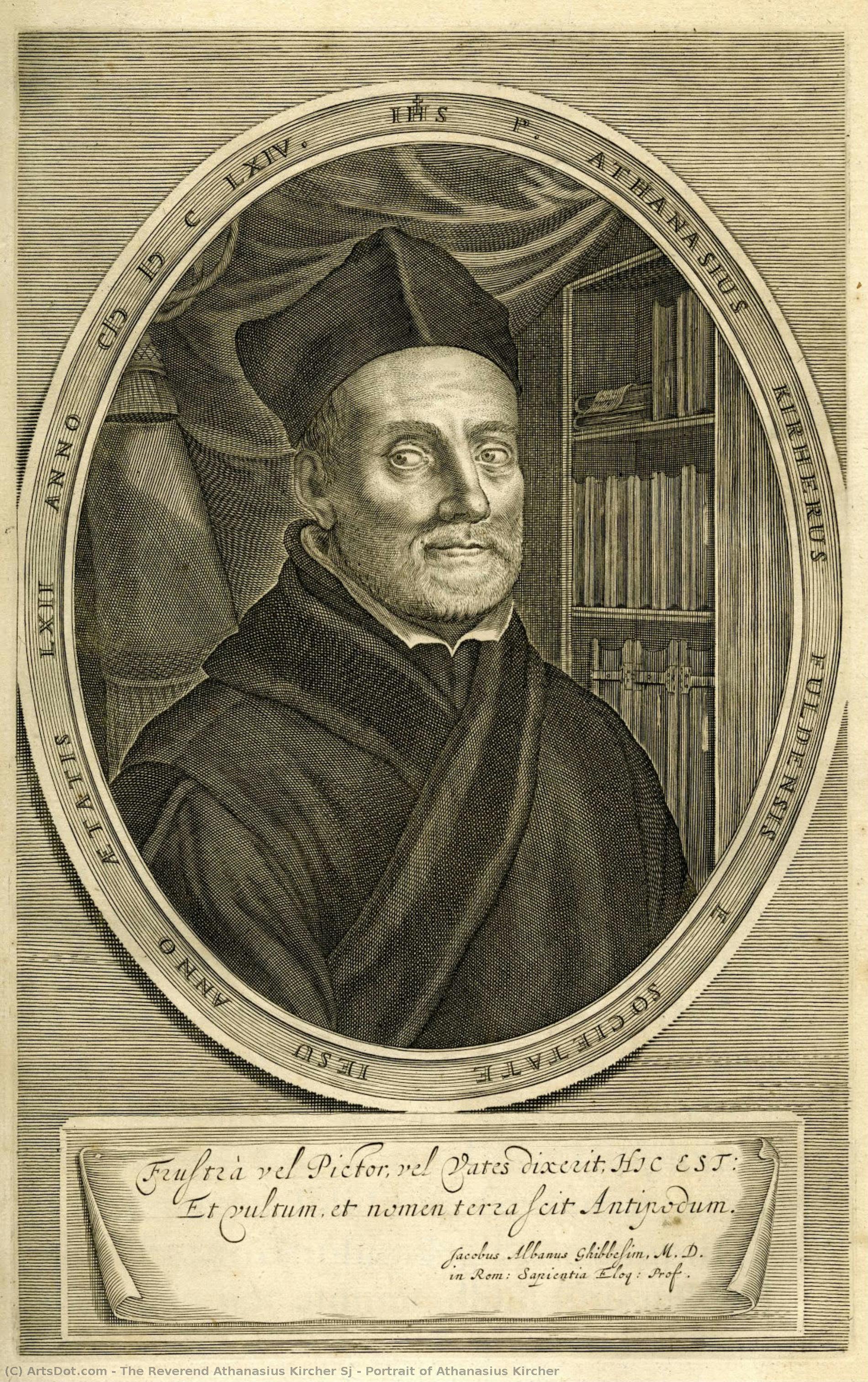
Portrait of Athanasius Kircher


 詳細を見る
詳細を見る




P118B $10

P118H $10

P118W $10

P438Z $10

P508JH $12

P508YH $12

P805H $10

P805Z $10

P919BZ $10

P919G $10

P919XJ $10

P959ZH $10

P968JZ $12

W106C $8

W218G $10

W218JH $8

W218Y $10

W307PJ $10

W316G $10

W316PJ $8

W316Y $10

W398PJ $8

W4111J $10

W500HY $15

W500JH $15

W692G $12

W849H $8

W940BG $15

W953PJ $8




作品のオリジナル比率に合わせた、当店の規定サイズからお選びください。

特定のフレームやスペースに合わせて、ご希望のサイズをご入力いただけます。選択されたサイズが元の画像の比率と異なる場合、アートワークをトリミングするか、手描きで要素を追加して絵画を拡張いたします。デジタルモックアップ を制作し、制作開始前にご確認(承認)をいただきます。
画面上のプレビューは、実際のトリミングや拡張を正確に反映しているものではありません。最終的な構図は、モックアップによってのみ正確にご確認いただけます。
カスタムサイズもご利用いただけますが、元の比率を維持するためには、あらかじめ用意されたリストからサイズを選択することをお勧めいたします。
ご注文後、ArtsDot.com チームより詳細な指示をお送りするとともに、仕上がりイメージ(モックアップ)をご提供いたします。


 ガラスオプションは、110cm未満のサイズでのみご利用いただけます。

Portrait of Athanasius Kircher
複製技法
複製画のサイズ
-


合計金額
$ 263
作品解説
A Portrait of a Polymath – Athanasius Kircher and His World
The image before you is more than just a painted likeness; it’s a carefully constructed window into the mind of Athanasius Kircher, a figure who defied easy categorization. This portrait, dating back to 1678, captures him in his prime – a Jesuit scholar, philosopher, astronomer, geologist, and, perhaps most famously, an Egyptologist obsessed with unlocking the secrets of ancient civilizations. The painting itself is rendered in a style typical of Dutch portraiture of the late Baroque period: a restrained elegance, a focus on detail, and a subtle use of light to define form. Notice the meticulous rendering of his robes – the rich fabrics, the intricate folds – reflecting both his status as a learned man and his adherence to the formal attire expected of a priest within the Jesuit order. The dark background serves to draw attention to Kircher himself, emphasizing his intellectual presence and suggesting a contemplative nature.
The composition is deliberately balanced, mirroring the scholar’s own pursuit of harmony between seemingly disparate fields of knowledge. His gaze, direct and unwavering, invites the viewer into his world of observation and deduction. The inclusion of the bookshelf behind him isn't merely decorative; it speaks volumes about Kircher’s intellectual life – a testament to his voracious appetite for learning and his immersion in the vast repositories of ancient texts. It hints at the countless hours spent poring over manuscripts, deciphering cryptic symbols, and formulating his groundbreaking theories.
Decoding the Hieroglyphs: Symbolism and Scientific Inquiry
Kircher’s most enduring legacy lies in his ambitious attempts to understand Egyptian hieroglyphs. He believed that these ancient symbols held a key not only to understanding Egyptian culture but also to unlocking universal truths about the cosmos. The painting, therefore, can be interpreted as a visual representation of this intellectual quest – a symbolic embodiment of his dedication to deciphering the mysteries of the past. The inclusion of elements suggestive of astronomy and natural philosophy—subtle nods to his other areas of expertise—reinforces this idea. He wasn’t simply interested in translating words; he sought to connect ancient knowledge with contemporary scientific thought.
Furthermore, consider the portrait's context within Kircher’s broader work. His seminal text, *Mundus Subterraneus* (1665), a detailed account of his explorations and theories about subterranean worlds and hidden passages beneath Europe, reflects this same drive to uncover hidden knowledge. The painting, in its own way, mirrors the book's ambition – a desire to reveal what lies beneath the surface, both literally and figuratively.
A Master of Many Arts: Technique and Historical Context
This portrait was created by an anonymous artist working within the established conventions of Dutch portraiture. The use of oil paints allowed for a remarkable level of detail and tonal variation, capturing the textures of fabric and the nuances of Kircher’s face with impressive accuracy. Note the subtle shading that models his features, creating a sense of depth and realism. The painting's age is evident in the slightly darkened tones and the subtle signs of wear, offering a tangible connection to the 17th century.
Kircher’s life coincided with a period of intense intellectual ferment – the Scientific Revolution. He was deeply influenced by the discoveries being made in astronomy, mathematics, and natural philosophy, and his work reflects this spirit of inquiry. He represents a fascinating intersection of faith and reason, scholarship and speculation, tradition and innovation. The portrait serves as a powerful reminder of a time when knowledge was seen as an endless frontier, ripe for exploration and discovery.
Reproductions and the Legacy of Kircher
Today, reproductions of this remarkable portrait offer a unique opportunity to connect with the mind of one of history’s most intriguing polymaths. Whether displayed in a private study or a museum collection, it serves as a constant reminder of the boundless potential of human curiosity and the enduring power of intellectual pursuit. The image invites us to contemplate not only Kircher's life but also our own place within the vast tapestry of knowledge and discovery.
関連作品

アーティストの略歴
バロックの万能学者:アタナシウス・キルヒャスの生涯と遺産
1602年、ドイツのガイザにて9人兄弟の一人として生まれたアタナシウス・キルヒャスは、17世紀において最も魅力的で謎に満ちた人物の一人としてその名を刻みました。彼の生涯は、知的好奇心の並外れた証であり、息をのむほどの広範な分野にわたる飽くなき知識への探求の軌跡でした。フルダのイエズス会カレッジでの初期教育――そこで彼は後の思考を形作ることになる厳格なスコラ学に初めて触れました――から、1628年の司祭叙階に至るまで、キルキャスの歩みは理解への渇望によって彩られていました。その若き頃から、後に彼が成し遂げる万能学者としての片鱗はすでに現れていました。神学の研究と並行して、数学や哲学、さらにはヘブライ語やシリア語といった古代言語においても驚くべき才能を発揮していたのです。修道士時代に奇跡的な力によって癒やされたとされる若い頃の脚の怪我は、おそらく地上の謎と神聖なる謎の両方を解き明かすことに捧げられるであろう、彼の後の人生を予兆していたのかもしれません。この揺るぎない基礎が彼を1634年のローマへと突き動かし、そこで彼はキャリアの大部分を過ごし、当時の知的景観に消えることのない足跡を残すこととなりました。キルヒャン博物館:驚異の部屋
ローマに到着したキルヒャスは、クリストフォロ・クラヴィウスの後継としてローマ・カレッジの数学者となり、この地位は彼に安定をもたらすと同時に、膨らみ続ける学術的探求のための舞台を与えました。しかし、彼の遺産を真に定義づけたのは、「キルヒャン博物館」として知られる「ヴンダーカマー(驚異の部屋)」の設立でした。それは単なる珍奇な品のコレクションではありませんでした。世界各地のイエズス会伝道所から集められた工芸品や標本で満たされた、細心の注意を払ってキュレーションされた世界の縮図だったのです。博物館はその多様性で名を馳せました。古代の彫刻が異国の動植物と並び、地質学的なサンプルが技術的な発明品の隣に置かれていました。そこは研究センターであると同時に、壁の中に収められた驚異を目の当たりにしようと熱望する訪問者を惹きつける、大衆的な見世物でもありました。この試みにおいて、キルヒャスの書簡ネットワークは極めて重要な役割を果たしました。彼はヨーロッパ全土、さらにはその遥か彼方の科学者、学者、宣教師たちと連絡を取り合い、自ら広範囲を旅することなく、彼らの報告に頼って調査を進めたのです。こうした二次的な情報への依存は時に批判の対象となりましたが、それは同時に、バラバラな情報源から一貫した――たとえそれがしばしば型破りであったとしても――世界観を構築し、統合するというキルシーャスの驚異的な能力を物語るものでもありました。探求の宇宙:エジプト学から顕微鏡学まで
キルヒャスの知的関心は、驚くほど広範なものでした。彼は単なる専門家であることを良しとせず、あらゆる知識を一つの調和のとれた体系へと統合しようと試みました。エジプトのヒエログリフ(聖刻文字)を解読しようとする彼の試みは、現代の基準からすれば最終的には誤りを含んでいたものの、エジプト学の発展における決定的な瞬間を象徴しています。その手法は神秘的な解釈やコプト語との比較に基づいたものが多かったものの、古代エジプト語とコプト語の関連性を正しく見出したことは、後の分野の進歩のための基礎を築く重要な突破口となりました。言語学の枠を超え、キルヒャスは地質学にも深く分け入り、マルタ、ナポリ、シチリアなどの火山や地震を研究し、地質現象に関する初期の観察に貢献しました。また、顕微鏡を通じて微生物を観察した最初期の一人でもあり、感染症の原因が微生物である可能性を提唱しました。これは、その時代から数世紀も先を行く思想でした。彼の創造的な精神は、磁気時計やオートマトン(自動人形)、初期の拡声器など、様々な機械装置の設計へと向かいました。魔法のランタンの発明者として誤認されることも多いですが、彼はその原理を著書『光と影の偉大なる術(Ars Magna Lucis et Umbrae)』の中で緻密に研究していました。約40におよぶ主要な著作という多作な成果は、彼の調査がいかに広大な範囲に及んでいたかを証明しています。『磁気論(Ars Magnesia)』、『コプト語序説(Prodromus Coptus)』、そして地下世界に関する包括的な論文『地下世界(Mundus Subterraneus)』といったタイトルは、人類の知識の境界を絶えず探り続けた彼の精神を露わにしています。「すべてを知る最後の一人」とその不朽の影響
アタナシウス・キルヒャスは、「すべてを知る最後の一人」として有名に語られてきました。これは、ルネサンス期の万能学の集大成を体現した人物にとって、まさにふさわしい呼び名でした。彼の導き出した具体的な結論の多くは、その後の科学的進歩によって覆されてしまいましたが、彼の仕事は探求心を刺激し、数多くの分野の発展に寄与しました。世界中から情報を収集し統合した彼の功績は、広範な通信手段や標準化された知識が存在しなかった時代において、とりわけ価値のあるものでした。歴史的に見れば、研究における不正確さや投機的な解釈への傾向により、キルヒャスの名声は打撃を受けたこともありました。しかし、近年の学術研究では、彼の広範な知的好奇心の価値と、知識の伝播者としての役割を再評価する動きが始まっています。エジプト学に対する彼の影響は、たとえ欠陥があったとしても否定しようのないものです。エジプト語とコプト語の結びつきを見出したことは、今なお重要な業績として残っています。アタナシウス・キルヒャスは、その生涯と業績を通じて17世紀の知的精神――ルネサンスの人文主義と、勃興しつつあった科学革命との架け橋――を体現する、魅惑的な人物であり続けています。彼は、専門分化が進む現代においても、分野を超えた知識の探求が深い洞察と不朽の遺産をもたらし得ることを、私たちに思い出させてくれるのです。彼のいた世界は、好奇心に境界がなく、理解への追求そのものが報酬であった世界なのです。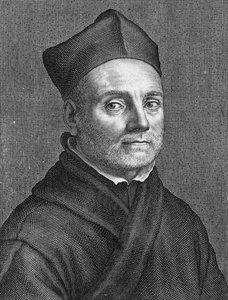
アタナシウス・キルヒャース
1602 - 1680 , ドイツ
基本情報
- Artistic Movement Or Style: ルネサンス的人才
- Artists Or Movements Influenced By This Artist:
- エジプト学
- 科学的思想
- Date Of Birth: 1602年5月2日
- Date Of Death: 1680年
- Full Name: アタナシウス・キルヒャー SJ
- Nationality: ドイツ
- Notable Artworks:
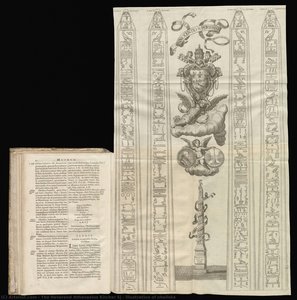
- オベリスクの図解
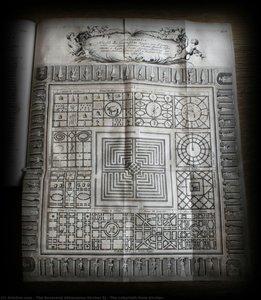
- キルヒャーによる迷宮
- ひまわり時計
- Place Of Birth: ドイツ、ガイザ
関連記事
Engraving's Golden Age: 10 Masterpieces That Redefined Art | ArtsDot
Journey through art history with our Top 10 Legendary Engravings! Explore masterpieces by Dürer, Rembrandt & Goya. Discover the stories behind these iconic prints and find museum-quality reproductions for your home at ArtsDot.com.
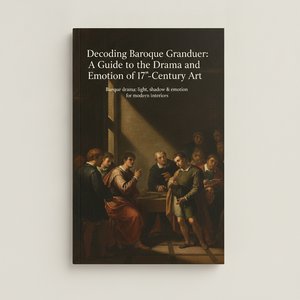
Decoding Baroque Grandeur: A Guide to the Drama and Emotion of 17th-Century Art
Explore the breathtaking drama of 17th-century Baroque art. Our expert guide decodes the use of chiaroscuro, emotional intensity, and historical grandeur to help you appreciate and curate timeless masterpieces for your collection.
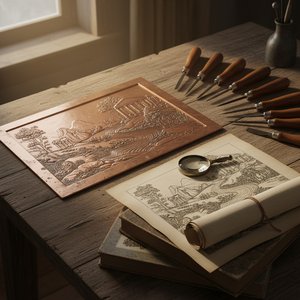
Engraving: A Historical Survey of Technique, Artistic Expression & Enduring Legacy
Explore the rich history of engraving with ArtsDot. Discover techniques, iconic artists like Dürer & Callot, collecting tips, and expert guidance for preserving your art investment. Learn about intaglio printing & more!

Baroque Classicism: Reconciling Drama & Order in 17th-Century Art
Explore the captivating world of Baroque Classicism! Discover its history, key artists like Caravaggio & Rubens, and defining characteristics. Expert insights & high-quality reproductions at ArtsDot.

The Dramatic Flourish: Exploring the Baroque Movement's Enduring Legacy in Art History
Explore the dramatic world of Baroque art! Discover iconic artists like Caravaggio & Rubens, defining techniques, and its lasting impact on art history. Expert insights for collectors & enthusiasts at ArtsDot.

