

 シェアする
シェアする シェアする
シェアする
 詳細を見る
詳細を見る

 ダウンロード
 似ている作品
 スライドショー
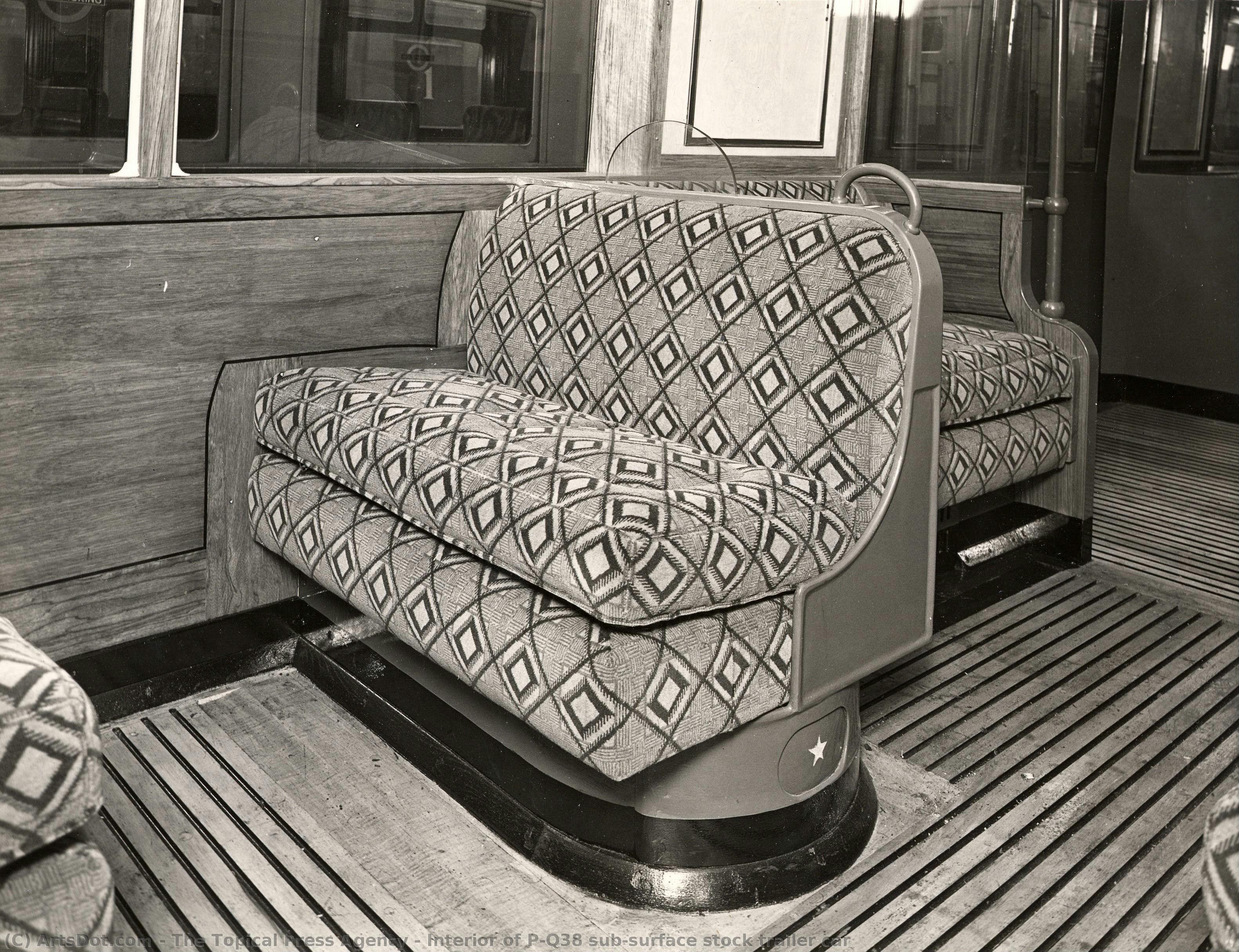
Interior of P/Q38 sub-surface stock trailer car


 詳細を見る
詳細を見る
ジークレー/アートプリント
迅速な制作と多彩な仕上げオプションを備えた、ミュージアムクオリティのジークレーまたはキャンバスプリント。 ( 手描きの絵画を購入 画像を購入)




































作品のオリジナル比率に合わせた、当店の規定サイズからお選びください。

特定のフレームやスペースに合わせて、ご自身でサイズを指定することも可能です。選択されたサイズが元の画像の比率と一致しない場合、作品をトリミングするか、鏡面反射または単色での塗りつぶしによって画像を拡張いたします。制作を開始する前に、ご確認用のデジタルモックアップをお送りいたします。
画面上のプレビューには、実際のトリミングや拡張は反映されませんのでご注意ください。最終的な構図を正確に確認できるのは、モックアップのみとなります。
カスタムサイズも承っておりますが、元の比率を維持するためには、あらかじめ用意されたリストからサイズを選択することをお勧めいたします。


 ガラスオプションは、110cm未満のサイズでのみご利用いただけます。

Interior of P/Q38 sub-surface stock trailer car
ジークレー/アートプリント
複製画のサイズ
-


合計金額
$ 62
A Snapshot of Transient Britain: The Interior of P/Q38
This evocative black and white photograph, titled “Interior of P/Q38 sub-surface stock trailer car,” offers a poignant glimpse into the everyday realities of 1938 Britain. Captured by the Topical Press Agency – a name synonymous with documenting the pulse of a rapidly changing nation – the image transcends its simple subject matter to become a powerful artifact of social and historical significance. The photograph, originally part of the agency’s extensive archive, presents us with an empty train car, meticulously rendered in stark detail, transporting us back to a time of both quiet industry and impending uncertainty. Its unassuming composition—two cushioned seats, two benches, and the inherent geometry of the vehicle's interior—creates a sense of contained stillness, amplified by the absence of human presence. The photograph’s technical execution – likely utilizing early photographic processes like gelatin silver printing – contributes to its textural richness and tonal range, emphasizing the worn surfaces and subtle shadows that define this forgotten space.The Topical Press Agency: Chronicling a Nation
Established in 1903 by James Barrow Helsby and Walter James Edwards, the Topical Press Agency played a crucial role in shaping British visual culture. Operating from London’s Fleet Street during a period of immense social and political transformation, the agency provided photographic content to newspapers and commercial clients alike. Their work wasn't merely observational; it was actively engaged in constructing narratives about Britain – its industry, its people, and its evolving identity. The Agency’s longevity—spanning nearly half a century—testifies to their adaptability and relevance within the burgeoning field of journalism and commercial photography. This particular image reflects the agency’s broader mission: to capture authentic moments and present them to a public eager for visual representation of the world around them.Symbolism in Simplicity: The Train Car as Metaphor
The train car itself becomes a surprisingly rich symbol within this photograph. In 1938, rail travel was still a significant mode of transport across Britain, connecting communities and facilitating trade. However, the empty car suggests a sense of isolation or transience – perhaps reflecting the economic anxieties of the era or the displacement caused by industrialization. The simple arrangement of seats and benches evokes a feeling of waiting, anticipation, or even melancholy. The stark contrast between light and shadow further intensifies this emotional resonance, creating an atmosphere that is both intimate and slightly unsettling. The photograph’s composition subtly invites contemplation about journeys – not just physical ones, but also those of the mind and spirit.Technique and Historical Context
The photograph's aesthetic qualities are deeply rooted in its historical context. Executed by the Topical Press Agency, it showcases a mastery of early photographic techniques, including careful composition, attention to detail, and skillful manipulation of light and shadow. The grainy texture and subtle tonal variations characteristic of gelatin silver printing contribute to the image’s timeless quality. This piece offers a tangible connection to a specific moment in British history – 1938 – providing valuable insight into the daily lives and working conditions of ordinary people during a period of significant social and economic change. It is a testament to the power of photography as both a historical record and an artistic medium. None関連作品



アーティストの略歴
The Topical Press Agency: Capturing the Pulse of a Changing Britain
The Topical Press Agency, often simply known as Topical, represents more than just a collection of photographs; it embodies a pivotal moment in British visual history. Established in 1903 by James Barrow Helsby and Walter James Edwards, this pioneering photo agency wasn’t merely documenting events – it was actively shaping public perception of everyday life and significant historical shifts within Britain. For nearly half a century, Topical operated as a vital artery connecting photographers to the burgeoning world of journalism and commercial photography, ultimately leaving behind an extensive archive that continues to resonate today.
The agency’s origins lie in the rapidly evolving landscape of early 20th-century London. Fleet Street, already the heart of British newspaper publishing, was a hive of activity demanding constant visual content. Helsby and Edwards recognized this need, assembling a team of photographers – including notable figures like Arthur William Debenham, Hugh Cecil Saunders, and John Warwick Brooke – to capture the spirit of the era. Unlike traditional portrait studios focused on formal subjects, Topical’s mandate was broader: to document the realities of urban life, social movements, and key historical events with immediacy and authenticity. Their operation expanded dramatically, employing nearly 1,500 representatives across Great Britain and a growing network of international agents by 1929, showcasing a remarkable reach for its time.
A Snapshot of British Life: Photography and the Press
Topical’s success stemmed from its commitment to contemporary press photography. The agency didn't simply sell stock images; it provided a constant stream of fresh photographs directly to newspapers – a revolutionary concept at the time. Their photographers weren’t confined to grand events or formal gatherings; they documented street scenes, social gatherings, industrial landscapes, and the daily lives of ordinary Britons. This approach offered readers a direct connection to current affairs, shaping their understanding of the world in real-time. The agency's work frequently appeared alongside news stories, providing visual context and amplifying the impact of the written word.
Notable amongst their subjects were figures like Sylvia Pankhurst, whose powerful photographs captured the spirit of the suffragette movement. Images such as the one displayed at the Museum of London powerfully conveyed the determination and resilience of women fighting for the right to vote. Beyond political activism, Topical documented a wide range of social issues – poverty, industrial labor, and urban development – offering a nuanced portrayal of British society during a period of immense transformation. The agency’s commitment to capturing these diverse facets of life cemented its reputation as a crucial observer of the times.
Technique and Legacy: From Glass Plates to Getty Images
The quality of Topical's output was underpinned by their use of high-grade photographic paper, ensuring that images retained their clarity and detail. Their photographers worked primarily with glass plate negatives, a technology demanding precision and skill. The agency’s meticulous approach resulted in photographs that not only documented events but also possessed an inherent aesthetic quality – a testament to the dedication of its team.
Despite its initial success, Topical faced challenges as the media landscape shifted dramatically after World War II. The rise of television diminished the demand for press photography, and changes in publishing practices further eroded the agency’s market position. By 1957, Topical Press Agency dissolved, but its legacy endures. The bulk of its archive was acquired by the Hulton Picture Library, which later became part of Getty Images – ensuring that these invaluable images continue to be accessible and utilized today. The photographs taken during Topical's tenure remain a vital resource for historians, journalists, and anyone seeking to understand Britain’s past through the lens of early 20th-century photography.
Key Works and Continuing Relevance
Several key images from the Topical Press Agency have achieved iconic status. Sylvia Pankhurst's portrait stands as a powerful symbol of the suffragette movement, while photographs documenting the social conditions of London’s East End offer poignant insights into the lives of its residents. The agency’s extensive collection also includes images of royalty, political figures, and significant historical events – providing a comprehensive visual record of Britain during a transformative era.
Today, these photographs are readily available through platforms like ArtsDot.com, offering a unique opportunity to explore the history of British photography and gain a deeper understanding of the social and cultural context in which they were created. The Topical Press Agency’s story is not just one of a photographic agency; it's a reflection of Britain itself – a nation grappling with change, striving for progress, and capturing its moments in images that continue to resonate today.
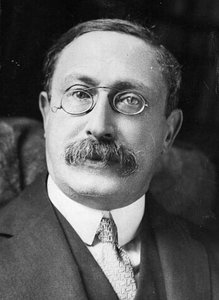
the topical press agency
1903 - 1957 , United Kingdom
基本情報
- Artistic Movement Or Style: Press photography
- Artists Or Movements Influenced By This Artist: ['Getty Images']
- Artists Who Influenced This Artist: ['Royal photographers']
- Date Of Birth: 1903
- Full Name: The Topical Press Agency
- Nationality: British
- Notable Artworks:
- Sylvia Pankhurst
- Various press images
- Place Of Birth: London, United Kingdom
関連記事

Monochrome Visions: Exploring the Aesthetic & Historical Significance of Black & White Photography
Explore the rich history & artistic power of black and white photography. From early techniques to iconic masters like Ansel Adams, discover why monochrome continues to captivate art lovers today. Expert insights for collectors.

Beyond the Lens: Photography's Enduring Influence on Modern & Contemporary Art
Explore photography's pivotal role in shaping modern & contemporary art. Discover key movements, influential artists like Stieglitz, and expert collecting advice from ArtsDot.

Pictorialism: A Search for Artistic Photography's Soul – Aesthetics, Techniques & Legacy
Explore the captivating world of Pictorialism – a pivotal movement that transformed photography into fine art. Discover key artists like Stieglitz & Käsebier, techniques, and collecting tips from experts.

Witnessing History Through Lens & Light: Documentary Photography's Enduring Legacy
Explore the powerful history of documentary photography – from its origins to contemporary masters like Gordon Parks & W. Eugene Smith. Discover how this art form shapes our understanding of society and witness pivotal moments in time.

Documentary Photography's Defining Moments: 10 Masterpieces for Your Home |
Explore 10 defining documentary photography masterpieces – from Dorothea Lange to Robert Capa. Discover powerful stories, iconic images & timeless art for your home. Museum-quality prints at .

