

 プレビュー
プレビュー
 プリントを購入
 シェアする
シェアする シェアする
シェアする
 詳細を見る
詳細を見る

 ダウンロード
 似ている作品
 X線調査
X線調査 スライドショー
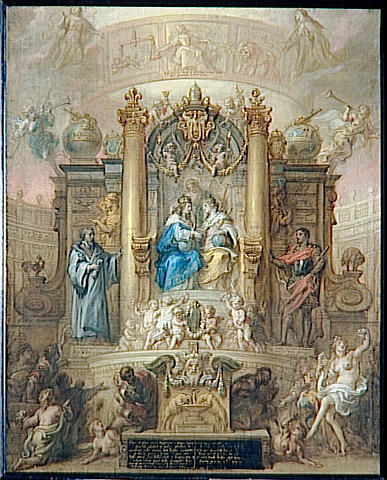
L'ALLIANCE DE LA FRANCE ET DE L'ESPAGNE


 詳細を見る
詳細を見る




P118B $10

P118H $10

P118W $10

P438Z $10

P508JH $12

P508YH $12

P805H $10

P805Z $10

P919BZ $10

P919G $10

P919XJ $10

P959ZH $10

P968JZ $12

W106C $8

W218G $10

W218JH $8

W218Y $10

W307PJ $10

W316G $10

W316PJ $8

W316Y $10

W398PJ $8

W4111J $10

W500HY $15

W500JH $15

W692G $12

W849H $8

W940BG $15

W953PJ $8




作品のオリジナル比率に合わせた、当店の規定サイズからお選びください。

特定のフレームやスペースに合わせて、ご希望のサイズをご入力いただけます。選択されたサイズが元の画像の比率と異なる場合、アートワークをトリミングするか、手描きで要素を追加して絵画を拡張いたします。デジタルモックアップ を制作し、制作開始前にご確認(承認)をいただきます。
画面上のプレビューは、実際のトリミングや拡張を正確に反映しているものではありません。最終的な構図は、モックアップによってのみ正確にご確認いただけます。
カスタムサイズもご利用いただけますが、元の比率を維持するためには、あらかじめ用意されたリストからサイズを選択することをお勧めいたします。
ご注文後、ArtsDot.com チームより詳細な指示をお送りするとともに、仕上がりイメージ(モックアップ)をご提供いたします。


 ガラスオプションは、110cm未満のサイズでのみご利用いただけます。

L'ALLIANCE DE LA FRANCE ET DE L'ESPAGNE
複製技法
複製画のサイズ
-


合計金額
$ 488
A Tapestry of Alliance: Van Thulden’s “L’Alliance de la France et de l’Espagne”
Theodoor van Thulden's "L'Alliance de la France et de l'Espagne," painted around 1659, is more than a historical depiction; it’s a meticulously crafted allegory of power, diplomacy, and the burgeoning unity between two European giants. This monumental work, now residing within the esteemed collection of the Louvre Museum in Paris, offers a captivating glimpse into the Baroque era’s penchant for dramatic storytelling and opulent visual language. Van Thulden, deeply influenced by the dynamism of Peter Paul Rubens, masterfully blends Flemish realism with Italianate grandeur, creating an image that is both formally impressive and emotionally resonant.
The scene unfolds within a richly appointed architectural setting – a vast, tiered space reminiscent of a royal palace or grand hall. A central throne dominates the composition, flanked by imposing figures representing France and Spain. These aren’t merely portraits; they are embodiments of their respective nations, radiating an aura of authority and strength. Above them, a complex structure of columns, arches, and decorative elements—a veritable cascade of ornamentation—elevates the scene towards a celestial realm, suggesting divine sanction for this alliance. Below, a vibrant throng of putti (cherubic infants), allegorical figures, and what appear to be historical or mythological characters swirl around the central axis, creating a layered narrative that invites prolonged contemplation.
A Symphony of Color and Light
Van Thulden’s palette is a testament to Baroque richness – a harmonious blend of deep blues, shimmering golds, creamy whites, and muted earth tones. The dominant use of gold isn't merely decorative; it serves to highlight key elements—the throne, the figures, and the architectural details—drawing the viewer’s eye and emphasizing their importance. The background employs softer pastel hues – delicate pinks and yellows – which create an ethereal atmosphere, contrasting sharply with the more grounded tones of the foreground. The artist skillfully manipulates light and shadow to sculpt forms, adding depth and volume to the scene. A warm, directional glow emanates from behind the central figures, lending them a sense of divine presence or regal importance, while strategically placed shadows define their musculature and drapery.
Decoding the Allegory: Symbolism in Detail
“L’Alliance de la France et de l'Espagne” is replete with symbolic elements that enrich its meaning. The throne itself represents power, authority, and the stability of the alliance. The putti, often associated with love, joy, and prosperity, are scattered throughout the scene, suggesting a future of abundance and happiness for both nations. The presence of shields and banners—emblazoned with the emblems of France and Spain—further reinforces the theme of unity and mutual defense. Beyond these readily apparent symbols, subtle details hint at deeper meanings – perhaps referencing specific treaties or events that solidified the alliance. The overall emotional tone is one of grandeur, celebration, and political significance, reflecting the momentous occasion it depicts.
Technique and Artistic Legacy
Van Thulden’s masterful technique showcases his command of oil painting on canvas. He employs a layered approach, building up color gradually to create depth and volume. Brushwork is generally refined, suggesting a skilled hand and meticulous attention to detail. The artist skillfully utilizes glazing techniques to achieve subtle color transitions and luminous effects, particularly in the drapery and architectural elements. The flattened perspective, characteristic of Baroque art, contributes to the overall sense of drama and grandeur. This painting stands as a prime example of Van Thulden’s ability to seamlessly blend Flemish realism with Italianate influences, resulting in a visually stunning and intellectually stimulating work of art.
Further Exploration
- Useful Links: ArtsDot.com - Theodoor Van Thulden
- Wikipedia: Wikipedia - Theodoor van Thulden
- Louvre Museum: Louvre Museum - L'Alliance de la France et de l’Espagne
- Joconde: Joconde - L'Alliance de la France et de l’Espagne
関連作品




アーティストの略歴
early life and training
theodoor van thulden, a prominent dutch baroque artist, was born on august 9, 1606, in 's-hertogenbosch, north brabant. his father, an orfèvre, engaged in the textile trade, while his mother was the daughter of an orfèvre. van thulden's artistic journey began under the guidance of abraham van blyenbergh, a master painter, in 1622.artistic career and influences
van thulden became a master of the guild of st. luke in antwerp in 1627. his work was heavily influenced by peter paul rubens, with whom he frequently collaborated. van thulden's style, characterized by its elegance and classicism, often featured muted colors and a preference for brown tones. notable works include his small-scale paintings of village festivals and weddings, which showcased his unique blend of dutch and flemish artistic traditions.notable works and collaborations
* theodoor van thulden's "triumph der galathea" (1659), a masterpiece now housed in the picture gallery sanssouci (potsdam, germany), exemplifies his skill in capturing the essence of baroque art. * van thulden's collaboration with rubens on the decorations for the joyous entry of cardinal-infante ferdinand in 1635 is a testament to their artistic synergy.museum collections and online resources
* the rijksprentenkabinet in amsterdam features an impressive collection of prints, drawings, and photographs, including works by van thulden's contemporaries. * visit theodoor van thulden's "triumph der galathea" on ArtsDot.com to explore more of his artwork. * discovering the art of st. joriskerk, amersfoort, netherlands on ArtsDot.com for a deeper understanding of dutch art and its influences.- view van thulden's paintings on ArtsDot.com to appreciate his unique style and contributions to the dutch baroque movement.
- explore the rijksprentenkabinet's collection online to discover more about dutch artistic traditions.
- read about theodoor van thulden's life and work on wikipedia: theodoor van thulden
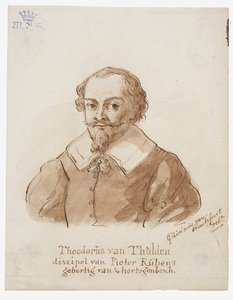
theodoor van thulden
1606 - 1669 , Netherlands
基本情報
- Artistic Movement Or Style: Baroque
- Artists Or Movements Influenced By This Artist: ['Flemish Baroque']
- Artists Who Influenced This Artist: ['Peter Paul Rubens']
- Date Of Birth: August 9, 1606
- Date Of Death: 1669
- Full Name: Theodoor van Thulden
- Nationality: Flemish
- Notable Artworks:
- Triumph der Galathea
- Venus and Adonis
- Antiochus and Stratonice
- Place Of Birth: Den Bosch, Netherlands
関連記事

レンブラント傑作25選:光と影の巨匠、魂を揺さぶる名画の世界 | ArtsDot
レンブラントの傑作25選。光と影の魔術師が描いた魂を揺さぶる名画の世界へ。美術史に残る自画像、夜警、宗教画…ArtsDotで高品質なアートプリントやインテリアアートをお楽しみください。コレクションはこちら→
Sir Anthony van Dyck: Courtly Portraiture & the Shaping of Baroque Identity
Explore the life & legacy of Sir Anthony van Dyck, the leading court painter of his era. Discover his innovative portraiture, Baroque masterpieces, and investment potential for discerning collectors. Learn more at ArtsDot.

Dutch Baroque Masters: 10 Paintings That Shaped an Era | ArtsDot
Journey through the Golden Age with our guide to the Top 10 Dutch Baroque masterpieces! Explore iconic paintings by Rembrandt, Vermeer & Frans Hals. Find museum-quality art reproductions and elevate your home decor at ArtsDot.com.

The Dramatic Flourish: Exploring the Baroque Movement's Enduring Legacy in Art History
Explore the dramatic world of Baroque art! Discover iconic artists like Caravaggio & Rubens, defining techniques, and its lasting impact on art history. Expert insights for collectors & enthusiasts at ArtsDot.

バロック美術を極めた至宝:時代を彩る10大名作の世界
バロック美術の華!カラヴァッジョ、ベルニーニら巨匠が創り上げた10大名作を徹底解剖。ドラマチックな色彩と豪華絢爛の世界観に触れ、至宝のアートプリントで空間を彩ろう。ArtsDot.comで美術館品質の複製と洗練されたインテリアを見つけましょう!

