

 プレビュー
プレビュー
 プリントを購入
 シェアする
シェアする シェアする
シェアする
 詳細を見る
詳細を見る

 ダウンロード
 似ている作品
 X線調査
X線調査 スライドショー
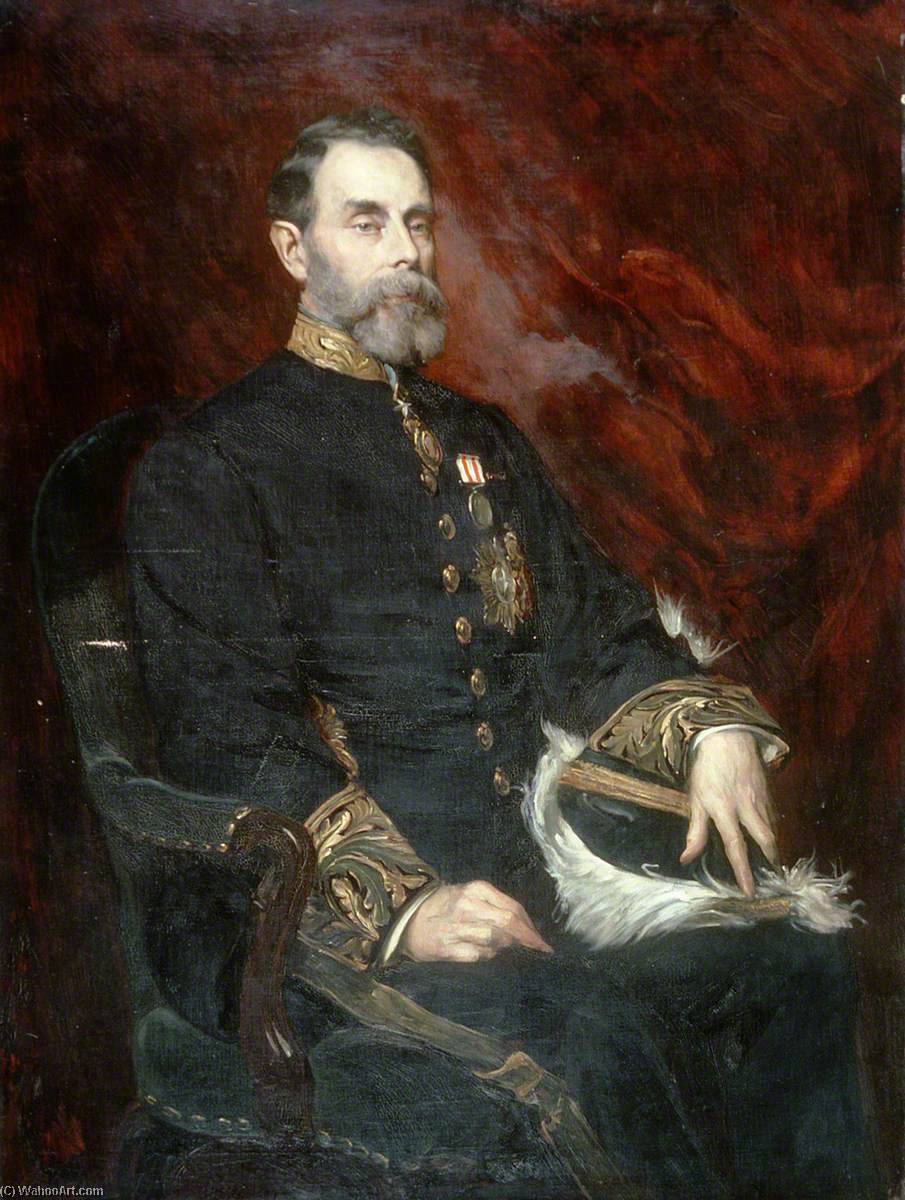
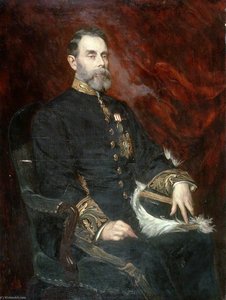
Sir Robert Henry Davies (1824–1902)
 1890
1890 157.0 x 121.0 cm
 Llyfrgell Genedlaethol Cymru / The National Library of Wales
 詳細を見る
詳細を見る




































作品のオリジナル比率に合わせた、当店の規定サイズからお選びください。

特定のフレームやスペースに合わせて、ご希望のサイズをご入力いただけます。選択されたサイズが元の画像の比率と異なる場合、アートワークをトリミングするか、手描きで要素を追加して絵画を拡張いたします。デジタルモックアップ を制作し、制作開始前にご確認(承認)をいただきます。
画面上のプレビューは、実際のトリミングや拡張を正確に反映しているものではありません。最終的な構図は、モックアップによってのみ正確にご確認いただけます。
カスタムサイズもご利用いただけますが、元の比率を維持するためには、あらかじめ用意されたリストからサイズを選択することをお勧めいたします。
ご注文後、ArtsDot.com チームより詳細な指示をお送りするとともに、仕上がりイメージ(モックアップ)をご提供いたします。


 ガラスオプションは、110cm未満のサイズでのみご利用いただけます。

Sir Robert Henry Davies (1824–1902)
複製技法
複製画のサイズ
-


合計金額
$ 263
関連作品







アーティストの略歴
A Visionary of East Meets West: The Life and Art of Theodore Blake Wirgman
Theodore Blake Wirgman, born in 1848 and passing in 1925, occupies a fascinating, if often overlooked, niche within the Victorian art world. He wasn’t merely a painter; he was a cultural translator, a sensitive observer who absorbed the burgeoning aesthetic currents of his time – the lingering Romanticism, the Pre-Raphaelite attention to detail, and most significantly, the captivating allure of Japanese art that swept through Europe in the latter half of the 19th century. Wirgman’s life story is somewhat shrouded in mystery, with detailed biographical information scarce; however, his artwork speaks volumes about a man deeply engaged with both the artistic traditions of his homeland and the exotic beauty he found in the Far East. He wasn't simply replicating Japanese motifs but internalizing them, allowing them to subtly reshape his understanding of landscape, composition, and symbolism.Early Influences and Artistic Development
While details regarding Wirgman’s formal training remain elusive, it is clear that the influence of William Blake – no direct relation, as far as we know – permeated his early artistic sensibilities. A fascination with visionary subjects, a penchant for intricate detail, and a symbolic use of natural forms are hallmarks of his work from the beginning. However, unlike Blake’s often turbulent and overtly religious imagery, Wirgman's focus shifted towards more serene and contemplative scenes. The opening of Japan to Western trade in 1853 following Commodore Perry’s expedition proved pivotal. Japanese woodblock prints – *ukiyo-e* – flooded the European market, captivating artists with their flattened perspectives, bold colors, and depictions of everyday life. Wirgman was among those profoundly affected by this influx of new visual language. He didn't just collect these prints; he studied them meticulously, absorbing their compositional principles and aesthetic philosophy. This influence is not merely superficial imitation but a deep integration into his artistic process.The Fusion of Styles: Landscape and Symbolism
Wirgman’s mature work is characterized by a unique fusion of Victorian landscape painting and Japanese aesthetics. His paintings often depict idyllic scenes – tranquil gardens, misty mountains, and serene waterways – rendered with meticulous detail reminiscent of the Pre-Raphaelites. However, these landscapes are not simply realistic representations; they are imbued with symbolic meaning. The careful arrangement of trees, rocks, and water features echoes traditional Japanese garden design, where each element holds a specific significance. He frequently employed motifs like cranes (symbols of longevity), pine trees (representing resilience), and bamboo (signifying strength and flexibility). His use of space is particularly noteworthy, often employing asymmetrical compositions and negative space to create a sense of depth and tranquility – techniques directly borrowed from Japanese art. Wirgman’s palette, while rooted in Victorian sensibilities, also demonstrates a subtle shift towards the more muted tones favored in *ukiyo-e* prints. He wasn't interested in recreating the vibrant colors of Japan but rather evoking its atmosphere—a sense of calm contemplation and spiritual harmony.Orientalism and Artistic Recognition
Wirgman’s work falls within the broader context of Orientalism, a Western fascination with the East that was prevalent throughout the 19th century. However, his approach differs from many of his contemporaries who often exoticized or romanticized Eastern cultures. Wirgman's engagement appears more respectful and nuanced, focusing on aesthetic principles rather than sensationalist depictions. He sought to understand and integrate Japanese artistic traditions into his own work, creating a unique visual language that transcended simple imitation. While he wasn’t as widely celebrated during his lifetime as some of his Pre-Raphaelite peers, Wirgman's paintings were exhibited in prominent galleries and appreciated by discerning collectors. His art represents a significant contribution to the cross-cultural exchange of artistic ideas that characterized the Victorian era.Legacy and Historical Significance
Theodore Blake Wirgman’s legacy lies in his ability to synthesize disparate artistic influences into a cohesive and compelling visual style. He wasn't simply a follower of trends but an innovator who dared to blend the traditions of East and West, creating paintings that are both beautiful and thought-provoking.- His work offers valuable insights into the reception of Japanese art in Victorian England.
- He demonstrates how artists can successfully integrate foreign influences without sacrificing their own artistic identity.
- Wirgman’s paintings provide a glimpse into the aesthetic sensibilities of a bygone era, characterized by a fascination with nature, symbolism, and spiritual harmony.
theodore blake wirgman
1848 - 1925
基本情報
- Artistic Movement Or Style: Victorian Art
- Artists Or Movements Influenced By This Artist: ['Orientalism']
- Artists Who Influenced This Artist: ['William Blake']
- Date Of Death: 1925
- Full Name: Theodore Blake Wirgman
- Nationality: Belgian
- Notable Artworks:
- Edyth Aline
- Dorothy and Marjory Lees
- Sir Thomas Brock
- Place Of Birth: Brussels, Belgium

