

 シェアする
シェアする シェアする
シェアする
 詳細を見る
詳細を見る

 ダウンロード
 似ている作品
 スライドショー
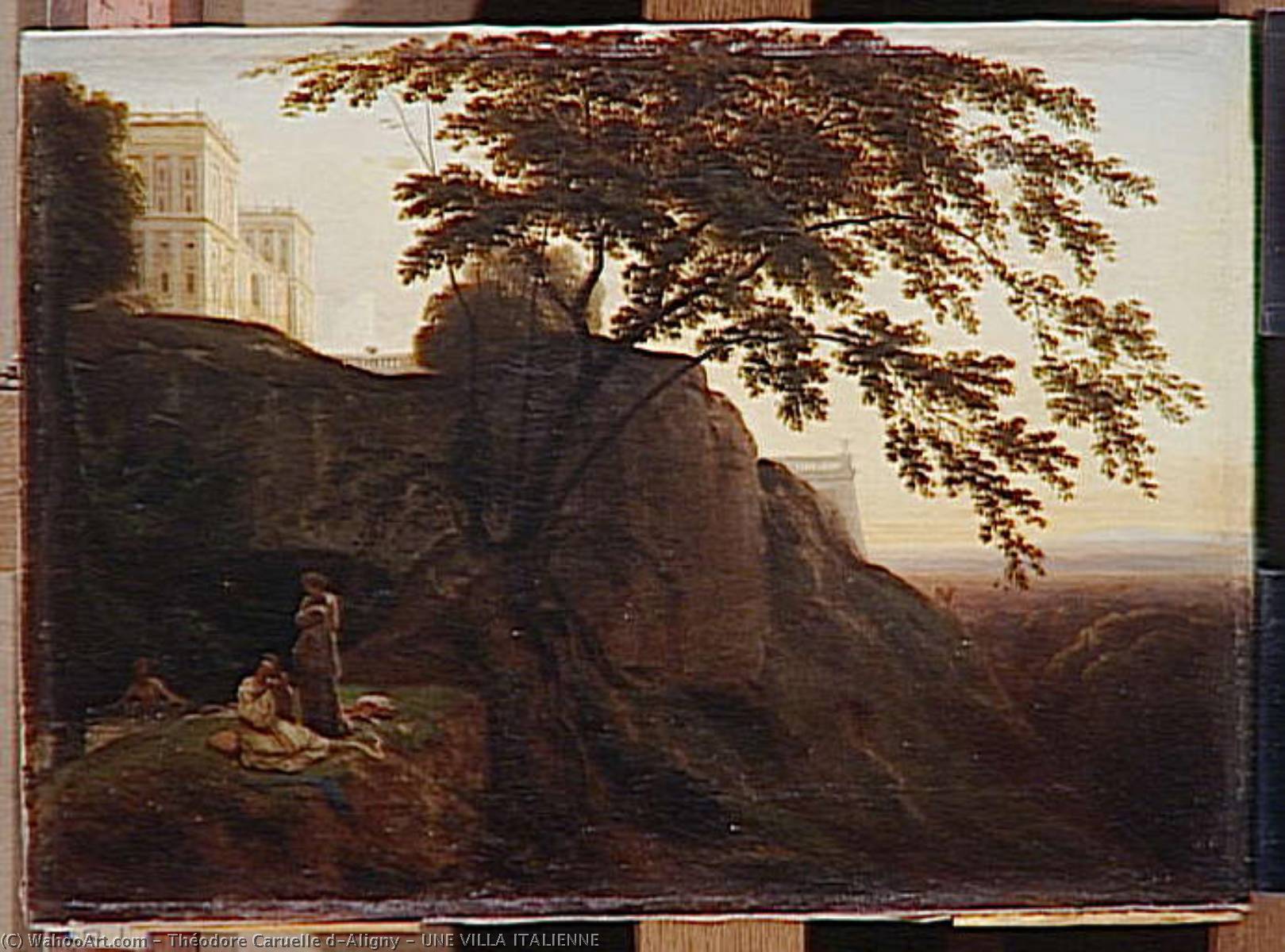
UNE VILLA ITALIENNE


 詳細を見る
詳細を見る
ジークレー/アートプリント
迅速な制作と多彩な仕上げオプションを備えた、ミュージアムクオリティのジークレーまたはキャンバスプリント。 ( 手描きの絵画を購入 画像を購入)




































作品のオリジナル比率に合わせた、当店の規定サイズからお選びください。

特定のフレームやスペースに合わせて、ご自身でサイズを指定することも可能です。選択されたサイズが元の画像の比率と一致しない場合、作品をトリミングするか、鏡面反射または単色での塗りつぶしによって画像を拡張いたします。制作を開始する前に、ご確認用のデジタルモックアップをお送りいたします。
画面上のプレビューには、実際のトリミングや拡張は反映されませんのでご注意ください。最終的な構図を正確に確認できるのは、モックアップのみとなります。
カスタムサイズも承っておりますが、元の比率を維持するためには、あらかじめ用意されたリストからサイズを選択することをお勧めいたします。


 ガラスオプションは、110cm未満のサイズでのみご利用いただけます。

UNE VILLA ITALIENNE
ジークレー/アートプリント
複製画のサイズ
-


合計金額
$ 62
The Allure of an Italian Dreamscape
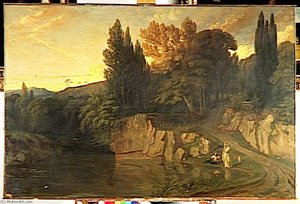
To gaze upon Theodore Caruelle d'Aligny’s Une Villa Italienne is to step through the veil of time and into a sun-drenched, yet melancholic, corner of the Mediterranean. This painting does more than merely depict architecture; it captures an entire mood—a sublime blend of pastoral repose and romantic yearning. The scene unfolds around a classical Italian villa, seemingly cradled by the dramatic embrace of rugged, rocky terrain. One feels immediately transported to an idealized vision of antiquity, where the grandeur of nature dwarfs even the most elegant human construction. It speaks to that universal longing for a simpler, more timeless existence.
Romanticism and Neo-Classical Grace
The historical context of this work places it firmly within the Romantic movement, though Aligny masterfully weaves in threads of Neoclassical order. His style is celebrated for its ability to marry emotional fervor with formal elegance. The landscape itself is a study in contrasts: the wild, untamed energy suggested by the massive foreground tree and the jagged rocks stands in quiet dialogue with the measured geometry of the distant villa. This tension—between the organic chaos of nature and the ordered beauty of human endeavor—is the very heart of the piece. It suggests that true beauty lies not in choosing one over the other, but in their harmonious coexistence.
A Study in Subdued Tones and Atmosphere
Technically, the painting utilizes a palette dominated by sepia tones, beiges, and muted grays, which lends the entire composition an air of aged memory. The light is diffused, never harsh, casting soft shadows that deepen the sense of mystery and contemplation. Observe how Aligny renders texture: the rough grit of the stone contrasts with the delicate suggestion of foliage rendered through loose, expressive brushstrokes. This masterful handling of atmosphere creates a palpable depth; the foreground anchors us in the immediate moment, while the receding layers of mountains draw the eye into an almost dreamlike distance. It is a visual poem written in earth tones.
Symbolism and Contemplative Echoes
The human element within Une Villa Italienne is subtle but profoundly significant. The figures are not engaged in boisterous activity; rather, they appear caught in moments of quiet reflection beneath the shade of the great tree. This suggests themes of introspection and the passage of time. The isolated villa itself can be read as a symbol—a sanctuary or perhaps a memory preserved against the relentless march of history. For the collector or designer, this piece offers more than mere decoration; it offers an emotional anchor, a visual prompt to pause, breathe deeply, and contemplate one's own moments of quiet grandeur.
Bringing the Italian Dream Home
Reproducing such a nuanced work requires sensitivity to its original spirit. When considering a reproduction for your space, know that you are acquiring not just an image, but an invitation. Whether placed in a grand hall echoing classical ideals or a sunlit drawing-room seeking moments of calm, this artwork promises to infuse the environment with the enduring romance and quiet dignity of an Italian afternoon.
関連作品
アーティストの略歴
The Architect of Idyllic Landscapes: The Life and Vision of Theodore Caruelle d'Aligny
To wander through the canvases of Theodore Caruelle d’Aligny is to embark on a journey through a world where the ruggedness of nature meets the refined grace of antiquity. Born in 1798 in the quietude of Chaumes, Nièvre, d'Aligny would eventually emerge as a pivotal figure in French landscape painting, bridging the emotional intensity of the Romantic era with the disciplined elegance of Neo-Classical ideals. His life was a pursuit of a specific kind of beauty—one that sought to capture the profound stillness of the natural world while imbuing it with a sense of mythological permanence. This unique duality earned him the prestigious moniker “the Ingres of Landscape Painting” from the critic Théophile Gautier, a title that perfectly encapsulates his ability to marry dramatic atmosphere with formal precision.
The foundations of d'Aligny’s mastery were laid in the rigorous academic corridors of Paris. Under the watchful eyes of luminaries such as Louis Étienne Watelet and Jean-Victor Bertin, he developed a technical discipline that would serve as the backbone of his later, more expressive works. However, it was his transformative journey to Italy between 1824 and 1827 that truly expanded his artistic horizon. In the sun-drenched landscapes of the Mediterranean, d'Aligny encountered not only the remnants of classical grandeur but also a profound connection with Jean-Baptiste Camille Corot. This friendship proved instrumental; through Corot’s influence, d'Aligny began to embrace a more nuanced approach to light and shadow, learning to utilize atmospheric perspective and subtle tonal gradations to breathe life into his compositions.
A Symphony of Light, Shadow, and Myth
D'Aligny’s oeuvre is characterized by a remarkable ability to evoke mood through the careful manipulation of texture and tone. His landscapes are rarely mere topographical records; instead, they are emotional landscapes. In works such as “Prometheus,” he captures the monumental scale of myth, using light and color to dramatize the struggle of the legendary figure against the elements. Conversely, in pieces like “La Solitude,” the artist invites the viewer into a space of deep introspection, where the stillness of the scene mirrors the quietude of the soul. His technical palette often leaned toward the evocative use of sepia, beige, and muted grays, creating an air of aged memory and timelessness that makes his scenes feel like rediscovered fragments of history.
The artist’s fascination with the harmonious coexistence of man and nature is perhaps most beautifully realized in “Une Villa Italienne.” Here, the viewer witnesses a masterful study in contrasts: the wild, untamed energy of jagged rocks and massive foreground trees stands in quiet dialogue with the measured, geometric elegance of a classical villa. This tension between organic chaos and human order is the heartbeat of his style. Whether he was painting the dense, mysterious thickets of the Fontainebleau Forest, the windswept coastlines of Normandy, or the idealized vistas of ancient Greece, d'Aligny remained committed to a vision of landscape that felt both physically present and spiritually elevated.
Legacy and Historical Significance
The historical significance of Theodore Caruelle d’Aligny lies in his role as a stylistic bridge. He stood at the crossroads of tradition and innovation, maintaining the structural integrity of the Neoclassical school while opening the door to the atmospheric, light-driven explorations that would eventually define Impressionism. His ability to infuse landscape painting with narrative weight—transforming a simple grove or coastline into a stage for mythological echo—redefined what the genre could achieve.
As we reflect on his contributions, several key elements of his legacy remain evident:
- The Synthesis of Styles: His unique ability to blend Romantic fervor with Neo-Classical precision.
- Atmospheric Mastery: The use of light and tonal gradation to create palpable depth and emotional resonance.
- Thematic Depth: The integration of classical mythology and architectural elegance into naturalistic settings.
- Influence on Landscape Evolution: His role in transitioning landscape art from purely descriptive works to evocative, psychological explorations.
Though the era of grand Romanticism eventually gave way to new movements, the tranquil, intellectual landscapes of d'Aligny continue to resonate. He remains a master of the "dreamscape," reminding us that even in the most rugged terrain, there exists a profound, underlying harmony waiting to be discovered by the contemplative eye.
theodore caruelle d'aligny
1798 - 1871
基本情報
- Artistic Movement Or Style: Romantic Landscape Painting
- Artists Or Movements Influenced By This Artist: ['Ingres']
- Artists Who Influenced This Artist: ['Corot']
- Date Of Birth: 1798
- Date Of Death: 1871
- Full Name: Theodore Caruelle d’Aligny
- Nationality: French
- Notable Artworks:
- Prometheus
- La Solitude
- Une Villa Italienne
- Place Of Birth: Chaumes (Nièvre)
関連記事

ロマン派ランドスケープ:時代を彩る巨匠の10選|アートとインテリアの世界
ロマン派絵画の時代を彩る10選。巨匠たちの風景が織りなす感動の世界へ。ターナー、ルーベンスなど、名作の裏話と高精細複製でアートをお部屋に。ArtsDot.comで至福のアート体験を。

ジョン・コンスタブルの傑作25選:英国風景画の巨匠が描く自然と光の詩 | ArtsDot
ジョン・コンスタブルの傑作25選。英国風景画の巨匠が描く自然と光の詩の世界へ。ロマン主義を代表する絵画、デダム・ヴェールやヘイ・ウェインなど、ArtsDotで高品質なアートプリントをお楽しみください。インテリアに深みと感動を。コレクションはこちら。

Impressionistic Landscapes: 10 Masterpieces That Changed Art & Decor
Journey into the heart of Impressionism! Explore 10 masterpieces by Monet, Renoir & Degas that revolutionized landscape art. Discover their stories, techniques & find museum-quality reproductions to elevate your home decor on ArtsDot.com.
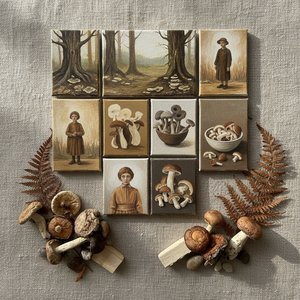
Earthy Hues & Masterpieces: Top 10 Paintings with 'Mushroom' Tones |
Explore 10 iconic paintings with captivating 'mushroom' tones! Discover Van Gogh, Monet & Rembrandt’s masterpieces—earthy palettes, rich history & artistic techniques. Find museum-quality art reproductions and curated decor ideas at

Evocations of Place: A Historical Journey Through Landscape Art
Explore the rich history of landscape art with ArtsDot. Discover renowned artists, movements like Impressionism & Romanticism, and expert guidance for collecting timeless pieces. Find your perfect serene escape today!