プレビュー
プレビュー
 シェアする
シェアする シェアする
シェアする
 詳細を見る
詳細を見る

 ダウンロード
 似ている作品
 X線調査
X線調査 スライドショー
 統計情報
統計情報至福の小川
 キャンバスに油彩
- ウォールアート
- American Impressionism
 1885
1885- 19世紀
 46.0 x 66.0 cm
 インディアナポリス美術館
 詳細を見る
詳細を見る
手描き油彩複製画
当社のアーティストが、お客様のご希望のサイズと額縁に合わせて、キャンバスに手描きで制作する油彩画です。 ( プリント版に切り替え デジタル画像販売へ切り替え)




P118B $10

P118H $10

P118W $10

P438Z $10

P508JH $12

P508YH $12

P805H $10

P805Z $10

P919BZ $10

P919G $10

P919XJ $10

P959ZH $10

P968JZ $12

W106C $8

W218G $10

W218JH $8

W218Y $10

W307PJ $10

W316G $10

W316PJ $8

W316Y $10

W398PJ $8

W4111J $10

W500HY $15

W500JH $15

W692G $12

W849H $8

W940BG $15

W953PJ $8

作品のオリジナル比率に合わせた、当店の規定サイズからお選びください。

特定のフレームやスペースに合わせて、ご希望のサイズをご入力いただけます。選択されたサイズが元の画像の比率と異なる場合、アートワークをトリミングするか、手描きで要素を追加して絵画を拡張いたします。デジタルモックアップ を制作し、制作開始前にご確認(承認)をいただきます。
画面上のプレビューは、実際のトリミングや拡張を正確に反映しているものではありません。最終的な構図は、モックアップによってのみ正確にご確認いただけます。
カスタムサイズもご利用いただけますが、元の比率を維持するためには、あらかじめ用意されたリストからサイズを選択することをお勧めいたします。
ご注文後、ArtsDot.com チームより詳細な指示をお送りするとともに、仕上がりイメージ(モックアップ)をご提供いたします。


 ガラスオプションは、110cm未満のサイズでのみご利用いただけます。

至福の小川
複製技法
複製画のサイズ
-


合計金額
$ 263
テオドール・クレメント・スティールの卓越した技法
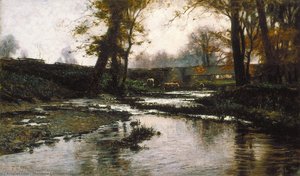
アメリカ印象派における極めて重要な人物であるテオドール・クレメント・スティール(1847-1926)は、1885年に「至福の小川(Pleasant Run)」を描き出しました。この魅惑的な風景画は、ヨーロッパの技法と、当時胎動しつつあったアメリカ印象派運動を、スティールがいかに独自に融合させたかを象徴しています。光に満ちた風景とその静謐な美しさで称賛される彼の作品は、あらゆるアートコレクションやインテリアデザインにおいて、人々が切望する至高の逸品となっています。静寂に包まれた秋の風景
「至福の小川」は、おそらく秋の情景を描いた、霧に包まれた風景の中に存在する自然の穏やかな瞬間を捉えています。画面構成においては、木々が茂るエリアを流れる小川や小さな川が描かれ、見る者に静寂と内省的な感覚を呼び起こします。色あせた緑、茶色、そして黄色といった木の葉の色合いが、淡い灰色の空と溶け合うことで、穏やかで思索にふけるような空気感を作り出しています。印象派の技法と漂う空気感
スティールの印象派的なスタイルは、細部を緻密に描き込むのではなく、情景の本質を捉えようとする、ゆったりとした表現豊かな筆致(ブラッシュストローク)に顕著に表れています。色の混ざり合いや層を重ねる技法が、霧がかった情緒的な効果に寄与しており、拡散した光がその幻想的な雰囲気をさらに引き立てています。この技法によって、水平方向と垂直方向の要素が調和のとれたバランスで構成され、見る者に心地よい視覚体験をもたらします。象徴性と感情への響き
「至福の小川」に漂う霧の立ち込める空気と穏やかな水面は、平穏、内省、あるいは時の移ろいを象徴しています。秋の色彩は変化や生命のサイクルを表現しており、作品が持つ感情的な深みをより一層増幅させています。この芸術作品は、鑑賞者を立ち止まらせ、深い思索へと誘う力を持っており、リラクゼーションや瞑想のために設計された空間に添える作品として、これ以上ないほど完璧な存在です。歴史的背景と受け継がれる遺産
1885年に制作された「至福の小川」には、フランスへの旅を通じてスティールがヨーロッパ印象派に深く没入していた時期の面影が反映されています。この時期の経験は彼の画風に多大な影響を与え、自然の静かな美しさを捉えた、光り輝く風景画の誕生へと繋がりました。スティールの作品はミチェナー美術館のような権威ある機関に展示されており、アメリカ美術における主要な人物としての彼の遺産を確固たるものにしています。「至福の小川」で空間を彩る
自らの空間をより高みへと引き上げたいと願うアート愛好家、コレクター、そしてインテリアデザイナーにとって、「至福の小川」の高品質な複製画は、自然の美しさと芸術的な熟練技が見事に融合した素晴らしい選択肢となります。この時代を超越した作品は、どのような部屋にも静寂とエレガンスをもたらし、個人のコレクションにおいてもプロフェッショナルな展示においても、価値ある一品となることでしょう。テオドール・クレメント・スティールのさらなる探求
光に満ちた風景と静謐な美しさをさらに発見するために、テオドール・クレメント・スティールの芸術世界を探索してみてください。ヨーロッパの技法とアメリカ的な主題を独自に融合させた彼の作品は、今もなお世界中の人々をインスピレーションを与え、魅了し続けています。関連作品
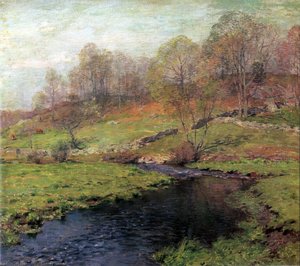
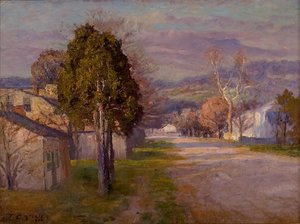
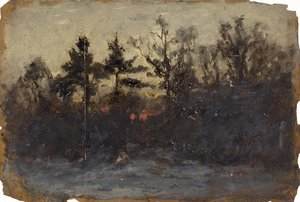
アーティストの略歴
Theodore Clement Steele (1847–1926): A Pioneer of American Impressionism
Theodore Clement Steele, a name inextricably linked to the genesis of American Impressionism, occupies a prominent position within the annals of American artistic heritage. Born in Owen County, Indiana, on September 11, 1847, his life unfolded as a testament to unwavering dedication—a journey marked by meticulous scholarly pursuits, transatlantic artistic influence, and an enduring commitment to portraying the singular splendor of his native landscape. From humble beginnings sketching amidst rural Indiana’s verdant hillsides, Steele ascended to become a cornerstone of a movement that sought to transcend mere imitation of European masters, forging instead a distinctive visual language rooted in authentic experience—a reflection of America's burgeoning artistic identity.Early Years and Artistic Foundations
Steele’s formative artistic inclinations were nurtured through initial studies at Indiana State University, equipping him with foundational skills in drawing and painting that would serve as bedrock for his subsequent endeavors. Recognizing the imperative for more sophisticated training, he embarked on a transformative voyage to Europe in 1880, establishing residency in Munich—a crucible of artistic innovation where Impressionist ideals flourished. It was here that Steele truly blossomed, immersing himself in the burgeoning movement and absorbing the techniques of masters like Monet and Pissarro. This wasn’t merely an adoption of stylistic conventions; it represented a profound philosophical realignment—a prioritization of capturing fleeting moments of illumination and atmosphere, striving to convey not just *what* he observed but *how* it felt to inhabit those instants. The influence of French Impressionism profoundly shaped Steele's artistic sensibilities, fostering a preoccupation with light’s transformative power and its ability to imbue landscapes with emotive resonance.The Hoosier Group: Defining an American Aesthetic
Upon returning to Indiana in 1885, Steele became a pivotal figure within the “Hoosier Group”—a collective of artists united by their ambition to cultivate a distinctly American artistic idiom. Alongside luminaries such as William Forsyth, J. Ottis Adams, Richard B. Gruelle, and Otto Stark, he championed landscape painting that celebrated the unparalleled beauty of the Midwest—a deliberate departure from prevailing European trends. Steele’s unwavering conviction was that American art should express *American* subjects—the expansive vistas, lush forests, and tranquil waterways emblematic of their homeland. He skillfully blended the lessons gleaned abroad with a deep-seated reverence for Indiana's natural grandeur, resulting in artworks imbued with both technical virtuosity and an authentic sense of place. His portraits garnered acclaim as well, demonstrating his versatility as an artist and securing commissions to depict official portraits of several Indiana governors—a testament to his artistic prowess and his commitment to representing the nation’s leadership.Technique and Artistic Vision
Steele's distinctive artistic vision was characterized by a masterful command of technique—particularly plein air painting, where he worked directly from nature, translating fleeting atmospheric conditions onto canvas with remarkable fidelity. He meticulously observed light’s subtle shifts and variations, employing broken brushstrokes and luminous color palettes to convey not merely visual representation but also emotional depth. This approach mirrored the core tenets of Impressionism—a rejection of academic conventions in favor of capturing immediacy and subjective experience—and solidified Steele's reputation as a pioneer of American landscape painting. His canvases resonate with an enduring beauty, reflecting his profound connection to the natural world and embodying the spirit of innovation that defined his era.Legacy and Enduring Influence
Steele’s influence extended far beyond his artistic creations; he served as an educator, lecturer, and ardent advocate for the arts within his community—actively participating in art juries and shaping the trajectory of artistic exhibitions both nationally and internationally. He established “The House of the Singing Winds” in Brown County, Indiana, alongside Selma Neubacher Steele—a home and studio that became a focal point for artists and a catalyst for the flourishing Brown County Art Colony. This idyllic setting provided him with boundless inspiration and enabled him to fully realize his artistic aspirations. Today, The House of the Singing Winds stands as a State Historic Site, safeguarding Steele’s legacy and offering visitors a poignant glimpse into the life and oeuvre of this unforgettable artist—a testament to his enduring contribution to American art history. His paintings continue to captivate audiences worldwide, inspiring generations of artists to embrace their own vision and translate the splendor of nature onto canvas with unwavering passion.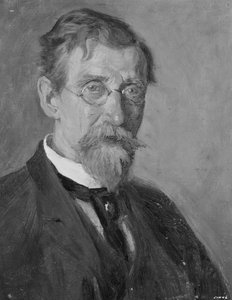
トーマス・クレメント・スティール
1847 - 1926 , アメリカ合衆国
基本情報
- Artistic Movement Or Style: 印象派
- Artists Who Influenced This Artist: ['フランス印象派']
- Date Of Birth: September 11, 1847
- Date Of Death: July 24, 1926
- Full Name: Theodore Clement Steele
- Nationality: アメリカ人
- Notable Artworks:
- インディアン・サマー
- アーティストの庭
- Place Of Birth: Owen County, USA
関連記事
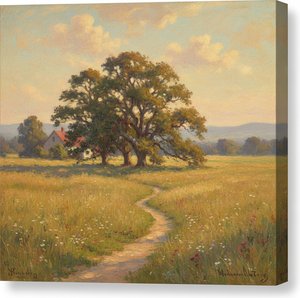
Herman Armour Webster: Capturing Atmospheric Light in American Impressionism
Explore the captivating world of Herman Armour Webster, an American Impressionist master. Discover his Parisian influences, unique style, and lasting legacy with ArtsDot.
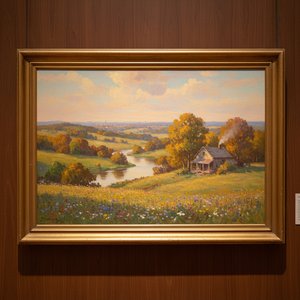
Theodore Clement Steele: American Impressionism's Hoosier Visionary – A Comprehensive Exploration of Life, Art, and Legacy
Explore the life & art of Theodore Clement Steele, a leading American Impressionist painter. Discover his luminous Indiana landscapes, contributions to the Hoosier Group, and enduring legacy. A comprehensive guide for art enthusiasts.
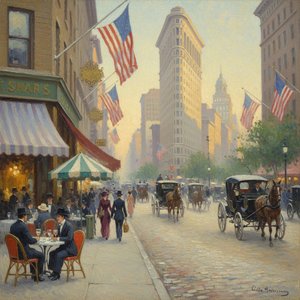
Frederick Childe Hassam: American Impressionism's Chronicler of Light & Modern Life
Explore the captivating world of Frederick Childe Hassam, a pioneer of American Impressionism. Discover his iconic paintings capturing light, urban life & coastal beauty. Learn about his legacy and influence on American art history.
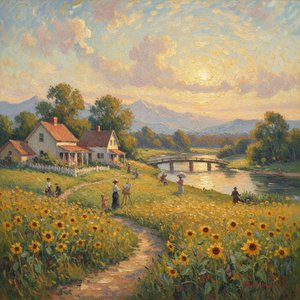
Capturing a Nation's Light: Exploring the American Impressionist Movement
Explore the captivating world of American Impressionism! Discover key artists, techniques & its lasting impact on art history. Find museum-quality reproductions and expert guidance at ArtsDot.
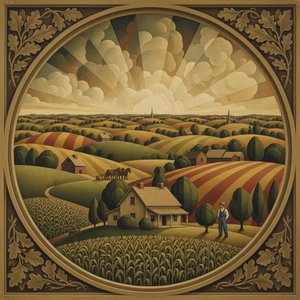
Grant Wood & American Regionalism: Identity, Myth & the Rural Landscape
Explore the world of Grant Wood & American Regionalism with ArtsDot. Discover the symbolism behind 'American Gothic', recurring themes, and the movement's lasting impact on art history. High-quality reproductions available.