

 プレビュー
プレビュー
 プリントを購入
 シェアする
シェアする シェアする
シェアする
 詳細を見る
詳細を見る

 ダウンロード
 似ている作品
 X線調査
X線調査 スライドショー
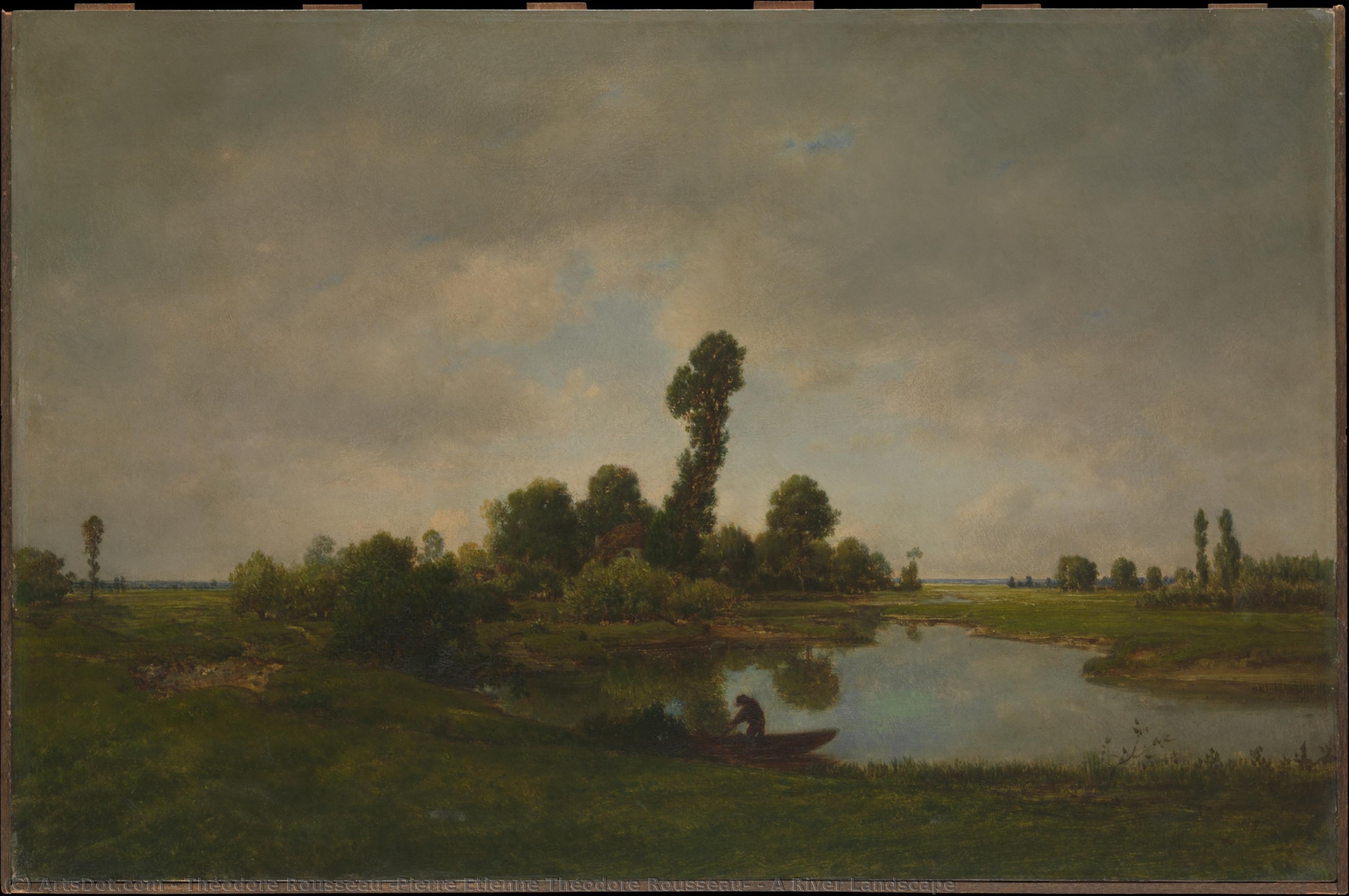
A River Landscape
 Acrylic On Canvas
- WallArt
- Barbizon School
 1845
1845 42.0 x 63.0 cm
 メトロポリタン美術館
 詳細を見る
詳細を見る




P118B $10

P118H $10

P118W $10

P438Z $10

P508JH $12

P508YH $12

P805H $10

P805Z $10

P919BZ $10

P919G $10

P919XJ $10

P959ZH $10

P968JZ $12

W106C $8

W218G $10

W218JH $8

W218Y $10

W307PJ $10

W316G $10

W316PJ $8

W316Y $10

W398PJ $8

W4111J $10

W500HY $15

W500JH $15

W692G $12

W849H $8

W940BG $15

W953PJ $8




作品のオリジナル比率に合わせた、当店の規定サイズからお選びください。

特定のフレームやスペースに合わせて、ご希望のサイズをご入力いただけます。選択されたサイズが元の画像の比率と異なる場合、アートワークをトリミングするか、手描きで要素を追加して絵画を拡張いたします。デジタルモックアップ を制作し、制作開始前にご確認(承認)をいただきます。
画面上のプレビューは、実際のトリミングや拡張を正確に反映しているものではありません。最終的な構図は、モックアップによってのみ正確にご確認いただけます。
カスタムサイズもご利用いただけますが、元の比率を維持するためには、あらかじめ用意されたリストからサイズを選択することをお勧めいたします。
ご注文後、ArtsDot.com チームより詳細な指示をお送りするとともに、仕上がりイメージ(モックアップ)をご提供いたします。


 ガラスオプションは、110cm未満のサイズでのみご利用いただけます。

A River Landscape
複製技法
複製画のサイズ
-


合計金額
$ 263
作品解説
A Celebration of Rural Tranquility: Exploring Théodore Rousseau’s “A River Landscape”
Théodore Rousseau stands as an emblem of the Barbizon School, a movement that irrevocably altered the course of French landscape painting and championed an uncompromising devotion to realism. Born in Paris in 1812, Rousseau's artistic journey was fraught with challenges – initial resistance from his father regarding his ambition to pursue art, repeated dismissals by the Salon authorities – yet fueled by unwavering determination and nurtured by familial support, he ascended to become one of the era’s most influential figures. This dedication would ultimately shape his distinctive style and solidify his legacy as a champion of untamed beauty.The Inspiration Behind Serenity: Rousseau's Dutch Roots
Rousseau’s artistic sensibilities were profoundly influenced by the prevailing aesthetic currents of his time, particularly the Dutch landscape painters who had captivated audiences with their masterful depictions of serene pastoral scenes. Artists like Jacob Maris and Anton Mauve meticulously rendered the subtle nuances of light and atmosphere, prioritizing observation over idealized representation—a principle Rousseau wholeheartedly embraced. “A River Landscape,” therefore, echoes this tradition, drawing upon the expansive skies and tranquil waters favored by Dutch masters to convey a palpable sense of peace and contemplation.Painting with Soul: Rousseau’s Technique – Texture as Expression
Rousseau's artistic technique was characterized by an extraordinary commitment to capturing the essence of nature through texture. Rejecting the smooth, polished surfaces championed by Impressionists, he employed thick impasto—applying paint in bold, textured strokes—to imbue his canvases with palpable physicality. This method allowed him to convey not merely what he saw but also how he felt—the ruggedness of the terrain, the warmth of the sun, and the stillness of the riverbank. The visible brushstrokes serve as a testament to Rousseau’s belief that painting should be an act of visceral engagement, mirroring the very fabric of the natural world.A Rustic Vision: Symbolism Within the Landscape
Beyond mere visual representation, “A River Landscape” is laden with symbolic significance. The depiction of a solitary boatman traversing the river symbolizes human resilience and adaptability—a quiet defiance against the pressures of urban life. The trees lining the riverbank represent strength and permanence, anchoring the scene in timelessness. Furthermore, the farmhouse nestled amongst the foliage embodies rural simplicity and harmony—a deliberate contrast to the complexities of modern society. Rousseau’s careful composition invites viewers to contemplate these themes, fostering a deeper appreciation for the profound beauty inherent in the natural world.A Legacy Enduring: Rousseau's Influence on Impressionism
Despite facing considerable opposition from Salon critics during his lifetime, Théodore Rousseau exerted an undeniable influence on subsequent generations of artists, notably Impressionists like Claude Monet and Pierre-Auguste Renoir. His insistence on capturing fleeting moments of light and atmosphere paved the way for Impressionist experimentation—a radical departure from academic conventions—while simultaneously reaffirming the importance of direct observation as a cornerstone of artistic practice. Rousseau’s unwavering devotion to realism served as an anchor amidst the shifting tides of artistic innovation, securing his place as one of France's most revered landscape painters and ensuring that “A River Landscape” continues to inspire awe and contemplation for centuries to come.関連作品

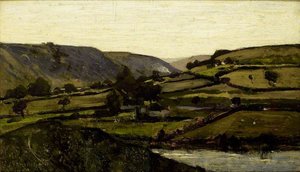
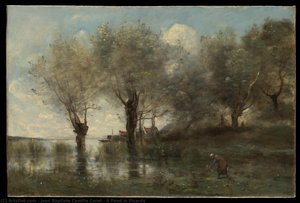
アーティストの略歴
テオドール・ルソー:森の魂
エティエンヌ・ピエール・テオドール・ルソー(1812-1867)は、写実主義を掲げ、田園風景の壮大さを讃えたフランス・バルビゾン派絵画の礎を築いた画家です。パリのブルジョワ階級に生まれたルソーの若き日は、芸術への情熱に反対する父との葛藤によって彩られていました。しかし、息子が芸術に対して見せた揺るぎない献身を目の当たりにし、父の心は次第に和らいでいきました。この家族の支えは、前衛的な思想に対して極めて保守的であったサロン当局からの度重なる拒絶に直面し、激動のパリ芸術界を渡り歩かなければならなかったルソーにとって、決定的な力となったのです。- 初期の修行と影響: ルソーの芸術教育は控えめな始まりでしたが、彼は瞬く間に類まれな才能を開花させました。その資質を見抜いた父は、家業よりも絵画への真剣な取り組みを後押ししました。彼はジャン=フランソワ・ミレーやウジェーヌ・ドラクロワといった画家たちから多大な影響を受けました。農民の生活を描いたミローや、劇的な風景を描いたドラクロワの作品は、自然の本質を捉えようとする彼の中に、深い畏敬の念を植え付けたのです。
- バルビゾン派と芸術哲学: ルソーの芸術的ヴィジョンは、妥協のない正確さで自然界を描き出すことに集約されていました。ロマン主義が好んだ理想化された表現を拒み、彼はバルビゾン派特有の美学――抑えた色彩、素描的な筆致、そして空気遠近法への注力――を取り入れることで、風景がもたらす感情的な衝撃を伝えようとしました。彼にとって芸術とは、自然の崇高な美しさを映し出し、それを観察し理解するための導き手であるべきだったのです。
- 代表作: ルソーは存命中に大きな名声を得て、著名なパトロンからの依頼を受け、サロンでも定期的に作品を展示しました。彼の最も有名な作品には、黄金色の光に包まれた古木を記念碑的に描いた『ヴィユー・バス=ブレオの大樫』、フランスの火山峰に沈む息を呑むような夕焼けを描いた『ピュイ・ド・ドームとロワイアの風景』、そして、憂いを含んだ美しさに満たされたロワール川でのピクニックの情景を痛切に描いた『ラ・グルヌイエール』などがあります。
- 印象派への影響: ルソーの写実主義に対する揺るぎない信念は、後の芸術運動に深い影響を与えました。彼は印象派に先駆けて活動していましたが、彼の先駆的な風景画へのアプローチは、光と色彩の移ろいゆく瞬間を捉えようとしたクロード・モネやピエール=オーギュスト・ルノワールといった画家たちの道を切り拓きました。それは、自然現象を緻密に観察するというルソーの手法とは異なるものではありましたが、その精神は受け継がれていったのです。
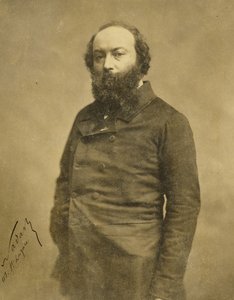
テオドール・ルソー
1812 - 1867 , フランス
基本情報
- Artistic Movement Or Style: バルビゾン派
- Artists Or Movements Influenced By This Artist: ['印象派']
- Artists Who Influenced This Artist: ['ジャン=フランソワ・ミレー']
- Date Of Birth: 1812年4月15日
- Date Of Death: 1867年12月22日
- Full Name: エティエンヌ・ピエール・テオドール・ルソー
- Nationality: フランス
- Notable Artworks:
- アプレモンの樫の木
- ヴュー・バス=ブレオの大樫
- Place Of Birth: フランス、パリ
関連記事
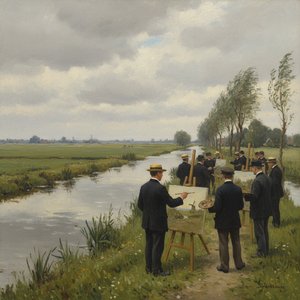
The Hague School: Realism, Atmosphere & the Dawn of Dutch Impressionism
Explore the Hague School's pivotal role in Dutch art history. Discover realism, atmospheric landscapes & its influence on Impressionism. Learn about key artists like Mauve & Maris with ArtsDot.
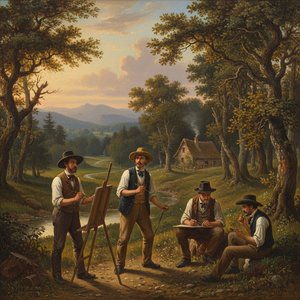
The Barbizon School: Pioneering Realism & the Pastoral Vision in 19th-Century French Painting
Explore the Barbizon School's pivotal role in 19th-century French painting. Discover how these artists revolutionized landscape art with their commitment to Realism and a profound connection to nature. Learn about key figures like Rousseau, Millet & Corot.
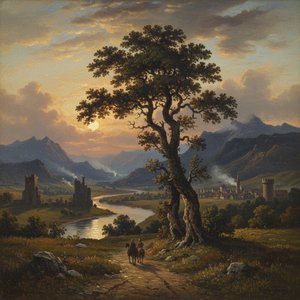
Paul Huet: Capturing the Essence of French Romanticism Through Light and Landscape
Explore the captivating world of Paul Huet (1803-1869), a master of French Romantic landscape painting. Discover his influence on Barbizon & Impressionism, and browse high-quality reproductions at ArtsDot.
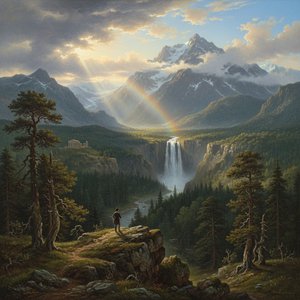
Evoking Nature's Sublime: A Comprehensive Exploration of 19th-Century Landscape Painting
Explore the captivating world of 19th-century landscape painting! Discover renowned artists like Friedrich & Monet, key movements, and find the perfect artwork to bring nature's serenity into your home. Expert insights at ArtsDot.
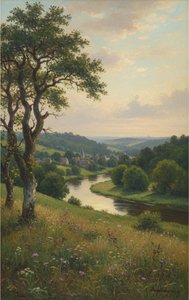
Henri-Joseph Harpignies: Capturing the Poetic Essence of the French Landscape
Explore the serene landscapes of Henri-Joseph Harpignies, a master of the Barbizon School. Discover his atmospheric paintings, recurring themes & enduring legacy in 19th-century French art. Learn more at ArtsDot.

