

 プレビュー
プレビュー
 プリントを購入
 シェアする
シェアする シェアする
シェアする
 詳細を見る
詳細を見る

 ダウンロード
 似ている作品
 X線調査
X線調査 スライドショー
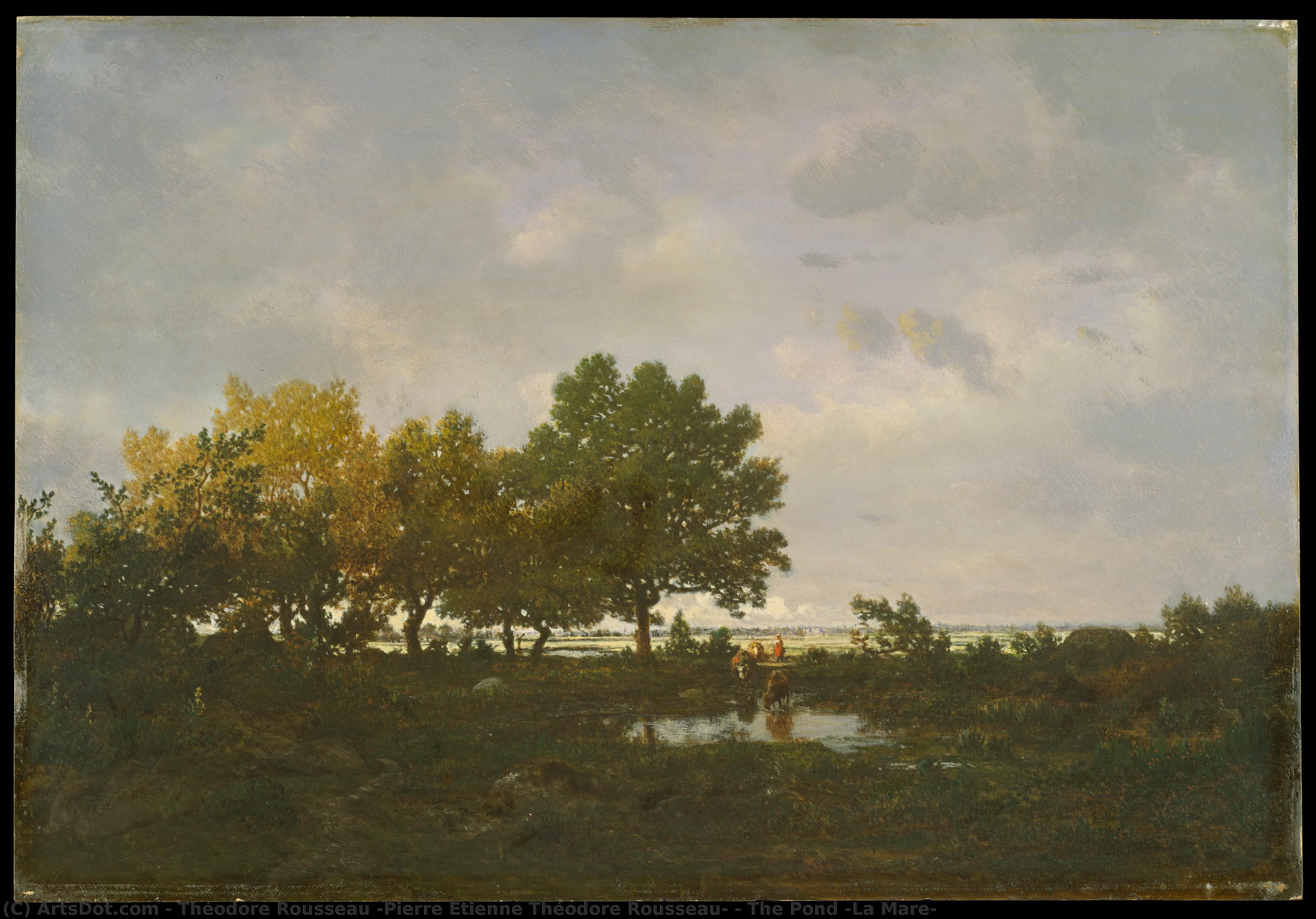
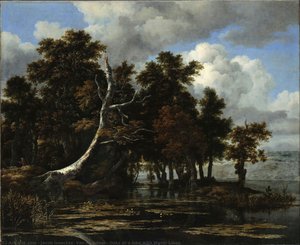
The Pond (La Mare)
 Oil On Canvas
- WallArt
- Barbizon School
 1855
1855- 19th Century
 34.0 x 52.0 cm
 メトロポリタン美術館
 詳細を見る
詳細を見る




P118B $10

P118H $10

P118W $10

P438Z $10

P508JH $12

P508YH $12

P805H $10

P805Z $10

P919BZ $10

P919G $10

P919XJ $10

P959ZH $10

P968JZ $12

W106C $8

W218G $10

W218JH $8

W218Y $10

W307PJ $10

W316G $10

W316PJ $8

W316Y $10

W398PJ $8

W4111J $10

W500HY $15

W500JH $15

W692G $12

W849H $8

W940BG $15

W953PJ $8




作品のオリジナル比率に合わせた、当店の規定サイズからお選びください。

特定のフレームやスペースに合わせて、ご希望のサイズをご入力いただけます。選択されたサイズが元の画像の比率と異なる場合、アートワークをトリミングするか、手描きで要素を追加して絵画を拡張いたします。デジタルモックアップ を制作し、制作開始前にご確認(承認)をいただきます。
画面上のプレビューは、実際のトリミングや拡張を正確に反映しているものではありません。最終的な構図は、モックアップによってのみ正確にご確認いただけます。
カスタムサイズもご利用いただけますが、元の比率を維持するためには、あらかじめ用意されたリストからサイズを選択することをお勧めいたします。
ご注文後、ArtsDot.com チームより詳細な指示をお送りするとともに、仕上がりイメージ(モックアップ)をご提供いたします。


 ガラスオプションは、110cm未満のサイズでのみご利用いただけます。

The Pond (La Mare)
複製技法
複製画のサイズ
-


合計金額
$ 263
作品解説
The Pond (La Mare) – A Symphony of Light and Reflection by Théodore Rousseau
Théodore Rousseau’s “The Pond,” painted in 1855, isn't merely a landscape; it’s an immersion into the heart of Romanticism. This evocative work, now housed within the Metropolitan Museum of Art, captures a fleeting moment of serene beauty nestled within the Forest of Fontainebleau – a region that held profound significance for Rousseau and his Barbizon School contemporaries. The scene unfolds with remarkable detail: a small pond reflecting the dense, verdant trees lining its banks, punctuated by the subtle presence of cattle grazing peacefully nearby and a solitary figure observing the tranquil waters. It’s a tableau designed to evoke not just visual pleasure but also a deep sense of connection with nature's rhythms.
Rousseau’s artistic approach distinguishes “The Pond” as a pivotal work within his oeuvre. Departing from the idealized landscapes favored by earlier generations, he embraced a realism rooted in direct observation and an acute sensitivity to light and atmosphere. He meticulously rendered the textures of the grass, the shimmering surface of the water, and the dappled sunlight filtering through the trees – all achieved with a masterful command of oil paint. The brushstrokes are visible yet controlled, creating a sense of movement and depth that draws the viewer into the scene. Notably, Rousseau’s technique echoes the Dutch Masters, particularly their ability to capture atmospheric perspective and the subtle nuances of light on water—a deliberate homage to artists he deeply admired.
A Barbizon Masterpiece – Context and Influences
To understand “The Pond,” one must appreciate the context of the Barbizon School. Emerging in the mid-19th century, this movement represented a reaction against the rigid academic traditions of the French Salon. Artists like Rousseau sought to paint *en plein air* (outdoors), directly from nature, and to depict rural life with honesty and immediacy. The Forest of Fontainebleau, with its ancient trees and varied landscapes, became their primary studio – a place where they could escape the constraints of Parisian society and forge a new artistic identity. Rousseau’s early training under his cousin, Alexandre Pau de Saint-Martin, and later with Joseph Rémond, provided him with a solid foundation in traditional techniques, but it was his independent spirit and dedication to capturing the essence of nature that truly defined his style.
The influence of Dutch landscape painting is undeniable. Rousseau’s meticulous attention to detail, his use of atmospheric perspective, and his focus on capturing the effects of light are all hallmarks of the Dutch masters—artists like Jacob van Ruisdael and Jan van Goyen. He even owned a collection of their prints, studying their techniques with great care. This deliberate engagement with the past demonstrates Rousseau’s commitment to elevating landscape painting to a higher level of artistic expression.
Symbolism and Emotional Resonance
Beyond its technical brilliance, “The Pond” is rich in symbolic meaning. The tranquil scene evokes a sense of peace and solitude—a retreat from the pressures of urban life. The solitary figure observing the pond suggests contemplation and an appreciation for the beauty of the natural world. The presence of cattle symbolizes abundance and the cyclical rhythms of rural existence. The light itself, shimmering on the water’s surface, represents hope and renewal. Rousseau wasn't simply painting a landscape; he was conveying a profound emotional experience—a feeling of connection to something larger than oneself.
Furthermore, the composition subtly references classical ideals of harmony and balance. The arrangement of elements within the frame creates a sense of visual equilibrium, inviting the viewer to linger and lose themselves in the scene’s serene beauty. The painting's overall effect is one of quiet contemplation—a reminder of the restorative power of nature and the enduring appeal of Romanticism.
A Timeless Legacy – Reproduction and Display
“The Pond” continues to captivate audiences today, not only for its artistic merit but also for its ability to transport us to a simpler time. High-quality reproductions offer a remarkable opportunity to experience Rousseau’s vision firsthand, bringing the tranquility of the Forest of Fontainebleau into our homes and offices. When selecting a reproduction, consider framing options that complement the painting's delicate palette and atmospheric depth—a sawtooth hanger or a heavy-duty angle are excellent choices. Whether displayed in a gallery, a study, or a living room, “The Pond” remains a testament to Rousseau’s genius and a timeless celebration of nature’s beauty.
関連作品


アーティストの略歴
テオドール・ルソー:森の魂
エティエンヌ・ピエール・テオドール・ルソー(1812-1867)は、写実主義を掲げ、田園風景の壮大さを讃えたフランス・バルビゾン派絵画の礎を築いた画家です。パリのブルジョワ階級に生まれたルソーの若き日は、芸術への情熱に反対する父との葛藤によって彩られていました。しかし、息子が芸術に対して見せた揺るぎない献身を目の当たりにし、父の心は次第に和らいでいきました。この家族の支えは、前衛的な思想に対して極めて保守的であったサロン当局からの度重なる拒絶に直面し、激動のパリ芸術界を渡り歩かなければならなかったルソーにとって、決定的な力となったのです。- 初期の修行と影響: ルソーの芸術教育は控えめな始まりでしたが、彼は瞬く間に類まれな才能を開花させました。その資質を見抜いた父は、家業よりも絵画への真剣な取り組みを後押ししました。彼はジャン=フランソワ・ミレーやウジェーヌ・ドラクロワといった画家たちから多大な影響を受けました。農民の生活を描いたミローや、劇的な風景を描いたドラクロワの作品は、自然の本質を捉えようとする彼の中に、深い畏敬の念を植え付けたのです。
- バルビゾン派と芸術哲学: ルソーの芸術的ヴィジョンは、妥協のない正確さで自然界を描き出すことに集約されていました。ロマン主義が好んだ理想化された表現を拒み、彼はバルビゾン派特有の美学――抑えた色彩、素描的な筆致、そして空気遠近法への注力――を取り入れることで、風景がもたらす感情的な衝撃を伝えようとしました。彼にとって芸術とは、自然の崇高な美しさを映し出し、それを観察し理解するための導き手であるべきだったのです。
- 代表作: ルソーは存命中に大きな名声を得て、著名なパトロンからの依頼を受け、サロンでも定期的に作品を展示しました。彼の最も有名な作品には、黄金色の光に包まれた古木を記念碑的に描いた『ヴィユー・バス=ブレオの大樫』、フランスの火山峰に沈む息を呑むような夕焼けを描いた『ピュイ・ド・ドームとロワイアの風景』、そして、憂いを含んだ美しさに満たされたロワール川でのピクニックの情景を痛切に描いた『ラ・グルヌイエール』などがあります。
- 印象派への影響: ルソーの写実主義に対する揺るぎない信念は、後の芸術運動に深い影響を与えました。彼は印象派に先駆けて活動していましたが、彼の先駆的な風景画へのアプローチは、光と色彩の移ろいゆく瞬間を捉えようとしたクロード・モネやピエール=オーギュスト・ルノワールといった画家たちの道を切り拓きました。それは、自然現象を緻密に観察するというルソーの手法とは異なるものではありましたが、その精神は受け継がれていったのです。
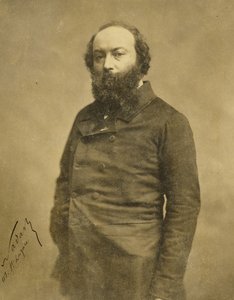
テオドール・ルソー
1812 - 1867 , フランス
基本情報
- Artistic Movement Or Style: バルビゾン派
- Artists Or Movements Influenced By This Artist: ['印象派']
- Artists Who Influenced This Artist: ['ジャン=フランソワ・ミレー']
- Date Of Birth: 1812年4月15日
- Date Of Death: 1867年12月22日
- Full Name: エティエンヌ・ピエール・テオドール・ルソー
- Nationality: フランス
- Notable Artworks:
- アプレモンの樫の木
- ヴュー・バス=ブレオの大樫
- Place Of Birth: フランス、パリ
関連記事
Evoking Nature's Sublime: A Comprehensive Exploration of 19th-Century Landscape Painting
Explore the captivating world of 19th-century landscape painting! Discover renowned artists like Friedrich & Monet, key movements, and find the perfect artwork to bring nature's serenity into your home. Expert insights at ArtsDot.

ジョン・コンスタブルの傑作25選:英国風景画の巨匠が描く自然と光の詩 | ArtsDot
ジョン・コンスタブルの傑作25選。英国風景画の巨匠が描く自然と光の詩の世界へ。ロマン主義を代表する絵画、デダム・ヴェールやヘイ・ウェインなど、ArtsDotで高品質なアートプリントをお楽しみください。インテリアに深みと感動を。コレクションはこちら。
Serene Visions: Exploring Themes of Tranquility in Art History & Contemporary Practice
Explore the history of serene landscape art & discover artists who evoke tranquility. Find the perfect calming artwork for your home with expert guidance from ArtsDot.

Evocations of Place: A Historical Journey Through Landscape Art
Explore the rich history of landscape art with ArtsDot. Discover renowned artists, movements like Impressionism & Romanticism, and expert guidance for collecting timeless pieces. Find your perfect serene escape today!

ロマン派ランドスケープ:時代を彩る巨匠の10選|アートとインテリアの世界
ロマン派絵画の時代を彩る10選。巨匠たちの風景が織りなす感動の世界へ。ターナー、ルーベンスなど、名作の裏話と高精細複製でアートをお部屋に。ArtsDot.comで至福のアート体験を。

