

 プリントを購入
 シェアする
シェアする シェアする
シェアする
 詳細を見る
詳細を見る

 ダウンロード
 似ている作品
 スライドショー
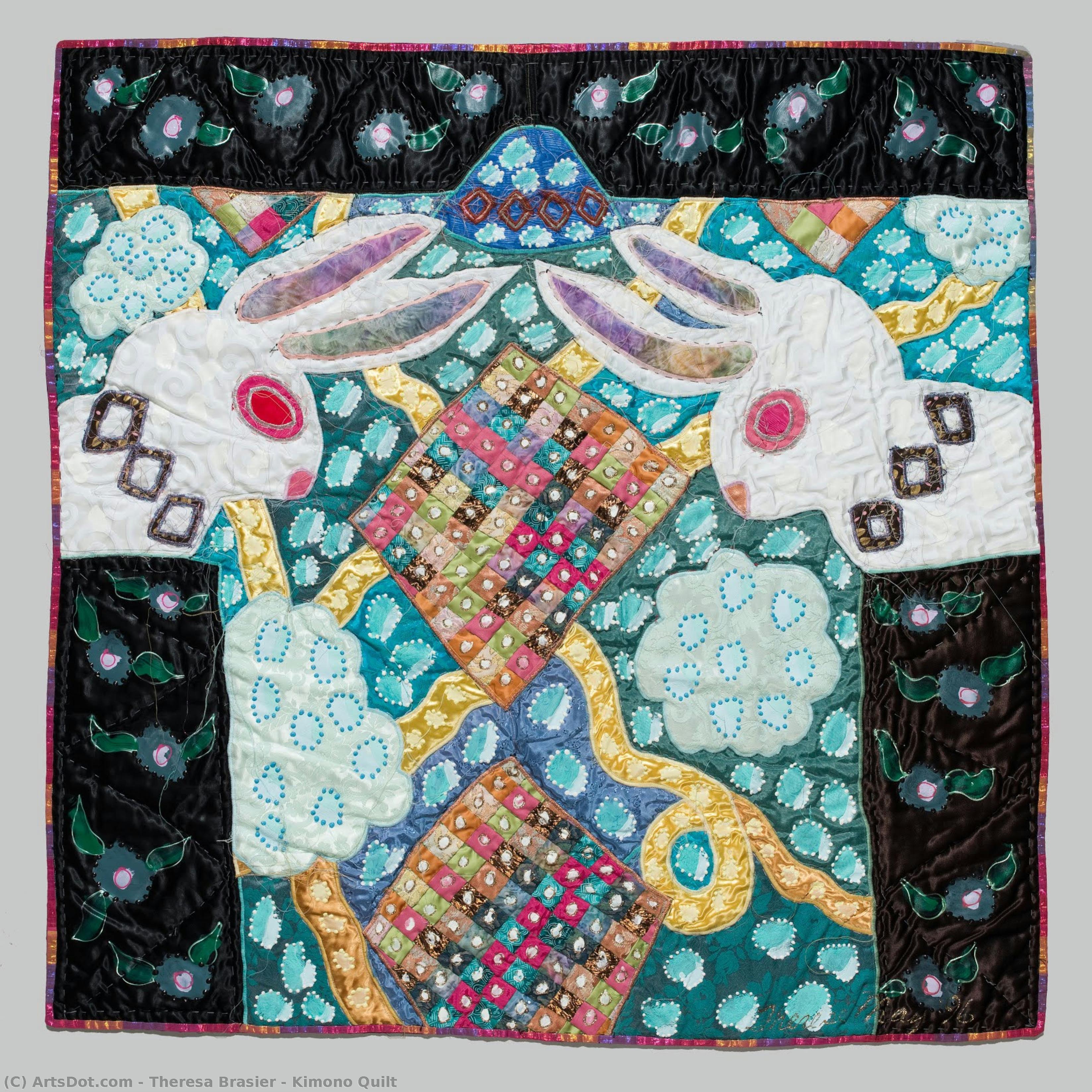
Kimono Quilt


 詳細を見る
詳細を見る




































作品のオリジナル比率に合わせた、当店の規定サイズからお選びください。

特定のフレームやスペースに合わせて、ご希望のサイズをご入力いただけます。選択されたサイズが元の画像の比率と異なる場合、アートワークをトリミングするか、手描きで要素を追加して絵画を拡張いたします。デジタルモックアップ を制作し、制作開始前にご確認(承認)をいただきます。
画面上のプレビューは、実際のトリミングや拡張を正確に反映しているものではありません。最終的な構図は、モックアップによってのみ正確にご確認いただけます。
カスタムサイズもご利用いただけますが、元の比率を維持するためには、あらかじめ用意されたリストからサイズを選択することをお勧めいたします。
ご注文後、ArtsDot.com チームより詳細な指示をお送りするとともに、仕上がりイメージ(モックアップ)をご提供いたします。


 ガラスオプションは、110cm未満のサイズでのみご利用いただけます。

Kimono Quilt
複製技法
複製画のサイズ
-


合計金額
$ 263
関連作品
アーティストの略歴
Paul Jackson Pollock: A Revolutionary in Paint
Jackson Pollock, born January 28, 1912, in Cody, Wyoming, and tragically dying August 11, 1956, near Springs, Long Island, remains one of the most iconic and debated figures in 20th-century art. More than just a painter, he was a revolutionary who fundamentally altered our understanding of what painting could be – shifting from representation to an exploration of process, gesture, and pure visual experience. His legacy continues to resonate today, influencing countless artists and shaping the trajectory of modern and contemporary art.
Pollock’s early life was marked by constant movement. Born into a family of Scots-Irish farmers, he spent his childhood traversing the American West and Southwest with his father, a government surveyor. This itinerant upbringing instilled in him a sense of restlessness and an appreciation for diverse cultures – particularly Native American traditions, which subtly informed his artistic sensibilities. He enrolled at Los Angeles’ Manual Arts High School but was expelled, a formative experience that fueled his rebellious spirit. He later studied at the Art Students League in New York City under Thomas Hart Benton, absorbing elements of the Regionalist style before ultimately forging his own distinct path.
The Emergence of Drip Painting and Action Painting
Pollock’s artistic breakthrough occurred in 1947, a pivotal year that saw him abandon traditional painting methods. He began experimenting with pouring and dripping thinned enamel paint onto large canvases laid flat on the floor of his studio – a radical departure from the easel-based approach prevalent at the time. This technique, dubbed “drip painting” or “action painting,” wasn’t about meticulously applying color to create an image; it was about embracing chance, spontaneity, and the physical act of creation itself. As he famously stated, "When I am in my painting, I'm not aware of what I’m doing."
His process involved using sticks, brushes, and even syringes to manipulate the paint, allowing it to flow and spread across the canvas with minimal intervention. The resulting works – pieces like *Number 1, 1950* (1950), *Convergence* (1952), and *Autumn Rhythm (Number 30)* (1952) – are characterized by their all-over composition, dense layers of color, and a sense of dynamic energy. Critics initially reacted with skepticism, dismissing his work as chaotic and random, but this perspective gradually shifted as Pollock’s influence grew.
Influences and Artistic Context
Pollock's artistic development was shaped by a confluence of influences. The Surrealist movement, particularly the emphasis on the subconscious and automatic drawing techniques, provided a conceptual framework for his exploration of spontaneity. His exposure to Mexican muralism, with its bold colors and social commentary, instilled in him a sense of scale and ambition. Furthermore, his engagement with Jungian psychology, facilitated by Dr. Joseph Henderson, encouraged him to delve into the emotional depths of his work.
He was also deeply influenced by the burgeoning Abstract Expressionist movement, which emerged in New York during the late 1940s. Artists like Mark Rothko and Willem de Kooning were pushing the boundaries of painting, exploring themes of emotion, spirituality, and existential angst. Pollock’s work aligned with this broader trend, contributing to a new era of American art that prioritized individual expression and formal experimentation.
Legacy and Historical Significance
Despite his tragically short life – cut short by a car accident at age 44 – Jackson Pollock left an indelible mark on the art world. His innovative techniques, radical approach to painting, and unwavering commitment to artistic freedom challenged conventional notions of representation and paved the way for subsequent generations of artists. His work continues to be celebrated for its dynamism, energy, and profound exploration of the creative process.
MoMA’s acquisition of *Number 1, 1950* in 1948 marked a turning point in Pollock's career, establishing him as a major figure in American art. His retrospective exhibitions at MoMA in 1967 and 1998-1999 cemented his legacy as one of the most important artists of the 20th century. Today, his paintings command staggering prices at auction, and his influence can be seen across a wide range of artistic disciplines – from painting and sculpture to performance art and installation.

theresa brasier
1956 - , United Kingdom
基本情報
- Artistic Movement Or Style: Abstract Expressionism”
- Artists Or Movements Influenced By This Artist:
- Lee Krasner
- Gutai Group
- Minimalism
- Date Of Birth: January 28, 1912
- Date Of Death: August 11, 1956
- Drip Painting: Action painting
- Full Name: Paul Jackson Pollock
- Nationality: American
- Number 17a",
"No. 5, 1948",
"Mural On Indian Red Ground",
"Autumn Rhythm (Number 30)",
"Convergence",
"Blue Poles"
],
"Artists Who Influenced This Artist:
- Thomas Hart Benton
- David Alfaro Siqueiros
- José Clemente Orozco
- Pablo Picasso
- Place Of Birth: Cody, Wyoming, USA
- All-Over Painting: Notable artworks
関連記事

Woven Wonders: A Beginner's Guide to Elevating Your New Home with Timeless Textile Art
Discover how to transform your new home with the warmth of textile art. Our expert guide for newlyweds explores handwoven tapestries, tactile fibers, and timeless ways to curate a soulful, sophisticated interior through beautiful woven wonders.
Mariano Fortuny: A Fusion of Art, Fashion & Design – Exploring a Venetian Innovator's Legacy
Explore the captivating world of Mariano Fortuny – artist, designer & innovator. Discover his revolutionary textiles, iconic Delphos gown, and lasting influence on art, fashion & interiors. A collector's guide to a Venetian master.
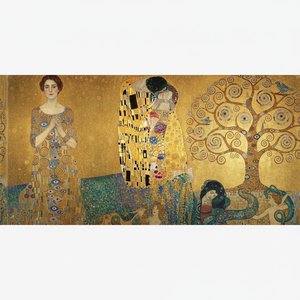
グスタフ・クリムト傑作25選:華麗なる装飾性と象徴が織りなす世界 | ArtsDot
グスタフ・クリムトの傑作25選。華麗なる装飾性と象徴が織りなす世界を紐解きます。キス、ポートレートなど、美術史に残る名画の物語と技法をArtsDotで。高品質複製画やインテリアアートも豊富に。今すぐコレクションをご覧ください。
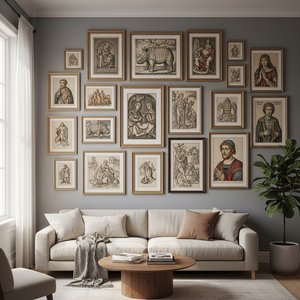
Albrecht Dürer's Masterpieces: 25 Iconic Artworks for Your Home | ArtsDot
Explore 25 iconic artworks by Albrecht Dürer, a master of the German Renaissance. Discover the stories behind Melencolia I, Knight Death and Devil & more. Find museum-quality art reproductions for your home at ArtsDot.com.
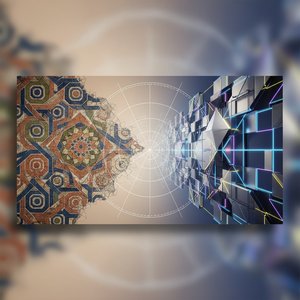
The Enduring Appeal of Geometric Patterns in Art: A Historical & Contemporary Exploration
Explore the captivating history of geometric abstraction in art, from ancient roots to contemporary masters. Expert insights for collectors & enthusiasts. Discover key artists, movements & investment potential.