

 プリントを購入
 シェアする
シェアする シェアする
シェアする
 詳細を見る
詳細を見る

 ダウンロード
 似ている作品
 スライドショー
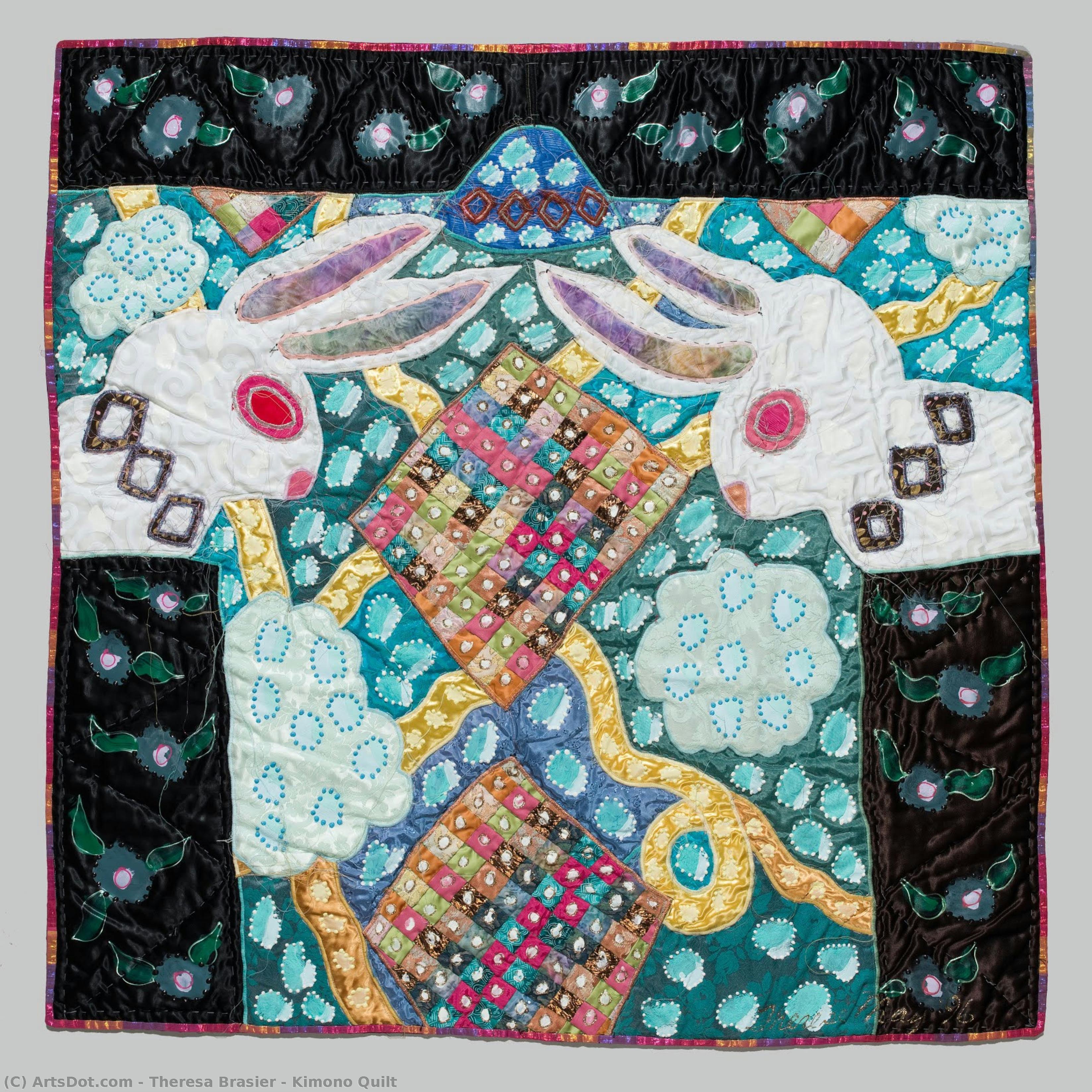
Kimono Quilt


 詳細を見る
詳細を見る
オンラインプレビューをはるかに凌ぐ、高解像度で鮮明なデジタル画像をご購入いただけます。
各ファイルは、社内の専門家が高度なツールと熟練した手作業によるレタッチを用いて、細心の注意を払って準備されています。すべての画像において、卓越した鮮明度、正確な色彩再現性、そして繊細なディテールを保証いたします。
最終ファイルは、プロフェッショナルな編集・印刷環境ですぐにご利用いただけるよう最適化された状態で、72時間以内にメールにてお届けいたします。これは、一流のデザインスタジオ、出版社、ギャラリーから信頼されているものと同等の品質です。
デジタル画像のご注文に付随する特典
高品質なデジタル画像配信を、確かな品質で。
ArtsDot.com を選ぶことは、単に画像を手に入れることではありません。それは、プロの手によって精密に仕上げられ、満足保証が付いた高品質なデジタルアートワークを受け取ることを意味します。ご注文いただいた際に自動的に付随する内容は、以下の通りです:

メールですぐにお届け
ご注文から72時間以内に、高解像度のデジタル画像ファイルがメールでお手元に届きます。すぐにそのままご利用いただけます。

AI技術で最適化されたデジタルファイル
お客様の作品は、高度なAIツールと専門家による手作業の編集を組み合わせてプロフェッショナルに最適化されており、細部のディテール、鮮明さ、そして正確な色再現性を最大限に引き出しています。

一生涯無料の再送サービス
ファイルを誤って削除したり、紛失してしまったりしましたか?ご安心ください。いつでも無料で再送いたします。

輸入手数料は一切かかりません
関税や手数料、配送料を気にすることなく、お気に入りのアートワークをすぐにお楽しみいただけます。デジタルダウンロードは常に免税です。

色彩再現の保証
プロ仕様のツールとカラーマネジメント技術を用いることで、デジタル画像が元の色を最大限に忠実に再現することを保証いたします。

100日間満足保証
ご購入いただいたデジタル画像にご満足いただけない場合は、100日以内であれば、理由を問わず修正または100%の返金対応をさせていただきます。

100% 返金保証
ご満足いただけない場合は、デジタルファイルを受け取ってから100日以内であれば、理由を問わず全額返金いたします。

まとめ買い割引
3枚購入で10%OFF - 5枚購入で15%OFF - 10枚以上購入で20%OFF。クリエイティブなプロジェクト、ギャラリー、エージェンシーに最適です。
関連作品
作家の略歴
Paul Jackson Pollock: A Revolutionary in Paint
Jackson Pollock, born January 28, 1912, in Cody, Wyoming, and tragically dying August 11, 1956, near Springs, Long Island, remains one of the most iconic and debated figures in 20th-century art. More than just a painter, he was a revolutionary who fundamentally altered our understanding of what painting could be – shifting from representation to an exploration of process, gesture, and pure visual experience. His legacy continues to resonate today, influencing countless artists and shaping the trajectory of modern and contemporary art.
Pollock’s early life was marked by constant movement. Born into a family of Scots-Irish farmers, he spent his childhood traversing the American West and Southwest with his father, a government surveyor. This itinerant upbringing instilled in him a sense of restlessness and an appreciation for diverse cultures – particularly Native American traditions, which subtly informed his artistic sensibilities. He enrolled at Los Angeles’ Manual Arts High School but was expelled, a formative experience that fueled his rebellious spirit. He later studied at the Art Students League in New York City under Thomas Hart Benton, absorbing elements of the Regionalist style before ultimately forging his own distinct path.
The Emergence of Drip Painting and Action Painting
Pollock’s artistic breakthrough occurred in 1947, a pivotal year that saw him abandon traditional painting methods. He began experimenting with pouring and dripping thinned enamel paint onto large canvases laid flat on the floor of his studio – a radical departure from the easel-based approach prevalent at the time. This technique, dubbed “drip painting” or “action painting,” wasn’t about meticulously applying color to create an image; it was about embracing chance, spontaneity, and the physical act of creation itself. As he famously stated, "When I am in my painting, I'm not aware of what I’m doing."
His process involved using sticks, brushes, and even syringes to manipulate the paint, allowing it to flow and spread across the canvas with minimal intervention. The resulting works – pieces like *Number 1, 1950* (1950), *Convergence* (1952), and *Autumn Rhythm (Number 30)* (1952) – are characterized by their all-over composition, dense layers of color, and a sense of dynamic energy. Critics initially reacted with skepticism, dismissing his work as chaotic and random, but this perspective gradually shifted as Pollock’s influence grew.
Influences and Artistic Context
Pollock's artistic development was shaped by a confluence of influences. The Surrealist movement, particularly the emphasis on the subconscious and automatic drawing techniques, provided a conceptual framework for his exploration of spontaneity. His exposure to Mexican muralism, with its bold colors and social commentary, instilled in him a sense of scale and ambition. Furthermore, his engagement with Jungian psychology, facilitated by Dr. Joseph Henderson, encouraged him to delve into the emotional depths of his work.
He was also deeply influenced by the burgeoning Abstract Expressionist movement, which emerged in New York during the late 1940s. Artists like Mark Rothko and Willem de Kooning were pushing the boundaries of painting, exploring themes of emotion, spirituality, and existential angst. Pollock’s work aligned with this broader trend, contributing to a new era of American art that prioritized individual expression and formal experimentation.
Legacy and Historical Significance
Despite his tragically short life – cut short by a car accident at age 44 – Jackson Pollock left an indelible mark on the art world. His innovative techniques, radical approach to painting, and unwavering commitment to artistic freedom challenged conventional notions of representation and paved the way for subsequent generations of artists. His work continues to be celebrated for its dynamism, energy, and profound exploration of the creative process.
MoMA’s acquisition of *Number 1, 1950* in 1948 marked a turning point in Pollock's career, establishing him as a major figure in American art. His retrospective exhibitions at MoMA in 1967 and 1998-1999 cemented his legacy as one of the most important artists of the 20th century. Today, his paintings command staggering prices at auction, and his influence can be seen across a wide range of artistic disciplines – from painting and sculpture to performance art and installation.

theresa brasier
1956 - , United Kingdom
プロフィール概要
- Artistic Movement Or Style: Abstract Expressionism”
- Artists Or Movements Influenced By This Artist:
- Lee Krasner
- Gutai Group
- Minimalism
- Date Of Birth: January 28, 1912
- Date Of Death: August 11, 1956
- Drip Painting: Action painting
- Full Name: Paul Jackson Pollock
- Nationality: American
- Number 17a",
"No. 5, 1948",
"Mural On Indian Red Ground",
"Autumn Rhythm (Number 30)",
"Convergence",
"Blue Poles"
],
"Artists Who Influenced This Artist:
- Thomas Hart Benton
- David Alfaro Siqueiros
- José Clemente Orozco
- Pablo Picasso
- Place Of Birth: Cody, Wyoming, USA
- All-Over Painting: Notable artworks