

 プレビュー
プレビュー
 シェアする
シェアする シェアする
シェアする
 詳細を見る
詳細を見る

 ダウンロード
 似ている作品
 X線調査
X線調査 スライドショー
 統計情報
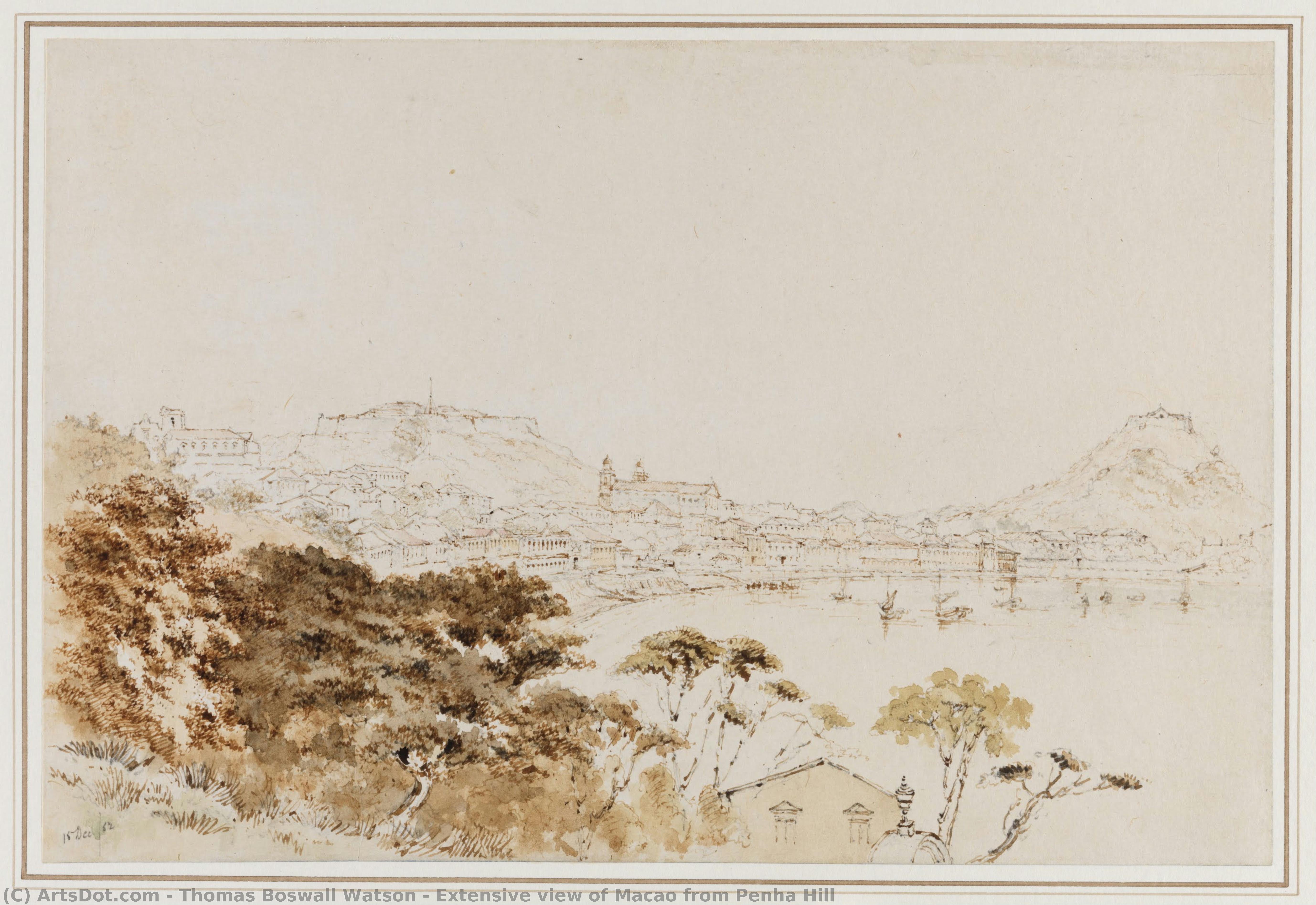
統計情報Extensive view of Macao from Penha Hill
 Watercolor
- WallArt
 1852
1852- 19th Century
 31.0 x 21.0 cm
 香港藝術館
香港藝術館
 詳細を見る
詳細を見る
ジークレー/アートプリント
迅速な制作と多彩な仕上げオプションを備えた、ミュージアムクオリティのジークレーまたはキャンバスプリント。 ( 手描きの絵画を購入 デジタル画像販売へ切り替え)




P118B $10

P118H $10

P118W $10

P438Z $10

P508JH $12

P508YH $12

P805H $10

P805Z $10

P919BZ $10

P919G $10

P919XJ $10

P959ZH $10

P968JZ $12

W106C $8

W218G $10

W218JH $8

W218Y $10

W307PJ $10

W316G $10

W316PJ $8

W316Y $10

W398PJ $8

W4111J $10

W500HY $15

W500JH $15

W692G $12

W849H $8

W940BG $15

W953PJ $8




作品のオリジナル比率に合わせた、当店の規定サイズからお選びください。

特定のフレームやスペースに合わせて、ご自身でサイズを指定することも可能です。選択されたサイズが元の画像の比率と一致しない場合、作品をトリミングするか、鏡面反射または単色での塗りつぶしによって画像を拡張いたします。制作を開始する前に、ご確認用のデジタルモックアップをお送りいたします。
画面上のプレビューには、実際のトリミングや拡張は反映されませんのでご注意ください。最終的な構図を正確に確認できるのは、モックアップのみとなります。
カスタムサイズも承っておりますが、元の比率を維持するためには、あらかじめ用意されたリストからサイズを選択することをお勧めいたします。


 ガラスオプションは、110cm未満のサイズでのみご利用いただけます。

Extensive view of Macao from Penha Hill
ジークレー/アートプリント
複製画のサイズ
-


合計金額
$ 62
A Window into 19th-Century Macao
In this exquisite watercolor, titled Extensive view of Macao from Penha Hill, the viewer is transported back to the year 1852, standing atop a verdant vantage point overlooking one of the most vibrant maritime hubs of the nineteenth century. The artist, Dr. Thomas Boswall Watson, captures more than just a topographical record; he preserves the very soul of a bygone era. Through delicate washes of color and precise linework, Watson renders the sweeping curves of the Praya Grande, where luxurious European-style villas line the esplanade like silent sentinels of colonial prosperity. The scene is a masterclass in atmospheric perspective, where the lush, mountainous landscape of Macao meets the bustling energy of its coastal life, creating a sense of depth that invites the eye to wander through the streets and across the shimmering waters.
The composition is alive with the quiet drama of daily existence. Tiny, meticulously placed figures populate the landscape, suggesting the rhythmic pulse of a city in motion. A solitary boat drifts upon the harbor, serving as a poignant reminder of Macao’s role as a vital node in the global trade networks of the time. Even the sky participates in this narrative, with two birds caught in mid-flight, adding a spontaneous, organic grace to the structured architecture below. For the collector, this piece offers a profound sense of movement and life, making it an ideal centerpiece for those who appreciate art that tells a story of human connection and historical grandeur.
The Intersection of Science and Artistry
The technical execution of this work reveals the unique perspective of its creator. As a Scottish physician settled in Macao, Dr. Watson possessed a trained eye for detail and an appreciation for the structural harmony found in both nature and anatomy. His style, heavily influenced by the legendary George Chinnery, leans into a romanticized realism that avoids the clinical in favor of the poetic. The watercolor medium is utilized here to its fullest potential; the transparency of the pigment allows light to appear as if it is filtering through the humid, tropical air of the South China coast. This luminous quality gives the painting a Mediterranean warmth, bridging the gap between the artist's Scottish roots and his adopted Eastern home.
Beyond its aesthetic beauty, the painting serves as a historical document of a pivotal moment in global history. It depicts Macao at the height of its significance, before the rise of Hong Kong shifted the tides of regional commerce. There is a subtle melancholy embedded in the brushstrokes—a sense of capturing a world that was on the precipice of monumental change. For interior designers and art enthusiasts, this work provides a sophisticated layer of historical depth to any space, offering a conversation piece that explores themes of migration, colonial legacy, and the enduring beauty of the East-meets-West encounter.
A Timeless Addition to the Collector's Gallery
Whether displayed in a sunlit study or a grand salon, a high-quality reproduction of this masterpiece brings an air of scholarly elegance and worldly charm. The painting’s palette—a harmonious blend of earthy greens, soft architectural ochres, and the tranquil blues of the sea—complements a wide variety of interior aesthetics, from classical traditionalism to contemporary coastal styles. It is more than a mere decoration; it is an invitation to contemplate the passage of time and the enduring allure of the Macanese landscape.
関連作品
アーティストの略歴
Thomas Boswall Watson: A Macanese Visionary Bridging Scotland and the East
The name Thomas Boswell Watson, though perhaps less familiar than some of his contemporaries, represents a fascinating confluence of cultures and artistic endeavors in 19th-century Asia. Born in Haddington, Scotland, in 1815, Watson’s life unfolded across continents, culminating in a remarkable career as both physician and artist, primarily focused on capturing the vibrant essence of Macao – then a bustling Portuguese colony, now part of China. His story is one of ambition, adaptation, and a unique perspective shaped by his dual heritage, offering a rare glimpse into a pivotal period of global exchange.
Watson’s early life in Scotland provided a foundation for both his medical practice and artistic inclinations. Details about his formal training are scarce, suggesting he likely pursued self-directed study alongside his medical career. However, the seeds of his artistic talent were undoubtedly nurtured within a family that valued craftsmanship and aesthetic appreciation. He married Elizabeth Stedman in 1841, and began to establish himself as a practicing doctor. A pivotal decision in 1845 led him eastward – to Macao, a strategically important trading port at the crossroads of East and West. This move wasn’t merely a professional one; it was driven by a desire for adventure, opportunity, and a chance to contribute to the burgeoning medical landscape of the region.
Macao: A Canvas of Colonial Life
Upon arriving in Macao, Watson quickly established himself as a respected physician. However, his true passion lay in capturing the city’s unique atmosphere through painting. He wasn't simply documenting; he was translating the sensory experience – the smells, sounds, and colors – onto canvas with remarkable skill. His work is characterized by a distinctive blend of realism and impressionism, utilizing loose brushstrokes and vibrant color palettes to convey the energy and dynamism of Macao’s streets, markets, and waterfront scenes. Watson's subjects weren’t grand historical events or portraits of dignitaries; instead, he focused on the everyday life of the city – merchants haggling in the markets, sailors unloading cargo, and the intricate details of colonial architecture.
Crucially, Watson benefited immensely from the tutelage of George Chinnery, a prominent British artist who had already established himself in Macao. Chinnery’s influence is evident in Watson's technique – particularly his use of watercolor to capture fleeting light and atmosphere. However, Watson developed a distinct style, imbuing his paintings with a sensitivity and observation that set him apart. His most celebrated works depict the city from various vantage points, notably from the terrace of his residence overlooking the Praia Grande (Praya Grande) promenade. These panoramic views offer an invaluable record of Macao’s urban development during the mid-19th century – a period of rapid transformation and cultural exchange.
A Family Legacy: Alexander Skirving Watson
Watson's journey to Macao wasn't solely driven by personal ambition; it had profound implications for his family. His brother, Alexander Skirving Watson, followed him to the colony, establishing a successful pharmacy that would eventually evolve into A.S. Watson & Co., one of Asia’s largest retail and hospitality chains. This connection highlights how Watson’s initial venture laid the groundwork for a significant business empire, demonstrating the far-reaching impact of his decisions. The family's presence in Macao represented a substantial Scottish investment in the region, contributing to its economic and social development.
Later Years and Artistic Legacy
Despite achieving considerable success as an artist, Watson’s health declined in later years. He moved to Hong Kong in 1856, where he continued his medical practice and artistic pursuits until his death in Edinburgh in 1860. His work remained largely unknown for decades after his passing, but a renewed interest in Macanese art history has brought his paintings back into the spotlight. Today, Watson’s works are prized for their evocative depictions of colonial life and their unique blend of European and Eastern influences. They offer a poignant reminder of a time when Macao was a vibrant crossroads of cultures – a place where East met West, and where an ambitious Scottish physician found his true calling as an artist.
His legacy is further cemented by the extensive research conducted by Jeremy Watson’s Family Stories, which details the family's history and contributions to both Scotland and Macao. Furthermore, Dr. Thomas Boswall Watson (1815-1860) : physician and amateur artist in China provides a detailed account of his life and work, highlighting his artistic achievements alongside his medical practice.
Notable Works
Key works by Thomas Boswell Watson include:
- Extensive view of Macao from Penha Hill
- Various scenes depicting the Praia Grande promenade
- Portraits of local figures and merchants
These paintings, now housed in museums and private collections around the world, continue to captivate viewers with their vibrant colors, dynamic compositions, and intimate portrayal of Macao’s unique character.

thomas boswall watson
name standard
基本情報
- Artistic Movement Or Style: Landscape painting
- Artists Who Influenced This Artist: ['George Chinnery']
- Date Of Birth: 1815-08-30
- Date Of Death: 1860-07-24
- Full Name: Thomas Boswall Watson
- Nationality: Scottish-Canadian
- Notable Artworks:
- Extensive view of Macao
- Macau from Monte Fortress
- Place Of Birth: Haddington, Scotland
関連記事

ジョン・コンスタブルの傑作25選:英国風景画の巨匠が描く自然と光の詩 | ArtsDot
ジョン・コンスタブルの傑作25選。英国風景画の巨匠が描く自然と光の詩の世界へ。ロマン主義を代表する絵画、デダム・ヴェールやヘイ・ウェインなど、ArtsDotで高品質なアートプリントをお楽しみください。インテリアに深みと感動を。コレクションはこちら。

Watercolor Wonders: 10 Masterpieces That Redefined Art History | ArtsDot
Journey through 10 legendary watercolor masterpieces by Sargent, Turner & Homer! Explore iconic landscapes, portraits & floral art that redefined history. Find museum-quality reproductions and curated decor ideas at ArtsDot.com.

Ephemeral Visions: Exploring the History & Emotional Resonance of Watercolor Painting
Explore the captivating history of watercolor painting, from ancient techniques to modern masters like Kandinsky & Blake. Discover essential artists, collecting tips & the emotional power of this luminous medium. Expert insights for art enthusiasts.

Ephemeral Visions: Exploring the Artistic Legacy & Contemporary Practice of Watercolor Painting
Explore the captivating world of watercolor painting! Discover its rich history, essential techniques, influential artists & collecting tips. A comprehensive guide for art enthusiasts from ArtsDot.
Ephemeral Visions: Exploring the Artistic Legacy & Nuances of Watercolor Painting
Explore the captivating world of watercolor painting! Discover its rich history, essential techniques, influential artists & collecting tips from art experts. A comprehensive guide for enthusiasts.