

 プレビュー
プレビュー
 プリントを購入
 シェアする
シェアする シェアする
シェアする
 詳細を見る
詳細を見る

 ダウンロード
 似ている作品
 X線調査
X線調査 スライドショー
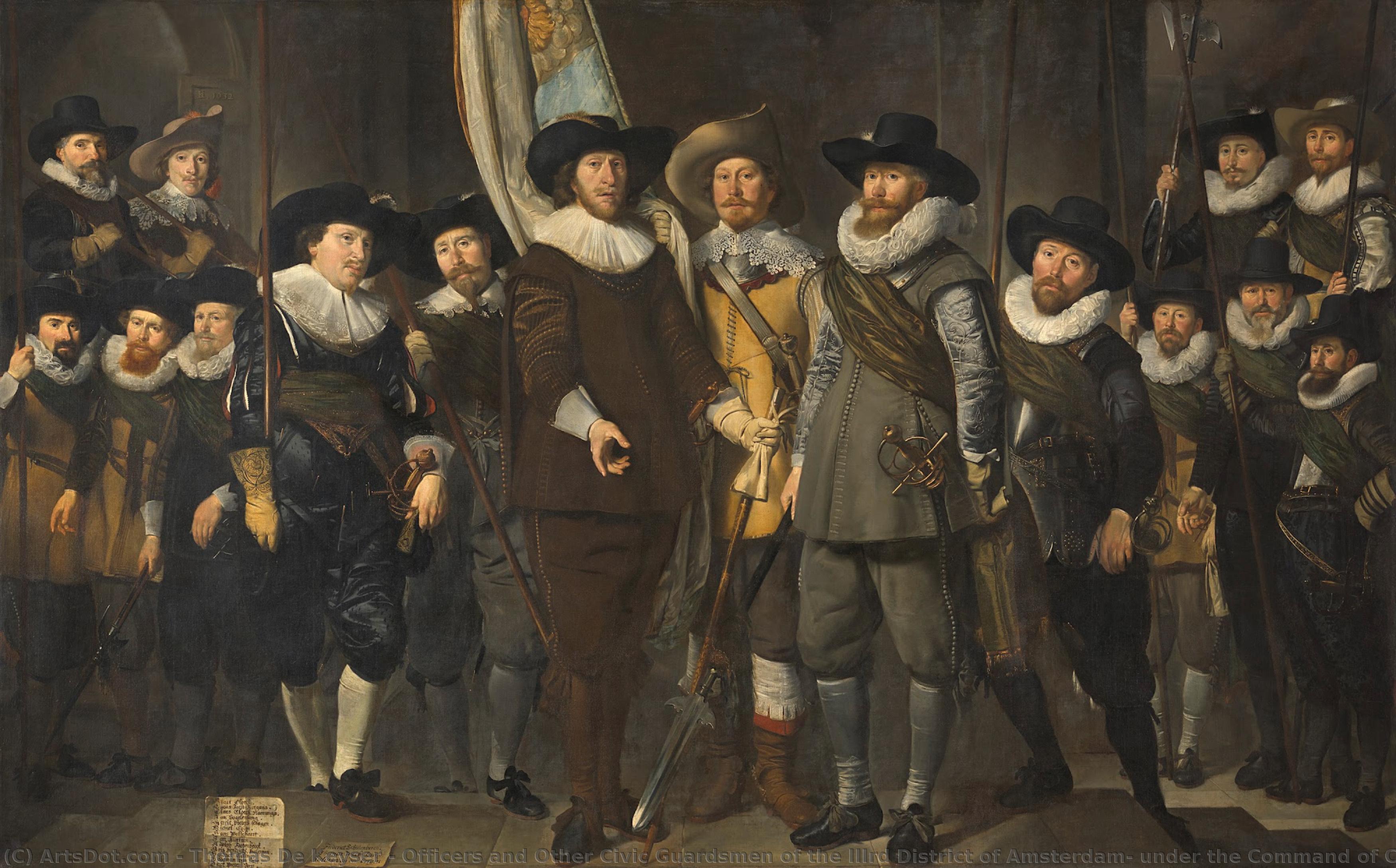
Officers and Other Civic Guardsmen of the IIIrd District of Amsterdam, under the Command of Captain Allaert Cloeck and Lieutenant Lucas Jacobsz Rotgans, Thomas de Keyser, 1632
 Dutch Golden Age
 1632
1632 220.0 x 351.0 cm
 詳細を見る
詳細を見る




































作品のオリジナル比率に合わせた、当店の規定サイズからお選びください。

特定のフレームやスペースに合わせて、ご希望のサイズをご入力いただけます。選択されたサイズが元の画像の比率と異なる場合、アートワークをトリミングするか、手描きで要素を追加して絵画を拡張いたします。デジタルモックアップ を制作し、制作開始前にご確認(承認)をいただきます。
画面上のプレビューは、実際のトリミングや拡張を正確に反映しているものではありません。最終的な構図は、モックアップによってのみ正確にご確認いただけます。
カスタムサイズもご利用いただけますが、元の比率を維持するためには、あらかじめ用意されたリストからサイズを選択することをお勧めいたします。
ご注文後、ArtsDot.com チームより詳細な指示をお送りするとともに、仕上がりイメージ(モックアップ)をご提供いたします。


 ガラスオプションは、110cm未満のサイズでのみご利用いただけます。

Officers and Other Civic Guardsmen of the IIIrd District of Amsterdam, under the Command of Captain Allaert Cloeck and Lieutenant Lucas Jacobsz Rotgans, Thomas de Keyser, 1632
複製技法
複製画のサイズ
-


合計金額
$ 588
関連作品

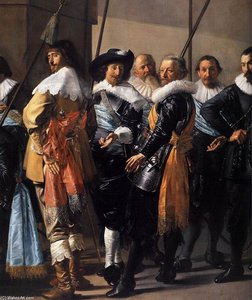
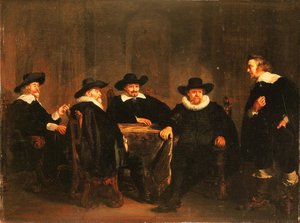
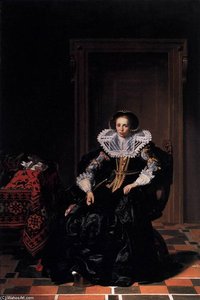
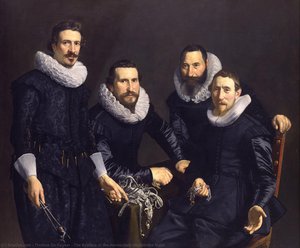
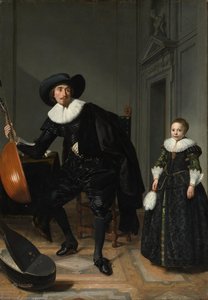
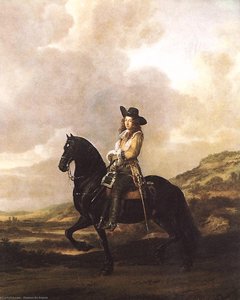
アーティストの略歴
トーマス・デ・カイザーの遺産:オランダ黄金時代を彩った巨匠
かつてて前例のない繁栄と文化の開花に沸いた、17世紀のアムステルダム。その活気あふれる中心地において、トーマス・エ・カイザーは肖像画という領域における畏敬すべき存在として姿を現しました。建築的な壮麗さに満ちた環境の中で1596年に生まれたデ・カイザーは、アムステルダムのスカイラインそのものを形作った伝説的な建築家、ヘンドリック・デ・カイスァーの息子でした。この職人としての血統は、単なる名声をもたらしただけではありません。構造、空間、そして物体が持つ物理的な存在感に対する根源的な理解を彼に授け、それが後に人間という形態へのアプローチを決定づけることになります。アムステル川沿いの石材置き場の中で育ったデ・カイザーは、芸術と建築が分かちがたく結びついた世界に身を投じており、その経験が彼の代名詞となる卓越した技術的精密さを養うこととなりました。
彼の芸術的な旅路は、コルネリス・ファン・デル・フォールトの下での正式な修行を通じてさらに洗練されていきました。この教育により、彼は当時の人文主義的な理想や、洗練された構図技法に触れることになります。成熟とともに、デ・カイザーのスタイルは真に独特なものへと結実し始めました。それは、ルネサンス後期の緻密な細部描写と、勃興しつつあったバロック様式の劇的で心理的な強烈さを繋ぐ架けな橋となったのです。初期の作品には先人たちの形式的な優雅さへの鋭い関心が示されていましたが、やがて彼は被写体の「生きた現実」を捉える能力を開花させ、単なる外見の類似を超えて、人物の本質に触れる境地へと到達しました。
レンブラントの影とリアリズムの芸術
デ・カイザーの輝きを理解するためには、彼の作品とレンブラント・ファン・レインとの間の複雑な関係性を紐解かなければなりません。当時の革命的な精神を共有した同時代人としばしば評されるデ・カイザーの光と影へのアプローチ――名高いキアロスクーロ(明暗法)――は、レンブラントが提唱した劇的な革新と共鳴していました。しかし、デ・カイザーには彼独自の明晰さが備わっていました。レンブラントが形態を深く神秘的な影の中へと溶け込ませるのに対し、デ・カイザーはしばしば線の鮮明さと、質感における光り輝くような質感を維持しました。彼は触覚的な表現の達人であり、絹の重厚な光沢、レースの複雑な模様、そして年老いた商人の刻まれた肌の細かな変化を、あたかも科学的な正確さをもって描き出したのです。
このリアリズムへの献身は、オランダ共和国で台頭していた商人階級にとって、彼を理想的な肖像画家たらしめました。被写体の威厳と、深い心理的真実とのバランスを取る彼の能力は、社会的地位の象徴であると同時に、親密な人物研究としての役割も果たす作品を生み出しました。集合肖像画において、彼は複雑な人物配置を組織化する並外れた手腕を発揮し、個々のアイデンティティを損なうことなく、市民としての集団的な誇りという一貫した物語へと昇華させました。彼の筆致は精密でありながら、決して静止したものではありません。その構図にはリズムを伴う生命力が宿っており、17世紀の凍りついた瞬間の中に、今なお息吹を与え続けているのです。
歴史的意義と芸術的勝利
トーマス・デ・カイザーの功績はキャンバスの枠を遥かに超え、北欧美術史における極めて重要な一章を象徴しています。彼のキャリアは、オランダが商業、科学、そして芸術を通じて自らのアイデンティティを確立しようとしていた、オランダ黄金時代の絶頂期と重なりました。富裕な市民から影響力を持つ指導者に至るまで、この時代の顔々を記録することで、彼は変革期にある社会の視覚的な記録を残したのです。彼の作品は、海上権力とプロテスタントの勤勉さによって定義された時代の、社会階層、ファッション、そして価値観を覗き見る窓としての役割を果たしています。
彼の生涯と遺産を通じて、芸術界への貢献を定義づける重要な要素がいくつか存在します:
- 技術的習熟: 多様な質感や素材を、生命力あふれる精度で描き出す比類なき能力。
- 建築的影響: オランダ建築との家族的な繋がりから派生した、独自の構図感覚と構造的な整合性。
- 心理的深み: 正式な肖像画の中に、個人の人間性と感情的な響きを吹き込む力。
- 文化的記録: 莫大な富がもたらされた時代における、アムステルダム商人階級の勃興するアイデンティティを捉えた役割。
歴史は時として彼をレンブラントの影に置くことがありますが、デ・カイザーの重要性が損なわれることはありません。彼は単なる偉大さの模倣者ではなく、それ自体が先駆者であり、オランダの伝統に独自の明晰さと構造的な優雅さを加えたのです。今日においても、彼の作品は学者や芸術愛好家を魅了し続けており、時代の外的な華やかさと内面的な魂の両方を捉えることができた巨匠の、不朽の証として存在しています。
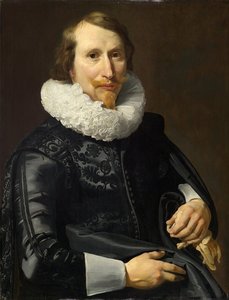
トーマス・デ・カイザー
1596 - 1667 , オランダ
基本情報
- Artistic Movement Or Style: オランダ黄金時代
- Artists Or Movements Influenced By This Artist: ['レンブラント']
- Artists Who Influenced This Artist: ['レンブラント・ファン・レイン']
- Date Of Birth: オランダ、アムステルダム (1596)
- Date Of Death: 1667
- Full Name: トーマス・デ・カイザー
- Nationality: オランダ
- Notable Artworks: ['フリードリヒ・ファン・フェルトハイゼンとその妻']
- Place Of Birth: アムステルダム
関連記事

黄金世紀の巨匠たち:バロック絵画が彩る10選|ArtsDot
オランダ黄金時代の10大傑作を紐解く!レンブラント、フェルメール…バロック絵画の魅力と時代背景を深く探求。ArtsDotで、至高のアートコレクションと空間演出のヒントを見つけよう。高品質なアートプリントで、お部屋を華やかに。
Pieter de Hooch: Illuminating Dutch Domestic Life & Golden Age Charm
Explore the captivating world of Pieter de Hooch, a master of Dutch Golden Age painting. Discover his innovative use of light, intimate domestic scenes, and lasting influence on art history. Learn more at ArtsDot.
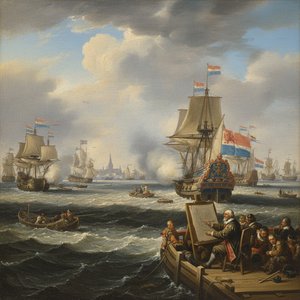
Willem van de Velde the Elder: Master of Maritime Painting & Chronicler of the Dutch Golden Age
Discover the captivating maritime paintings of Willem van de Velde the Elder, a master chronicler of the Dutch Golden Age. Explore his unparalleled realism and lasting influence on naval art history.

Golden Age Reflections: Dutch Baroque Painting & Cultural Innovation
Explore the Dutch Golden Age of painting! Discover key artists like Vermeer & ter Borch, their innovative techniques, and the rich cultural context behind these Baroque masterpieces. Learn about collecting & appreciating this iconic art period.

Illuminating Innovation: Exploring the Dutch Golden Age of Painting
Explore the Dutch Golden Age of painting with ArtsDot. Discover Rembrandt, Vermeer & other Masters. Learn about key characteristics, iconic artworks, and lasting influence. Expert insights for collectors & enthusiasts.