 プレビュー
プレビュー
 プリントを購入
 シェアする
シェアする シェアする
シェアする
 詳細を見る
詳細を見る

 ダウンロード
 似ている作品
 X線調査
X線調査 スライドショー
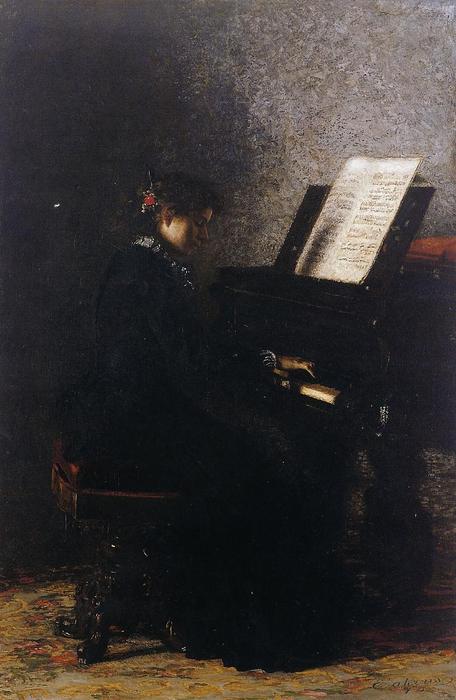
Elizabeth at the Piano


 詳細を見る
詳細を見る




P118B $10

P118H $10

P118W $10

P438Z $10

P508JH $12

P508YH $12

P805H $10

P805Z $10

P919BZ $10

P919G $10

P919XJ $10

P959ZH $10

P968JZ $12

W106C $8

W218G $10

W218JH $8

W218Y $10

W307PJ $10

W316G $10

W316PJ $8

W316Y $10

W398PJ $8

W4111J $10

W500HY $15

W500JH $15

W692G $12

W849H $8

W940BG $15

W953PJ $8




作品のオリジナル比率に合わせた、当店の規定サイズからお選びください。

特定のフレームやスペースに合わせて、ご希望のサイズをご入力いただけます。選択されたサイズが元の画像の比率と異なる場合、アートワークをトリミングするか、手描きで要素を追加して絵画を拡張いたします。デジタルモックアップ を制作し、制作開始前にご確認(承認)をいただきます。
画面上のプレビューは、実際のトリミングや拡張を正確に反映しているものではありません。最終的な構図は、モックアップによってのみ正確にご確認いただけます。
カスタムサイズもご利用いただけますが、元の比率を維持するためには、あらかじめ用意されたリストからサイズを選択することをお勧めいたします。
ご注文後、ArtsDot.com チームより詳細な指示をお送りするとともに、仕上がりイメージ(モックアップ)をご提供いたします。


 ガラスオプションは、110cm未満のサイズでのみご利用いただけます。

Elizabeth at the Piano
複製技法
複製画のサイズ
-


合計金額
$ 313
A Portrait of Introspection: Elizabeth at the Piano by Thomas Eakins
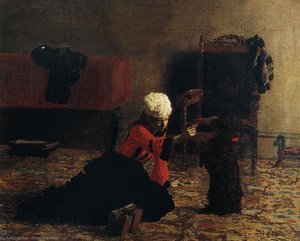
Thomas Eakins’s “Elizabeth at the Piano” is more than a simple depiction of a woman playing an instrument; it's a meticulously crafted meditation on solitude, observation, and the quiet drama of domestic life. Painted in 1875, this grayscale portrait, rendered in oil on canvas with a masterful command of realism, offers a profound glimpse into the artistic sensibilities of one of America’s most significant realist painters. The artwork immediately draws the viewer into a space of contemplative stillness, a feeling reinforced by the muted palette and the almost unnervingly direct gaze of Elizabeth Shipton, the model who posed for the piece.
- Subject Matter: The scene unfolds within a richly detailed interior – a room subtly imbued with an atmosphere of both formality and intimacy. The focus is undeniably on Elizabeth, seated at a grand piano, but her presence is framed by two indistinct figures observing her, adding layers of narrative ambiguity. This juxtaposition suggests the interplay between performance and audience, private experience and shared observation.
- Style & Technique: Eakins’s commitment to realism is absolute. He employs a technique rooted in meticulous observation and scientific precision – a characteristic often associated with his work alongside Philadelphia's medical community. The visible brushstrokes, particularly in the rendering of the piano keys and the fabric of Elizabeth’s dress, speak volumes about his deliberate approach; an impasto style adds to the tactile quality of the painting, inviting the viewer to almost feel the surface beneath their fingertips.
- Composition & Lighting: The vertical orientation emphasizes Elizabeth's form, anchoring her within the frame and directing our attention to her posture and expression. The diffused lighting, seemingly emanating from an unseen source, casts soft shadows that heighten the sense of intimacy and melancholy. This deliberate lack of strong directional light contributes significantly to the painting’s subdued mood, fostering a feeling of quiet contemplation.
Decoding the Symbolism: Melancholy and Observation
The monochromatic color scheme is not merely an aesthetic choice; it's deeply symbolic. The absence of vibrant hues amplifies the emotional weight of the scene, lending itself to interpretations of solitude, reflection, and perhaps even a touch of melancholy. Elizabeth’s pose – poised yet withdrawn – reinforces this impression. Her gaze, directed outwards but seemingly unfocused, suggests an internal world of thought and emotion. The two observers in the background, rendered as indistinct shapes, add another layer of complexity. Are they friends? Family members? Or simply witnesses to a private moment? Their anonymity fuels speculation and invites the viewer to project their own interpretations onto the scene.
- Historical Context: Eakins was working during a period of significant artistic change in America, as artists sought to establish their own distinct national identity. His unflinching realism stood in contrast to the prevailing romantic styles, and his focus on everyday subjects – particularly those found within Philadelphia’s social circles – challenged conventional notions of what constituted worthy artistic subject matter.
- Symbolic Elements: The piano itself is a potent symbol – representing both musical expression and intellectual pursuit. Elizabeth's engagement with it suggests a connection to the world of ideas and emotions, further reinforcing the painting’s themes of introspection and contemplation.
A Legacy of Realism: Eakins’s Enduring Influence
"Elizabeth at the Piano" exemplifies Thomas Eakins’s profound understanding of human psychology and his extraordinary ability to translate that understanding onto canvas. His meticulous attention to detail, combined with his innovative use of light and shadow, created a work that continues to resonate with viewers today. It's a testament to his belief in the power of observation and his unwavering commitment to portraying reality as he saw it – unflinchingly honest, profoundly moving, and undeniably captivating.
Materials Used: Oil paints, canvas, brushes Date: 1875 Artist: Thomas Eakins (1844-1916)関連作品


アーティストの略歴
生誕とリアリズムへの傾倒
トーマス・カウパーウェイト・イーキンスは、1844年7月25日にアメリカ合衆国ペンシルベニア州フィラデルフィアで生まれました。彼は、人間の経験の本質を捉えることに生涯を捧げた、揺るぎないリアリズムの画家として、アメリカ美術史において記念碑的な存在です。イーキンスは単に世界を*表現すること*に満足せず、その解剖を試み、物理的および心理的な構造を理解し、そして誠実さをもってキャンバス上に再構築しようとしました。彼の道は、即時の称賛を得るものではなく、献身、論争、そして最終的には19世紀後半から20世紀初頭のアメリカ美術における最も深遠なリアリストとしての永続的な評価という、緩やかな燃焼でした。イーキンスのフィラデルフィアは壮大な風景やロマンチックな理想の都市ではありませんでした。それは医師、漕ぎ手、狩人、そして日常の人々の世界であり、彼らはほぼ科学的な精度をもって描かれた彼の被写体でした。初期の影響と芸術的形成
イーキンスの育ちは、知的好奇心と芸術的才能を育みました。父親のベンジャミン・イーキンスは筆記師であり書道家で、彼に規律と細心の観察への愛情を植え付けました。この基盤は、セントラル高校およびペンシルベニア美術アカデミーでの教育によってさらに強化され、そこで彼は絵画と解剖学において優れていました—それは彼の全作品に浸透する魅力でした。しかし、パリのジャン=レオン・ジェロームのもとでのヨーロッパ時代が、真に彼の芸術的アプローチを形作りました。ジェロームの正確なドラフトマンシップと歴史的な正確さへの強調はイーキンス自身の傾向と共鳴しましたが、彼はすぐに単なる模倣を超えました。スペインへの滞在はさらに、光、影、そして直接観察の力を理解する彼の能力を高めました。彼は単に古い巨匠をコピーすることに満足しませんでした。彼らはどのように効果を達成したのかを理解し、その知識を独自のビジョンに応用したいと考えていました。この時期は、人生から直接描くという彼のコミットメントを固める上で非常に重要でした。真実の追求:テーマと技法
イーキンスの作品は、リアリズムへの揺るぎない献身—被写体を理想化したりロマンチックに描いたりすることを拒否するもので特徴づけられます。彼の数百点に及ぶ肖像画は、座主を喜ばせるための好意的な表現ではなく、キャラクターの深く探求する研究です。彼は外科医が*グロス・クリニック*で仕事をする様子や、漕ぎ手が*マックス・シュミットのシングルスクール*で流れに逆らって努力する様子など、彼らの職業に従事している個人を描き、その物理的な外観だけでなく、彼らの集中力と彼らの職務に対する要求も捉えました。この真実への献身は彼の技術にも及びました。イーキンスは動きに魅了されており、それを正確に捉えるために革新的な方法を採用しました。彼は解剖学を熱心に研究し、しばしば人間の体の根本構造を理解するために死体を解剖しました。彼はまた、写真も実験的に使用し、動きの分析と絵画におけるより大きな精度を実現するためのツールとして活用しました。彼のキアロスクーロの使用—光と闇の劇的なコントラスト—はさらに、彼の作品のリアリズムと心理的深さを高めました。論争と遺産
芸術的な才能にもかかわらず、イーキンスのキャリアは論争に満ちていました。人生から直接描くことを主張し、しばしば裸体モデルを含めることは、ビクトリア朝フィラデルフィアの保守的な感性に反していました。ペンシルベニアアカデミーでの彼の教育方法は同様に型破りでした。彼は人間の形を人生から研究することの重要性を強調し、学生に伝統的な芸術的慣習に挑戦するように促しました。これは同僚との摩擦につながり、最終的には1886年の強制退職につながりました。個人的なスキャンダルはまた、彼の生涯を通じて彼の評判を傷つけ、彼をアート・エスタブリッシュメントからほとんど疎外させました。しかし、イーキンスは動じず、健康が悪化するまで絵を描き続け、私的に教え続けました。1916年の死後、彼の作品は徐々に評価され、現在ではアメリカ美術史における重要な人物として称賛されています。彼の揺るぎないリアリズム、解剖学的正確さへの献身、そして人間の状態に対する深い理解は、今日でもアーティストにインスピレーションを与え、観客を魅了し続けています。彼は絵画だけでなく、芸術的誠実の遺産と観察の容赦のない追求—観察の力と人間の形の永続的な美しさの証を残しました。主要な作品と永続的な影響
いくつかの作品がイーキンスの天才の標識として際立っています。*マックス・シュミットのシングルスクール* (1871)は、動きと光の巧みな描写により、おそらく彼の最も象徴的な絵画です。*グロス・クリニック* (1875)*は、その時代に手術の容赦のない描写のために物議を醸しましたが、医療専門家の献身とスキルに対する強力な証拠であり続けています。 *ウィリアム・ラッシュとそのモデル* (1908)は彼の後期のスタイルを示しており、肖像画と寓意的な要素をブレンドしています。これらの特定の絵画を超えて、イーキンスの影響は彼に続いた無数のアーティストに見ることができます—彼らの周りの世界を誠実さ、精度、そして人間の精神に対する深い理解をもって捉えようとした人々です。彼のリアリズムへのコミットメントは、後のアッシュカン派の運動への道を開き、今日でも現代のアーティストと共鳴し続けています。彼はアメリカ美術における重要な力であり、真の芸術性は模倣や装飾ではなく、勇気ある真実の追求にあることを思い出させてくれます。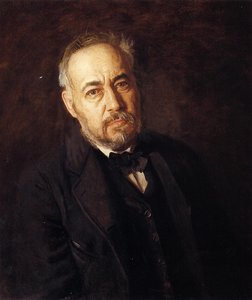
トーマス・エイキンズ
1844 - 1916 , アメリカ合衆国
基本情報
- Artistic Movement Or Style: リアリズム
- Artists Or Movements Influenced By This Artist: ['アメリカン・リアリズム']
- Artists Who Influenced This Artist: ['ジャン=レオン・ジェローム']
- Date Of Birth: 1844年7月25日
- Date Of Death: 1916年6月25日
- Full Name: トーマス・イーキンス
- Nationality: アメリカ人
- Notable Artworks (List Of Titles):
- マックス・シュミットの一人漕ぎ
- グロスの診療科
- 水泳場
- アグニューの診療科
- Place Of Birth (City And Country): フィラデルフィア, アメリカ
関連記事
Thomas Eakins: Realism, Anatomy & the American Spirit – A Comprehensive Exploration of Life and Legacy
Explore the life & legacy of Thomas Eakins, a pivotal American Realist painter. Discover his groundbreaking techniques, anatomical precision, and iconic works like 'The Gross Clinic.' A comprehensive guide for art enthusiasts.
Romantic Realism's Finest: 10 Masterpieces for Your Home | ArtsDot
Explore 10 defining masterpieces of Romantic Realism! Discover Courbet, Millet & Daumier's powerful paintings—capturing emotion and social realities. Find museum-quality reproductions for your home at ArtsDot.com.
Thomas Pollock Anshutz: Capturing American Life with Realism & Reform
Explore the life & work of Thomas Pollock Anshutz, a key figure in American Realism. Discover his powerful paintings, influence on art education, and commitment to portraying everyday life with honesty and social awareness.
American Realism's Defining Works: 10 Masterpieces for Your Home
Explore 10 defining American Realism masterpieces – Hopper, Homer & more. Discover the stories behind these iconic paintings and bring timeless art to your home with ArtsDot's museum-quality reproductions. Explore the full collection online.

Echoes of Society: Exploring Social Realism's Enduring Legacy in Art
Explore the powerful world of Social Realism art! Discover key artists, masterpieces & its profound social commentary. Expert insights into this influential movement's history and enduring legacy.