

 プレビュー
プレビュー
 プリントを購入
 シェアする
シェアする シェアする
シェアする
 詳細を見る
詳細を見る

 ダウンロード
 似ている作品
 X線調査
X線調査 スライドショー
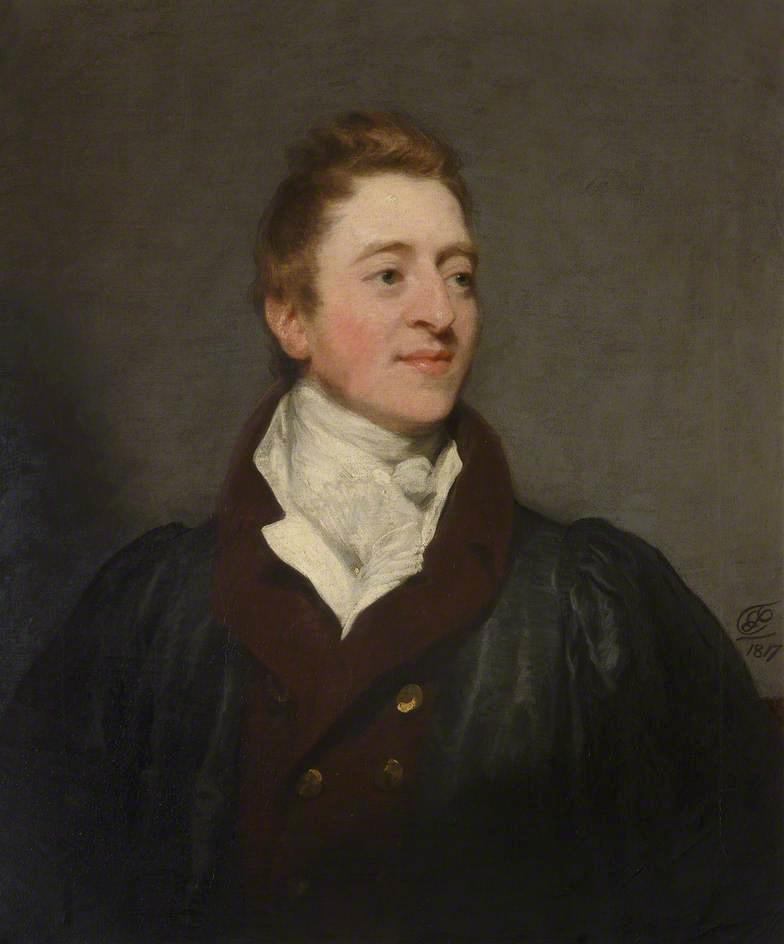
Hugh Percy, 3rd Duke of Northumberland


 詳細を見る
詳細を見る
オンラインプレビューをはるかに凌ぐ、高解像度で鮮明なデジタル画像をご購入いただけます。
各ファイルは、社内の専門家が高度なツールと熟練した手作業によるレタッチを用いて、細心の注意を払って準備されています。すべての画像において、卓越した鮮明度、正確な色彩再現性、そして繊細なディテールを保証いたします。
最終ファイルは、プロフェッショナルな編集・印刷環境ですぐにご利用いただけるよう最適化された状態で、72時間以内にメールにてお届けいたします。これは、一流のデザインスタジオ、出版社、ギャラリーから信頼されているものと同等の品質です。
デジタル画像のご注文に付随する特典
高品質なデジタル画像配信を、確かな品質で。
ArtsDot.com を選ぶことは、単に画像を手に入れることではありません。それは、プロの手によって精密に仕上げられ、満足保証が付いた高品質なデジタルアートワークを受け取ることを意味します。ご注文いただいた際に自動的に付随する内容は、以下の通りです:

メールですぐにお届け
ご注文から72時間以内に、高解像度のデジタル画像ファイルがメールでお手元に届きます。すぐにそのままご利用いただけます。

AI技術で最適化されたデジタルファイル
お客様の作品は、高度なAIツールと専門家による手作業の編集を組み合わせてプロフェッショナルに最適化されており、細部のディテール、鮮明さ、そして正確な色再現性を最大限に引き出しています。

一生涯無料の再送サービス
ファイルを誤って削除したり、紛失してしまったりしましたか?ご安心ください。いつでも無料で再送いたします。

輸入手数料は一切かかりません
関税や手数料、配送料を気にすることなく、お気に入りのアートワークをすぐにお楽しみいただけます。デジタルダウンロードは常に免税です。

色彩再現の保証
プロ仕様のツールとカラーマネジメント技術を用いることで、デジタル画像が元の色を最大限に忠実に再現することを保証いたします。

60日間満足保証
ご購入いただいたデジタル画像にご満足いただけない場合は、60日以内であれば、修正または100%の返金(理由を問う必要はありません)をさせていただきます。

100% 返金保証
ご満足いただけない場合は、デジタルファイルを受け取ってから60日以内であれば、理由を問わず全額返金いたします。

まとめ買い割引
3枚購入で10%OFF - 5枚購入で15%OFF - 10枚以上購入で20%OFF。クリエイティブなプロジェクト、ギャラリー、エージェンシーに最適です。
作品の詳細
A Portrait of Command: Hugh Percy, 3rd Duke of Northumberland
Thomas Phillips’s 1817 portrait of Hugh Percy, 3rd Duke of Northumberland, is more than simply a likeness; it's a carefully constructed tableau of power, duty, and restrained dignity. Rendered in the rich, controlled palette characteristic of late Georgian and early Romantic portraiture, the painting offers a glimpse into the life of a prominent figure navigating the complexities of British society during a period of significant political and social change. The Duke himself—a man of considerable military experience, serving with distinction in the American War of Independence and later as Lord Lieutenant of Ireland—projects an aura of composed authority, his gaze direct yet subtly contemplative.
The composition is classically balanced, adhering to a three-quarter pose that allows for detailed observation of the subject’s features. Phillips masterfully employs chiaroscuro – the dramatic interplay of light and shadow – to sculpt Percy's form, emphasizing the strength of his jawline, the firmness of his brow, and the subtle texture of his coat. The muted grey-brown background serves not as a distraction but rather as a grounding element, allowing the Duke’s figure to command attention and anchor the scene within a space of quiet formality. The careful use of lines defines the contours of his face, clothing, and hair with precision, while organic shapes—the folds in his coat, the curve of his neck—lend a sense of naturalism and human warmth to the otherwise structured arrangement.
A Window into Regency Society
To fully appreciate this portrait, it’s crucial to understand its historical context. The early 19th century was a time of immense social and political upheaval in Britain, following the Napoleonic Wars and the tumultuous years of the French Revolution. The aristocracy held considerable sway, yet faced increasing scrutiny from reformers and radicals demanding greater accountability. Portraits like this one were not merely decorative; they served as powerful statements of status, lineage, and civic responsibility. The Duke’s attire—the richly embroidered coat, the lace cravat—are all deliberate indicators of his wealth, rank, and connection to established traditions.
Further research reveals that Hugh Percy was a key figure in British politics, holding various important positions including Lord Lieutenant of Ireland. His involvement in military campaigns, particularly during the American War of Independence, shaped his character and contributed to his reputation for both bravery and strategic acumen. The portrait captures this complex legacy—a man simultaneously embodying the virtues of the established order and reflecting the challenges of a rapidly changing world.
The Art of Phillips: Technique and Detail
Thomas Phillips was a highly respected artist known for his meticulous attention to detail and his ability to capture both the physical likeness and the psychological essence of his subjects. His technique is characterized by layered brushwork, carefully blended colors, and a masterful understanding of light and shadow. The texture of Percy’s coat—the subtle sheen of the fabric, the delicate weave—is rendered with remarkable realism, inviting the viewer to almost feel its weight and smoothness.
Phillips's skill is particularly evident in his depiction of facial features. The Duke’s eyes, though somewhat distant, convey a sense of intelligence and self-awareness. The subtle lines around his mouth hint at both experience and perhaps a touch of melancholy. The artist’s use of highlights—particularly on the skin—creates a luminous effect that draws attention to the subject's face and adds depth to the overall composition. The portrait is a testament to Phillips’s dedication to capturing not just an image, but also the very spirit of his sitter.
Symbolism and Emotional Resonance
Beyond its technical merits, the portrait holds subtle symbolic significance. The Duke's posture—straight, dignified, and slightly turned towards the viewer—conveys a sense of authority and self-assurance. His gaze suggests both confidence and contemplation, inviting the viewer to engage with his thoughts and experiences. While the painting avoids overt emotional displays, it subtly communicates a feeling of stability, strength, and unwavering commitment to duty.
The muted color palette—dominated by browns, greys, and creams—contributes to the overall sense of gravitas and formality. It’s a deliberate choice that reflects the conservative values of the era and reinforces the Duke's position as a pillar of the establishment. Ultimately, Hugh Percy, 3rd Duke of Northumberland, is not merely a portrait; it’s a carefully crafted representation of a man—a leader, a soldier, and a symbol of an age.
関連作品
作家の略歴
生い立ちと芸術的基盤
1770年、ウォリックシャーのダドリーに生まれたトーマス・フィリップスは、決して裕福な家庭からではありませんでしたが、19世紀後半から20世紀初頭にかけてイギリスのアートシーンで重要な人物となる人物へと成長しました。彼の初期の芸術的訓練は、伝統的な絵画教育ではなく、バーミンガムのフランシス・エジントンのもとでのステンドグラス制作でした。この基礎的な経験が、彼に細部への注意深さと、後に彼の肖像画を特徴づける色彩と光に対する理解をもたらしました。転機となったのは1790年、フィリップスがロンドンへ旅立ち、当時の著名な芸術家であり王立アカデミーの重要な人物であったベンジャミン・ウェストからの紹介状を手に入れたことでした。ウェストの指導は、フィリップスの扉を開き、ウィンザー城の聖ジョージ礼拝堂のステンドグラス制作への雇用を確保しました。この初期の大規模な装飾作品への露出は、疑いなく彼の構成センスと芸術における物語性に対する理解を形成しました。1791年、フィリップスは正式に王立アカデミーに入学し、彼の正式な芸術教育の始まりと確立されたアート界への統合が始まりました。肖像画家としての台頭:様式と主題
フィリップスはすぐに肖像画という得意分野を見つけましたが、トーマス・ローレンスやジョン・ホッパーといった著名な芸術家がすでに存在し競争の激しい状況でした。当初、彼の被写体はほとんど無名の個人でしたが、献身と技術を通して着実に社会階層を登り詰め、ますます著名な人物をスタジオに引き寄せました。彼の様式は、初期のステンドグラス制作の影響と時代の一般的な芸術的嗜好を反映した細部への徹底的なリアリズムによって特徴づけられました。彼は単なる容姿だけでなく、被写体の性格や知性を捉える能力を持っていました。この才能は、科学者、作家、詩人、探検家といった「天才たち」を描く際に特に役立ち、彼の作品の反復テーマとなりました。王室の庇護とアカデミーでの評価
1804年はフィリップスのキャリアにおける重要な転換点となり、ウィリアム・オーウェンと共に王立アカデミーのアソシエイトに選出されました。この評価は、彼が芸術界における地位を確立したことを意味しました。その後すぐに、彼はハノーバー・スクエア8番地に移り住み、40年以上にわたって彼の家兼スタジオとなる名門アドレスとなりました。彼の顧客基盤は拡大し続け、王族や貴族を含むようになりました。彼はプリンス・オブ・ウェールズ(後のジョージ4世)、スタフォード侯爵夫人、サー・ソーロウなどを肖像画に描きました。この時期の特に有名な肖像画の一つがウィリアム・ブレイクのもので、現在はナショナル・ポートレートギャラリーに所蔵されており、詩人の激しい視線とビジョン的な精神を繊細に捉えた作品として高く評価されています。1808年、フィリップスは正式なアカデミー会員の地位を獲得し、彼の卒業制作『ヴィーナスとア Adonis』を発表しました。これは彼の最も想像力豊かな構成の一つと考えられており、純粋な肖像画からより野心的な物語的絵画への移行を示しています。晩年:教授職と遺産
フィリップスの芸術界への貢献は、彼自身の作品にとどまりませんでした。1825年、彼は王立アカデミーの絵画教授に任命され、ヘンリー・フュゼリの後任を務めました。この役割を通して、彼は知識と専門知識を将来のイギリス人画家たちと共有し、次世代の育成に貢献しました。彼は1833年に『絵画の歴史と原理に関する講義』を発表し、彼の芸術的哲学と教育的アプローチについての洞察を提供しました。晩年は世間の評価がやや低下しましたが、フィリップスは1845年に亡くなるまでアート界で尊敬される人物であり続けました。彼の遺産は、彼が創造した数多くの肖像画にあります。それは、同時代の著名な人物の容姿を捉えただけでなく、芸術教育への献身とイギリスの肖像画の発展への貢献にもあります。細部へのこだわりと性格に対する感受性を組み合わせた彼の作品は、19世紀イギリスのアートにおける重要な人物としての地位を確固たるものにしています。彼の細部への注意深さとキャラクターへの繊細さは、彼が同時代の文化景観に深く関わっていた芸術家の姿を保証します。
トーマス・フィリップス
1770 - 1845 , イギリス
プロフィール概要
- Artistic Movement Or Style: ロマン主義
- Artists Who Influenced This Artist: ['ベンジャミン・ウェスト']
- Date Of Birth: 1770年
- Date Of Death: 1845年
- Full Name: トーマス・フィリップス
- Nationality: イギリス人
- Notable Artworks (List Of Titles):
- ヴィーナスとア Adonis
- バイロン卿の肖像画
- Place Of Birth (City And Country): ダドリー、イギリス

