

 プレビュー
プレビュー
 プリントを購入
 シェアする
シェアする シェアする
シェアする
 詳細を見る
詳細を見る

 ダウンロード
 似ている作品
 X線調査
X線調査 スライドショー
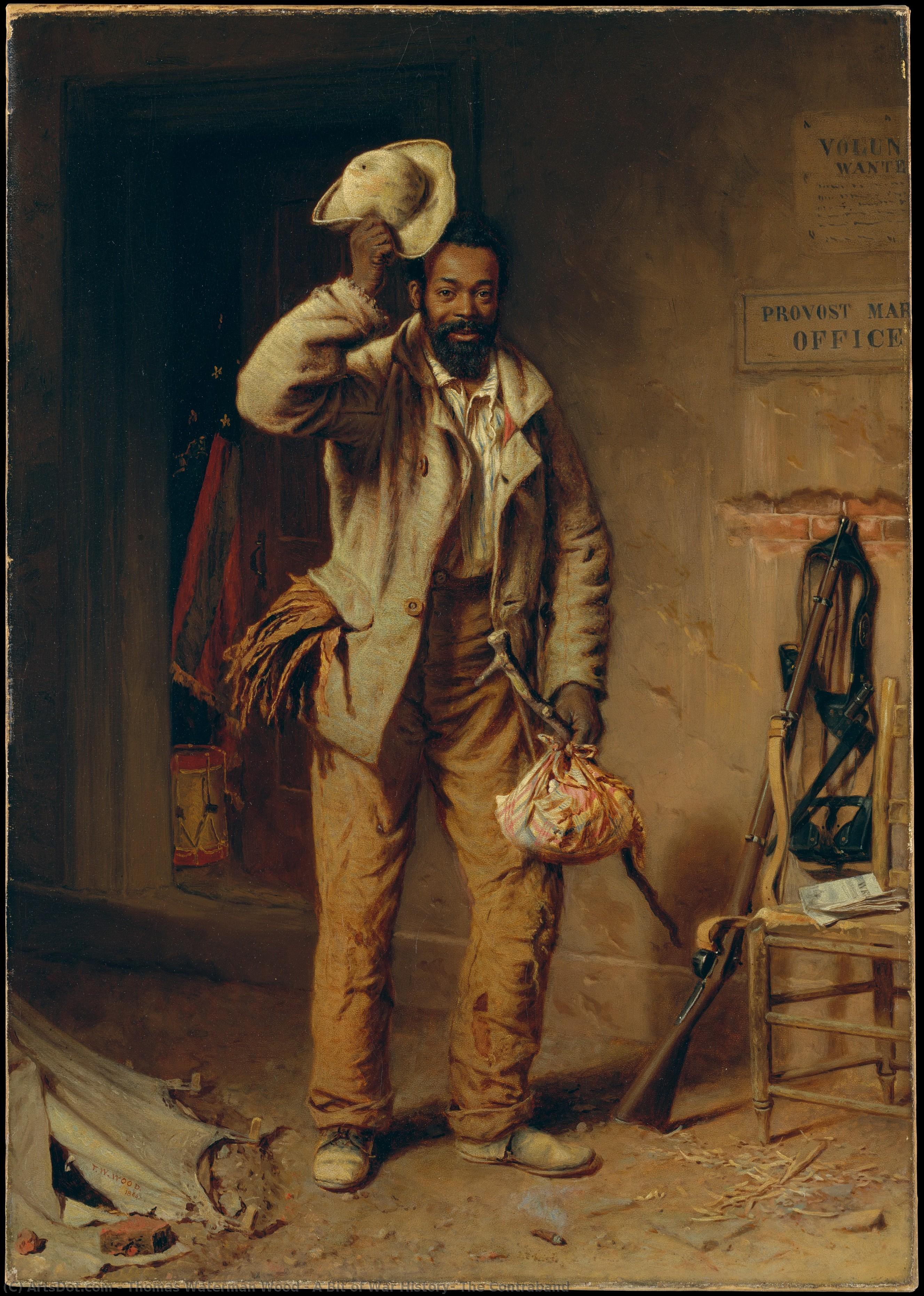
A Bit of War History: The Contraband
 Oil On Canvas
- WallArt
- Hudson River School
 1865
1865- 19th Century
 72.0 x 51.0 cm
 メトロポリタン美術館
 詳細を見る
詳細を見る
オンラインプレビューをはるかに凌ぐ、高解像度で鮮明なデジタル画像をご購入いただけます。
各ファイルは、社内の専門家が高度なツールと熟練した手作業によるレタッチを用いて、細心の注意を払って準備されています。すべての画像において、卓越した鮮明度、正確な色彩再現性、そして繊細なディテールを保証いたします。
最終ファイルは、プロフェッショナルな編集・印刷環境ですぐにご利用いただけるよう最適化された状態で、72時間以内にメールにてお届けいたします。これは、一流のデザインスタジオ、出版社、ギャラリーから信頼されているものと同等の品質です。
デジタル画像のご注文に付随する特典
高品質なデジタル画像配信を、確かな品質で。
ArtsDot.com を選ぶことは、単に画像を手に入れることではありません。それは、プロの手によって精密に仕上げられ、満足保証が付いた高品質なデジタルアートワークを受け取ることを意味します。ご注文いただいた際に自動的に付随する内容は、以下の通りです:

メールですぐにお届け
ご注文から72時間以内に、高解像度のデジタル画像ファイルがメールでお手元に届きます。すぐにそのままご利用いただけます。

AI技術で最適化されたデジタルファイル
お客様の作品は、高度なAIツールと専門家による手作業の編集を組み合わせてプロフェッショナルに最適化されており、細部のディテール、鮮明さ、そして正確な色再現性を最大限に引き出しています。

一生涯無料の再送サービス
ファイルを誤って削除したり、紛失してしまったりしましたか?ご安心ください。いつでも無料で再送いたします。

輸入手数料は一切かかりません
関税や手数料、配送料を気にすることなく、お気に入りのアートワークをすぐにお楽しみいただけます。デジタルダウンロードは常に免税です。

色彩再現の保証
プロ仕様のツールとカラーマネジメント技術を用いることで、デジタル画像が元の色を最大限に忠実に再現することを保証いたします。

60日間満足保証
ご購入いただいたデジタル画像にご満足いただけない場合は、60日以内であれば、修正または100%の返金(理由を問う必要はありません)をさせていただきます。

100% 返金保証
ご満足いただけない場合は、デジタルファイルを受け取ってから60日以内であれば、理由を問わず全額返金いたします。

まとめ買い割引
3枚購入で10%OFF - 5枚購入で15%OFF - 10枚以上購入で20%OFF。クリエイティブなプロジェクト、ギャラリー、エージェンシーに最適です。
A Poignant Narrative of Resilience
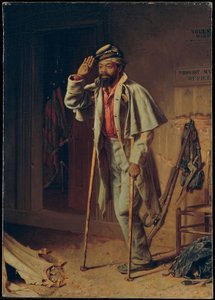
In the twilight of the American Civil War, as the nation stood on the precipice of profound transformation, Thomas Waterman Wood captured a moment of immense historical weight in his evocative triptych, A Bit of War History: The Contraband. Completed in 1865, this work transcends the boundaries of traditional landscape or genre painting to serve as a moving meditation on the themes of agency, aspiration, and the pursuit of freedom. Through this narrative sequence, Wood invites the viewer into the lived experience of African American military service, presenting a story that is as much about the internal spirit of a people as it is about the external shifts in American law and society.
The painting functions as a powerful window into the era of Reconstruction, specifically focusing on the experiences of self-emancipated individuals. In the primary panel, we encounter a man standing within the confines of a US Army office, his expression etched with an eager determination to enlist. This single image encapsulates the tension of a period marked by both immense struggle and the flickering light of new possibilities. By centering the narrative on the transition from "contraband" status to active military participant, Wood provides a profound commentary on the reclamation of identity through service and duty.
Mastery of Light and Atmospheric Depth
Technically, Wood demonstrates the sophisticated sensibilities of the second generation of the Hudson River School. His approach is characterized by a masterful use of atmospheric perspective, which lends the scenes an incredible sense of depth and realism. The artist employs the delicate technique of glazing—applying multiple thin, translucent layers of oil paint—to create a shimmering, luminous surface that seems to breathe with light. This method allows for a subtle interplay of shadow and radiance, particularly evident in the way light filters through the environments depicted.
The brushwork, while precise enough to render the textures of military uniforms and office interiors, retains a certain fluidity that captures the ephemeral quality of light. This luminous palette does more than just decorate the canvas; it serves an emotional purpose, bathing the subjects in a glow that suggests hope amidst the heavy atmosphere of war. For collectors and designers alike, this technical brilliance ensures that the piece possesses a captivating presence, capable of anchoring a room with its rich textures and sophisticated tonal range.
Symbolism and the Legacy of Freedom
Beyond its immediate historical subject matter, the artwork is steeped in profound symbolism. The very title, referencing "The Contraband," invokes the complex legal and social status of formerly enslaved people who sought refuge behind Union lines. Wood’s ability to move past the caricatured depictions common in mid-19th-century art allows him to present a more empathetic and humanistic portrayal. Every element, from the official documents within the office to the posture of the men depicted across the triptych, underscores the themes of legitimacy and the arduous journey toward citizenship.
For those looking to incorporate such a significant piece into an interior space, A Bit of War History: The Contraband offers more than mere decoration. It provides a conversation piece that honors the resilience of the human spirit. Whether displayed in a curated gallery setting or as a focal point in a sophisticated study, this reproduction brings with it the weight of history and the enduring beauty of Wood's artistic vision, making it an invaluable acquisition for any serious lover of American art history.
関連作品
作家の略歴
トマス・ウォーターマン・ウッドの生涯と芸術
1823年にモンペリエ、アメリカ合衆国で生まれたトマス・ウォーターマン・ウッドは、その時代を代表するジャンル画家の一人として知られています。南北戦争後のアメリカにおける農村生活を描いた作品群や、アフリカ系アメリカ人の心情に深く寄り添った作品を通して、彼は19世紀アメリカ美術史において重要な位置を占めています。ウッドの写実的なスタイルと歴史的意義は、今日においても多くの人々を魅了し続けています。初期のキャリアと芸術への傾倒
ウッドの幼少期や青年時代については詳細な記録が残っていませんが、彼は早くから絵画に才能を示し、その才能を開花させるために努力を重ねました。特に彼に影響を与えたのは、ウィリアム・オリバー(1804-1853)であり、彼の指導のもとで基礎的な技術を習得しました。ウッドは、当時のアメリカ社会における農村生活や人々の暮らしを描くことに強い関心を持ち、その情景をキャンバスに再現することに情熱を注ぎました。南北戦争後のアメリカの風景
南北戦争終結後、ウッドは戦後の混乱と変化の中で生きる人々の姿を描き始めました。彼の作品には、再建期における社会的な課題や、アフリカ系アメリカ人の苦難と希望が克明に描かれています。特に注目されるのは、彼が描いたアフリカ系アメリカ人の肖像画であり、それらは単なる容姿の描写にとどまらず、彼らの内面にある尊厳や強さを表現しています。ウッドは、当時の社会における偏見や差別と闘いながら、人種間の理解を深めるための芸術活動に尽力しました。写実主義と歴史的意義
ウッドの作品は、その写実的な描写と細部へのこだわりによって高く評価されています。彼は、光と影の効果を巧みに利用し、被写体の立体感や質感を鮮やかに表現しました。また、彼の作品には、当時のアメリカ社会における人々の生活様式や風俗習慣が忠実に再現されており、歴史的な資料としても貴重な価値を持っています。ウッドの芸術は、単なる美しさだけでなく、社会的なメッセージを伝えるための手段として用いられ、多くの人々に感動と共感を与えました。ウッドの遺産
トマス・ウォーターマン・ウッドは、1903年にその生涯を閉じましたが、彼の芸術は今日においても色褪せることなく輝き続けています。彼の作品は、アメリカ美術史における重要な遺産として、多くの美術館やギャラリーに所蔵されています。また、彼の作品を研究する学者や批評家も後を絶たず、ウッドの芸術に対する関心はますます高まっています。ウッドの描いた風景や人々は、私たちに過去の時代を生きる人々の姿を鮮やかに伝え、未来への希望と勇気を与えてくれます。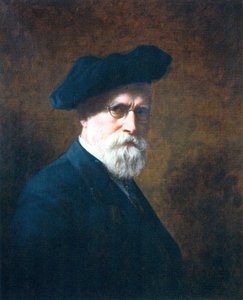
トーマス・ウォーターマン・ウッド
1823 - 1903 , アメリカ合衆国
プロフィール概要
- Artistic Movement Or Style: 風俗画/写実主義
- Artists Or Movements Influenced By This Artist: ['バーミングハム派']
- Artists Who Influenced This Artist: ['ウィリアム・オリバー']
- Date Of Birth: 1823年
- Date Of Death: 1903年
- Full Name: トーマス・ウォーターマン・ウッド
- Nationality: アメリカ人
- Place Of Birth (City And Country): アメリカ合衆国モンペリア

