

 プレビュー
プレビュー
 プリントを購入
 シェアする
シェアする シェアする
シェアする
 詳細を見る
詳細を見る

 ダウンロード
 似ている作品
 X線調査
X線調査 スライドショー
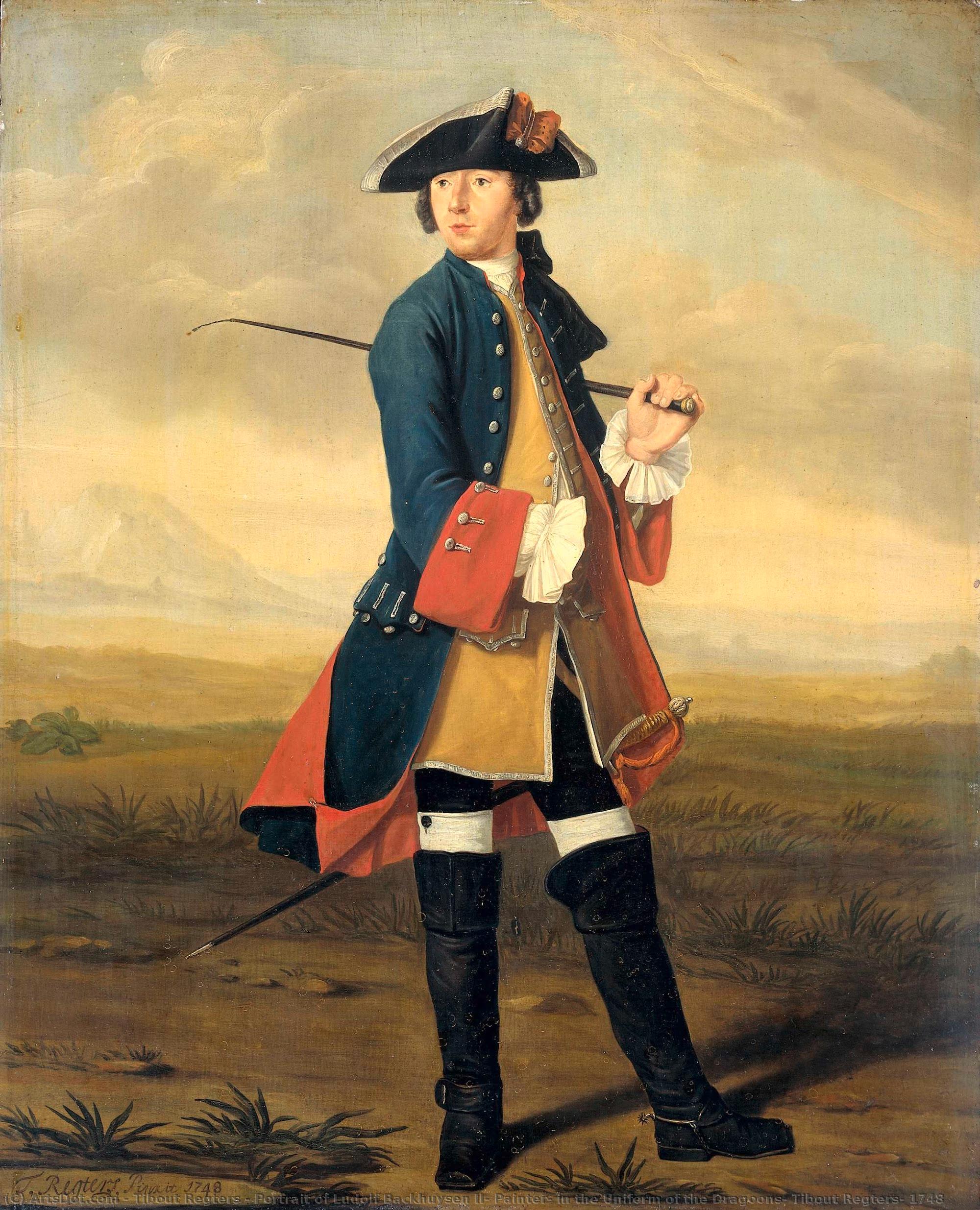
Portrait of Ludolf Backhuysen II, Painter, in the Uniform of the Dragoons, Tibout Regters, 1748
 1748
1748 53.0 x 43.0 cm
 詳細を見る
詳細を見る
オンラインプレビューをはるかに凌ぐ、高解像度で鮮明なデジタル画像をご購入いただけます。
各ファイルは、社内の専門家が高度なツールと熟練した手作業によるレタッチを用いて、細心の注意を払って準備されています。すべての画像において、卓越した鮮明度、正確な色彩再現性、そして繊細なディテールを保証いたします。
最終ファイルは、プロフェッショナルな編集・印刷環境ですぐにご利用いただけるよう最適化された状態で、72時間以内にメールにてお届けいたします。これは、一流のデザインスタジオ、出版社、ギャラリーから信頼されているものと同等の品質です。
デジタル画像のご注文に付随する特典
高品質なデジタル画像配信を、確かな品質で。
ArtsDot.com を選ぶことは、単に画像を手に入れることではありません。それは、プロの手によって精密に仕上げられ、満足保証が付いた高品質なデジタルアートワークを受け取ることを意味します。ご注文いただいた際に自動的に付随する内容は、以下の通りです:

メールですぐにお届け
ご注文から72時間以内に、高解像度のデジタル画像ファイルがメールでお手元に届きます。すぐにそのままご利用いただけます。

AI技術で最適化されたデジタルファイル
お客様の作品は、高度なAIツールと専門家による手作業の編集を組み合わせてプロフェッショナルに最適化されており、細部のディテール、鮮明さ、そして正確な色再現性を最大限に引き出しています。

一生涯無料の再送サービス
ファイルを誤って削除したり、紛失してしまったりしましたか?ご安心ください。いつでも無料で再送いたします。

輸入手数料は一切かかりません
関税や手数料、配送料を気にすることなく、お気に入りのアートワークをすぐにお楽しみいただけます。デジタルダウンロードは常に免税です。

色彩再現の保証
プロ仕様のツールとカラーマネジメント技術を用いることで、デジタル画像が元の色を最大限に忠実に再現することを保証いたします。

60日間満足保証
ご購入いただいたデジタル画像にご満足いただけない場合は、60日以内であれば、修正または100%の返金(理由を問う必要はありません)をさせていただきます。

100% 返金保証
ご満足いただけない場合は、デジタルファイルを受け取ってから60日以内であれば、理由を問わず全額返金いたします。

まとめ買い割引
3枚購入で10%OFF - 5枚購入で15%OFF - 10枚以上購入で20%OFF。クリエイティブなプロジェクト、ギャラリー、エージェンシーに最適です。
関連作品




作家の略歴
Early Life and Artistic Foundations
Tibout Regters, born on December 24th, 1710, in the bustling Dutch city of Dordrecht, embarked on a journey that would establish him as a notable portrait painter of the 18th century. His early life took an itinerant turn; when he was just two years old, his family relocated to Arnhem, where he spent his formative years. This move proved pivotal, setting the stage for his artistic development. Initially, young Tibout received instruction from Ten Haeg, a local artist who laid the groundwork for his future endeavors. At the age of twenty, Regters ventured to Rotterdam, dedicating two years to honing his skills under the tutelage of Meyer, further refining his technique and broadening his understanding of the craft. However, it was his subsequent relocation to Amsterdam that truly ignited his artistic trajectory. Amsterdam in the 18th century was a vibrant hub of commerce, culture, and artistic innovation. Regters initially found employment with Wannenberg before securing a coveted apprenticeship with Jan Maurits Quinkhard—a master whose influence would profoundly shape his style. For five years, he immersed himself in Quinkhard’s studio, absorbing the nuances of portraiture and developing into a skilled artist capable of capturing not just likenesses but also the essence of his subjects. It was during this period that Regters began to demonstrate a particular aptitude for depicting the refined elegance and social standing characteristic of Northern Netherlands society.A Portraitist of Amsterdam’s Elite
Regters quickly established himself as a sought-after portraitist in Amsterdam, catering to the burgeoning merchant class and affluent regents who desired to immortalize their status and lineage. His work is characterized by a meticulous attention to detail, a subtle yet effective use of color, and an ability to convey both the physical appearance and the inner character of his sitters. Unlike some of his contemporaries who favored grand, ostentatious displays of wealth in their portraits, Regters often opted for more intimate and restrained compositions. His paintings exude a sense of quiet dignity and refined taste, reflecting the values of the Dutch bourgeoisie. A key aspect of Regters’ success lay in his ability to capture the *conversation piece*—group portraits that depicted families or prominent citizens engaged in everyday activities. These works weren't merely records of individuals; they were carefully constructed narratives that showcased social harmony, familial bonds, and intellectual pursuits. The portrait of the Brak Family (1752), now held in the Rijksmuseum collection, exemplifies this approach—a harmonious depiction of a prosperous Mennonite family within their domestic sphere. Similarly, his painting *The Regents of the Aalmoezeniersweeshuis* (1751) demonstrates his skill in portraying civic leaders and contributing to institutional art.Influences and Artistic Development
While Quinkhard’s influence is undeniable—evident in Regters' refined style and attention to domestic settings—his artistic development wasn’t solely confined to the teachings of a single master. He absorbed elements from other prominent Dutch painters, notably those associated with the Leiden *fijnschilders*—artists known for their meticulous detail and smooth brushwork. This influence is visible in the precise rendering of fabrics, textures, and architectural details within his portraits. Regters’ early works, dating around 1741, reveal a preference for smaller-scale individual and family portraits characterized by casual poses and intimate interiors. As he matured, however, his compositions grew larger and more complex, reflecting the increasing demand for group portraits that showcased the social dynamics of Amsterdam's elite. He skillfully blended realism with a sense of naturalism, creating paintings that were both accurate representations and evocative portrayals of 18th-century life.Legacy and Historical Significance
Tibout Regters’ career spanned a period of economic challenges within the Dutch art market. Despite these difficulties, he managed to maintain a steady stream of commissions—a testament to his accessible style and ability to cater to the tastes of the middle class. His paintings offer valuable insights into the social customs, material culture, and values of 18th-century Amsterdam. He wasn’t merely documenting appearances; he was chronicling a way of life. Over 140 documented works attest to his prolific output, though fewer genre scenes survive—suggesting that portraiture remained his primary focus throughout his career. His later experiments with mythological subjects and market scenes demonstrate a willingness to explore different themes, but it is for his portraits that he is best remembered today. Regters’ legacy lies in his ability to capture the elegance, status, and inner lives of Northern Netherlands society—creating paintings that continue to resonate with viewers centuries later. He died in Amsterdam on January 26th, 1768, leaving behind a body of work that stands as a testament to his skill, dedication, and artistic vision. His portraits are not just historical records; they are windows into the world of 18th-century Dutch life—a world brought to life with meticulous detail, subtle emotion, and enduring grace.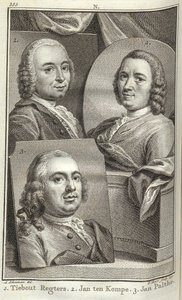
tibout regters
1710 - 1768 , Netherlands
プロフィール概要
- Artistic Movement Or Style: Portraiture, Rococo
- Artists Who Influenced This Artist: ['Jan Maurits Quinkhard']
- Date Of Birth: 1710
- Date Of Death: 1768
- Full Name: Tibout Regters
- Nationality: Dutch
- Notable Artworks:
- Portrait of L. Backhuysen II
- Portrait of J. Rendorp
- Portrait of P. Rendorp
- Portrait of J. ten Compe
- Place Of Birth: Dordrecht, Netherlands

