 プレビュー
プレビュー
 プリントを購入
 シェアする
シェアする シェアする
シェアする
 詳細を見る
詳細を見る

 ダウンロード
 似ている作品
 X線調査
X線調査 スライドショー
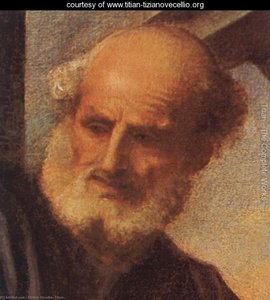
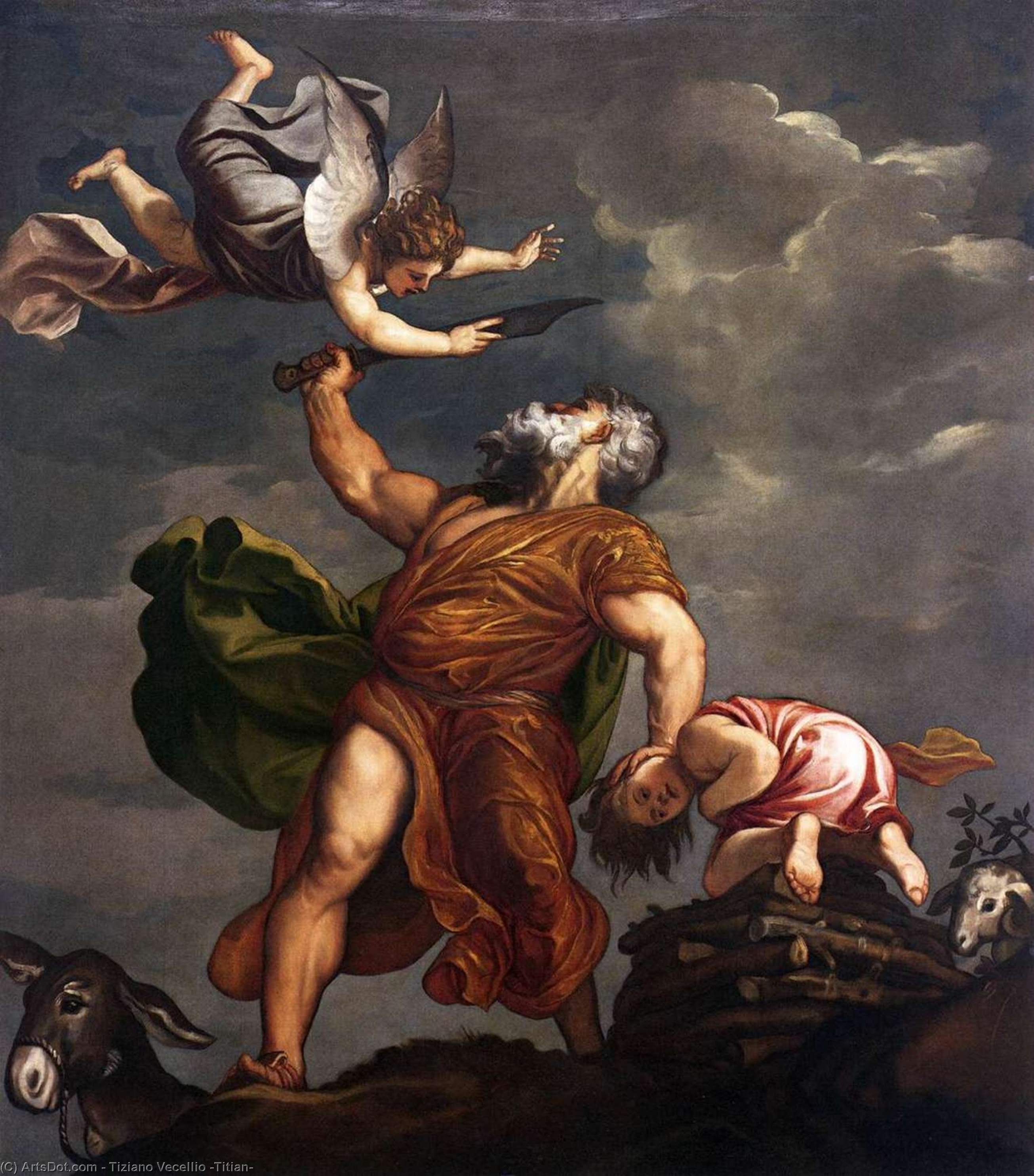
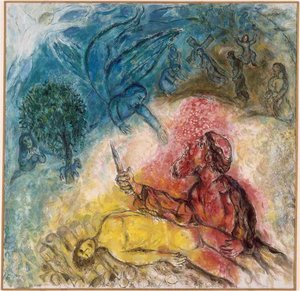
Sacrifice of Isaac
 Acrylic On Canvas
- WallArt
- Baroque Mannerism
 1542
1542 328.0 x 285.0 cm
 サンタ・マリア・デッラ・サルーテ教会
 詳細を見る
詳細を見る




P118B $10

P118H $10

P118W $10

P438Z $10

P508JH $12

P508YH $12

P805H $10

P805Z $10

P919BZ $10

P919G $10

P919XJ $10

P959ZH $10

P968JZ $12

W106C $8

W218G $10

W218JH $8

W218Y $10

W307PJ $10

W316G $10

W316PJ $8

W316Y $10

W398PJ $8

W4111J $10

W500HY $15

W500JH $15

W692G $12

W849H $8

W940BG $15

W953PJ $8




作品のオリジナル比率に合わせた、当店の規定サイズからお選びください。

特定のフレームやスペースに合わせて、ご希望のサイズをご入力いただけます。選択されたサイズが元の画像の比率と異なる場合、アートワークをトリミングするか、手描きで要素を追加して絵画を拡張いたします。デジタルモックアップ を制作し、制作開始前にご確認(承認)をいただきます。
画面上のプレビューは、実際のトリミングや拡張を正確に反映しているものではありません。最終的な構図は、モックアップによってのみ正確にご確認いただけます。
カスタムサイズもご利用いただけますが、元の比率を維持するためには、あらかじめ用意されたリストからサイズを選択することをお勧めいたします。
ご注文後、ArtsDot.com チームより詳細な指示をお送りするとともに、仕上がりイメージ(モックアップ)をご提供いたします。


 ガラスオプションは、110cm未満のサイズでのみご利用いただけます。

Sacrifice of Isaac
複製技法
複製画のサイズ
-


合計金額
$ 263
作品解説
The Sacrifice of Isaac: A Meditation on Faith and Divine Provision
Titian’s “Sacrifice of Isaac” transcends mere biblical illustration; it embodies the profound spiritual quest at the heart of Renaissance Christianity. Painted in 1542, during a period marked by theological upheaval—the Protestant Reformation challenging papal authority—this monumental canvas confronts viewers with an image steeped in symbolism and executed with unparalleled mastery.
- Subject Matter: The painting depicts Abraham preparing to sacrifice his son Isaac as instructed by God. Angels flank the scene, one bearing a sword symbolizing divine judgment, while the other offers reassurance through outstretched wings—a visual representation of God’s compassion and intervention.
- Style & Technique: Characteristic of Titian's Mannerist style, “Sacrifice of Isaac” eschews idealized beauty for dramatic tension. The artist employs swirling brushstrokes and intersecting diagonals to convey movement and emotion, creating a palpable sense of urgency and apprehension. Titian’s masterful use of color—particularly the luminous reds and golds—intensifies the emotional impact of the scene, highlighting the sacrificial altar and emphasizing the divine presence.
- Historical Context: Commissioned by Cardinal Giovanni Gabriele Vespasiani for the Santa Maria della Salute basilica in Venice, “Sacrifice of Isaac” reflects the anxieties surrounding papal legitimacy during a time of religious division. The painting’s depiction of Abraham’s unwavering faith—despite facing imminent peril—served as an emblem of Christian piety and resilience.
- Symbolism: Beyond its biblical narrative, “Sacrifice of Isaac” operates on multiple symbolic levels. The ram substituted for Isaac represents divine grace and redemption, mirroring the sacrificial offering itself. The donkey symbolizes humility and obedience, underscoring Abraham’s acceptance of God’s will. Furthermore, the composition—with its central figures engaged in a dramatic confrontation—suggests a struggle between earthly fear and divine love.
- Emotional Impact: Viewing “Sacrifice of Isaac” evokes contemplation on themes of faith, sacrifice, and divine providence. The painting's expressive gestures and vibrant colors compel viewers to confront existential questions about morality, obedience, and the nature of God’s compassion—leaving an indelible impression on those who engage with its powerful imagery.
Titian’s Mannerist Vision
Titian’s approach to painting distinguished him from his contemporaries, prioritizing emotional intensity over realistic representation. He embraced a style known as Mannerism, which deliberately distorted proportions and employed exaggerated poses to convey psychological states—a technique that anticipates the expressive innovations of Baroque art.
A Masterpiece of Venetian Color
The brilliance of Titian’s palette—particularly his masterful manipulation of reds and golds—elevates “Sacrifice of Isaac” beyond mere visual spectacle. These colors are not merely decorative; they serve as conduits for conveying spiritual significance, mirroring the radiant glory of God’s divine presence.
Beyond Representation: Exploring Narrative Depth
Unlike earlier Renaissance artists who sought to capture idealized beauty, Titian prioritized narrative depth—telling a story with compelling emotional resonance. He achieved this feat through dynamic composition and expressive brushstrokes, inviting viewers into the drama unfolding before their eyes.
関連作品
アーティストの略歴
ティツィアーノ:色彩と光のヴェネツィア巨匠
ティツィアーノ・ヴェチェッリオ(Tiziano Vecellio)、通称ティツィアーノは、イタリア・ルネサンス美術における最も重要な画家の一人であり、特に色彩表現においては他に類を見ない才能を発揮しました。彼は1490年頃にヴェネト地方のピエヴェ・ディ・カドーレで生まれ、その生涯をヴェネツィアで過ごし、ヨーロッパ全土に影響を与えました。彼の作品は、肖像画、神話画、宗教画など多岐にわたり、それぞれの分野において革新的な表現を見出しました。
幼少期、ティツィアーノはモザイク職人であるセバスティアーノ・ズッカトの工房で芸術を学び始めました。その後、ジェンティーレ・ベッリーニや彼の兄ジョヴァンニ・ベッリーニといった著名な画家たちのもとで研鑽を積みますが、特にジョルジョーネとの出会いは彼にとって決定的なものでした。二人は共同で作品に取り組み、その影響はティツィアーノの初期作品に色濃く残っています。しかし、ジョルジョーネの早逝後、ティツィアーノは独自の道を歩み始め、色彩と構図において新たな境地を開拓していきます。
革新的な色彩表現と様式発展
ティツィアーノの芸術的進化は、驚くべき多様性と実験精神によって特徴づけられます。初期の作品にはジョルジョーネの影響が強く見られ、繊細な抒情性と大気描写を巧みに操っています。『袖飾りをした男』のような肖像画では、被写体の外見だけでなく、内面的な性格までも捉えようとする試みが窺えます。成熟期に入ると、ティツィアーノはより大胆で劇的な色彩表現へと移行し、『受胎告知』に見られるように、複雑な構図と鮮やかな色彩を自在に操るようになりました。
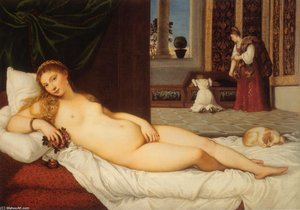
彼は絵具の重ね塗りという技法を駆使し、光と影の効果を最大限に引き出し、作品に深みと立体感を与えました。また、肖像画においては、被写体の心理状態や個性を見事に表現することで、単なる似顔絵を超えた芸術作品へと昇華させています。『ウルビーノのヴィーナス』は、その代表的な例であり、女性の裸体描写における新たな基準を打ち立てました。ティツィアーノの色彩感覚と構図構成能力は、当時の画家たちに大きな影響を与え、ヴェネツィア派絵画の特徴を決定づける要因となりました。
パトロンとの関係と芸術的遺産
ティツィアーノの才能は瞬く間に評判となり、ヨーロッパ各地の有力な貴族や王侯から厚い信頼を得ました。神聖ローマ皇帝カール5世、スペイン国王フィリップ2世、教皇パウロ3世など、多くの権力者たちが彼の作品を求めたのです。これらのパトロンからの支援は、彼に莫大な富をもたらすだけでなく、大規模な作品制作の機会を与え、その芸術的才能をさらに開花させました。
ティツィアーノの作品は、ルネサンスからバロックへと移行する時期における重要な転換点となり、後の世代の画家たちに多大な影響を与えました。彼の影響を受けた画家としては、ピーテル・パウル・ルーベンスやレンブラントなどが挙げられます。彼の革新的な色彩表現と自由な筆致は、絵画の世界に新たな可能性をもたらし、西洋美術史における重要な遺産として今もなお高く評価されています。
ティツィアーノ作品を辿る旅
美術館とコレクション: パドヴァのスクオーラ・デル・サントやヴェネツィアのサン・サルヴァドーレなど、ティツィアーノの傑作は世界中の美術館で鑑賞することができます。
関連する芸術家: ジョルジョーネの影響と、ルーベンスやドラクロワといった後世の画家たちへの影響を辿ることで、ティツィアーノの芸術的意義をより深く理解することができます。
歴史的背景: イタリア・ルネサンス美術とヴェネツィア派絵画の世界に浸り込むことで、ティツィアーノの芸術的業績をより深く理解することができます。
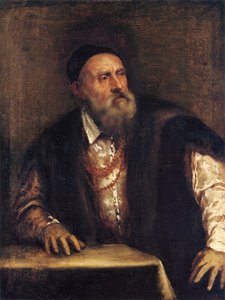
ティツィアーノ
1490 - 1576 , イタリア
基本情報
- フルネーム: ティツィアーノ・ヴェチェッリオ
- 主な作品:
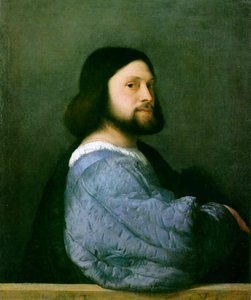
- 男とキルト袖
- 受難の聖母
- 髭の若い男性
- 出生地: ピエヴェ・ディ・カドーレ (イタリア)
- 国籍: イタリア
- 影響を与えたアーティスト:
- ルーベンス
- ドラクロワ
- 影響を受けたアーティスト:
- ジョルジョーネ
- ジョバンニ・ベッリーニ
- 死亡年月日: 1576年8月27日
- 生年月日: 1488/90年頃
- 芸術運動またはスタイル: ルネサンス、ヴェネツィア派
関連記事
Mannerism: Bridging Renaissance Harmony & Baroque Drama – A Study of Style & Affectation
Explore the fascinating world of Mannerism! Discover its key characteristics, pioneering artists like Pontormo & Bronzino, and its pivotal role in bridging Renaissance harmony to Baroque drama. A comprehensive guide for art enthusiasts.

バロックのドラマ:現代のインテリアに壮麗さと情感を取り込む
バロック様式の歴史、絵画、家具の魅力をご紹介。ArtsDotでは、高品質な油絵複製やカスタムポートレートをご提供し、現代のインテリアに壮麗さと情感を取り入れます。アートコンサルテーションも承ります。
The Dramatic Dialogue: Baroque Mannerism & the Synthesis of Emotion, Form, and Artistic Rebellion
Explore the dramatic world of Baroque Mannerism! Discover its history, iconic artists like Rubens & El Greco, and lasting influence on art. Expert insights for collectors & enthusiasts at ArtsDot.

バロック美術を極めた至宝:時代を彩る10大名作の世界
バロック美術の華!カラヴァッジョ、ベルニーニら巨匠が創り上げた10大名作を徹底解剖。ドラマチックな色彩と豪華絢爛の世界観に触れ、至宝のアートプリントで空間を彩ろう。ArtsDot.comで美術館品質の複製と洗練されたインテリアを見つけましょう!

The Visceral Stage: Exploring Dramatic Narratives & Emotional Intensity in Baroque Art
Explore the dramatic world of Baroque art! Discover iconic masters like Caravaggio & Rembrandt, their techniques, and the movement's lasting impact. Expert insights for collectors & enthusiasts at ArtsDot.