

 プレビュー
プレビュー
 シェアする
シェアする シェアする
シェアする
 詳細を見る
詳細を見る

 ダウンロード
 似ている作品
 X線調査
X線調査 スライドショー
 統計情報
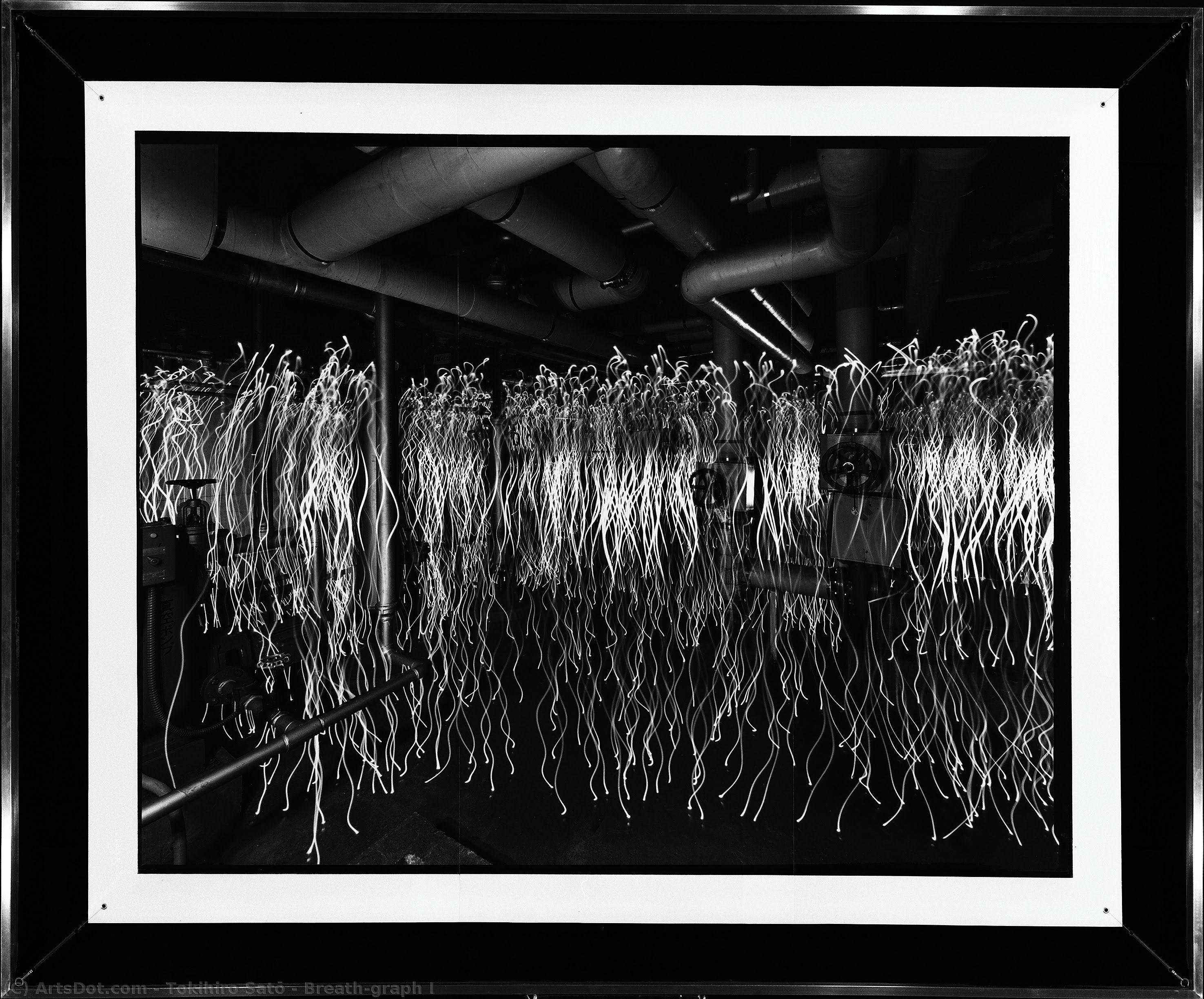
統計情報Breath-graph I
 Contemporary Realism
 218.0 x 182.0 cm
 詳細を見る
詳細を見る
オンラインプレビューをはるかに凌ぐ、高解像度で鮮明なデジタル画像をご購入いただけます。
各ファイルは、社内の専門家が高度なツールと熟練した手作業によるレタッチを用いて、細心の注意を払って準備されています。すべての画像において、卓越した鮮明度、正確な色彩再現性、そして繊細なディテールを保証いたします。
最終ファイルは、プロフェッショナルな編集・印刷環境ですぐにご利用いただけるよう最適化された状態で、72時間以内にメールにてお届けいたします。これは、一流のデザインスタジオ、出版社、ギャラリーから信頼されているものと同等の品質です。
デジタルアート
個人での鑑賞、印刷、クリエイティブなプロジェクト用に、高解像度ファイルをダウンロードできます。 ( プリント版に切り替え 手描きの絵画を購入)
デジタル画像のご注文に付随する特典
高品質なデジタル画像配信を、確かな品質で。
ArtsDot.com を選ぶことは、単に画像を手に入れることではありません。それは、プロの手によって精密に仕上げられ、満足保証が付いた高品質なデジタルアートワークを受け取ることを意味します。ご注文いただいた際に自動的に付随する内容は、以下の通りです:

メールですぐにお届け
ご注文から72時間以内に、高解像度のデジタル画像ファイルがメールでお手元に届きます。すぐにそのままご利用いただけます。

AI技術で最適化されたデジタルファイル
お客様の作品は、高度なAIツールと専門家による手作業の編集を組み合わせてプロフェッショナルに最適化されており、細部のディテール、鮮明さ、そして正確な色再現性を最大限に引き出しています。

一生涯無料の再送サービス
ファイルを誤って削除したり、紛失してしまったりしましたか?ご安心ください。いつでも無料で再送いたします。

輸入手数料は一切かかりません
関税や手数料、配送料を気にすることなく、お気に入りのアートワークをすぐにお楽しみいただけます。デジタルダウンロードは常に免税です。

色彩再現の保証
プロ仕様のツールとカラーマネジメント技術を用いることで、デジタル画像が元の色を最大限に忠実に再現することを保証いたします。

100日間満足保証
ご購入いただいたデジタル画像にご満足いただけない場合は、100日以内であれば、理由を問わず修正または100%の返金対応をさせていただきます。

100% 返金保証
ご満足いただけない場合は、デジタルファイルを受け取ってから100日以内であれば、理由を問わず全額返金いたします。

まとめ買い割引
3枚購入で10%OFF - 5枚購入で15%OFF - 10枚以上購入で20%OFF。クリエイティブなプロジェクト、ギャラリー、エージェンシーに最適です。
関連作品

作家の略歴
Tokihiro Satō: Sculpting Light, Capturing Absence
Born in Sakata, Yamagata Prefecture, Japan, in 1957, Tokihiro Satō’s artistic journey began not with a camera, but with the tactile world of sculpture. Initially trained as a sculptor, he found himself drawn to the ephemeral qualities of light and its potential for creating evocative forms. This pivotal shift led him to photography, a medium perfectly suited to his desire to communicate abstract ideas through visual representation – an exploration that continues to define his distinctive artistic vision today.
Satō’s early work demonstrated a fascination with capturing the unseen, particularly the traces of movement and presence within a space. He quickly moved beyond traditional photographic techniques, embracing long exposures—often lasting up to three hours—and utilizing mirrors to direct and manipulate light sources. This process involved meticulously moving through his subjects, creating intricate patterns of illumination that seemed to breathe on the photograph’s surface. The resulting images are not simply depictions of a scene but rather investigations into the very nature of perception, inviting viewers to contemplate the relationship between observer and observed.
The Language of Light: Technique and Philosophy
At the heart of Satō's practice lies a profound understanding of light as both a physical phenomenon and a symbolic force. His technique is deceptively simple—a flashlight or mirror reflecting sunlight—yet it yields extraordinarily complex results. The extended exposure times are crucial, allowing him to trace pathways of light that would otherwise be invisible to the naked eye. These illuminated lines become the very essence of his subjects, revealing their form while simultaneously obscuring the artist’s physical presence.
This deliberate concealment is a key element of Satō's philosophy. As he himself has stated, “What I would like the viewer to see is their idea of the ‘missing part’ in my images. I want them to imagine that something which they cannot actually see in the picture does exist—by means of showing my own absence.” His photographs are not about capturing a literal likeness but rather about suggesting an underlying reality, a sense of movement and being that transcends the boundaries of the image itself. The “Photo Respiration” series exemplifies this perfectly, presenting landscapes imbued with a subtle, almost spectral presence – as if the very air is shimmering with unseen energy.
A Journey Through Space: Exhibitions and Recognition
Satō’s work has garnered significant international recognition, showcased in prestigious institutions worldwide. Solo exhibitions have graced galleries such as the Solomon R. Guggenheim Museum in New York, the Los Angeles County Museum of Art, the Cleveland Museum of Art, and the Tokyo Metropolitan Museum of Photography. His photographs are held in numerous public and private collections, a testament to their enduring appeal and artistic merit.
Notable exhibitions include a retrospective at the Hara Museum of Contemporary Art in Tokyo (1999), followed by shows at the Cleveland Museum of Art (2003), The Art Institute of Chicago (2005), and the Frist Center for the Visual Arts in Nashville (2010). These presentations have allowed audiences to experience the depth and complexity of his work firsthand, solidifying Satō’s position as a leading figure in contemporary photography.
Influence and Legacy
Satō's influence extends beyond the realm of photography. His innovative approach to light and space has resonated with artists working across various disciplines, including performance art and installation. His work is often cited for its poetic sensibility, its exploration of themes such as presence and absence, and its masterful manipulation of light – a technique that invites viewers to engage in a deeper contemplation of the world around them.
Furthermore, Satō’s background in sculpture informs his photographic practice, providing him with a unique perspective on form and space. He continues to teach at the Tokyo University of the Arts, passing on his knowledge and inspiring future generations of artists to explore the transformative power of light.

tokihiro satō
1957 - , Japan
プロフィール概要
- Artistic Movement Or Style: Light & Space, Performance Art
- Artists Or Movements Influenced By This Artist: ['Abstract Expressionism']
- Artists Who Influenced This Artist: ['Sculptors']
- Date Of Birth: September 14, 1957
- Full Name: Tokihiro Satō
- Nationality: Japanese
- Notable Artworks:
- Breath-graph I
- Photo Respiration
- Place Of Birth: Sakata, Yamagata, Japan